
A Chinese podcast · Same story, 4 levels
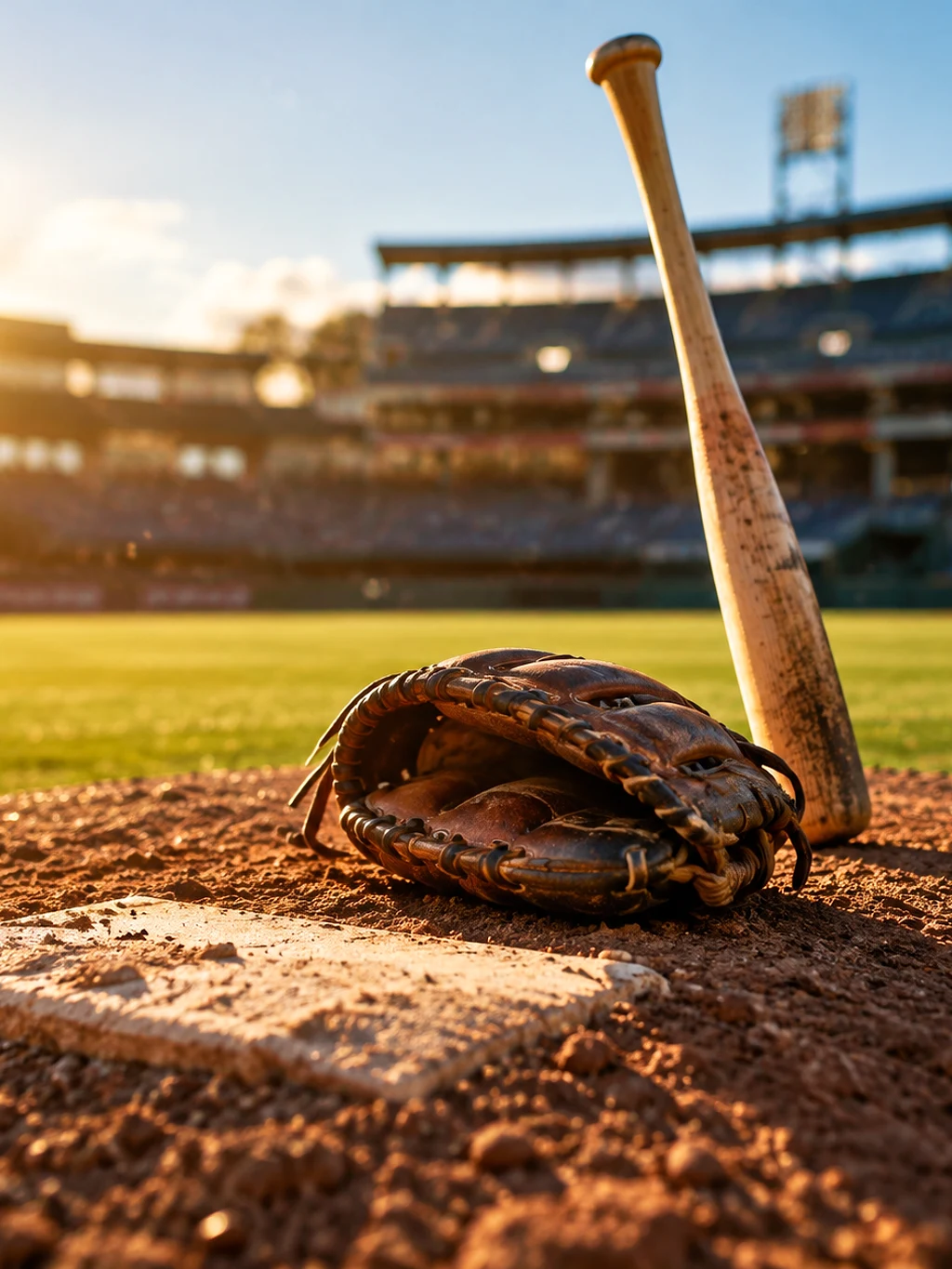
八胜两负、防御率一点七九,大谷翔平今年不再上场投球:教练说他爱当双向球员,但现在这么做说不通
Ohtani Stops Pitching for Rest of 2026
About this story
On 7 September 2026 Shohei Ohtani said he most likely will not pitch again this season — 8-2 with a 1.79 ERA, and hitting .277 with 30 home runs. A biceps flare-up, a knee, a neck. His manager: he loves being a two-way player, but right now it does not make sense. Chinese listening practice at four levels. HSK 3 Chinese listening practice.
This is an HSK 3 Chinese listening episode that runs about 4 minutes. The full Mandarin script is shown with tap-for-pinyin and a line-by-line English translation, so you can listen and read at once — comprehensible input in the sense of Stephen Krashen's i+1 theory. It teaches 12 key vocabulary words such as 比赛、休息、舒服 and walks through 3 grammar patterns, each explained in English with examples. The same news story is retold at 4 difficulty levels — use the level selector above to find the version that is challenging but still understandable for you.
Read at your level
原文Read the complete story in Chinese. Reveal pinyin and English only when you need them.
English transcript reference
Today's story is about baseball, but you do not need to understand baseball to follow it.
First, how baseball works.
There are two sides on the field.
One side has a player standing in the middle who throws the ball toward the other side.
The player on the other side holds a stick and has to hit the ball away.
The one who throws is called the pitcher; the one who hits is called the batter.
These two jobs are normally done by two different people.
Why?
Because throwing does too much damage to the arm.
After pitching one game, a pitcher needs several days of rest.
So in American professional baseball, for a hundred years, everyone has divided the work: if you throw, you do not hit; if you hit, you do not throw.
Only one person is not like that.
His name is Shohei Ohtani. He is Japanese, and he plays in America.
He does both.
He is a pitcher, and he is also a batter.
What is harder still is that he does both extremely well.
Ordinarily, doing both means doing neither well.
Not him.
This year, as a pitcher, he has won eight games and lost only two.
As a batter, he has hit thirty home runs.
A home run is when you hit the ball clean out of the park in one swing — the hardest kind.
So every time he plays, the stands are full.
Plenty of people are not really watching the game at all. They came to watch him.
But this July, things changed.
Since 3 July, he has not taken the mound to pitch.
First his arm was uncomfortable.
Then his knee was uncomfortable.
Then one day, while he was batting, his neck and his arm were uncomfortable again.
At the end of August he tried one practice session of throwing.
Afterwards, his arm felt worse.
From that day on, he has not touched the ball.
In between, he also missed four games.
On 7 September, he spoke for himself.
He said: this year, I will most likely not pitch again.
Note that: not "not today", and not "not this week".
Not for this entire season.
His manager spoke too.
The manager said: he loves pitching, and he loves being someone who does both.
The manager said: but doing it right now does not make sense.
The two of them are saying the same thing, in two different tones.
One of them is putting something down; the other is explaining it.
And how does Ohtani himself feel?
He said one thing through his interpreter.
He said: it is disappointing.
But he went on: I want to turn this year into an experience.
He did not say he would stop next year.
He only said: this year, do one of them first.
I think this is worth telling because of the following.
One person can do two things that almost nobody can do well at the same time.
He did it, and he did it for several years.
But whether you can do it, and how long you can keep doing it, are two different questions.
The skill comes in two portions. The body comes in one.
Think about it:
You have two things in front of you. You want to do both, and you can do both.
But your time and your body come in one portion.
Which one would you put down first?
Listen again
Try it without the transcript and notice what sounds clearer.
What vocabulary does this episode teach?
词汇HSK 3. 中间他还有四场比赛没有上场。
HSK 2. 投手扔完一场,要休息好几天 — the constraint the whole sport is built around.
HSK 3. Used in the negative four times, one body part at a time.
HSK 4. 我想让这一年变成一个经验 — his own word for what this season is.
HSK 5. The second voice in the episode, and the one that says it plainly.
HSK 4. 他通过翻译说了一句话 — a detail worth noticing on a language podcast.
Explained from scratch in the first six lines so the story works without the sport.
扔球的叫投手 — named only after the action has been described.
The other half of the pair, and the half he is keeping.
Defined in plain words: hitting the ball clean out of the park in one swing.
HSK 5. Where it started, and where it ended after the August bullpen session.
是这一整个赛季都不投了 — the unit of time the decision applies to.
* beyond level超纲词
What grammar patterns appear in this episode?
语法先是……,后来……,再后来……
A sequence in time. Chinese stacks these adverbs at the head of each clause, which is how the episode lists three injuries without a list.
先是胳膊不舒服。
后来膝盖也不舒服。
再后来,有一天他打球的时候,脖子和手臂又不舒服。
注意,不是……
Flags a misreading before it happens. 注意 is a spoken corrective, closer to "mind you" than to "attention".
注意,不是今天不投,也不是这个星期不投。
A 和 B,是两回事
A and B are two different matters. Short, flat, and final — used here to separate being able to do something from being able to sustain it.
可是能不能做,和能做多久,是两回事。
Proper nouns
专有名词Sources
来源Free account
Keep learning from this story
Create a free account to keep saved words and your preferred level together.
- Keep words with their story context
- Remember your preferred level
- Build your vocabulary over time