
A Chinese podcast · Same story, 4 levels
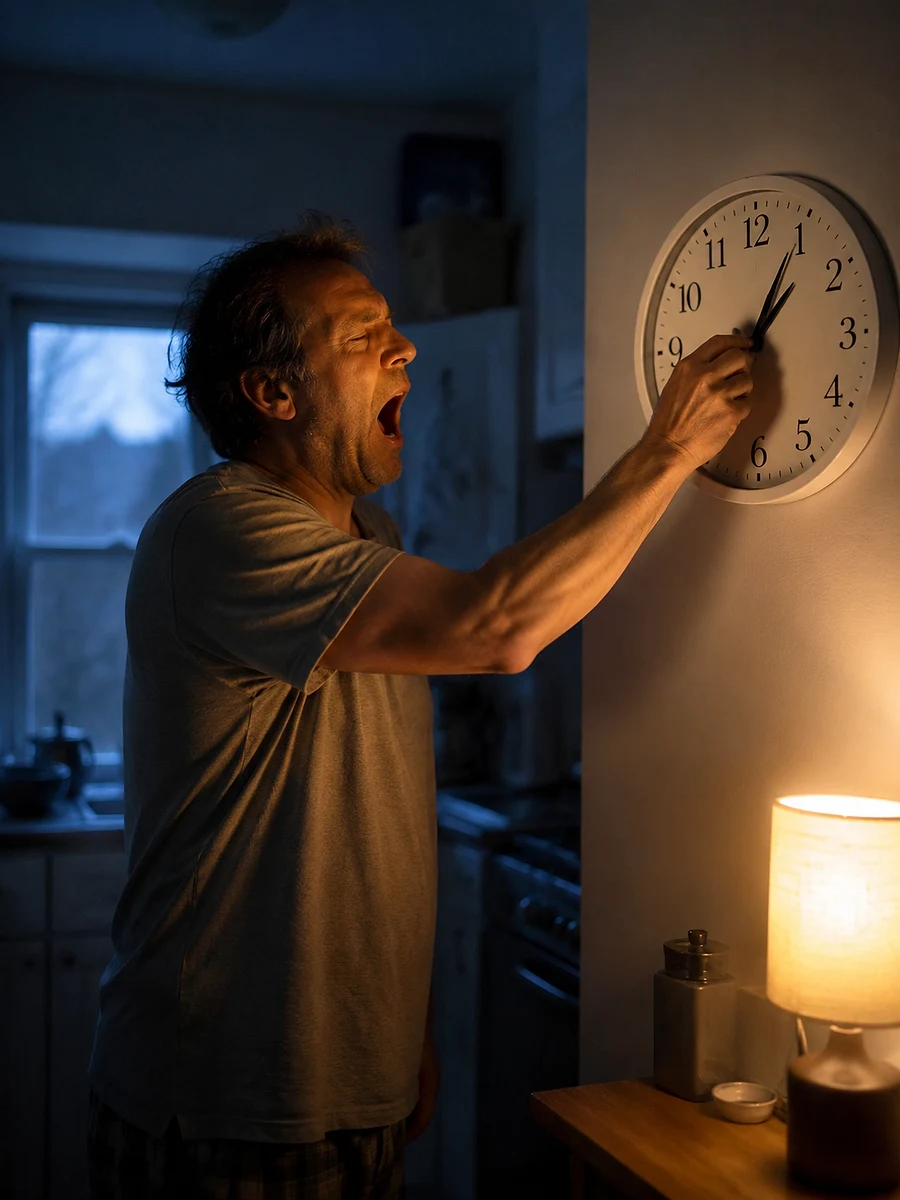
美国人吵了几十年的“调表”:众议院第一次投票,要让夏令时永久化
House Votes on Permanent Daylight Saving Time
About this story
A medium Chinese listening story on daylight saving time: the U.S. House voted to keep summer time year-round, the health case against clock changes, and why the "which time" fight is still unsettled. HSK 4 Chinese listening practice.
This is an HSK 4 Chinese listening episode that runs about 2 minutes. The full Mandarin script is shown with tap-for-pinyin and a line-by-line English translation, so you can listen and read at once — comprehensible input in the sense of Stephen Krashen's i+1 theory. It teaches 12 key vocabulary words such as 习惯、研究、身体 and walks through 3 grammar patterns, each explained in English with examples. The same news story is retold at 4 difficulty levels — use the level selector above to find the version that is challenging but still understandable for you.
Read at your level
原文Read the complete story in Chinese. Reveal pinyin and English only when you need them.
English transcript reference
Twice a year, people all over the world go through the same little hassle: they wake up and realize they have to reset the clocks.
Forward an hour in spring, back an hour in autumn.
The custom goes back more than a hundred years, first meant to save electricity and energy.
But today, more and more people have come to hate it.
Why?
Because many studies find that suddenly losing an hour of sleep is actually bad for your health.
In the days after the change, heart attacks and car crashes even tick up slightly.
So "can we stop changing the clocks" is a topic Americans have argued about for years.
Just a few days ago there was a new development: the U.S. House voted on it for the first time.
The result: over three hundred in favor, over one hundred against — it passed.
The White House voiced its support too.
If it ultimately passes, America would no longer change the clocks twice a year and would keep summer time instead.
It sounds great, but there is a key question here: is keeping summer time all year actually good or bad?
The upside is clear: all year, it gets dark later in the evening, so there is still sun after work to go out and be active.
But the downside is real too: on winter mornings, it gets light especially late.
By then kids would head to school in the dark and adults would commute in the dark, making the roads more dangerous.
In fact, many scientists say that if you must fix one time, "winter time" (standard time) is better for the body.
So the situation now: everyone agrees to "stop changing it," but which time to lock in is still unresolved.
Next, this still has to clear the Senate before it is truly decided.
In the end, it's a question everyone runs into and that is especially hard to answer.
Listen again
Try it without the transcript and notice what sounds clearer.
What vocabulary does this episode teach?
词汇这个习惯 = this custom (of changing clocks).
很多研究发现 = many studies find.
对身体不太好 = not good for your health.
路上更危险 = the roads are more dangerous.
大家都同意 = everyone agrees.
还没吵出结果 = they still have not argued their way to an outcome.
表示支持 = to express support.
通过了 = it passed.
调表 = adjust the clock. Core action of the whole debate.
一直用夏天的时间 = keeping summer time = permanent 夏令时.
Grounded in-line as something that "ticks up" right after the clock change.
省电、省能源 = to save electricity and energy.
* beyond level超纲词
What grammar patterns appear in this episode?
语法越来越……
越来越 + adjective means "more and more…".
越来越多的人开始讨厌它。
要是……真的……
要是 introduces a hypothetical; 真的 stresses "if it really does happen".
要是最后真的通过,美国以后就不用一年调两次表。
Proper nouns
专有名词Free account
Keep learning from this story
Create a free account to keep saved words and your preferred level together.
- Keep words with their story context
- Remember your preferred level
- Build your vocabulary over time