
A Chinese podcast · Same story, 4 levels
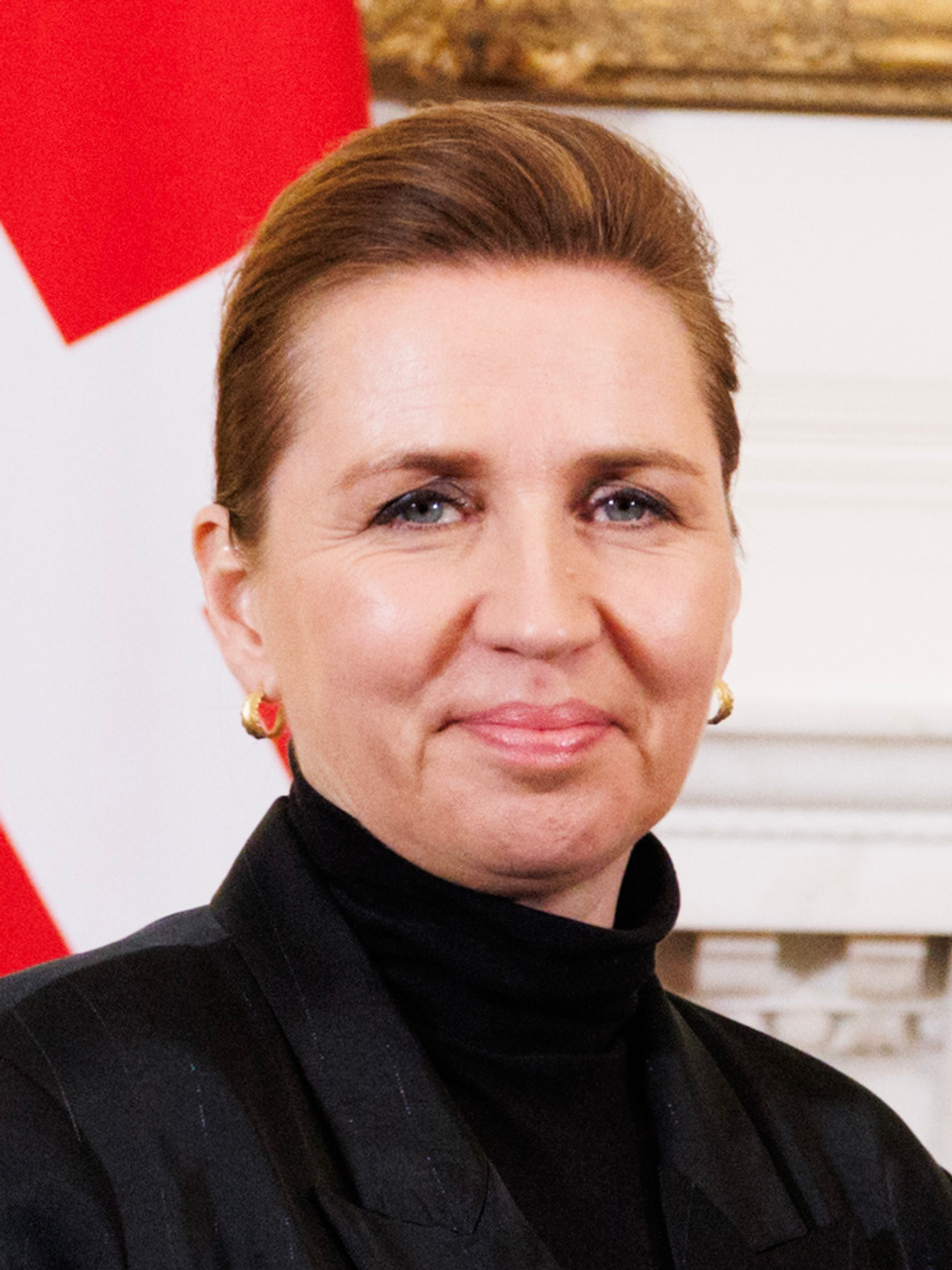
Photo: Number 10 (UK Government) · OGL v3.0
丹麦首相刚从乌克兰回来,收到整形医生的私信:"我可以帮你把鼻子上那块弄掉。"
Denmark's PM Gets Unsolicited Nose-Fix Offer
About this story
Denmark's PM Gets Unsolicited Nose-Fix Offer. HSK 3 Chinese listening practice.
This is an HSK 3-4 Chinese listening episode that runs about 2 minutes. The full Mandarin script is shown with tap-for-pinyin and a line-by-line English translation, so you can listen and read at once — comprehensible input in the sense of Stephen Krashen's i+1 theory. It teaches 8 key vocabulary words such as 鼻子、身体、一边 and walks through 3 grammar patterns, each explained in English with examples. The same news story is retold at 4 difficulty levels — use the level selector above to find the version that is challenging but still understandable for you.
Read at your level
原文Read the complete story in Chinese. Reveal pinyin and English only when you need them.
English transcript reference
Put two things side by side; all the force of this story is in the order.
First: the Danish prime minister had just come back from Ukraine, where she had heard air raid sirens.
When a siren goes off, you stop whatever is in your hands and go underground.
Second: she got home, opened her phone, and found a direct message.
It was from a plastic surgeon, and the gist was: I can get rid of that spot on your nose for you.
On one side, air raid sirens; on the other, "there is something wrong with your nose".
She wrote a reply online, saying that over the years she has lost count of the comments about her appearance.
Some said her teeth were not nice, some said her hair was thin, some suggested Botox.
Lost count is the heaviest phrase in it: the problem is not that any one is especially bad, it is that they have never stopped.
Her reply argued nothing. It stated one fact: I am nearly fifty, my body is exactly as it is, and I am happy with it.
The sentence has force because it does not defend: she did not explain what the spot is, or why she has not dealt with it.
She simply took back the initiative: my body — I say.
The last step is the best part of the whole thing: she screenshotted the surgeon’s message and posted it, but did not name him.
She turned it into an example everyone could see, without turning the man into a target.
She said what she had to say, and still did not do to him what he had done to her.
That step is hard, because the least effortful thing is always to put the name up.
Think about it:
If someone passes judgement on your appearance, would you answer back?
Listen again
Try it without the transcript and notice what sounds clearer.
What vocabulary does this episode teach?
词汇One small spot on it, and a stranger felt entitled to mention it.
我的身体,由我来说 — my body, I say.
一边是防空警报,一边是…… — the contrast the episode is built on.
问题不在某一条过分,在于它们从没停过。
整 to put right, 形 form. 整形医生 = plastic surgeon.
What arrived while she was still getting home from a war.
She screenshotted it — and stopped there.
The thing she chose not to do. The whole ending is in this word.
* beyond level超纲词
What grammar patterns appear in this episode?
语法问题不在……,在于……
The problem is not X, it lies in Y — relocates the real issue.
问题不在某一条过分,在于它们从没停过。
把主动权拿回来
To take back the initiative — a very useful set phrase.
她只是把主动权拿了回来。
却没有对他做他对她做的事
A mirrored clause: did not do to him what he did to her.
她说了她要说的,却没有对他做,他对她做的事。
Proper nouns
专有名词Sources
来源Free account
Keep learning from this story
Create a free account to keep saved words and your preferred level together.
- Keep words with their story context
- Remember your preferred level
- Build your vocabulary over time