
A Chinese podcast · Same story, 4 levels
美国参议员欠甜品店六年,帖子传开后才付钱
A Senator Pays a Bakery Bill After Six Years and a Viral Post
About this story
US Senator Roger Marshall owed a dessert shop over $600 for six years; after a viral post, he paid. HSK 1 Chinese listening practice.
This is an HSK 1 Chinese listening episode that runs about 2 minutes. The full Mandarin script is shown with tap-for-pinyin and a line-by-line English translation, so you can listen and read at once — comprehensible input in the sense of Stephen Krashen's i+1 theory. It teaches 12 key vocabulary words such as 钱、说、写 and walks through 4 grammar patterns, each explained in English with examples. The same news story is retold at 4 difficulty levels — use the level selector above to find the version that is challenging but still understandable for you.
Read at your level
原文Read the complete story in Chinese. Reveal pinyin and English only when you need them.
English transcript reference
There is a senator in the United States; his name is Marshall.
Many people know him.
Now many people are talking about him.
Why?
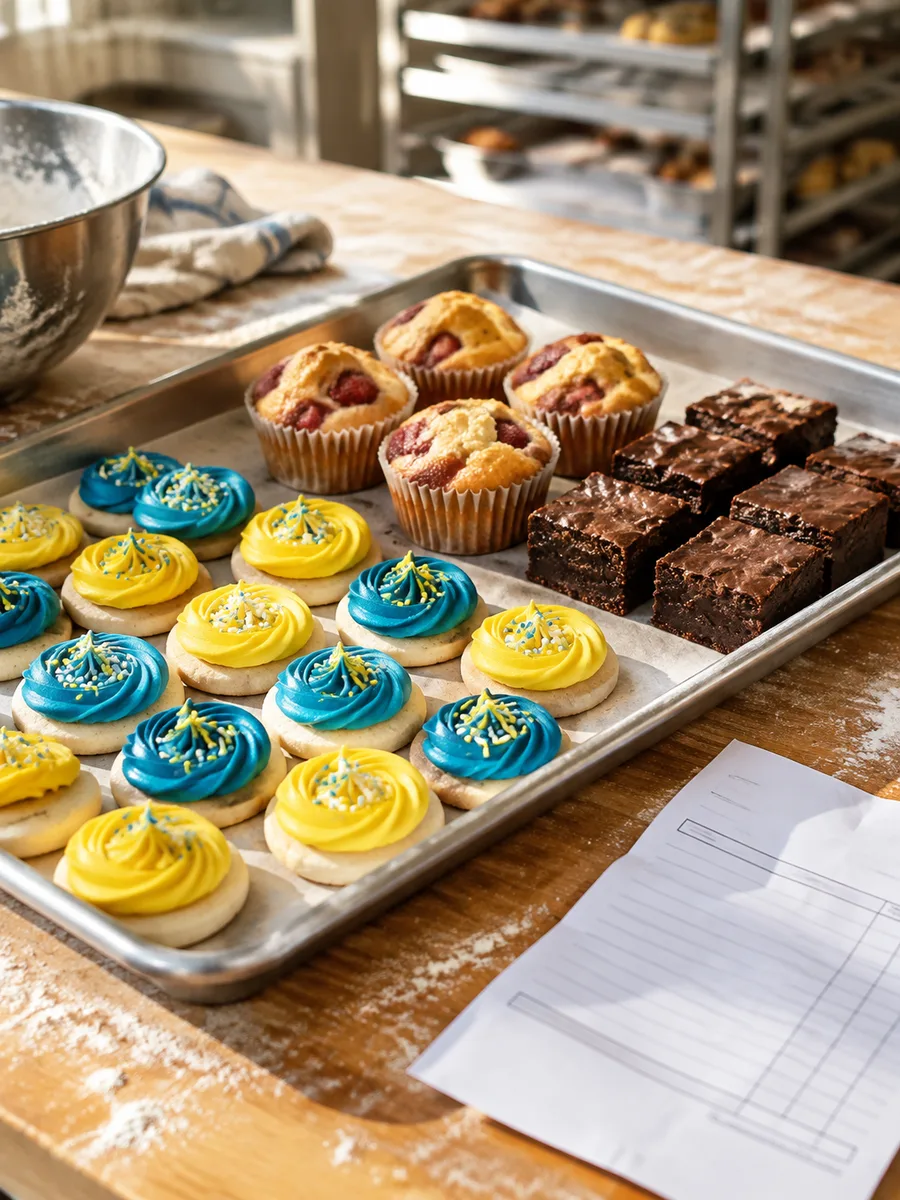
Because he owes money to a dessert shop.
Owing money means you bought something, and the money you need to pay has not been paid yet.
You go to a store, want to buy apples, and need to pay.
You bought something, but you did not pay; this money is then owed.
A dessert shop is a store where you can eat desserts.
This shop belongs to Holly.
Six years ago, Marshall's people bought her desserts.
These desserts cost more than six hundred US dollars.
The US dollar is the money of the United States.
They bought desserts, but they did not pay.
Six years is very, very long.
Holly called and wrote a lot of words for them to see.
She called, but no one answered her.
She wrote a lot of words, but still no one answered her.
She waited six years.
She was very unhappy.
On Thursday, she wrote about this online.
Online, many people can see the words she wrote.
Many people saw the words she wrote.
Six years have passed, and she is still thinking about this.
She said she does not want to vote for Marshall again.
Many people looked at this matter, and many people talked about it.
On Friday, Marshall paid the money.
Holly said Marshall paid the money.
On Saturday, Marshall also wrote words online.
He said they do not know why this happened.
They said that when they learned about this, they wanted to say sorry.
Holly said: His paying the money is right.
But she does not want to vote for Marshall.
Think about it: if someone owes you money and does not pay for six years, what would you say to him?
Listen again
Try it without the transcript and notice what sounds clearer.
What vocabulary does this episode teach?
词汇HSK 1. A very common noun; used in 欠钱 (owe money), 给钱 (pay money), and 有钱 (have money).
HSK 1. Common verb; appears in 他说 (he says), 她说 (she says), and 很多人说 (many people say).
HSK 1. Used for writing words or text; appears in 写了很多字 (wrote a lot of words).
HSK 1. Common shopping verb; appears in 买了东西 (bought things) and 想买苹果 (want to buy apples).
HSK 1. Used for looking at or reading; appears in 很多人可以看 (many people can see) and 很多人看 (many people looked).
HSK 1. Used for knowing a person; appears in 很多人认识他 (many people know him).
A common apology phrase; appears in 想说对不起 (wanted to say sorry).
A story phrase meaning to owe money; 欠 means to owe, and 钱 means money.
A shop that sells desserts; 甜品 means dessert, and 店 means shop.
A member of a senate; in the script it refers to US Senator Marshall.
The currency of the United States; appears in 六百多美元 (more than six hundred US dollars).
Means on the internet; appears in 在网上写了这件事 (wrote about this online).
* beyond level超纲词
What grammar patterns appear in this episode?
语法有 + Object
Expresses existence: there is/are. Used to introduce people or things.
美国有一个参议员,他叫马歇尔。
是 + Noun
Simple equational sentence pattern: A is B. Used to identify or define something.
这个店,是霍莉的。
美元,是美国的钱。
甜品店,是可以吃甜品的商店。
可是 + Clause
Expresses contrast: but; however. Used to show a difference from what was expected.
买了东西,可是没有给钱,这个钱就欠下了。
她打电话,可是没有人回答她。
他们买了甜品,可是没有给钱。
Expresses wanting to do something: want to + verb.
你去商店,想买苹果,要给钱。
她说,她不想再选马歇尔。
他们说,知道这件事,就想说对不起。
Proper nouns
专有名词Sources
来源Free account
Keep learning from this story
Create a free account to keep saved words and your preferred level together.
- Keep words with their story context
- Remember your preferred level
- Build your vocabulary over time