
A Chinese podcast · Same story, 4 levels
他已经下到安全的楼层了,然后他转身又上去了:二十五年后,「红头巾的人」拿到了总统自由勋章
9/11 Red Bandana Hero Gets Medal of Freedom
About this story
Welles Crowther, 24, worked on the 104th floor of the South Tower. On 11 September 2001 he tied the red bandana his father gave him at six over his face and led people to the one passable stairwell, carrying a woman down seventeen floors and going back up again and again. Survivors knew him only as the man in the red bandana. Chinese listening practice at four levels. HSK 2 Chinese listening practice.
This is an HSK 2 Chinese listening episode that runs about 3 minutes. The full Mandarin script is shown with tap-for-pinyin and a line-by-line English translation, so you can listen and read at once — comprehensible input in the sense of Stephen Krashen's i+1 theory. It teaches 12 key vocabulary words such as 上面、下去、上去 and walks through 3 grammar patterns, each explained in English with examples. The same news story is retold at 4 difficulty levels — use the level selector above to find the version that is challenging but still understandable for you.
Read at your level
原文Read the complete story in Chinese. Reveal pinyin and English only when you need them.
English transcript reference
Today we are talking about a young man.
Twenty-five years ago, he was twenty-four.
Twenty-four is very young.
He had a job, and he had a family.
He had a lot of friends.
He was in America.
He worked in a very big building.
This building was very, very tall.
He was up at the top of it.
Very high up, very high up.
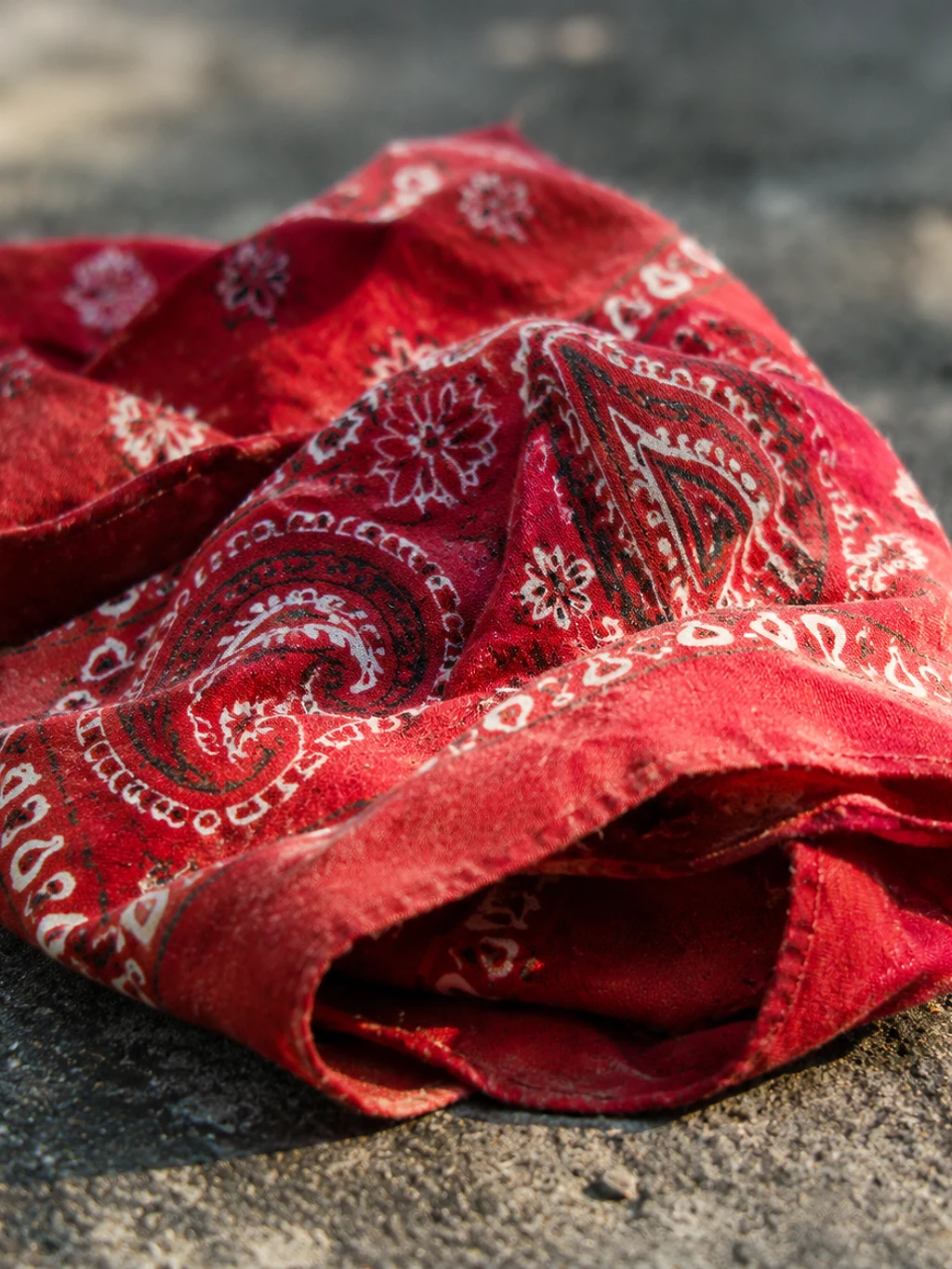
He had a piece of red cloth.
This red cloth was given to him by his father.
When he was small, his father gave it to him.
He grew up, and the red cloth was still there.
Wherever he went, the red cloth went.
That day, something happened in the building.
Something very bad happened.
There was a lot of smoke in the building.
People could not see.
People did not know which way to go.
Many people were up high and could not get down.
This young man was up high.
He could have gone down.
But he did not leave.
What did he do?
He put the red cloth over his face.
There was too much smoke in the building.
Then he said: come with me.
He said: you can get down this way.
He walked in front, and people walked behind.
They got down.
Once they were down, he did not go home.
He went back up.
There were still people up there.
There was one person who could not walk.
He put that person on his back.
He carried her down.
Down seventeen floors.
Seventeen floors is a great many.
Once he was down, he went back up again.
Up, down.
Up, down.
He went up again and again.
Then the building came down.
When the building came down, he was inside.
He did not come out.
For many years, nobody knew who he was.
The people who got down said: there was a man up there.
They said: he had a piece of red cloth over his face.
They said: he was the one who told us to go down.
Later, his mother saw this.
She knew that was her son.
Now many years have passed.
At his school, one day a year, everyone wears red.
Everyone is thinking of him.
Here is what I want to say.
He came down once.
He could have left.
But he went back up.
Think about it:
You have come down.
There are still people up there.
Would you go back up?
Listen again
Try it without the transcript and notice what sounds clearer.
What vocabulary does this episode teach?
词汇HSK 1. The whole episode is built on 上面 and 下面 — where he was, and where safety was.
HSK 1 pair. 他也可以下去 — the thing he was free to do and did not do.
The two characters the episode repeats more than any others: 上去,下来。
HSK 1 roots. 人看不见 — why nobody knew which way to go.
HSK 2. 上面还有人 — four characters that explain everything he did.
HSK 2. Used for what nobody knew for years, and for the moment his mother did.
HSK 3. One colour, and the only thing anyone could tell the investigators about him.
一块红布 — a piece of cloth a six-year-old was given, and never put down.
Does double duty: the building itself, and 楼下来了 when it came down.
下了十七层 — the measure word that makes the distance he carried her real.
Why the cloth went over his face, and why nobody could find the stairs.
他的脸上有一块红布 — the sentence that eventually gave him his name back.
* beyond level超纲词
What grammar patterns appear in this episode?
语法……以后,……
After doing something. Chinese puts the whole clause before 以后, and the episode uses it at each turning point.
下去以后,他没有回家。
下来以后,他又上去了。
又 + verb
Did it again — an action already completed, repeated. 又 is the single most important word in this episode.
他又上去了。
可是他又上去了。
把 + object + 放在……
Put something somewhere. 把 moves the object in front of the verb, which is how Chinese states what was done to a thing.
他把红布放在脸上。
他把这个人放在自己的身上。
Proper nouns
专有名词Sources
来源Free account
Keep learning from this story
Create a free account to keep saved words and your preferred level together.
- Keep words with their story context
- Remember your preferred level
- Build your vocabulary over time