
A Chinese podcast · Same story, 4 levels
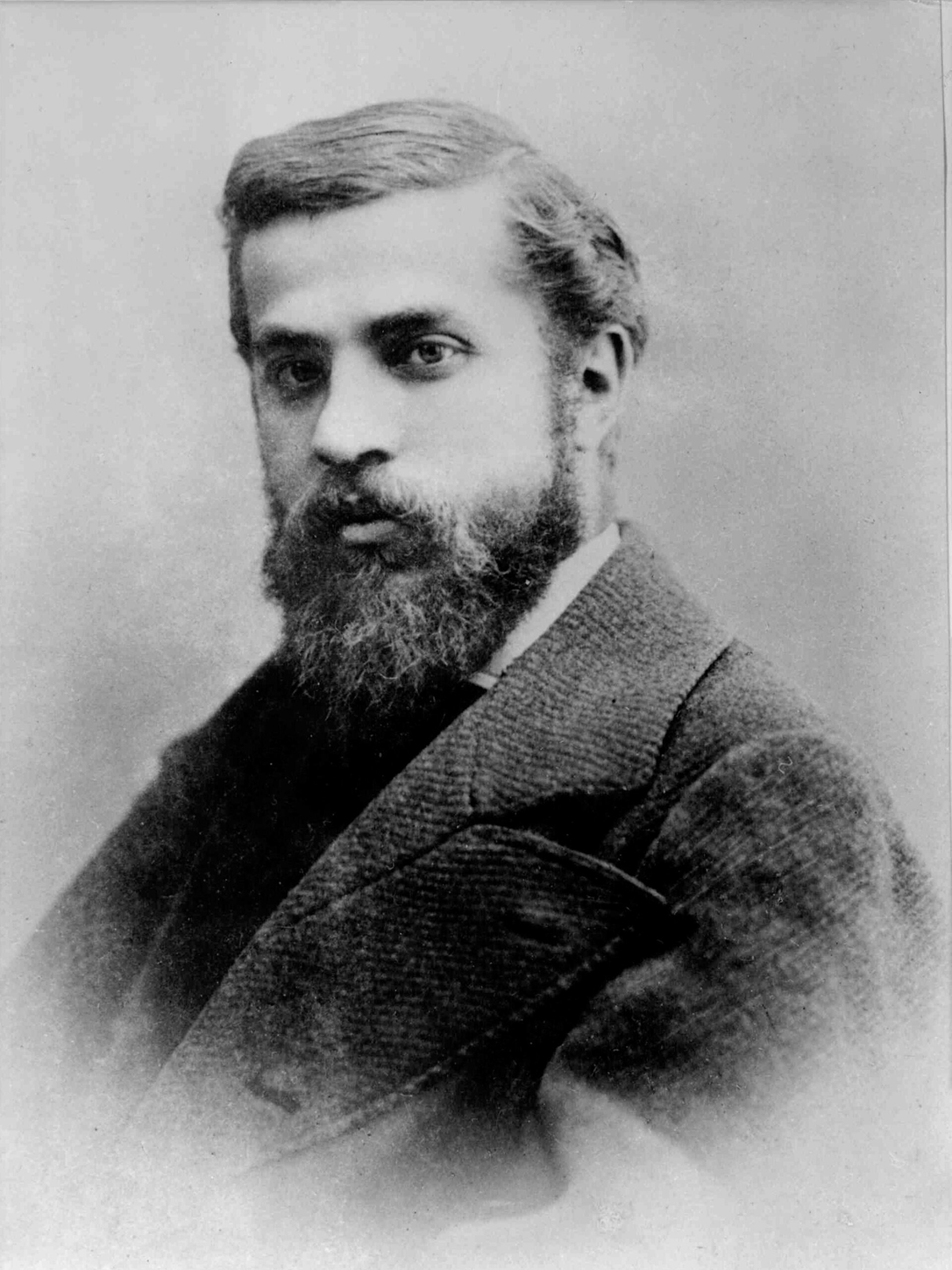
Photo: Pau Audouard Deglaire · Public domain
高迪知道自己看不到圣家堂完工。他去世一百年后的今年,它封顶了,成为全世界最高的教堂。
Sagrada Família Tops Out 100 Years After Gaudí
About this story
Sagrada Família Tops Out 100 Years After Gaudí. HSK 2 Chinese listening practice.
This is an HSK 2 Chinese listening episode that runs about 3 minutes. The full Mandarin script is shown with tap-for-pinyin and a line-by-line English translation, so you can listen and read at once — comprehensible input in the sense of Stephen Krashen's i+1 theory. It teaches 13 key vocabulary words such as 有名、一共、清楚 and walks through 3 grammar patterns, each explained in English with examples. The same news story is retold at 4 difficulty levels — use the level selector above to find the version that is challenging but still understandable for you.
Read at your level
原文Read the complete story in Chinese. Reveal pinyin and English only when you need them.
English transcript reference
In Barcelona, in Spain, there is a very famous church.
It is called the Sagrada Família.
This year, it was finally finished.
From the start of building to today: one hundred and forty-four years in all.
Here is why it took so long.
The man who made this church was called Gaudí.
He was an architect.
In 1883 he took it over. He was thirty-one that year.
He worked on it for forty-three years.
For the last twelve years he dropped everything else and worked only on this one church.
He later moved in and lived at the church itself.
There is one thing you need to know first.
Gaudí understood perfectly well: this church, he would not see in his lifetime.
It was too big. One person cannot finish it.
People said he was too slow.
He said a line that later became famous: my client is not in a hurry.
The client he meant is the one above.
In June 1926, Gaudí went out for a walk.
A tram came along and hit him.
He was dressed shabbily that day, and had nothing on him.
So the people on the street did not know him, and took him for a man with no home.
The cabs would not take him; in the end he was taken to a hospital for the poor.
Only the next day did somebody recognise him: this is Gaudí.
Three days later, he was gone.
The church, of course, was not finished.
But afterwards, other people carried on.
One year, another year, another year.
This February, the last piece of the cross was fitted to the highest tower.
That tower is one hundred and seventy-two and a half metres.
It is now the tallest church in the world.
Why one hundred and seventy-two and a half, and not a little higher?
Because the hill beside it is one hundred and seventy-seven metres.
Gaudí said: what people make must not be higher than what God made.
So he kept the tower below the hill.
On the tenth of June this year, the Pope came.
That day was exactly one hundred years after Gaudí died.
Think about it: something you cannot finish in your lifetime — would you still do it?
Listen again
Try it without the transcript and notice what sounds clearer.
What vocabulary does this episode teach?
词汇一座很有名的教堂 = a very famous church.
一共一百四十四年 = one hundred and forty-four years in all.
Gaudí 自己很清楚 = Gaudí understood perfectly well.
他这一辈子看不到 = he would not see it in his lifetime.
车都不愿意送他 = the cabs would not take him.
正好是 Gaudí 死后一百年 = exactly one hundred years after he died.
他是一位建筑师 = he was an architect.
一座很有名的教堂 = a famous church. Measure word for buildings.
最上面那座塔 = the highest tower.
装上了最后一块十字 = the last piece of the cross was fitted.
旁边那座山 = the hill beside it.
才有人认出他 = only then did somebody recognise him.
我的那一位,不急 = my client is not in a hurry.
What grammar patterns appear in this episode?
语法从……到……
"from A to B". Frames a span with both ends named.
从开始做,到今天,一共一百四十四年。
才 + verb
"only then". Marks something that came far later than it should have.
第二天,才有人认出他。
正好
"exactly, as it happens". Points at a coincidence worth noticing.
那一天,正好是 Gaudí 死后一百年。
Proper nouns
专有名词Sources
来源Free account
Keep learning from this story
Create a free account to keep saved words and your preferred level together.
- Keep words with their story context
- Remember your preferred level
- Build your vocabulary over time