
A Chinese podcast · Same story, 4 levels
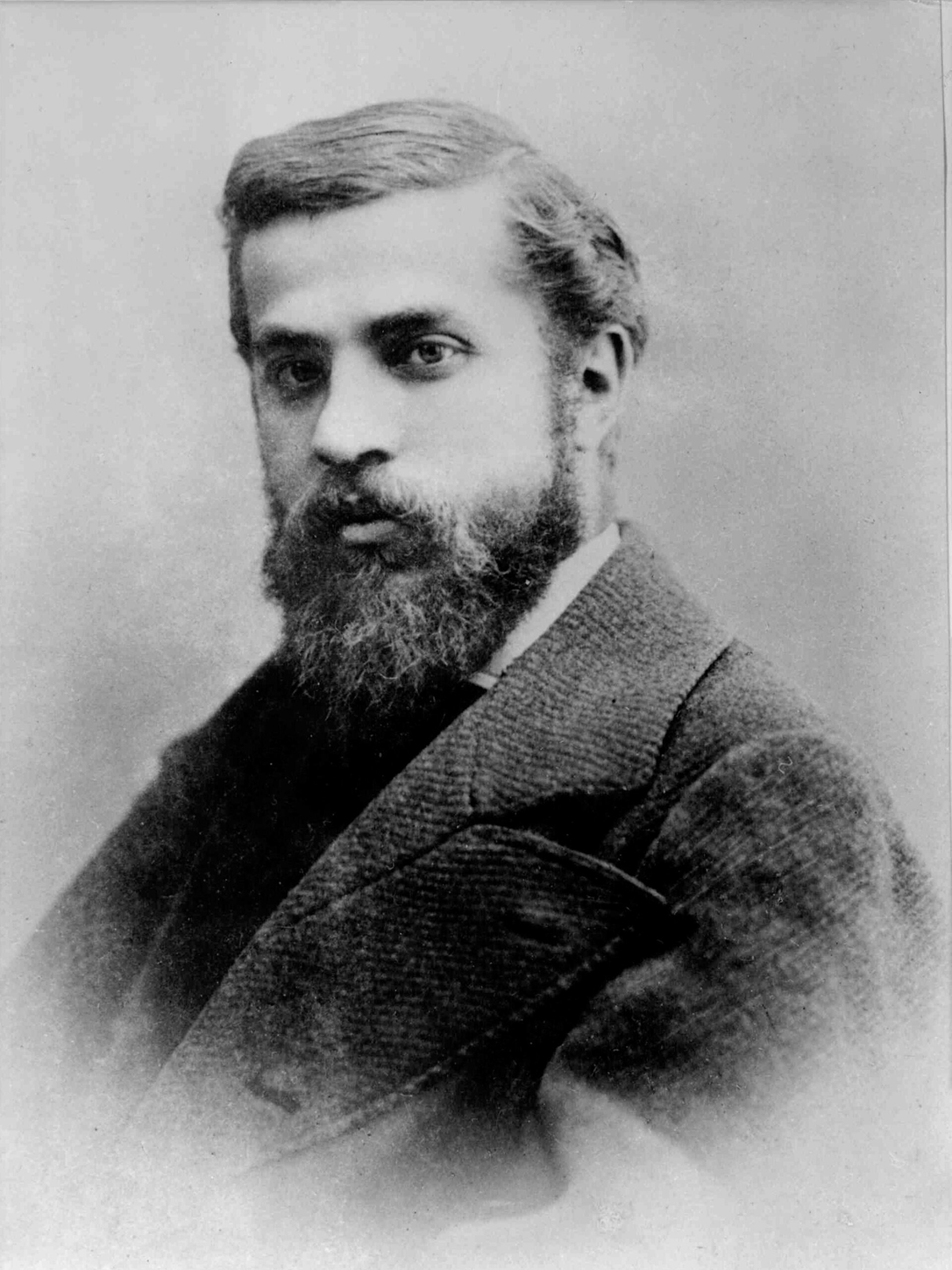
Photo: Pau Audouard Deglaire · Public domain
高迪知道自己看不到圣家堂完工。他去世一百年后的今年,它封顶了,成为全世界最高的教堂。
Sagrada Família Tops Out 100 Years After Gaudí
About this story
Sagrada Família Tops Out 100 Years After Gaudí. HSK 5-6 Chinese listening practice.
This is an HSK 5-6 Chinese listening episode that runs about 2 minutes. The full Mandarin script is shown with tap-for-pinyin and a line-by-line English translation, so you can listen and read at once — comprehensible input in the sense of Stephen Krashen's i+1 theory. It teaches 12 key vocabulary words such as 封顶、引用、重力 and walks through 3 grammar patterns, each explained in English with examples. The same news story is retold at 4 difficulty levels — use the level selector above to find the version that is challenging but still understandable for you.
Read at your level
原文Read the complete story in Chinese. Reveal pinyin and English only when you need them.
English transcript reference
This year, a church that had been under construction for one hundred and forty-four years was topped out.
It is in Barcelona, it is called the Sagrada Família, and it was designed by the architect Gaudí.
He took it over in 1883 at thirty-one, and worked on it until his death — a full forty-three years.
For the last twelve years he turned down all other work, did only this, and eventually moved onto the site to live.
He was entirely clear about one thing: this church, he would not live to see finished.
When people complained about the pace, he left behind a line that has been quoted ever since: my client is not in a hurry.
The client he meant was the one above.
His method is worth a mention.
He did not look for shapes in architectural history. He hung ropes upside down with weights on them, let gravity itself find the most efficient curve, and then looked at the photograph the other way up.
An upside-down rope, inverted, is an arch that will stand.
This is structural calculation — he simply used string instead of formulae.
In June 1926, walking on a street in Barcelona, he was knocked down by a tram.
He was dressed shabbily that day and carried no papers.
Passers-by took him for a beggar, cabs would not take him, and he was sent to a hospital for the poor.
Only the next day did anyone recognise him.
Three days later he died, and he is buried in the crypt of this same church.
The church was of course unfinished, and those who came after kept building upward from his drawings.
This February, the last section of the cross was fitted onto the highest tower.
The tower is one hundred and seventy-two and a half metres, which makes the Sagrada Família the tallest church in the world.
Why stop at that height?
Because the Montjuïc hill beside it is one hundred and seventy-seven metres.
Gaudí’s rule was that what man makes should not stand higher than what God made.
So he kept the tower below the hill, four and a half metres short — and those four and a half metres are deliberate.
On the tenth of June this year, the Pope presided over the tower’s inauguration.
That day was exactly one hundred years after Gaudí’s death.
One man started it, and a hundred years later other people finished it for him.
Think about it: something whose result you will never see — would you start?
Listen again
Try it without the transcript and notice what sounds clearer.
What vocabulary does this episode teach?
词汇一座教堂封顶了 = a church was topped out.
被反复引用的话 = a line quoted ever since.
让重力自己找出最省力的曲线 = let gravity itself find the most efficient curve.
最省力的曲线 = the most efficient curve.
最省力的曲线 = the curve that takes the least force.
他用绳子代替了公式 = he used string instead of formulae.
身上,没有证件 = carried no papers.
遗体葬在这座教堂的地下室里 = buried in the crypt of this church.
照着他的图纸,继续往上盖 = kept building from his drawings.
这四米半是故意留的 = those four and a half metres are deliberate.
由别人替他收尾 = other people finished it for him.
被一辆有轨电车撞倒 = knocked down by a tram.
What grammar patterns appear in this episode?
语法值得一提的是……
"worth mentioning is X". Opens a digression the speaker thinks earns its place.
值得一提的,是他的方法。
只不过
"it is just that". Concedes a small difference while holding the main claim.
这是结构计算,只不过,他用绳子代替了公式。
于是
"and so". Marks an action taken as a direct result of a stated principle.
于是他把塔压在山下面。
Proper nouns
专有名词Sources
来源Free account
Keep learning from this story
Create a free account to keep saved words and your preferred level together.
- Keep words with their story context
- Remember your preferred level
- Build your vocabulary over time