
A Chinese podcast · Same story, 4 levels
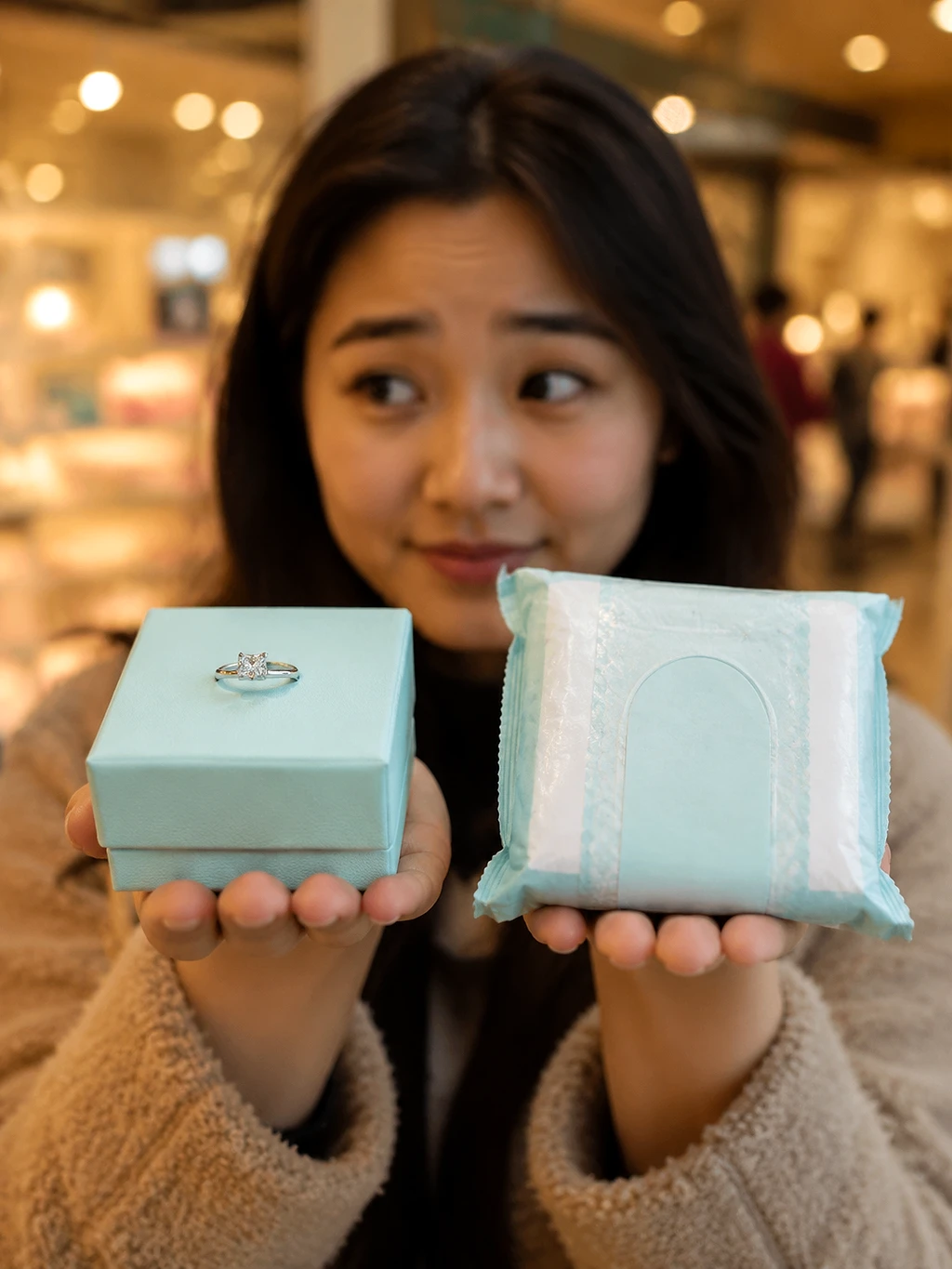
蒂芙尼和艾芙尼:两个名字,太像了
Tiffany Sues Chinese Pad Brand Alffany
About this story
Tiffany Sues Chinese Pad Brand Alffany. HSK 1 Chinese listening practice.
This is an HSK 1 Chinese listening episode that runs about 3 minutes. The full Mandarin script is shown with tap-for-pinyin and a line-by-line English translation, so you can listen and read at once — comprehensible input in the sense of Stephen Krashen's i+1 theory. It teaches 9 key vocabulary words such as 名字、东西、钱 and walks through 2 grammar patterns, each explained in English with examples. The same news story is retold at 4 difficulty levels — use the level selector above to find the version that is challenging but still understandable for you.
Read at your level
原文Read the complete story in Chinese. Reveal pinyin and English only when you need them.
English transcript reference
Today, we're talking about two companies.
One company is in America.
One company is in China.
Lots of people know this American company.
This company is called Tiffany.
The things Tiffany sells all cost a lot of money.
Even a very small thing costs a lot of money.
Many people want to buy Tiffany.
Now, let's talk about this Chinese company.
This Chinese company is called Alffany.
Listen: Tiffany, Alffany.
Aren't these two names very similar?
Listen again — they're very similar.
The two names are too similar.
So, what does Alffany sell?
Alffany sells sanitary pads.
Sanitary pads are something women use.
Tiffany and Alffany sell very different things.
One costs a lot of money, one does not.
The two companies are so different.
The names are similar, the products are not.
When Tiffany found out, it was very unhappy.
Tiffany said: your name is too much like mine.
Tiffany said: please don't use this name.
Alffany said: we're not the same.
Alffany said: I sell sanitary pads, you sell your own things.
Alffany said: I don't want to use your name.
Both companies are unhappy.
They both went to court.
In court, they decide who's right and who's wrong.
Can this name be used or not?
Right now, the court is still looking at it.
Many Chinese people are talking about this too.
Are the names alike or not?
Are the products the same or not?
You think about it too.
The two names are so, so similar.
One is a big company, one is a small company.
The names are similar, the prices are very different.
Now, they're both waiting on the court.
OK, that's it for today.
Listen again
Try it without the transcript and notice what sounds clearer.
What vocabulary does this episode teach?
词汇这两个名字,是不是很像?— Aren’t these two names similar?
卖的东西很不一样 — the things they sell are very different.
一个很小的东西,也要很多钱 — even a tiny thing costs a lot of money.
很多人都想买蒂芙尼 — many people want to buy Tiffany.
蒂芙尼知道了,很不高兴 — when Tiffany found out, it was unhappy.
Beyond HSK 1. 艾芙尼卖卫生巾 — Alffany sells sanitary pads.
Beyond HSK 1. 两个名字,太像了 — the two names are too alike.
Beyond HSK 1. What the Chinese brand Alffany actually sells.
Beyond HSK 1. 他们都去了法院 — they both went to court.
* beyond level超纲词
What grammar patterns appear in this episode?
语法是不是...?
Turns a statement into a yes/no question — "is it the case that...?"
这两个名字,是不是很像?
太 + Adj + 了
"too / extremely + adjective" — a strong degree.
两个名字,太像了。
两个公司,太不一样了。
Proper nouns
专有名词Free account
Keep learning from this story
Create a free account to keep saved words and your preferred level together.
- Keep words with their story context
- Remember your preferred level
- Build your vocabulary over time