
A Chinese podcast · Same story, 4 levels
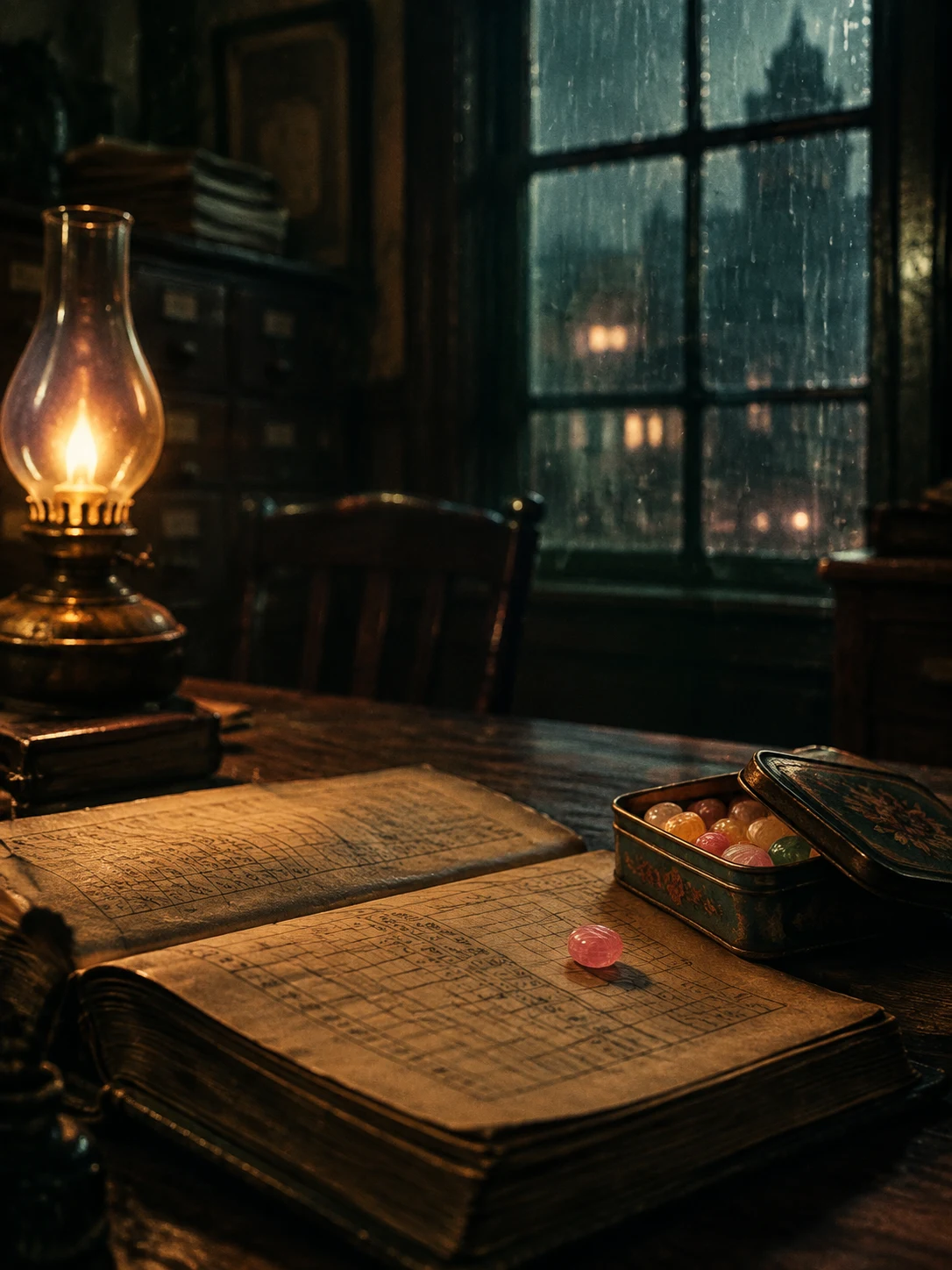
是你自己要的
You Wanted It Yourself
About this story
Mulan walks back into the place that sold her — in through the front door this time — to take the book with every child's name in it. HSK 1 Chinese listening practice.
This is an HSK 1 Chinese listening episode that runs about 5 minutes. The full Mandarin script is shown with tap-for-pinyin and a line-by-line English translation, so you can listen and read at once — comprehensible input in the sense of Stephen Krashen's i+1 theory. It teaches 12 key vocabulary words such as 糖、腿、卖 and walks through 3 grammar patterns, each explained in English with examples. The same news story is retold at 4 difficulty levels — use the level selector above to find the version that is challenging but still understandable for you.
Read at your level
原文Read the complete story in Chinese. Reveal pinyin and English only when you need them.
嬷嬷
来,来。坐这里。孩子
嬷嬷,我想睡觉。嬷嬷
你看这个。孩子
是糖。我能吃吗?嬷嬷
能。这里的孩子都吃一块。吃了糖,都有米饭吃。孩子
我要这个。嬷嬷
好。你要这个。你看,这个是你的腿。孩子
我的腿?我不要了。嬷嬷
你说了要。孩子
嬷嬷……嬷嬷
我叫人来。牧兰
我认识这里。老人
小姐,你现在有钱了。牧兰
后面那个小的,还有吗?老人
还有。小姐,那里太小,你不要去。牧兰
我小的时候,走那里。老人
那是很多年以前了。牧兰
我不走那里了。这里的孩子走。嬷嬷
谁?你……你是……不。你死了。牧兰
嬷嬷。嬷嬷
你回来了!你要我死!牧兰
你看我。我是热的。嬷嬷
你没有死。好,好。你现在有钱了。牧兰
我没有死。你认识小兰吗?嬷嬷
小……小兰……牧兰
你不认识。你卖的孩子太多了。嬷嬷
你要做什么?来人!牧兰
你叫。今天这里,没有人来。旁白
这个本子上,有这里的孩子的名字。牧兰
在这里。清峄
她没有死。牧兰
什么?清峄
我来的时候,她能说话。牧兰
我知道。男人
太冷了。你们怎么不睡觉?孩子
我们在唱。男人
这个时候唱什么?孩子
嬷嬷说我们唱得不好。她说有钱人不喜欢。她要我们多唱。男人
我看看就走。孩子
先生,你听我们唱,好吗?男人
不了,不了。孩子
先生也说我们唱得不好吗?男人
……你们唱。旁白
他们唱,再唱,再唱。牧兰在上面。男人
好了,都回去睡觉。孩子
是,先生。男人
你们都住上面?清峄
今天的事,我也有。你不说,我也不说。牧兰
你想说什么?清峄
你走的时候,她能叫人。牧兰
你怎么来了?清峄
我怎么不能来?牧兰
我是你哥哥的人。我的事,你不能说。清峄
我可以。小兰
牧兰,喝水。慢一点。牧兰
小兰,我不想吃。小兰
你吃。嬷嬷
她怎么不起床?孩子
嬷嬷,她病了!她病了!嬷嬷
病了也要起床。那家人要她。孩子
她起不来!嬷嬷
她不走,谁走?小兰
我走。嬷嬷,我走。旁白
牧兰病了。她起床的时候,小兰走了。小兰再也没有回来。同伴
嬷嬷死了。报纸上有。牧兰
我要这个。同伴
你要报纸做什么?牧兰
报纸上有,看的人很多。那家人现在不能卖这些孩子。同伴
他们要对孩子好。牧兰
买孩子的人。老爷
本子呢?下人
本子也没有了。老爷
去那里看看。昨天晚上,谁来过。塔西娅
今天没有事,和我出去。牧兰
不了。我要回去。塔西娅
那清峄呢?牧兰
我的事,不要他来。清峄
我哥哥今天有事,他来不了。老板
二少,这些衣服今天要看。你和他一样高。你可以吗?清峄
我不是他。我不想。牧兰
二少不想吗?清峄
小姐平时不想看见我。今天怎么了?牧兰
你这个月出去的钱,嫂子给你。老板
这一件,是他自己要的。清峄
小姐是有钱人家的女儿。这一件不好看。旁白
她看着他。她没有说话。English transcript reference
Come, come. Sit here.
Nanny, I want to sleep.
Look at this.
It's candy. Can I eat it?
You can. Every child here eats one. Once you eat the candy, you get rice.
I want this one.
Good. You want this one. Look — this one is your leg.
My leg? I don't want it anymore.
You said you wanted it.
Nanny...
I'll call someone in.
I know this place.
Miss, you're rich now.
That small one round the back — is it still there?
It is. Miss, it's too small, you shouldn't go there.
When I was little, I went through there.
That was many years ago.
I don't go through there now. The children here do.
Who's there? You... you're... no. You're dead.
Nanny.
You've come back! You want me dead!
Look at me. I'm warm.
You're not dead. Good, good. You're rich now.
I'm not dead. Do you know Xiaolan?
Xiao... Xiaolan...
You don't know her. You've sold too many children.
What do you want? Someone, come!
Call them. Nobody is coming here tonight.
This book has the names of the children here.
Here it is.
Why are you here?
She isn't dead.
What?
When I came in, she could still speak.
There are people downstairs. They'll come up.
I know.
It's freezing. Why aren't you asleep?
We're singing.
Singing at this hour?
Nanny says we don't sing well. She says rich people don't like it. She wants us to sing more.
I'll take a look and go.
Sir, will you listen to us sing?
No, no.
Does sir think we sing badly too?
...Sing, then.
They sang, and sang again, and again. Mulan was upstairs.
All right, all of you back to bed.
Yes, sir.
Do you all sleep upstairs?
Tonight — I was in it too. You say nothing, I say nothing.
What are you trying to say?
When you left, she could still call out.
Why did you come?
Why shouldn't I come?
I belong to your brother. What I do is not yours to speak of.
I can.
Mulan, drink some water. Slowly.
Xiaolan, I don't want to eat.
Eat.
Why isn't she up?
Nanny, she's ill! She's ill!
Ill or not, she gets up. That family wants her.
She can't get up!
If she doesn't go, who goes?
I'll go. Nanny, I'll go.
I can sing. I'll go.
Mulan was ill. When she got up, Xiaolan was gone. Xiaolan never came back.
Nanny is dead. It's in the papers.
That's what I wanted.
What do you want the papers for?
It's in the papers, and many people read them. That family can't sell these children now.
They have to be good to the children.
So who's next?
The people who buy the children.
Where is the book?
The book is gone too.
Go and look there. Who came last night?
Don't only talk to the grown-ups. Sometimes the children know a lot.
Nothing on today — come out with me.
No. I'm going back.
And Qingyi?
My business. I don't want him in it.
He says nothing, and that's good. You know me. I don't turn back.
My brother has something on today. He can't come.
Second young master, these clothes must be seen today. You're the same height as him. Could you?
I'm not him. I don't want to.
The second young master doesn't want to?
Miss usually doesn't want to see me. What's different today?
Your spending money this month — your sister-in-law will cover it.
This one he chose himself.
Miss is a rich man's daughter. This one isn't good-looking.
I want that one.
She watched him. She said nothing.
Listen again
Try it without the transcript and notice what sounds clearer.
What vocabulary does this episode teach?
词汇HSK 1. 「有时候,孩子知道很多」 — the episode's closing threat.
HSK 1. 「你认识小兰吗?」 — the question the whole scene turns on.
HSK 1. 「小兰再也没有回来」.
HSK 1 level word. The thing the matron uses to make a child choose.
What the sweet the child picked turns out to mean.
「你卖的孩子太多了」 — the charge Mulan makes, and the matron never denies it.
What she came back for: it holds the names of every child here.
The matron's first thought on seeing her face: 「你死了」.
Mulan was ill the night Xiaolan went in her place.
The children sing to the searching man, and buy her time without knowing it.
Why the death protects the children rather than endangering them.
「我是你哥哥的人」 — the one line that keeps Qingyi at a distance.
* beyond level超纲词
What grammar patterns appear in this episode?
语法「你不说,我也不说」 — 也 marks that the second clause matches the first. Qingyi uses it to tie the two of them together.
你不说,我也不说。
今天的事,我也有。
再也没有 …
'never again' — 再也 plus a negative closes a possibility for good.
小兰再也没有回来。
不能 …
'cannot / may not'. Used for both physical inability and things that are not allowed.
那家人现在不能卖这些孩子。
我的事,你不能说。
Proper Nouns
专有名词Free account
Keep learning from this story
Create a free account to keep saved words and your preferred level together.
- Keep words with their story context
- Remember your preferred level
- Build your vocabulary over time