
A Chinese podcast · Same story, 4 levels
湖北男子照盗墓小说挖古墓,被判十二年
A Hubei Man Copies Tomb-Robbing Novels and Gets Twelve Years in Prison
About this story
A man from Hubei who copied tomb-robbing novels, dug ancient tombs, and was sentenced to twelve years in prison. HSK 1 Chinese listening practice.
This is an HSK 1 Chinese listening episode that runs about 1 minute. The full Mandarin script is shown with tap-for-pinyin and a line-by-line English translation, so you can listen and read at once — comprehensible input in the sense of Stephen Krashen's i+1 theory. It teaches 12 key vocabulary words such as 看、东西、去 and walks through 4 grammar patterns, each explained in English with examples. The same news story is retold at 4 difficulty levels — use the level selector above to find the version that is challenging but still understandable for you.
Read at your level
原文Read the complete story in Chinese. Reveal pinyin and English only when you need them.
English transcript reference
The court sentenced Yu to twelve years.
Yu is a person from Hubei.
Yu likes reading novels.
A novel is a story in a book.
Some things in novels are fake.
In novels, some people dig up ancient tombs and take good things.
Yu read books to learn, and he also bought things to dig up an ancient tomb.
Yu and some people went to dig up an ancient tomb.
They dug up two ancient tombs.
The things in the ancient tombs were many years old.
Yu took away some things.
The court wanted to see what he did.
Then, the court sentenced him to twelve years.
Yu will be in prison for twelve years.
Being in prison means staying in one place; you cannot go wherever you want.
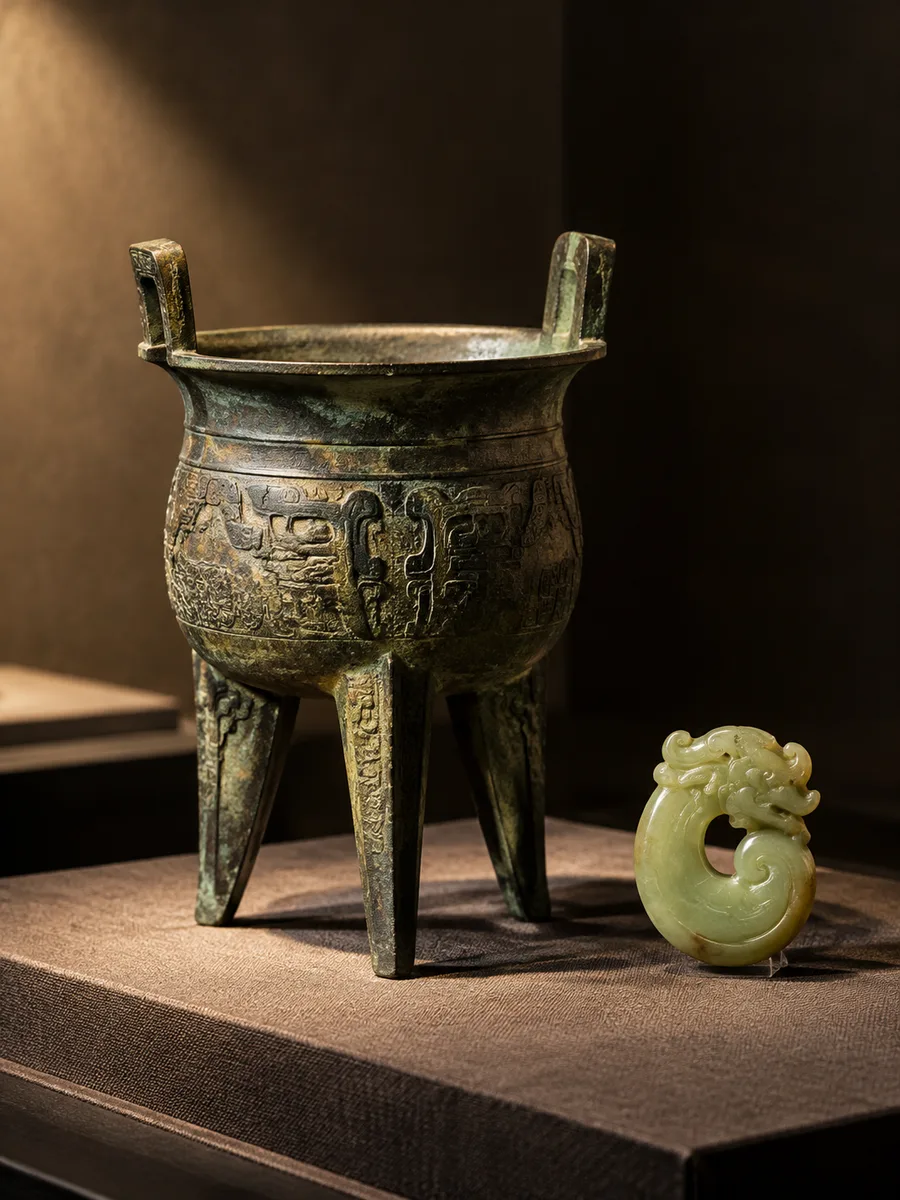
The things in the ancient tombs are cultural relics.
By looking at these things, people can know about the past.
Yu liked reading novels, but he went to dig up ancient tombs and took away cultural relics; he did bad things.
When reading books, Yu was very happy.
But reading books and going to dig up ancient tombs are not the same thing.
You read a story and also want to do it; who would you call?
Listen again
Try it without the transcript and notice what sounds clearer.
What vocabulary does this episode teach?
词汇HSK 1. Used in the script in 看书 (read books) and 看这些东西 (look at these things).
HSK 1. Appears in 拿好东西 and 古墓里的东西. Often used for physical objects.
HSK 1. Appears in 去挖古墓 and 想去哪里. Used before a place or action.
HSK 1. Appears in 一个人 and 有人. Can mean 'person' or 'people'.
HSK 1. Appears in 书里的故事 and 看书. Common in reading contexts.
HSK 1. Appears in 十二年 and 很多年了. Used for age, duration, and dates.
A story word from the script. 看小说 means 'read novels'.
A story word from the script. 挖古墓 means 'dig up an ancient tomb'.
A story word from the script. Used in 挖古墓 (dig up an ancient tomb).
A story word from the script. 古墓里的东西,是文物 means 'the things in the ancient tomb are cultural relics'.
A story word from the script. 法院判了Yu十二年 means 'the court sentenced Yu to twelve years'.
A story word from the script. 坐牢十二年 means 'be in prison for twelve years'.
* beyond level超纲词
What grammar patterns appear in this episode?
语法了 for completed action
了 after a verb shows that an action is completed or a change has happened.
法院判了Yu十二年。
他们挖了两个古墓。
Yu拿走了一些东西。
是……的 structure for identification
是……的 is used to identify or explain something, often giving a definition or category.
Yu是Hubei的一个人。
古墓里的东西,是文物。
要 + verb
要 before a verb expresses intention, need, or a future action.
Yu要坐牢十二年。
Yu看书学习,也买了东西,要挖古墓。
可是 for contrast
可是 means 'but; however' and introduces a contrast with the previous clause.
Yu喜欢看小说,可是他去挖古墓,拿走文物,做了坏事。
可是,看书和去挖古墓,不是一样的事。
Proper nouns
专有名词Sources
来源Free account
Keep learning from this story
Create a free account to keep saved words and your preferred level together.
- Keep words with their story context
- Remember your preferred level
- Build your vocabulary over time