
A Chinese podcast · Same story, 4 levels
他已经下到安全的楼层了,然后他转身又上去了:二十五年后,「红头巾的人」拿到了总统自由勋章
He Had Already Reached a Safe Floor, and He Turned Round and Went Back Up: Twenty-Five Years On, the Man in the Red Bandana Received the Medal of Freedom
About this story
Welles Crowther, 24, worked on the 104th floor of the South Tower. On 11 September 2001 he tied the red bandana his father gave him at six over his face and led people to the one passable stairwell, carrying a woman down seventeen floors and going back up again and again. Survivors knew him only as the man in the red bandana. Chinese listening practice at four levels. HSK 3 Chinese listening practice.
This is an HSK 3-4 Chinese listening episode that runs about 4 minutes. The full Mandarin script is shown with tap-for-pinyin and a line-by-line English translation, so you can listen and read at once — comprehensible input in the sense of Stephen Krashen's i+1 theory. It teaches 12 key vocabulary words such as 符号、训练、具体 and walks through 3 grammar patterns, each explained in English with examples. The same news story is retold at 4 difficulty levels — use the level selector above to find the version that is challenging but still understandable for you.
Read at your level
原文Read the complete story in Chinese. Reveal pinyin and English only when you need them.
English transcript reference
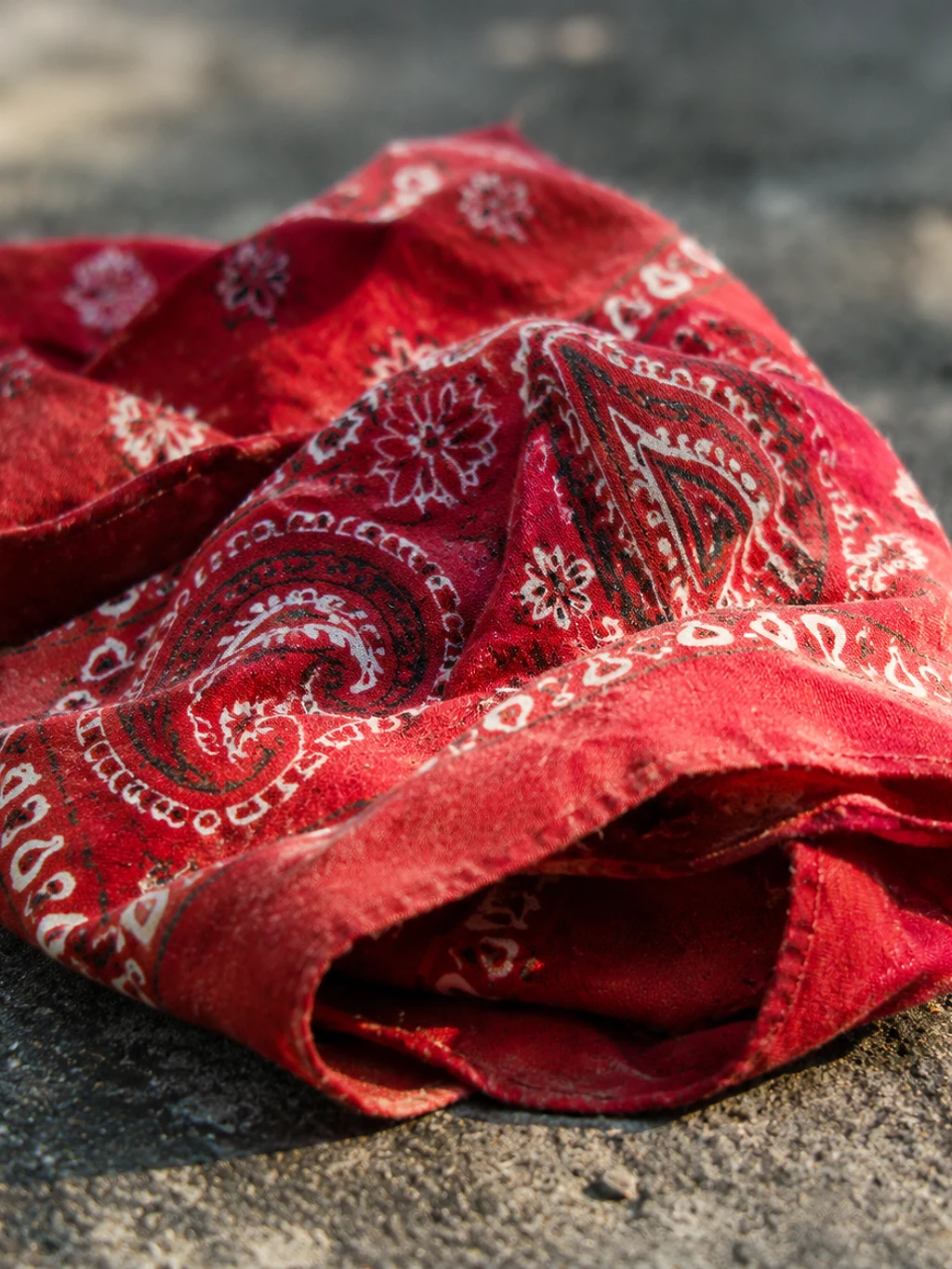
Start with an object: a red bandana.
That bandana is now a museum piece, and a symbol.
This episode is about how it became one.
Last week, the United States awarded the Presidential Medal of Freedom to a man who died twenty-five years ago.
It is the highest honour America gives a civilian.
His family collected it.
Now the man.
Welles Crowther graduated from Boston College in 1999, where he played lacrosse.
In 2001 he was twenty-four, working as an equities trader for an investment bank in New York.
His office was on the 104th floor of the South Tower of the World Trade Center.
He had one habit he had kept since childhood.
When he was six, his father gave him a red bandana.
He carried it from then on — tucked into his jersey when he played, in his suit pocket once he was working.
There is one more thing, and it bears directly on what follows.
From the age of sixteen he served alongside his father as a volunteer firefighter in his home town.
Volunteer firefighters are unpaid; they have their own day jobs and turn out when something happens.
Which is to say: he had been trained, and he knew how to move through heavy smoke.
On the morning of 11 September, the second plane struck the South Tower between floors 77 and 85.
He was on the 104th floor — above the impact.
Of all the stairwells above the impact point, only one was still passable, and at the time almost nobody knew which.
He called his mother and left a message.
Then he made his way down to the 78th-floor sky lobby.
That floor was the worst of it: people above could not get down, people on that floor did not know which way to go, and there was smoke and debris everywhere.
He took out that red bandana and tied it over his face — the smoke was so thick you could not breathe without covering up.
Then he did something very specific: he started shouting, telling everyone which stairwell was open.
He led from the front and took a group of people down.
Once he reached a safe floor, he did not keep going down.
He turned round and went back up.
There were still people up there.
He did this more than once.
On one of those trips he carried a woman who could not walk down seventeen floors, handed her to people below, and went back up again.
On the 78th floor he also helped fight fires and gave first aid to the injured.
The last time anyone saw him, he was with several New York firefighters, heading upward.
At 9:59 that morning, the South Tower collapsed.
He did not come out.
What follows is the most unusual part of this story.
For a long time, nobody knew who he was.
Survivors kept describing the same person: a young man with something red over his face, shouting in the smoke for everyone to take a particular stairwell.
Nobody knew his name. They could only call him "the man in the red bandana".
In May 2002, a survivor told the story in the New York Times.
His mother read that piece.
At the words "red bandana", she recognised her son.
Earlier than that, in March 2002, his body had been found in the South Tower lobby, alongside several firefighters.
Based on the survivor accounts we have, he helped about eighteen people that day.
All eighteen walked out of that building alive.
Since 2014, Boston College has held an annual "Red Bandana Game" where the whole crowd wears red.
Here is the point I want to make.
Leading people down the first time took courage.
But the first time is not the hard part.
He had already reached a safe floor. He already knew the exit was below him.
Turning round from that position takes something else.
And he turned round more than once.
Think about it:
You are already down. You are already safe.
There are still people up there, and you know it.
Would you go back up?
Listen again
Try it without the transcript and notice what sounds clearer.
What vocabulary does this episode teach?
词汇HSK 6. 这期讲它是怎么变成符号的 — the frame the episode announces at line three.
HSK 5. 他受过训练,知道浓烟里该怎么走 — competence, not just courage.
HSK 5. 他做了一件很具体的事 — the episode refuses abstraction at the key moment.
HSK 5. 这个动作他重复了不止一次 — the sentence the whole argument rests on.
HSK 4. 下到安全楼层之后 — the position from which going back is a new decision.
HSK 5. 第一次带人下楼,用的是勇气 — and then the episode says the second time needs something else.
America's highest civilian honour, awarded here twenty-five years after the fact.
不领工资,平时各干各的,出事的时候到场。
Above the impact, exactly one was passable — and almost nobody knew which.
Dense enough that covering your face was the difference between breathing and not.
The only people who could describe him, and they had no name to give.
他在前面带路 — the physical act underneath everything else he did.
* beyond level超纲词
What grammar patterns appear in this episode?
语法也就是说,……
Which is to say. Restates a fact in terms of what it implies — used here to turn "volunteer firefighter" into "he had training".
也就是说,他受过训练,知道浓烟里该怎么走。
不止一次
More than once. Deliberately vague about the count, which is stronger here than a number would be.
这个动作他重复了不止一次。
真正难的不是……
The hard part is not X. Redirects attention from the obvious difficulty to the real one, which is the episode's whole move.
但真正难的不是第一次。
Proper Nouns
专有名词Sources
来源Free account
Keep learning from this story
Create a free account to keep saved words and your preferred level together.
- Keep words with their story context
- Remember your preferred level
- Build your vocabulary over time