
A Chinese podcast · Same story, 4 levels
西安:十五秒
Xi'an City Wall and Its 2,000-Year History
About this story
Ride Xi'an's 13.7-kilometre Ming wall, then meet 8,000 clay soldiers whose colour starts changing 15 seconds after they leave the ground. HSK 1 Chinese listening practice.
This is an HSK 1 Chinese listening episode that runs about 3 minutes. The full Mandarin script is shown with tap-for-pinyin and a line-by-line English translation, so you can listen and read at once — comprehensible input in the sense of Stephen Krashen's i+1 theory. It teaches 8 key vocabulary words such as 城墙、兵马俑、颜色 and walks through 3 grammar patterns, each explained in English with examples. The same news story is retold at 4 difficulty levels — use the level selector above to find the version that is challenging but still understandable for you.
Read at your level
原文Read the complete story in Chinese. Reveal pinyin and English only when you need them.
English transcript reference
Today I'm in Xi'an.
Xi'an is a very old city.
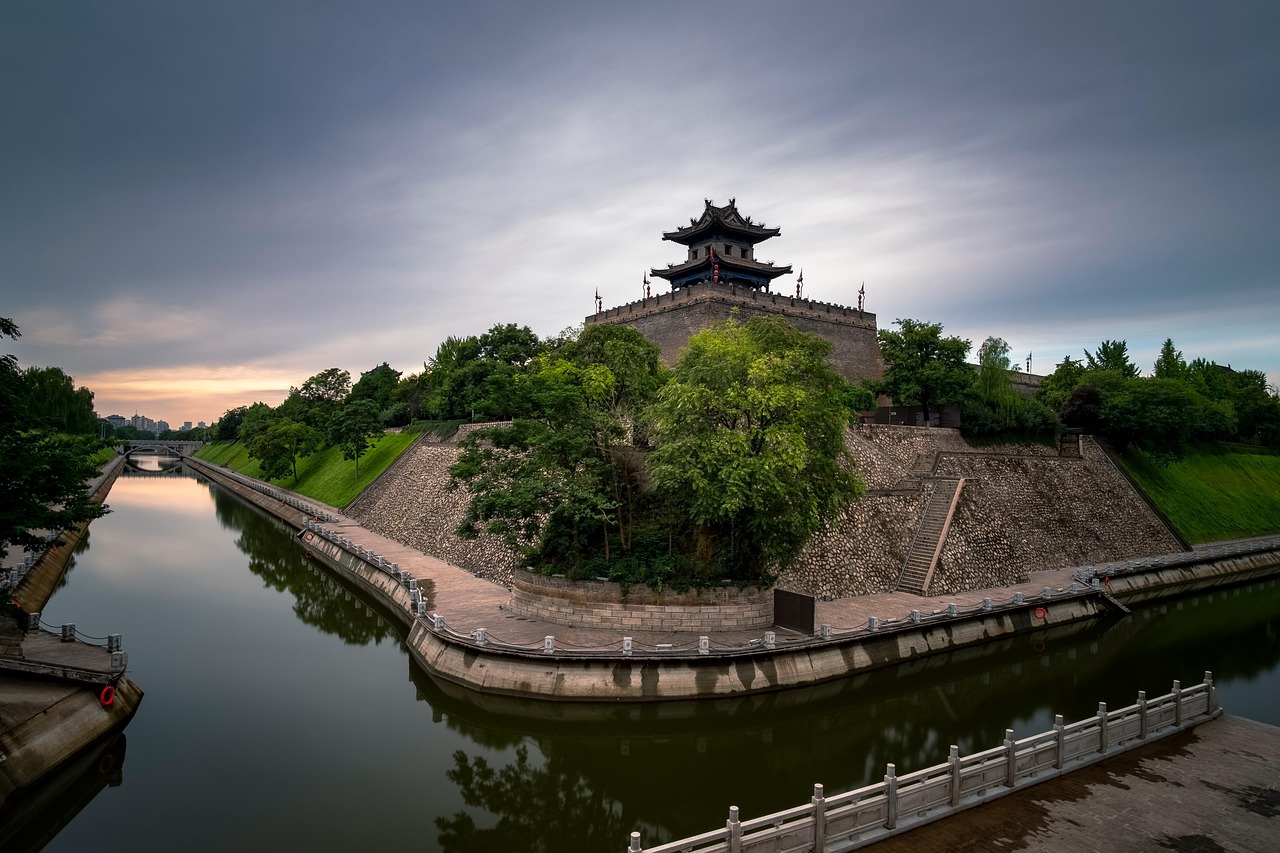
Xi'an has a city wall.
The wall is very long.
The wall is thirteen point seven kilometres.
I ride a bike on top of the wall.
The top of the wall is very wide.
It's twelve metres across up here — you can ride, and you can walk.
I rode for a long time.
A man says to me: this wall was built in 1370.
I say: 1370?
He says: yes, over six hundred years ago.
He says: under the wall, there's something even older.
He says: more than a thousand years ago, this place was called Chang'an.
Back then, the biggest city in China was Chang'an.
I look down.
The lanes on this side of the wall are small.
The roads on that side of the wall are big.
One wall, two cities.
The next day, I go to see the Terracotta Army.
The Terracotta Army isn't inside the city.
When I get there, I look down.
There are a lot of people below.
These aren't people — they're made of clay.
There are more than eight thousand of them.
They've been down there for over two thousand years.
I say: who made them?
He says: people long ago made them.
I say: who found them?
He says: in 1974, some people were looking for water here.
They found these clay people.
I say: they were looking for water?
He says: yes.
I look at these clay people.
They're all the colour of clay.
I say: were they always this colour?
He says: no.
He says: they used to have a lot of colours.
I say: where did the colours go?
He says: after they come out of the ground, in fifteen seconds the colour starts to change.
I say: fifteen seconds?
He says: yes, fifteen seconds.
Two thousand years down there — fifteen seconds out here, and it's changed.
I didn't say anything.
He says: so a lot of it still hasn't been dug up.
He says: what's underneath is still underneath.
I say: why not dig it up?
He says: if we dig it up now, the colour will change.
He says: when we can do it properly, we'll dig.
In the afternoon, I go back to the wall.
I ride again.
The wall, six hundred years.
Chang'an underneath it, over a thousand.
The Terracotta Army below that, over two thousand.
And I'm riding a bike on the very top.
Would you go and see the Terracotta Army, or ride around first and see how big this city is?
Listen again
Try it without the transcript and notice what sounds clearer.
What vocabulary does this episode teach?
词汇HSK 1. Looking down from the wall, and down into the pit.
HSK 1-2. They were looking for water, and found an army.
HSK 1. The well that produced the greatest find in Chinese archaeology.
HSK 2. What the colour does, fifteen seconds after it comes out.
13.7 kilometres around, built starting in 1370.
Over eight thousand figures, made 2,200 years ago.
They had it underground; fifteen seconds in the air took it away.
What the soldiers are made of, and the colour they are now.
* beyond level超纲词
What grammar patterns appear in this episode?
语法可以 + verb
States what is possible or permitted.
上面有十二米,可以骑车,也可以走。
…,就 …
就 marks the immediate result.
他说:出土以后,十五秒,颜色就变。
不是 A,是 B
Corrects one identification with another.
这些不是人,是土做的。
Proper nouns
专有名词Free account
Keep learning from this story
Create a free account to keep saved words and your preferred level together.
- Keep words with their story context
- Remember your preferred level
- Build your vocabulary over time