
A Chinese podcast · Same story, 4 levels
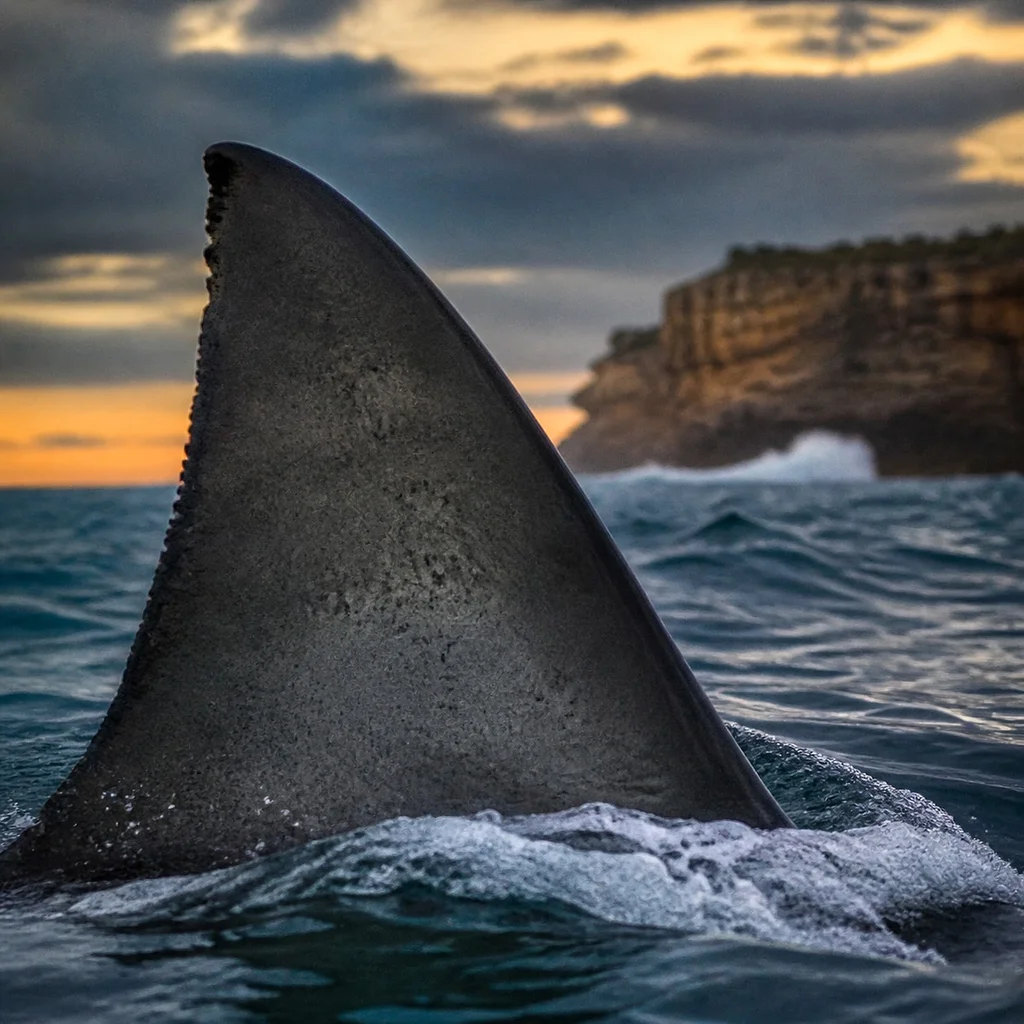
澳大利亚海边,来了一条大鲸鱼
Sperm Whale Carcass Closes Four Sydney Beaches
About this story
A simple story about a big dead whale that washed up on a beach in Sydney, Australia. HSK 1 Chinese listening practice.
This is an HSK 1 Chinese listening episode that runs about 7 minutes. The full Mandarin script is shown with tap-for-pinyin and a line-by-line English translation, so you can listen and read at once — comprehensible input in the sense of Stephen Krashen's i+1 theory. It teaches 18 key vocabulary words such as 海、大、鱼 and walks through 7 grammar patterns, each explained in English with examples. The same news story is retold at 4 difficulty levels — use the level selector above to find the version that is challenging but still understandable for you.
Read at your level
原文Read the complete story in Chinese. Reveal pinyin and English only when you need them.
English transcript reference
Xiao Ming goes to the beach.
Mom goes too.
The weather is nice today.
Xiao Ming is happy.
He loves the ocean.
The ocean is big.
The ocean is full of water.
The water is blue.
Xiao Ming wants to get in the water.
He wants to swim.
But he can't.
Why can't he?
Today you can't go in the water.
Mom says: no.
Xiao Ming asks: why?
Mom says: look.
Mom points ahead.
What's up ahead?
Up ahead, there's a fish.
Not a small fish.
A really big fish.
Very, very big.
Bigger than Xiao Ming.
Bigger than Mom.
Bigger than a car too.
How big?
It's eight meters long.
What is eight meters?
Eight meters is long.
Eight meters is longer than five meters.
Shorter than ten meters.
This big fish is called a whale.
A whale is the biggest animal in the ocean.
We call it "big fish."
Actually, it's not a fish.
It's a mammal.
But everyone calls it a big fish.
Also called a whale.
Xiao Ming says: wow!
Xiao Ming walks over.
He wants to look.
Mom says: don't go too close.
Xiao Ming says: okay.
Xiao Ming stands and looks.
This whale is big.
But it isn't moving.
It isn't moving at all.
Why isn't it moving?
Because it's dead.
Dead means it can't move anymore.
It can't breathe.
It can't eat.
It can't swim.
It just isn't alive anymore.
Why did this whale die?
We don't know either.
It died in the ocean.
Then the water carried it here.
Brought it to the shore.
Now it's on the rocks.
The rocks are hard.
The whale is big.
People can't move it.
Xiao Ming says: that's so sad.
Mom says: yeah.
Xiao Ming says: I can smell it.
Mom asks: what does it smell like?
Xiao Ming says: not good.
Very, very not good.
Very stinky.
Why is it so stinky?
Because it has been dead for a long time.
Inside it there's a lot of gas.
Gas is something you can't see.
There's more and more gas.
Its belly gets bigger and bigger.
Very, very big.
One day, it might go "pop."
"Pop" means a loud sound.
Like a balloon bursting.
Xiao Ming says: wow, will it explode?
Mom says: maybe.
So you can't go too close.
Xiao Ming says: okay.
I won't go.
Then Xiao Ming asks again.
Can't I go in the water either?
Mom says: no.
Today the water is dangerous.
Why dangerous?
Because there are sharks in the water.
What are sharks?
Sharks are also big fish.
Real fish.
But their teeth are big.
And there are many teeth.
They are hungry.
They smell the whale.
So they all came.
Swimming back and forth.
Eating this whale.
There are many sharks.
There are great white sharks.
And other sharks too.
All big sharks.
People can't go in the water.
Going in the water is too dangerous.
Sharks will bite people.
Xiao Ming says: I won't go.
Xiao Ming listens to Mom.
He left.
He walks back.
He stays far away from the whale.
Today he can't swim.
Today he can't go in the ocean.
But it doesn't matter.
Today he can still take a look.
He can also take photos.
He can also learn something new.
What did Xiao Ming learn today?
He learned the word "whale."
Whales are big.
A whale is an animal.
He also learned "shark."
Sharks are dangerous.
He also learned one more thing.
When you see a dead animal,
don't go too close.
Why?
Because it's not safe.
And it stinks.
And it might explode.
Xiao Ming remembered.
Mom is happy.
Now let's talk about a real story.
This story is real.
It happened just a few days ago.
The place is a country.
This country is called Australia.
Australia is far away.
There are a lot of seas there.
One day,
a dead whale arrived at the beach.
It was eight meters long.
It was twenty-five tons heavy.
That's like thirty small cars.
Very, very heavy.
People can't take it away.
People can't move it either.
It's still there now.
The sea there has four beaches.
All four beaches are closed.
No one can go in the water.
Because there are sharks in the water.
Also because the whale is too big.
Also because the smell is too bad.
People are waiting.
Waiting for what?
Waiting for someone to figure out a plan.
What can be done?
Maybe push the whale back into the sea.
Maybe take the whale somewhere else.
But it takes time.
Right now, everyone is waiting.
Xiao Ming finishes listening to Mom.
He nods.
He says: I get it.
I learned a lot today.
Xiao Ming is a good boy.
Mom is happy.
The two of them go home.
Back home.
Xiao Ming tells Dad.
Dad says: good.
Dad says: you're really smart.
Xiao Ming smiles.
He's happy today.
Even though he couldn't go in the water,
he learned something new.
New things are also good things.
Listen again
Try it without the transcript and notice what sounds clearer.
What vocabulary does this episode teach?
词汇HSK 1. 海 = sea. 海边 = seaside. 大海 = the open sea. The whole story happens at the 海边.
HSK 1. The most basic adjective for size. 大鱼 = big fish. 很大 = very big. Used over 30 times in this episode.
HSK 1. 一条鱼 = one fish (measure word 条 for long things). The episode keeps calling the whale 大鱼 = 'big fish' before introducing 鲸鱼.
HSK 1. 妈妈 explains everything to 小明. Pair with 爸爸 (dad).
HSK 1. 你看 = look! 看一看 = take a quick look. The mom keeps telling Xiao Ming 看一看 (just look) instead of 走太近 (go too close).
HSK 1. 想 + verb = want to V. 小明想下水 = Xiao Ming wants to get in the water. Also means 'think'.
HSK 1. 好 = good. 不好 = not good. As a one-word reply: 'okay.' 小明说:好 = Xiao Ming says: okay.
HSK 1. 他喜欢海 = he likes the sea. Used for things you enjoy.
HSK 1. 走 = walk. 走太近 = walk too close. 别走太近 = don't go too close — the mom's main warning in this episode.
Beyond HSK 1. 鲸 (whale) + 鱼 (fish). The episode glosses it inline: 鲸鱼就是海里最大的动物 = a whale is the biggest animal in the sea. Keyword of the whole episode.
Beyond HSK 1. 鲨 (shark) + 鱼 (fish). The reason the beaches are closed. Note: 大白鲨 = great white shark.
HSK 4 but introduced inline: 死了就是不能动了 = 'dead means it can't move anymore.' Central to the episode.
HSK 4. 我闻到了 = I smell something. 闻到 = smell + 到 (perception complement).
HSK 5. The opposite of 香 (fragrant). 非常臭 = very stinky. The mom uses it to explain why you can't go near the whale.
Beyond HSK 1. 气 (gas) + 球 (ball). The story compares the whale's belly to a 气球 because both can pop.
HSK 4. 很危险 = very dangerous. The opposite is 安全 (safe).
HSK 2. 一个国家 = one country. The story takes place in a 国家 called Australia.
Beyond HSK 1. 海 (sea) + 滩 (shore). Specifically a sandy/rocky beach. The story has 四个海滩 (four beaches) closed.
* beyond level超纲词
What grammar patterns appear in this episode?
语法X 比 Y + Adj (comparison)
A 比 B + adjective = A is more X than B. The basic comparison structure.
比小明大。
比汽车也大。
八米比五米长。
因为 ... + clause
Because + reason. At HSK 1 level often used alone (without 所以).
因为它死了。
因为水里有鲨鱼。
因为不安全。
想 + Verb (want to V)
Modal of desire: 想 + verb = want to V. Subject + 想 + verb.
小明想下水。
他想游泳。
他想看。
X 就是 Y (definition)
The teaching pattern. Used to define a new word inline using simpler words.
鲸鱼就是海里最大的动物。
死了就是不能动了。
气就是看不见的东西。
越来越 + Adj (more and more)
越来越 + adjective = increasingly X. Describes a state that keeps changing.
气越来越多。
肚子越来越大。
把 + Object + Verb (BA construction)
把 fronts the object so the verb can carry a result/disposal. 'Took A and did Y to it.'
水把它送来。
也许把鲸鱼推回海里。
也许把鲸鱼送去别的地方。
虽然 ... 但是 ...
Concession structure. The 但是 clause is the main point.
虽然不能下水。
但是他学了新东西。
Proper nouns
专有名词Free account
Keep learning from this story
Create a free account to keep saved words and your preferred level together.
- Keep words with their story context
- Remember your preferred level
- Build your vocabulary over time