
How to Understand Native-Speed Mandarin Listening
Native-speed Mandarin is not one number, but the fastest audio we measure runs 218 to 249 characters a minute: the official HSK 5 recordings and Fluentide's Advanced stories. Beginner stories run 160. You close that gap by replaying one story at rising speeds, and moving up a level only when the transcript stops helping.

Founder of Fluentide · Native Mandarin speaker · Schwarzman Scholar at Tsinghua University
Updated October 2026
On this page
How fast is each level, measured?
Speed climbs with every level, and the exam audio is not slow: the official HSK 4 recordings already run about 200 characters a minute. Our stories keep pace with it. From Elementary up they run at or above the exam audio of the same level; only Beginner is slower.
| Level | Our stories | Official HSK audio |
|---|---|---|
| Starter · HSK 1 | no story level | 161 |
| Beginner · HSK 2 | 160 (149–170) | 182 |
| Elementary · HSK 3 | 194 (187–201) | 196 |
| Intermediate · HSK 4 | 222 (211–233) | 195–203 |
| Advanced · HSK 5+ | 249 (242–257) | 218–229 |
Characters per minute (digits count as 2), pauses between sentences included, same for both columns. Ours: median with the middle 80% in brackets, from the subtitle timings of the newest 80 episodes at each level, measured 2026-10-25. Exam: the median item in the official HSK 3.0 sample papers. HSK 6 is left out: it has no story level and no comparable exam measurement. See the HSK 4 page for how.
Why fast audio is hard even when you know the words
Faster speech leaves less time per word. A 100-character passage lasts 38 seconds at Beginner speed and 24 at Advanced speed, with the same words to catch.
- Beginner · HSK 238 s
- Elementary · HSK 331 s
- Intermediate · HSK 427 s
- Advanced · HSK 5+24 s
Chinese is written without spaces and spoken without gaps, so at speed you find word boundaries by sound alone. A word you only know from the page is hard to catch by ear. That is why the fix is more listening to words you already half know, not only faster audio.
Hear the same story at two speeds
One story, written twice: Beginner (HSK 2) and Advanced (HSK 5+). Play the slower one, then the faster one. Play opens the full player with the script and English.
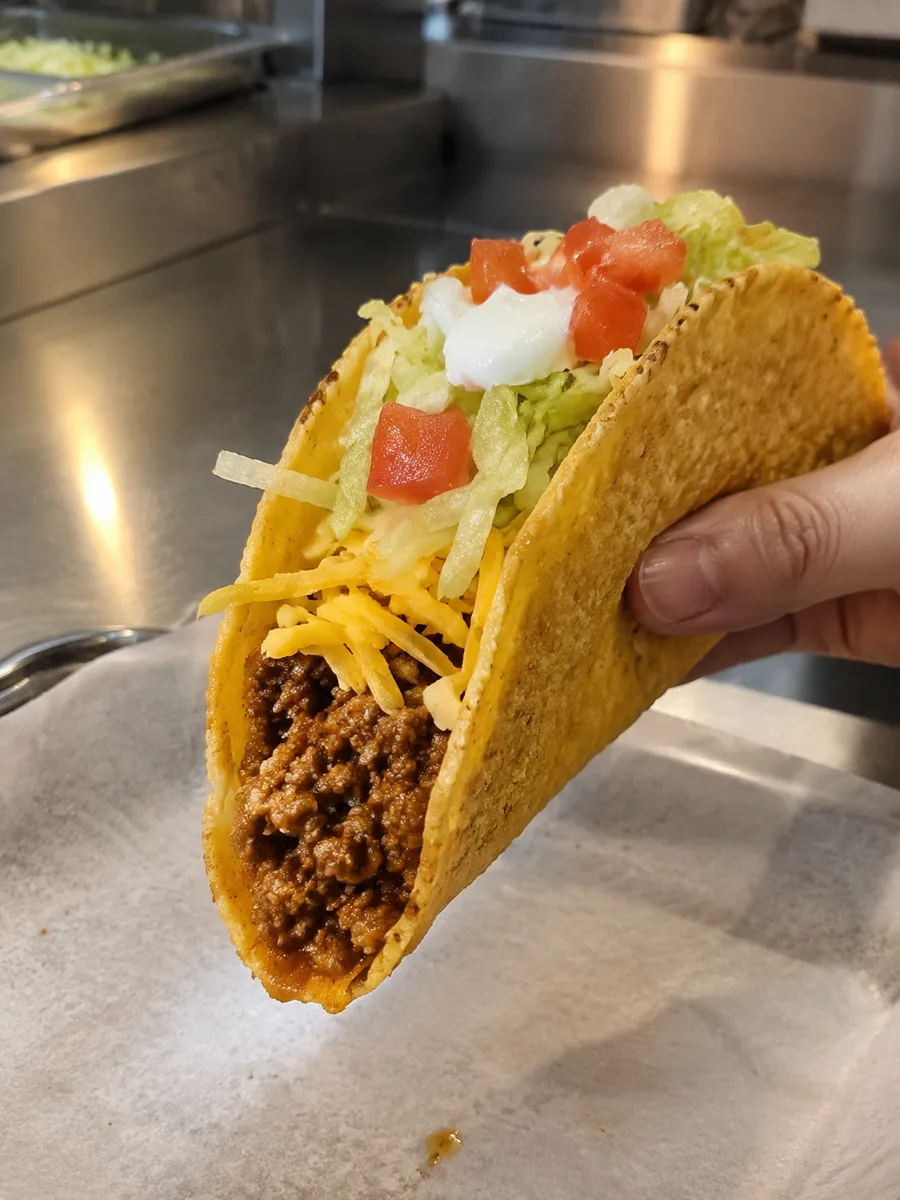
Top Chefs Cook Fine Food and Reach for Taco Bell After Work
名厨做高档菜,下班后却爱吃塔可钟
How to close the gap
Pick a level where you know most of the words
You should catch the gist on the first listen. If you catch less than half, go down one level; speed is not your problem yet.
Listen three times
Once with no text, once with the Chinese transcript, once with no text again. The third pass is where you hear the words you only knew from reading.
Move up when the transcript stops helping
When you rarely need the second pass, go to the next level. Each level adds about 25 to 35 characters a minute, so Intermediate stories already run faster than the HSK 4 exam.
Test yourself on exam audio
A mock listening test plays once, at exam speed, with no pause button. It shows what your ear does without help.
Check yourself against the exam
Frequently asked questions
Practise at your speed
The method in practice
Four speeds, one story, a transcript when you need it
Every Fluentide story comes at four levels. Start where you catch most of it and step up as the audio gets easy.