

HSK 6: Word List, Test Format & Free Audio
HSK 6 is the top of the ladder — near-native listening, 5,000+ words, literature, formal essays, and layered argument.
Audio is native speed, same pool as HSK 5. Every story also exists at easier levels if you want to preload the topic first.
By Haoshan Hong · Native Mandarin speaker · Updated July 2026
Listen to an HSK 6 story
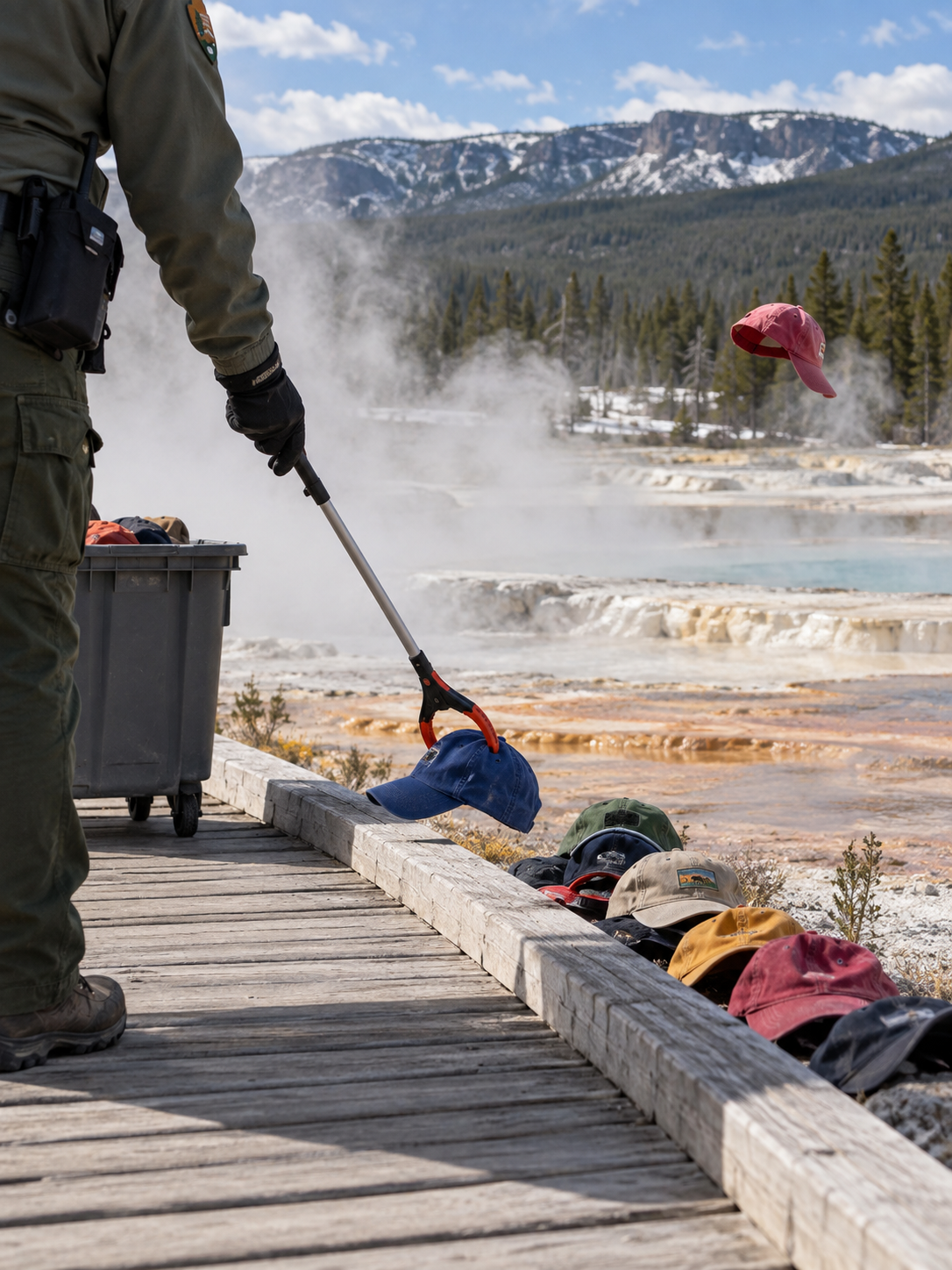
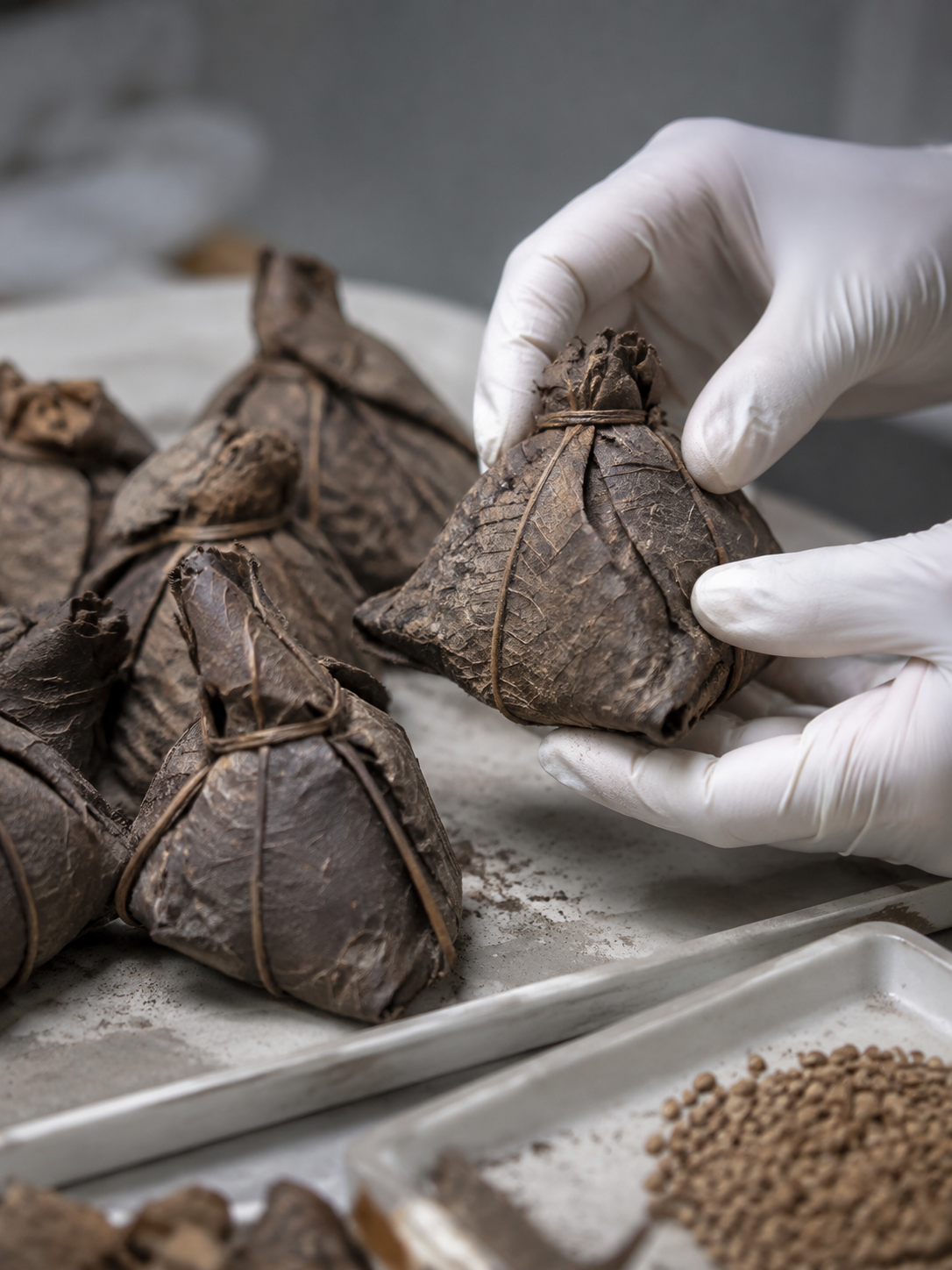
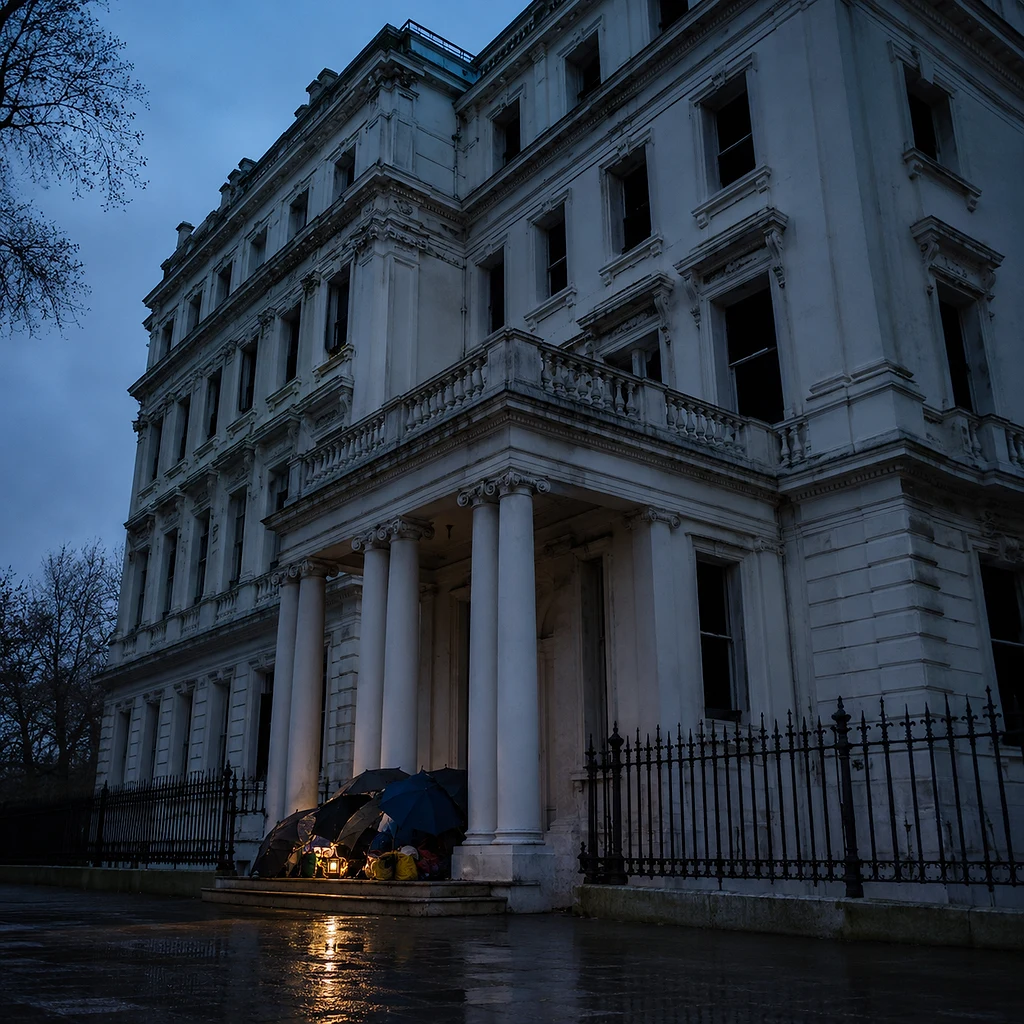
黄石公园热泉区清出280多顶帽子
Yellowstone Finds Over 280 Hats in Hot-Spring Areas
1 min
Is HSK 6 considered fluent in Chinese?
HSK 6 is the old six-band top and the usual “advanced Mandarin” credential. You can read modern newspapers, follow lectures, present in Mandarin, and write a short summary.
It is not native. Classical Chinese, dialects, deep culture, and fast slang still take more time. Many employers want HSK 6 plus a year or two in a Chinese-speaking place. From zero, plan on roughly 2,000 hours — often 4-6 years part-time.
Not sure HSK 6 is your level? Find out in 3 minutes
A two-round placement test maps you to the right HSK band — tap the words you know, then spot the fakes we made up. We tune every Fluentide episode to your level.
What does HSK 6 listening practice look like?
Fully native speed (220+ characters per minute), academic and literary language, chengyu, and real accents. Infer unknown words without slowing down.
Stories are 5-10 minutes of business, academic, and literary Mandarin. English is a last resort. About 300-500 hours at this level is typical for the listening paper.
- Speed
- 220+ characters per minute — fully native broadcast pace with natural contractions and regional accents.
- Vocabulary cap
- ~5,000 cumulative HSK 1-6 words plus chengyu (成语) and suyu (俗语) inline, often with cultural references.
- Format
- Long-form 5-10 minute episodes: business news, academic analysis, literary criticism, technical commentary.
Hear HSK 6 at this speed on Fluentide. Stay in the band and press play.
The full HSK 6 library — 243 episodes at this level — is further down this page.
HSK 6 test format: sections, questions, pass mark
HSK 6 has 101 questions — 50 listening, 50 reading, 1 writing. You need 180 / 300 to pass, and the paper runs ~140 min.
Listening alone is 50% of the questions. Speaking is not tested at any HSK level — that is a separate exam, the HSKK.
HSK 6 word list: how many words and which ones
HSK 6 assumes 5,000 cumulative words — about 2,500 of them new at this level. The list is published, so the target is finite: you can see exactly what you need.
Words appearing in Fluentide's HSK 6 episodes right now:
The full HSK 6 word list
All 5,000 words with pinyin and English, grouped so you can see what is new at this level.
How long does HSK 6 take? Hours, months, and pass marks
Estimated input hours and time to pass at daily 30-minute vs 60-minute practice pace, calibrated against FSI Category IV (Mandarin) and reported learner outcomes. Your row is highlighted.
| Level | Vocabulary | Input hours | Daily 30 min | Daily 60 min | Pass mark |
|---|---|---|---|---|---|
| HSK 1 | ~150 | 75-100 | 3-4 months | 1.5-2 months | 120 / 200 |
| HSK 2 | ~300 | 150-200 | 6-9 months | 3-5 months | 120 / 200 |
| HSK 3 | ~600 | 300-450 | 12-18 months | 6-9 months | 180 / 300 |
| HSK 4 | ~1,200 | 600-900 | 24-36 months | 12-18 months | 180 / 300 |
| HSK 5 | ~2,500 | 1,100-1,500 | 36-60 months | 18-30 months | 180 / 300 |
| HSK 6 | 5,000+ | 2,000-2,200 | 60+ months | 30+ months | 180 / 300 |
Estimates assume daily practice and English-speaker baseline (FSI Category IV). Total hours include all input modalities (listening, reading, study); 30/60-minute cells reflect time to pass assuming consistent daily practice from zero.
243
Episodes
279
Words
77
Grammar
Where HSK 6 Sits in the HSK Ladder
What to Expect at HSK 6
You can understand
long-form journalism, graduate-level lectures, literary criticism, business analysis, and sophisticated argument when you know the domain.
You will still struggle with
dialect-heavy speech, deep classical allusion, highly specialized fields, live debates, and jokes built on cultural memory.
Practice target
use Mandarin to learn other subjects, not just learn Mandarin, while keeping up with native-speed argument structure.
Best Fluentide mode
use the HSK 5-6 advanced tier for native-speed volume and treat English as a backstop for dense passages only.
You are ready for HSK 6 if...
HSK 6 Practice Specs
Vocabulary Range
5,000+ words. Each episode introduces vocabulary appropriate for this level with pinyin and usage notes.
Speech Speed
Full native speed, 220+ characters per minute, with natural elision and contractions. Audio is generated with natural-sounding TTS calibrated for this proficiency level.
Recommended Study Time
This level is designed for learners with 3+ years of study. Listen for 30-60 minutes daily for best results.
Fluentide Audio Tier
HSK 6 uses the HSK 5-6 tier. Each episode includes Chinese script with pinyin, line-by-line English translation, vocabulary list, and grammar explanations.
Topics Covered at HSK 6
Key Grammar at HSK 6
Literary Chinese expressions (书面语)
Classical particles in modern register
Highly compressed written-style syntax
Sophisticated rhetorical devices
Multi-clause subordination
Regional accent recognition
HSK 6 Listening Exam Tips
Read Chinese literature and listen to its audiobook readings
Train on long-form (10+ minute) lectures without translation
Practice identifying implicit argument structure across paragraphs
Learn classical idioms by ear, then look up the source story
The method in practice
Fluentide HSK 6 episodes meet you exactly at this level
Every HSK 6 episode uses only HSK 6-band vocabulary at the right pace for this proficiency tier. Full transcripts, pinyin toggle, line-by-line English translation. Five free episodes after a one-tap magic-link sign-in — no password, no payment.
HSK 6 Listening Episodes (243)
HSK 6 page, HSK 5-6 audio tier
You are on the HSK 6 page. Fluentide's advanced audio tier covers HSK 5-6, so the browser below is labeled HSK 5-6; the guidance here focuses on the HSK 6 milestone.
HSK 1 Chinese listening episodes


































































































































































































































HSK 2 Chinese listening episodes

HSK 3–4 Chinese listening episodes
Showing 12 of 242
HSK 5–6 Chinese listening episodes
Showing 12 of 243
Other HSK Levels
Save your HSK path
Create a free account to keep your HSK 6 listening plan
You can use this HSK 6 guide without signing up. Register when you want Fluentide to remember your level, keep the next HSK 5-6 episode ready, and resume transcript, vocabulary, and audio progress where you stopped.
- Save your level
- Keep a level-matched episode queue
- Resume transcript and audio progress