Explore China through Mandarin stories
Walk Beijing hutongs, Dunhuang desert roads, West Lake at dusk, and Harbin's frozen river through ten Mandarin audio stories. Each has English support, so you can explore the place and follow the language.

Founder of Fluentide · Native Mandarin speaker · Incoming Schwarzman Scholar at Tsinghua University
Updated July 2026
Ten cities across China
Select a city to see what the story is about. Tiffany dots have audio available now.
Listen to a city story now
These cities have complete audio stories with Mandarin narration, synced transcript, pinyin, and English translation. Four listening levels are available for each -- choose the one that lets you follow comfortably.
Ten cities worth knowing
The collection covers China's geography from north to south, coast to interior, ancient capitals to frontier oases. Each city was chosen because it has a story that cannot be told from anywhere else.

Northern China
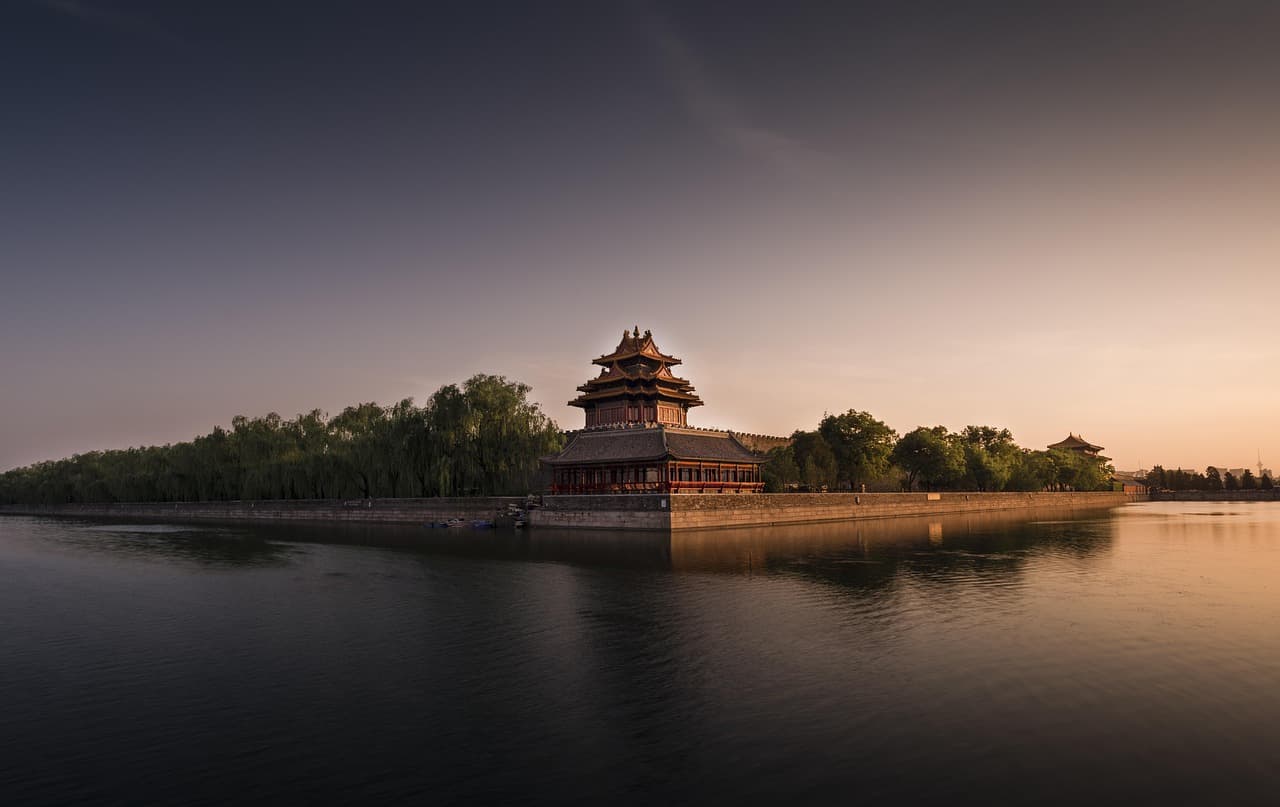
Beijing 北京
The imperial capital, still legible in its bones
- A 700-year-old north-south axis still organizes the city -- Bell Tower to Forbidden City to Tiananmen
- Every district name encodes its history: 朝阳 (facing the sun), 东直门 (east straight gate)
- One story follows a visitor through the Forbidden City's nested courts to Jingshan Park
- Hutong breakfasts before the crowds arrive
You will hear: Gate names, palace logic, and morning life in the hutongs
Listen to the Beijing story
East China
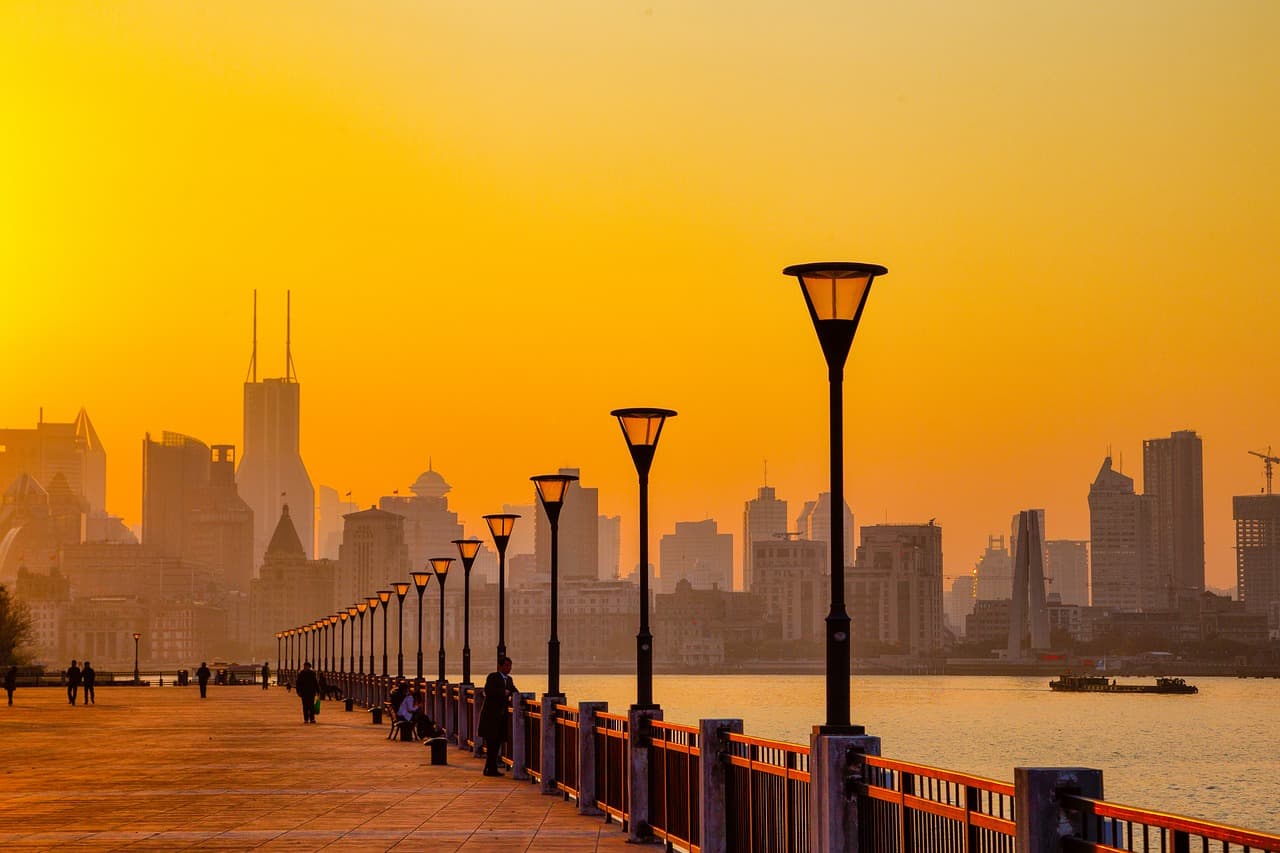
Shanghai 上海
One river, two cities, a hundred years of ambition
- The Bund faces Pudong across the Huangpu -- 1930s trading houses vs. towers built in 30 years
- A two-yuan ferry crossing holds the city's whole twentieth century in twelve minutes
- Lane-house breakfasts in the old French Concession still run on a different clock
- The city is both historical argument and live experiment at the same time
You will hear: The Bund, Pudong's towers, morning ferry crossings, and lane-house breakfasts
Audio story coming soon
East China
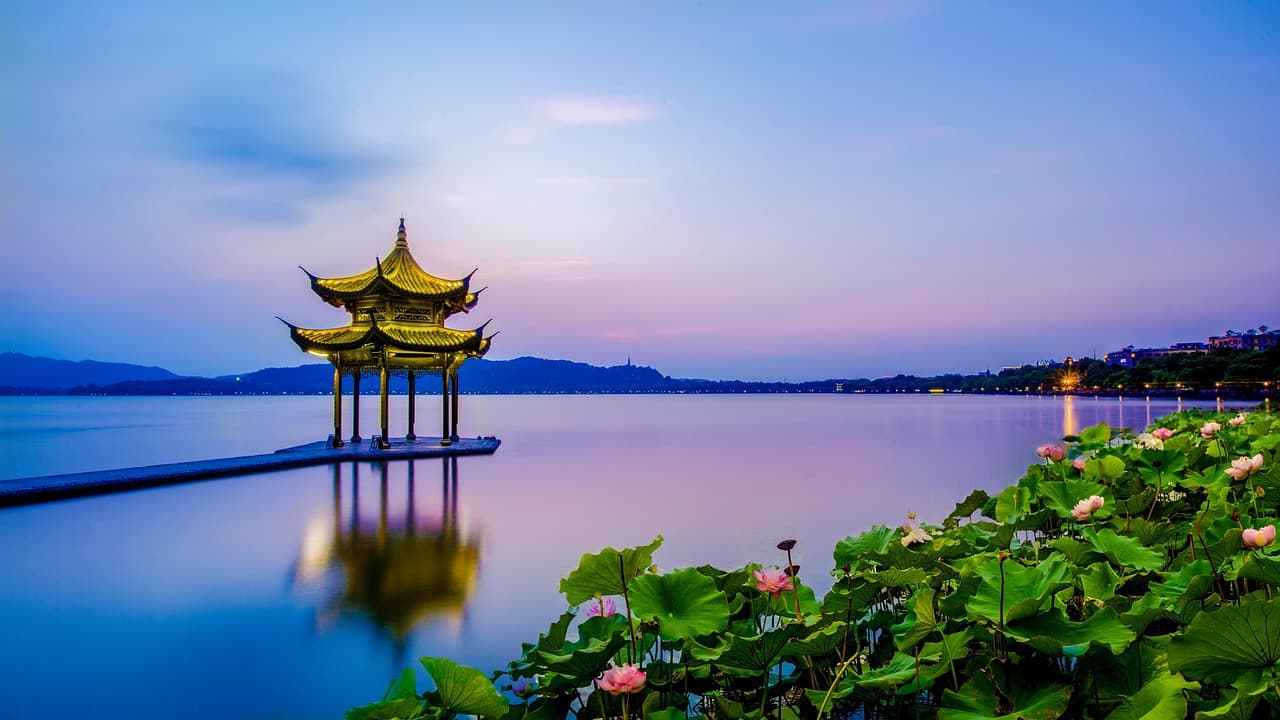
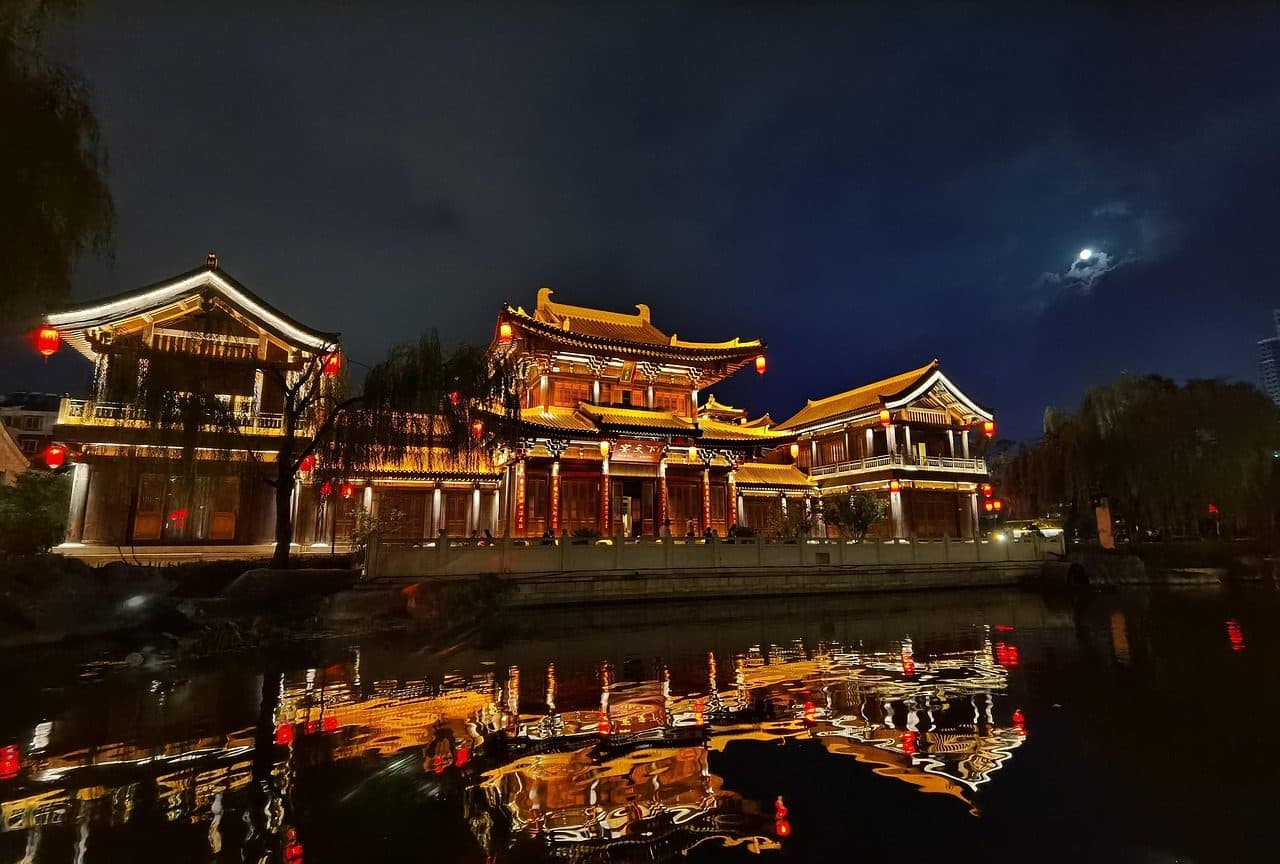
Hangzhou 杭州
The lake the poets wouldn't stop writing about
- West Lake has been called paradise since the Song dynasty -- the description held
- Stone causeways built under Su Dongpo and Bai Juyi still cross the water
- Longjing tea gardens begin at the lake's edge and climb into the hills
- Alibaba was founded here; the lake has not noticed
You will hear: West Lake causeways, Longjing tea gardens, rain on water
Audio story coming soon
Northwest China
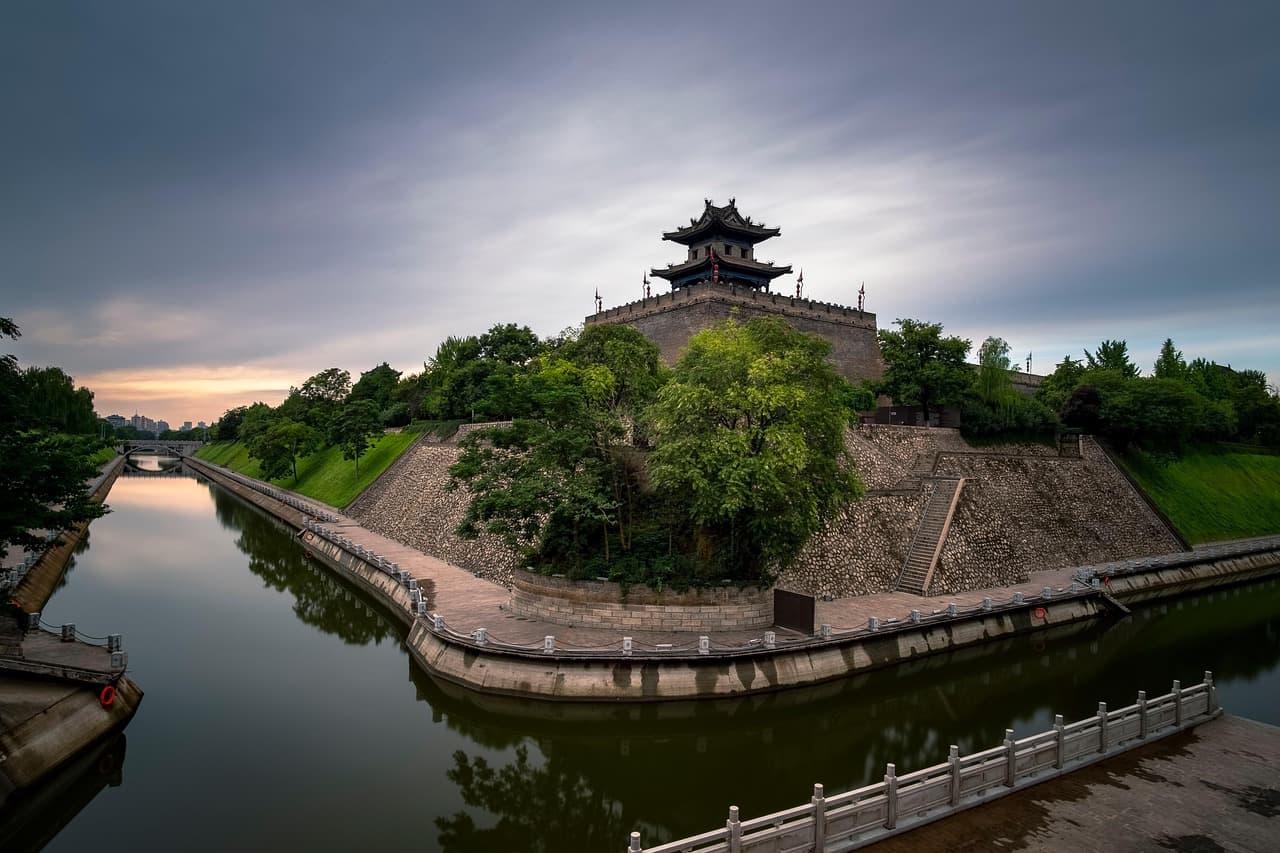
Xi'an 西安
The city where China's history is the street you're walking on
- Chang'an was the Tang dynasty capital and eastern end of the Silk Road
- The Ming city wall still encloses the center -- rent a bicycle and ride the top
- The Muslim Quarter near the Drum Tower traces merchants who arrived 1,000 years ago
- 8,000 terracotta soldiers buried two kilometers outside the modern city, unnoticed for two millennia
You will hear: The city wall, the Muslim Quarter at night, the Terracotta Army's scale
Audio story coming soon
Northwest China
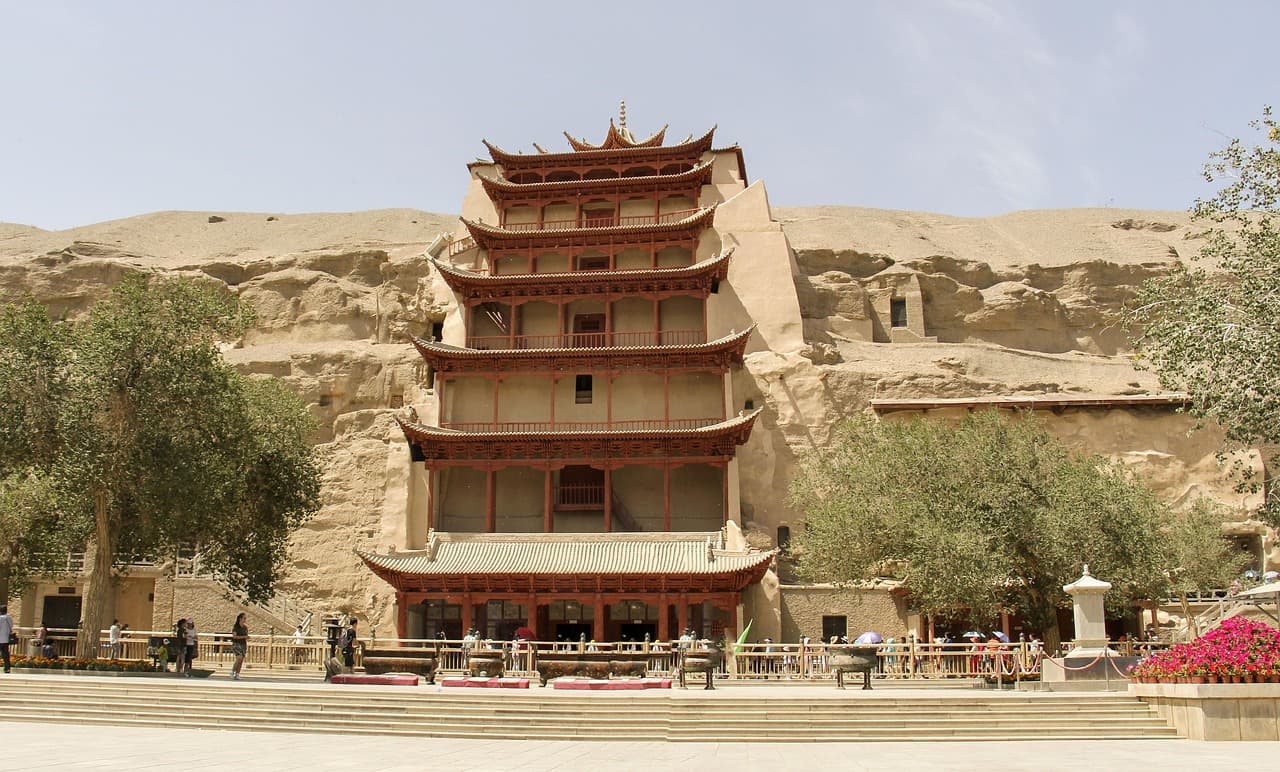
Dunhuang 敦煌
Where the Silk Road stopped to rest, and left its art
- An oasis on the Gobi's edge -- the last water before the desert crossing
- The Mogao Caves hold 45,000 sq m of murals painted over 1,600 years
- Merchants, monks, and pilgrims from across Asia left paintings and manuscripts here
- The singing sand dunes rise at the oasis edge; the caves are cut into the cliff behind
You will hear: Desert arrival, singing sand dunes, and 1,600 years of cave paintings
Listen to the Dunhuang story
Southwest China
Chengdu 成都
The city that taught China how to slow down
- Mahjong in the park on weekday mornings; tea houses full by nine
- 麻辣 (numbing-spicy) is its own flavor category and Chengdu invented it
- 20 million people, unhurried -- the local term is 慢生活, slow life
- Panda base in the morning, hotpot at midnight, snack alley in between
You will hear: Tea house mornings, Sichuan pepper heat, and a city that is in no hurry
Audio story coming soon
Southwest China
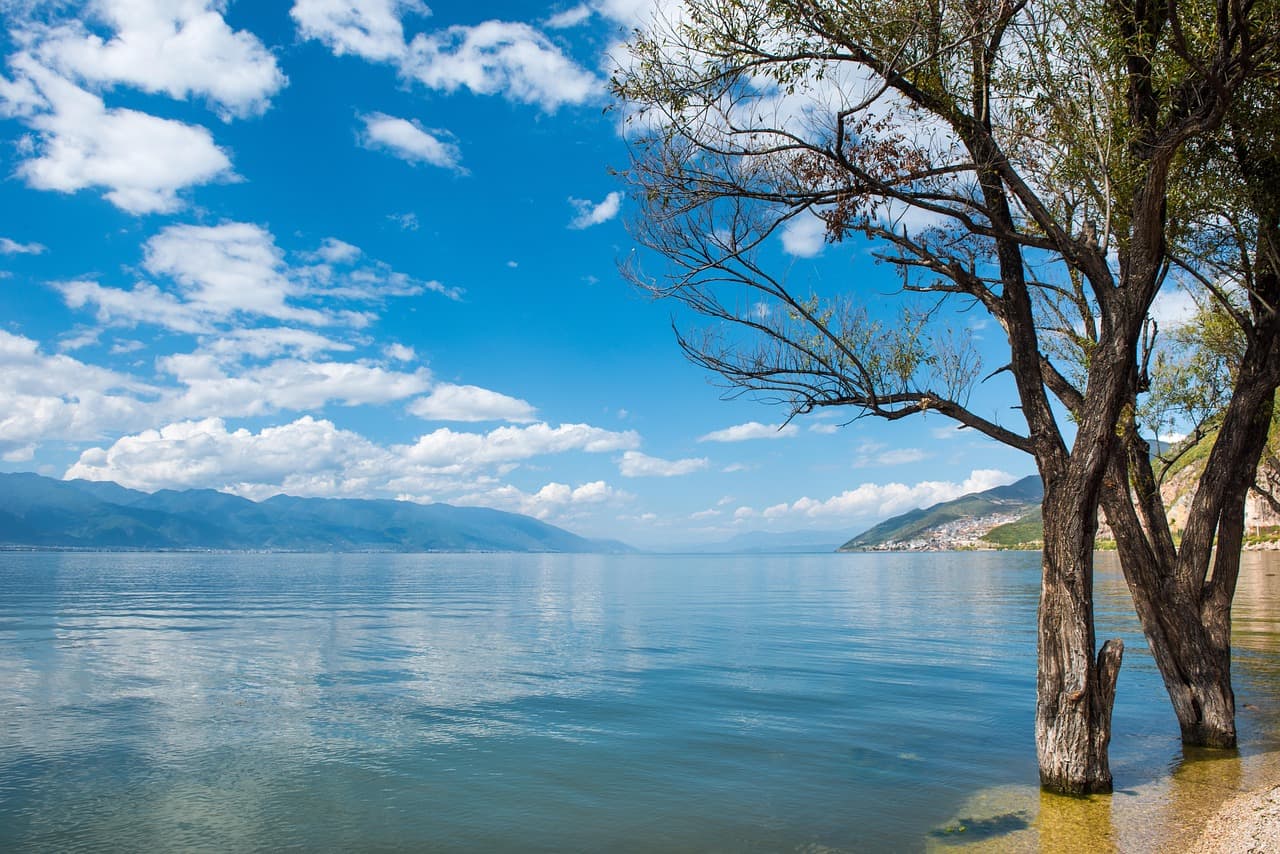
Dali 大理
Mountain, lake, old town, and the rhythms of Bai life
- Cangshan Mountain on one side, Erhai Lake on the other -- the valley frames everything
- The Bai people have run the markets and guest houses here for 3,000 years
- Tang-era old town layout, three pagodas, lakeside villages along a single road
- A morning market, a lake trip, and a tea house above town with the whole valley visible
You will hear: Cangshan snow above, Erhai Lake below, and a market that has run for centuries
Audio story coming soon
Tibet
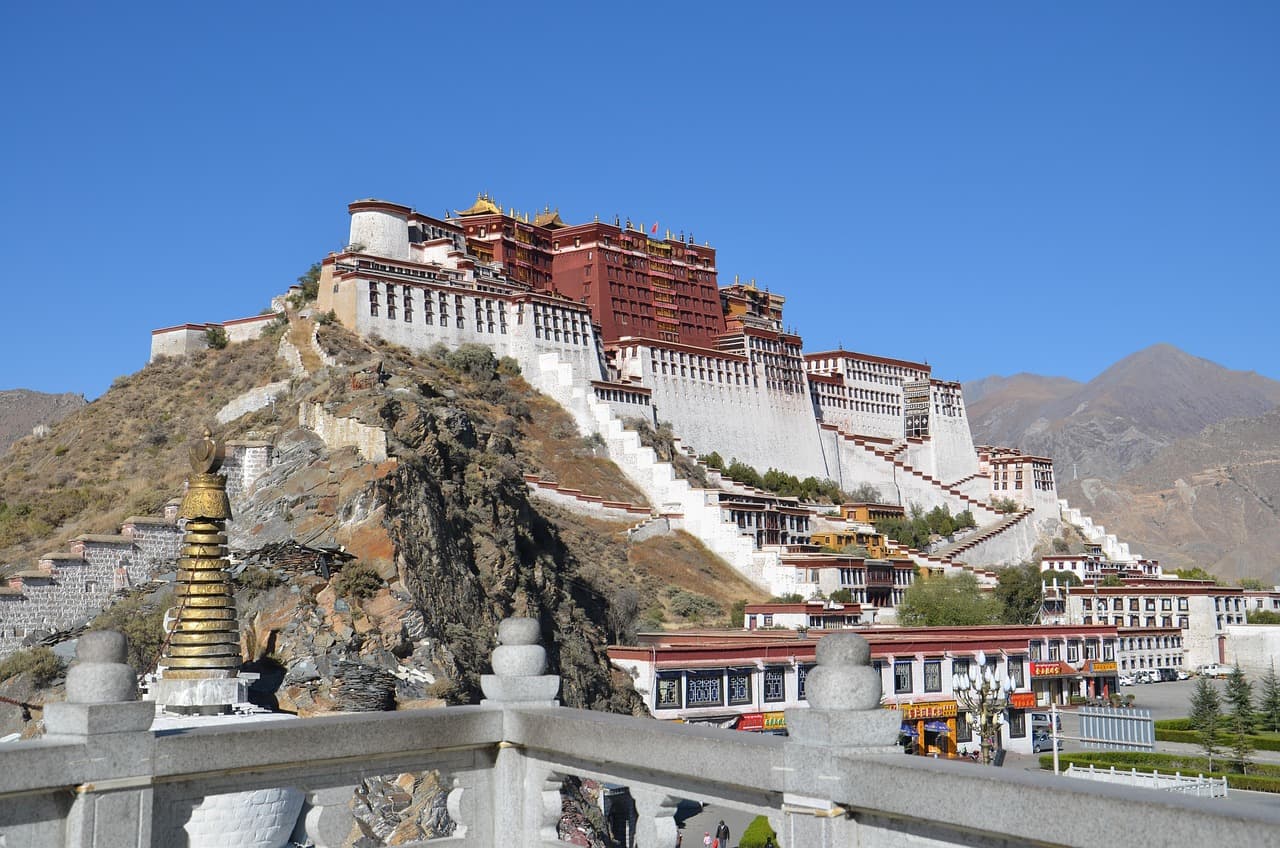
Lhasa 拉萨
High plateau, pilgrimage routes, and a city that asks you to move more slowly
- 3,650 meters above sea level -- the altitude changes how you walk, eat, and breathe
- Pilgrims complete the Barkhor circuit around the Jokhang Temple at all hours
- The Potala Palace is best seen at dawn from the viewing square before the crowds
- Butter tea at a family restaurant; one story, one route, one visitor's three days
You will hear: Altitude at 3,650m, Barkhor circuit pilgrims, and the Potala at dawn
Audio story coming soon
South China
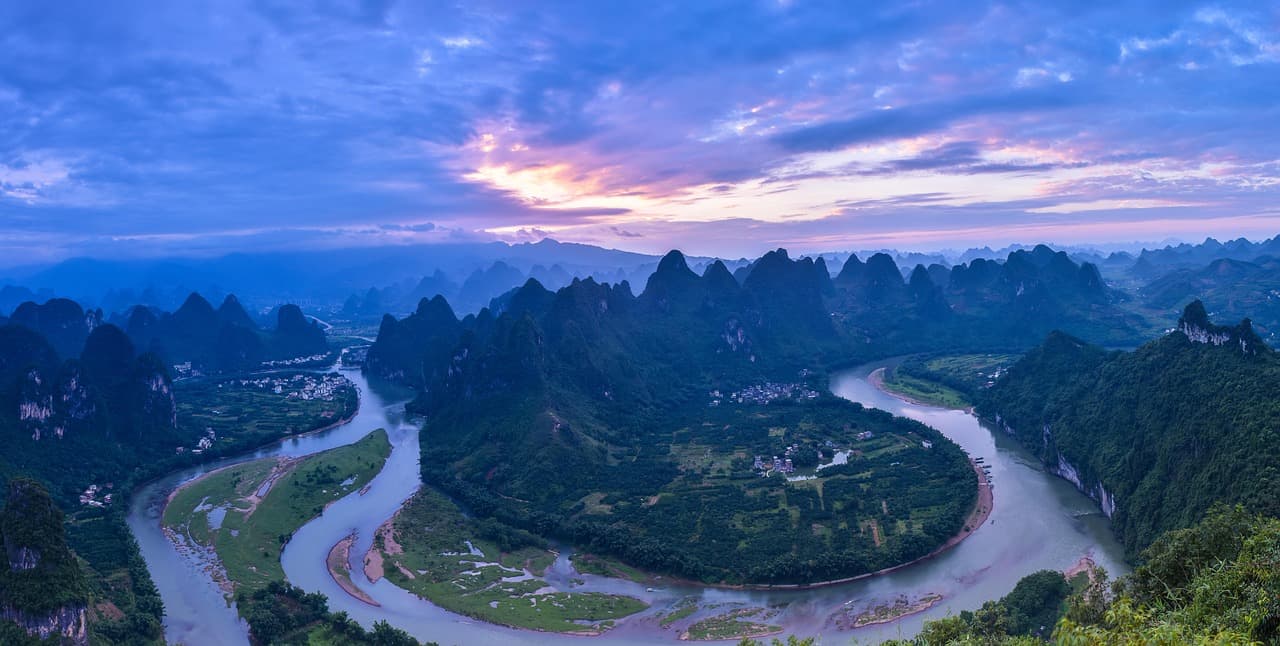
Guilin 桂林
The landscape on every Chinese painting you have ever seen
- Limestone peaks rise from flat paddy fields along the Li River -- exactly like the ink paintings
- Cormorant fishermen work the shallows at dusk; villages appear along the banks
- Bamboo raft from Guilin to Yangshuo, stopping at villages; the landscape is the whole story
- Yangshuo: a small market town surrounded by peaks, bicycle through rice fields, night market by the river
You will hear: Li River karst peaks, cormorant fishermen, and Yangshuo village life
Audio story coming soon
Northeast China
Harbin 哈尔滨
Where winter is the season, not a hardship to endure
- January: minus 20 degrees, the Songhua River frozen solid enough to drive on
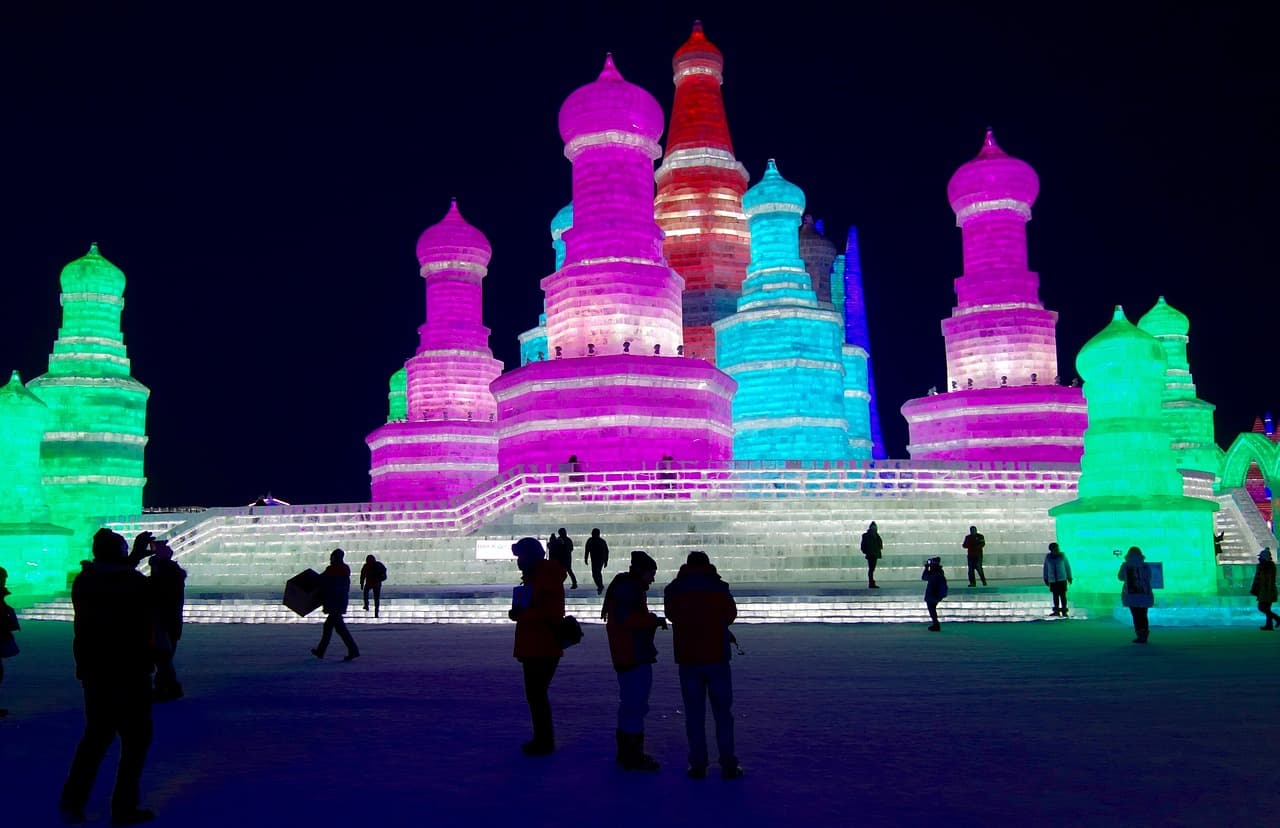
- Ice and Snow Festival since 1963 -- towers and bridges carved from river ice, lit from inside at night
- Onion-domed Orthodox churches and Russian-influenced architecture along Zhongyang Street
- Northeastern food: hearty stews and dumplings after eight hours outside in serious cold
You will hear: Songhua River ice, Russian-style buildings, and a city that invented the ice lantern
Audio story coming soonQuestions
What are the best Chinese cities to visit for first-time travelers?
Beijing and Xi'an are the most common starting points -- Beijing for its imperial history and hutong neighborhoods, Xi'an for the Terracotta Army and the Muslim Quarter. Dunhuang is smaller but extraordinary: the Mogao Caves and the Mingsha sand dunes make it unlike anywhere else in China. Each of these cities has an audio story on Fluentide that walks you through the highlights in Mandarin with English support.
How do I learn Chinese place names and pronunciation before visiting China?
The most natural way is to hear them spoken in context. These audio stories use the real Mandarin names -- 北京 (Běijīng), 敦煌 (Dūnhuáng), 桂林 (Guìlín) -- throughout the narration, so by the time you finish a story you have heard the city name dozens of times. Each transcript includes pinyin so you can connect the sound to the spelling.
What is the best way to learn about Chinese culture before a trip?
Reading and listening to stories set in real places gives you cultural context that a guidebook cannot. These stories follow a person through a specific neighborhood on a specific day -- a morning in a Beijing hutong, an evening walk along the Shanghai Bund -- so you absorb how daily life, food, architecture, and history fit together naturally.
Can I learn Mandarin while learning about Chinese cities?
Yes, and the two reinforce each other. Vocabulary learned in context -- hearing 胡同 (hútòng) while walking through a Beijing alley in a story -- sticks far better than a flashcard. Each story has four Mandarin levels: beginner versions weave in key Chinese words with English, while advanced versions run in full Mandarin. You can switch levels at any time.