Shanghai Travel Guide: Bund, Pudong Skyline, Old Lane Houses
Updated
The best view in Shanghai costs 2 yuan. It is the public ferry across the Huangpu River, from the 1920s banks of the Bund to Pudong, the district of towers on the east bank.
There is a short audio story about Shanghai in Mandarin, with English alongside. No Chinese needed for the beginner version. Jump to the storyA short history of Shanghai
Shanghai was a river port and a cotton town until 1843, when the treaty that ended the First Opium War opened it to foreign trade. Britain and America ran the International Settlement along the river, and France ran its own concession beside it. Within a few decades the riverbank had filled with banks and trading houses, and by the 1930s Shanghai was one of the largest cities in the world.
In 1990 the government opened Pudong, then mostly fields and warehouses, for development. Thirty years later it has China’s tallest building.
The Bund
外滩 Wàitān
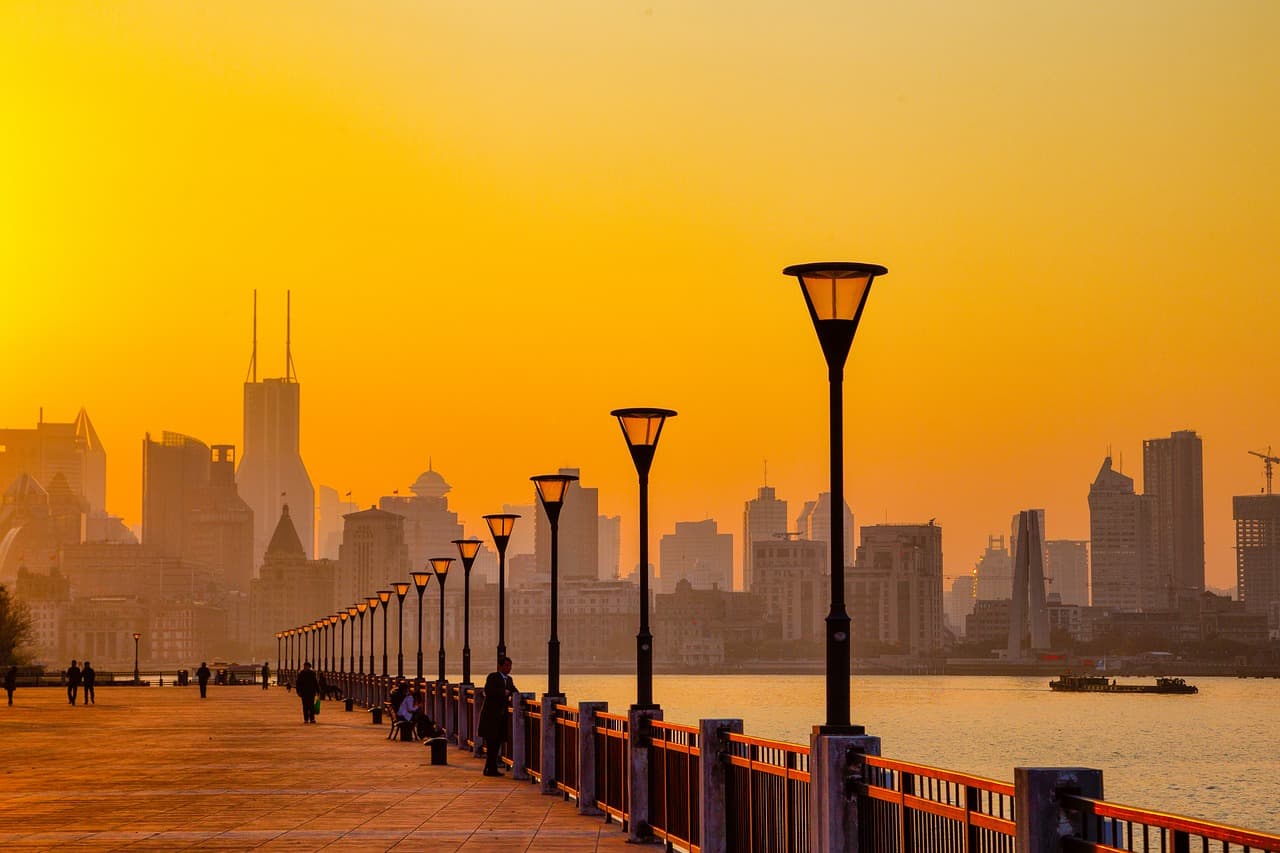
The Bund is the kilometre and a half of riverfront where the old trading houses stand: banks, hotels and a customs house, built between the 1890s and the 1930s. You walk it on a raised promenade with the river on one side and the stone façades on the other. Across the water is Pudong: the Oriental Pearl Tower, the Jin Mao Tower, the World Financial Center and the 632-metre Shanghai Tower.
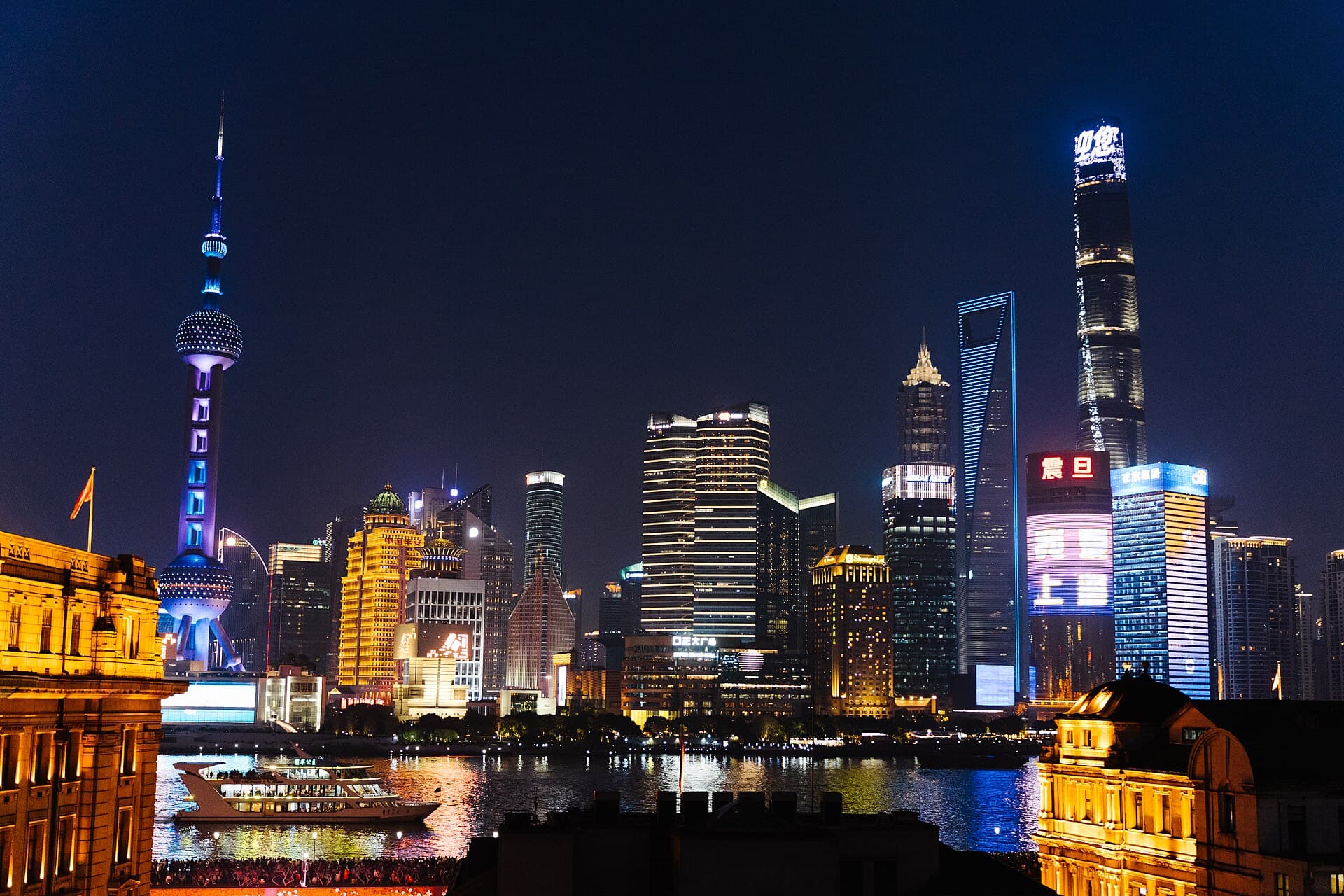
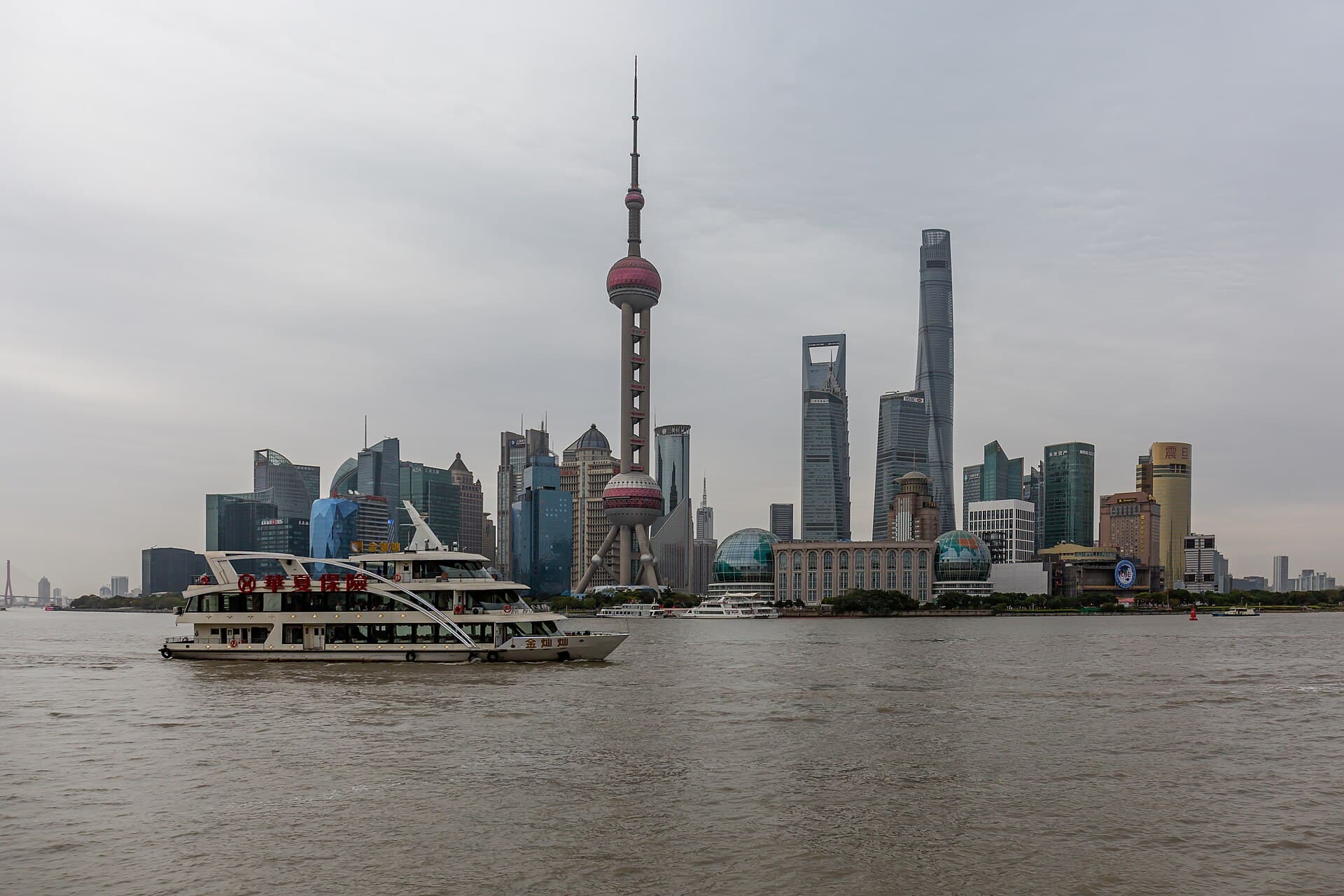
Go twice: once in daylight to look at the buildings, once after dark when the towers light up and the crowds come out. Then take the ferry across. It is the cheapest thing you will do in Shanghai and the best way to see both banks at once.
How to visit the Bund
- 1
Book a tower slot first
The Bund is free; a tower deck is the one thing to book. Trip.com and Klook take a foreign card and your passport details, and you show the passport at the door. The Shanghai Tower deck is about 180 yuan. The World Financial Center’s is lower, and the view back to the Bund is as good. Sunset sells out, so book a day or more ahead.
- 2
Start at the north end
Begin at Waibaidu Bridge, by the old Astor House hotel, and walk south. The customs house with the clock tower and the former HSBC bank beside it are the two to look at longest.
- 3
Take the ferry, not the tunnel
The public ferry from the Jinling East Road pier crosses to Dongchang Road in Pudong in a few minutes and costs about the same as a bus. Pay with a transport card or your phone. Skip the sightseeing tunnel.
- 4
Come back after dark
The skyline lights come on at dusk. Walk the Bund again from the south end, then eat in the streets behind it.
The promenade is free and open all day. Weekend and holiday evenings are very crowded; a weekday evening is calmer.
Things to do in Shanghai beyond the Bund
Lujiazui, the tower district across the water, is one stop on metro Line 2. Yu Garden is a walk south of the Bund; the lanes are a metro ride west.
Lujiazui 陆家嘴
Lùjiāzuǐ
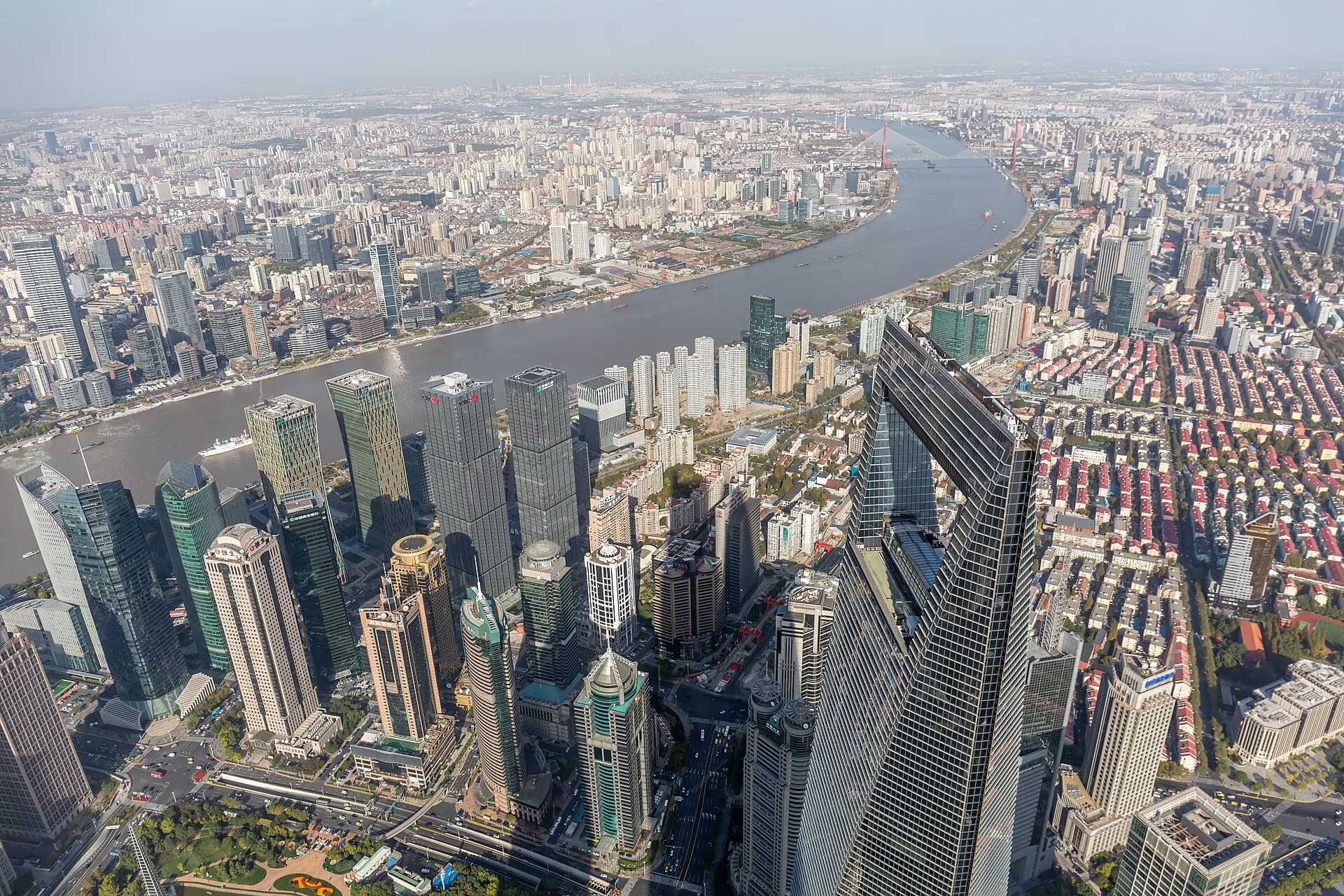
Pudong’s financial district: towers, malls and elevated walkways. Go for the view down from one of the decks.
The lane houses 石库门
shíkùmén
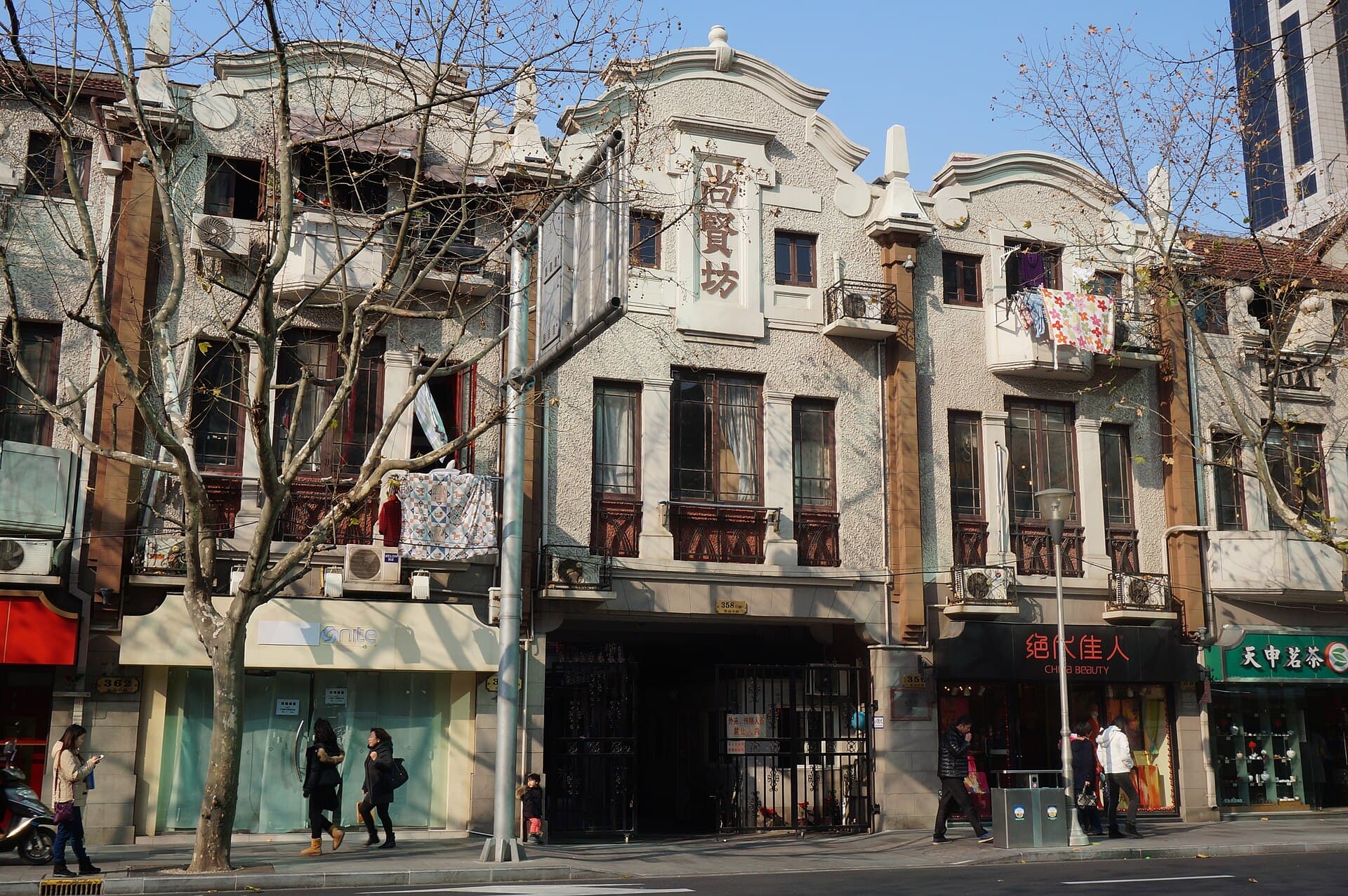
Shikumen are the stone-gated terraced houses built for Shanghai’s boom, and the longtang are the lanes between them. By the 1940s more than half the city lived in these lanes; most have been knocked down since 1990. Tianzifang and Xintiandi are lanes made over into shops and bars. For the lived-in kind, walk the old French Concession, the tree-lined district France ran from 1849 to 1943, around Wukang Road, and look through the gateways.
Yu Garden and the old town 豫园
Yùyuán
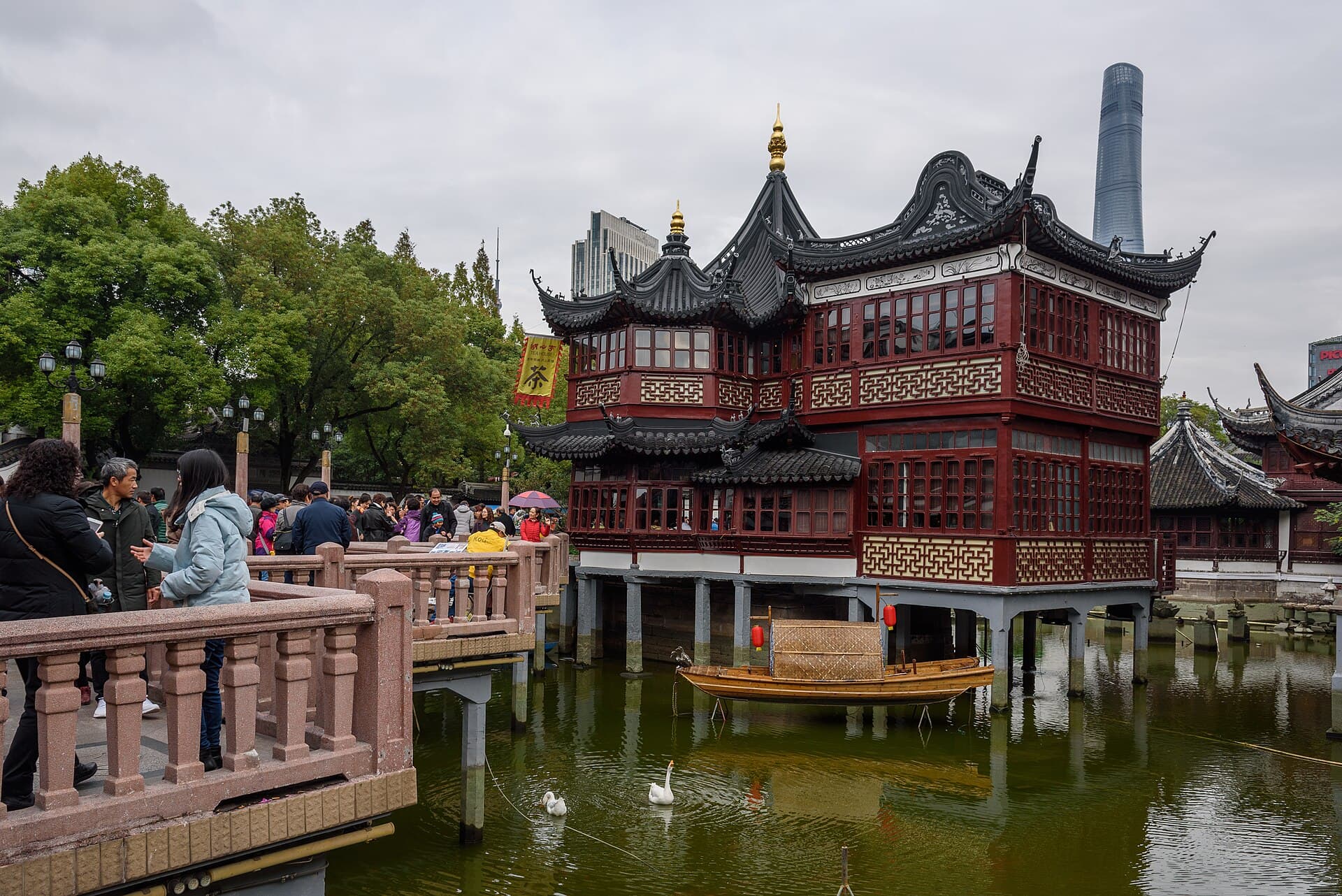
A garden from the Ming dynasty (1368–1644) of rockeries, ponds and pavilions, wrapped in a bazaar of snack stalls and souvenir shops. The teahouse on the pond and its zigzag bridge are the postcard. Go when it opens; by midday the lanes are shoulder to shoulder.
What to eat in Shanghai
Xiaolongbao 小笼包
xiǎolóngbāo
Thin-skinned dumplings full of pork and hot soup, steamed in a bamboo basket. Bite a hole, drink the soup, then eat the rest. Nanxiang, in the Yu Garden bazaar, has the famous queue.
Shengjianbao 生煎包
shēngjiānbāo
The fried cousin: thicker dough, a crisp bottom, the same soup inside. A Shanghai breakfast.
Scallion oil noodles 葱油拌面
cōngyóu bànmiàn
Plain noodles tossed in soy sauce and oil in which spring onions have been fried slowly until dark. Cheap, and on the menu of almost every noodle shop.
Plan your trip to Shanghai
Best time to visit Shanghai
Late September to November is best: dry and mild. April and May are good too. The plum rains, weeks of drizzle and damp, run from mid-June into July, and August is hot, humid and the peak of typhoon season. Winter is grey and damp, a few degrees above freezing.
Avoid Golden Week, the first week of October, and Chinese New Year, when the Bund is shoulder to shoulder.
Getting to Shanghai
Pudong Airport is about 30 km east. The maglev runs to Longyang Road in about 8 minutes, then Line 2 takes you into town: about an hour in all. Hongqiao Airport is closer, about 35 minutes to the Bund on Line 2.
Hongqiao station, next to Hongqiao Airport, takes most fast trains: Hangzhou in under an hour, Suzhou in about 25 minutes, Beijing in about 4½ hours.
Getting around Shanghai
The metro covers everything on this page, with signs and announcements in English. Tap a contactless Visa or Mastercard at the gate, or use the Alipay transit code, which also works on buses. Didi works in English with a foreign card.
Shanghai pays by phone. Link your card to Alipay or WeChat Pay before you arrive, and keep a little cash for breakfast stalls. Small noodle and dumpling shops rarely have English menus.
Where to stay in Shanghai
People’s Square and East Nanjing Road are a walk from the Bund and on Line 2, which runs to both airports and Hongqiao station. The old French Concession, around Xintiandi and Wukang Road, is quieter and leafier, with better food. Lujiazui has the views but is offices and malls, quiet after dark.
Shanghai in three days
- Day 1. Walk the Bund from the north end, take the ferry to Pudong and go up a tower for sunset. Cross back after dark.
- Day 2. Yu Garden when it opens and xiaolongbao in the bazaar, then an afternoon in the lanes of the old French Concession.
- Day 3. A fast train from Hongqiao to Hangzhou for West Lake, or to Suzhou for its gardens.
Questions about visiting Shanghai
Is the Bund free?
Yes. The promenade is open day and night. You only pay to go up a tower on the Pudong side.
How do you get from the Bund to Pudong?
The ferry from the Jinling East Road pier takes a few minutes and costs 2 yuan. Metro Line 2 crosses from East Nanjing Road to Lujiazui in one stop. The sightseeing tunnel is a light show that costs more than both.
Do you need cash in Shanghai?
Almost never. Everything runs on Alipay and WeChat Pay, and both accept foreign cards now. Set one up before you arrive, and keep a little cash for small stalls.
Can you visit Hangzhou as a day trip from Shanghai?
Yes. Fast trains from Hongqiao reach Hangzhou East in 45 minutes to an hour, and metro Line 1 runs from there to West Lake in about 20. Leave early; the lake fills a day.
Is Shanghai easy to visit without Chinese?
It is one of the easiest cities in China for it. The metro has English signs and announcements, and Didi works in English. Small restaurants are the gap.
Chinese you’ll see in Shanghai
On the signs, the ferry and the metro map.
The line under each word is pinyin, the Chinese sounds written in our alphabet. The marks over the vowels are tones; people will understand you without them at first.
- 上海Shànghǎi
- Shanghai, "on the sea"
- 外滩Wàitān
- the Bund, literally "outer bank"
- 浦东Pǔdōng
- Pudong, east of the Huangpu
- 黄浦江Huángpǔ Jiāng
- the Huangpu River
- 轮渡lúndù
- ferry
- 码头mǎtou
- pier
- 弄lòng
- lane; on address plates, "100弄" is lane 100
- 地铁dìtiě
- metro
- 小笼包xiǎolóngbāo
- soup dumplings
- 出口chūkǒu
- exit
Want more? Browse Chinese vocabulary by level.
Hear Shanghai in Mandarin
Our audio story crosses the river by ferry and walks into a shikumen lane behind the Bund.
The story is Shanghai: The Two-Yuan Boat That Built the Skyline. It is told four ways, one for each level. Every version has a transcript with pinyin and English, so start with Beginner if you have no Chinese yet.