
Stuck at Intermediate Chinese? How to Break the Plateau
You can read graded Chinese, but a two-minute clip still loses you by the second sentence. The problem isn't talent — it's that your input stopped stretching you.

Founder of Fluentide · Native Mandarin speaker · Incoming Schwarzman Scholar at Tsinghua University
Updated July 2026
On this page
The method in practice
Break the plateau with input one level above you
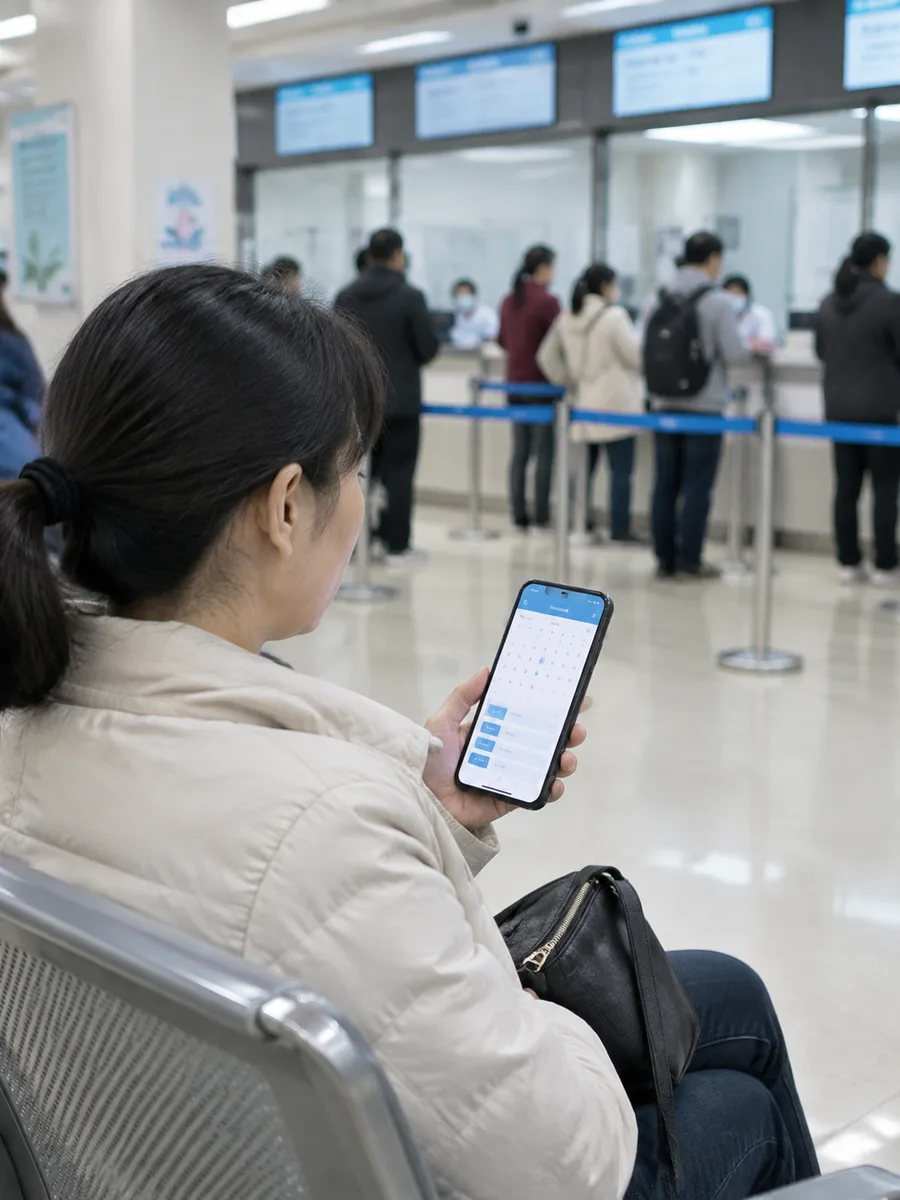
Press play on an HSK 3, 4, or 5 episode built from real news and topics, follow the native audio, and read the synced transcript only when you lose the thread. Fresh episodes daily so you never run out at your level.
Why am I stuck at intermediate Chinese?
The curve above is the whole story. As a beginner, everything you touched sat just above your level, so every session moved you forward — a few hundred words took you from zero to simple conversations. Then the line flattens. You know thousands of words, you can read a graded article, and yet real Mandarin still slides past you. Months go by without the feeling of getting better.
Here is the mechanism most guides miss: you did not stop improving because you hit a limit. You stopped because your input stopped being harder than you. The textbook dialogues and slow graded audio that once stretched you now sit below your level — comfortable, fully understood, and no longer teaching anything. Meanwhile native podcasts and dramas feel like a wall. So you camp in the comfortable middle and mistake motion for progress. The exit is not more effort at the same level. It is stepping up to input that is understandable but stretchy — what Stephen Krashen calls comprehensible input at i+1 — and getting a lot of it.
Why does listening feel impossible when I can read fine?
Because the four skills grow at different speeds, and listening is the one that falls behind. Reading, vocabulary, and grammar are all things you can do silently, at your own pace: pause on a hard word, look up a rule, re-read the sentence. So they climb. Listening gives you none of that. It arrives at the speaker's speed, in connected speech where words blur together, with no pause button in a real conversation. That is why an intermediate learner can work through a news article but lose a two-minute audio clip by the second sentence.
This gap is what “intermediate” actually feels like, and it is why the plateau fix is listening-first. You close the gap the only way it closes — by hearing a great deal of Mandarin you mostly understand, at natural speed, until your ear learns to parse it in real time. Reading the synced transcript while you listen is the training-wheels version: it keeps a hard sentence from stopping you, while your ear does the real work.
How do you actually break the plateau?
Four moves. None of them is “study harder” — they are all about changing what you put in your ears, and aiming it at the middle zone above.
- Step up one level. If you sit comfortably at HSK 3, move your daily listening to HSK 4. It should feel slightly too hard. That discomfort is the growth.
- Let go of catching every word. Following the gist while missing 10–15% is exactly right. Reaching for the dictionary every sentence kills the listening and the momentum. Glance at the transcript, keep moving.
- Get volume. Twenty to thirty minutes of understood Mandarin a day beats two hours of grammar once a week. The plateau breaks on hours of input, not on insight.
- Re-listen. Play the same episode again the next day. The second pass moves words from “heard it” to “know it,” and the speed that felt fast yesterday feels normal today.
an episode at your level
only when you lose the thread
the same one — it clicks
Intermediate Chinese episodes to listen to now
Every story is published across HSK tiers with native audio, a synced Chinese transcript, pinyin, and line-by-line English. The filter below opens on HSK 3–4, the plateau band — tap up to HSK 5–6 when you want more stretch, or down if a level feels punishing. Press play and read along.























































































































































































































































Showing 12 of 250 HSK 3–4 stories
Why is HSK 3–5 the hardest band to find content for?
Because you're caught between two worlds that both fail you. This squeeze is the real reason the plateau is so sticky — the right material is genuinely the scarcest at your level.
| Source | Problem at intermediate | Result |
|---|---|---|
| Beginner graded content | Too slow, too easy — now below your level | Comfortable, no growth |
| Native podcasts & dramas | Too fast, too much unknown vocabulary | You drown, then quit |
| Same 3 intermediate apps | Tiny libraries — you exhaust them in weeks | Run out of material |
| Fresh HSK 3–5 episodes | Natural speed, level-matched, never run out | The productive middle |
Fluentide generates new episodes daily at each band, so the scarce resource — a lot of level-matched Mandarin — stops being scarce.
Why Fluentide is built for the plateau
Plenty of apps teach beginners. Almost none solve the specific thing that keeps intermediate learners stuck: a steady supply of Mandarin at exactly the level that stretches you. That gap is the whole reason Fluentide exists.
Fresh episodes every day — you never run out at your level
The number-one complaint about every other intermediate app is that you burn through their small library in weeks, then you're stuck re-listening or dropping to easy content. Fluentide generates new episodes daily at each band, built from real news and topics, so the scarce thing — a lot of level-matched Mandarin — stops being scarce.
Listening-first — it targets the skill that actually lags
Most tools bury listening under reading drills and flashcards. Fluentide is built around understanding natural-speed speech, which is precisely the skill the plateau is made of. You spend your time doing the thing that's hard, not the thing that's already easy.
Real i+1 — HSK 1 to 6, calibrated, step up when ready
Every story is graded across levels, so you can sit at HSK 3–4 until it's comfortable, then move to 5–6 for the next stretch. The difficulty ladder is built in, which is what makes 'listen one level up' something you can actually do instead of guess at.
Support that keeps a hard sentence from stopping you
Synced Chinese transcript, pinyin over every character, line-by-line English, tap-to-define. You lean on it only when you slip, so your ear does the real work while a wall of unknown vocabulary never ends the session.
Keep learning
The episodes are the engine. These pages support the method or fit a slightly different starting point than a straight-line intermediate learner.
Coming back after time away?
If you studied Chinese before and stopped, you'll hit this plateau the moment you return — here's the relearning path.
Chinese listening practice guide
The listening-first method in full: how to use transcripts, how much to catch, how to build the daily habit.
The comprehensible input method
The science of i+1 — why understandable input slightly above your level is what actually moves you.
HSK 3–5 vocabulary
Per-word pages to lock in the high-frequency words you keep missing in episodes — support, not the main event.
Frequently asked questions
The method in practice
Get unstuck — press play one level up
The plateau breaks on hours of understood Mandarin, not on more grammar. Start with an HSK 4 episode, follow the audio, read the transcript when you slip. Twenty minutes a day and the fog starts to lift.