
Chinese Gen-Z Slang
Chinese Gen-Z slang is the playful, ironic vocabulary of people born after the mid-1990s, like i人 (an introvert), 红温 (going red, losing it) and 绝绝子 (iconic, or a total disaster). This page has 19 terms, trending first.

Founder of Fluentide · Native Mandarin speaker · Schwarzman Scholar at Tsinghua University
Updated October 2026
Chinese Gen-Z Slang terms

浓人
nóng rén
an intense, high-energy person

爱你老己
ài nǐ lǎo jǐ
love yourself (said goofily)

水灵灵地
shuǐ líng líng de
just straight-up (with flourish)

红温
hóng wēn
going red / tilted / losing it

不嘻嘻
bù xī xī
not funny / I'm not laughing
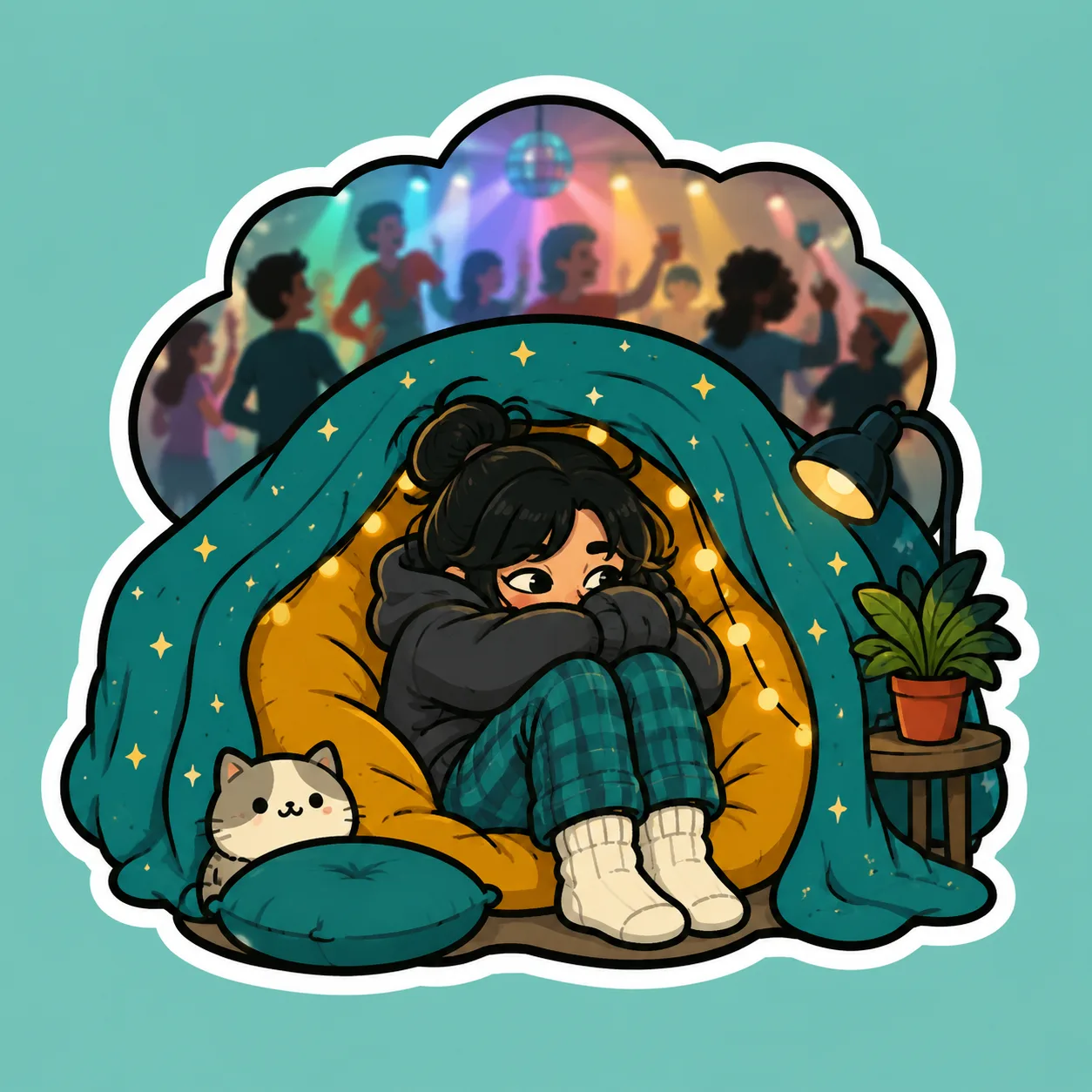
i人
i rén
an introvert / the MBTI I-type

偷感
tōu gǎn
sneaky, like-you-might-get-caught energy

淡人
dàn rén
a chill, unbothered person

痛包
tòng bāo
ita bag / merch bag

吧唧
bā jī
pin badge

谷子
gǔ zi
anime merch / fan goods

破防
pò fáng
it broke me / right in the feels

乙游
乙女游戏yǐ yóu
otome game
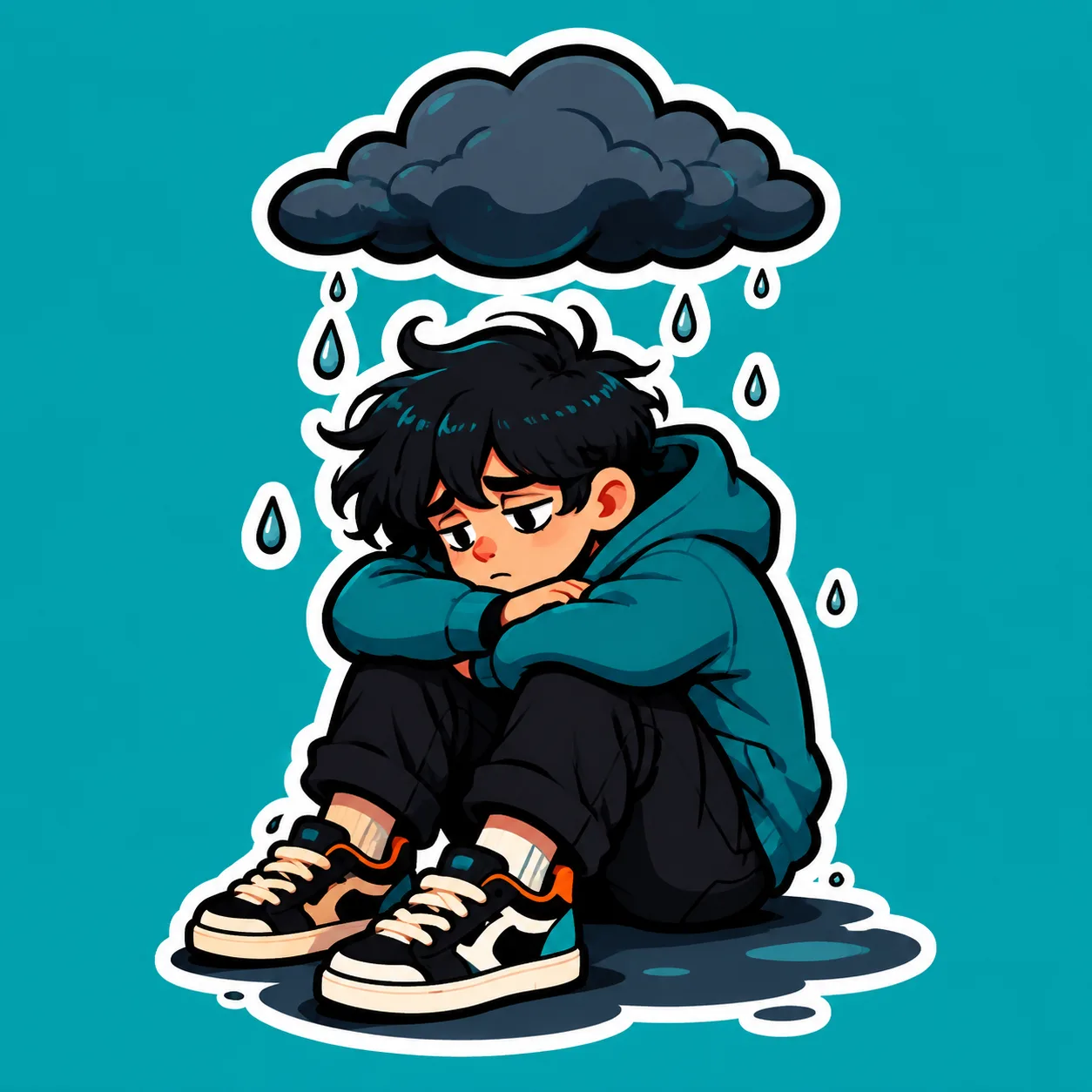
emo
ī mōu (English loan)
feeling down / in my feels

集美
jí měi
sis / besties (dated)

尊嘟假嘟
zūn dū jiǎ dū
weally? fow weal?? (babyish 'seriously?')

栓Q
shuān Q
thanks, I hate it / I'm so done

绝绝子
jué jué zǐ
iconic / a disaster (and a bit cringe either way)

awsl
啊我死了ā wǒ sǐ le
I'm dead / too cute, I can't
What is Chinese Gen-Z Slang?
It runs on baby-talk spellings, homophones and inside jokes, and it turns over fast. A word can go from everywhere to cringe within a year.
When to use Chinese Gen-Z Slang
Browse other slang categories
Pinyin acronyms, number codes and meme words from Weibo, Bilibili and Douyin: yyds, 666, xswl.
Chinese Work & Burnout SlangHow young people in China talk about the grind: 内卷, 躺平, 摸鱼, 摆烂.
Everyday Chinese SlangReactions, labels and set phrases from normal conversation that textbooks leave out.
Chinese Dating SlangLabels for crushes, players and relationship status: 海王, 舔狗, CPDD.
Frequently asked questions
Free account
Hear this slang in real Chinese
A dictionary gives you the meaning. Fluentide's free episodes give you the sound: spoken Chinese at your level, with transcripts, pinyin and translations.
- Hear slang in natural audio
- Keep vocab and transcript progress
- Continue at your level