
Everyday Chinese Slang
Everyday Chinese slang is the casual layer of normal conversation: reactions, informal labels and set phrases that friends use without thinking and textbooks leave out. This page has 19 terms, trending first.

Founder of Fluentide · Native Mandarin speaker · Schwarzman Scholar at Tsinghua University
Updated October 2026
Everyday Chinese Slang terms

……基础,……就不基础
… jī chǔ, … jiù bù jī chǔ
keep one half plain, let the other pop

那咋了
nà zǎ le
so what? / and?

蒜鸟
suàn niǎo
forget it / never mind

拼好饭
pīn hǎo fàn
the cheap group-order meal

敬自己一杯
jìng zì jǐ yì bēi
here's to me

当个事儿办
dàng ge shìr bàn
actually take it seriously

显眼包
xiǎn yǎn bāo
the show-off / class clown / a whole spectacle

搭子
dā zi
an activity buddy / a [meal/gym] partner

松弛感
sōng chí gǎn
effortless ease

俺不中嘞
ǎn bù zhòng le
I can't take it

电子榨菜
diàn zǐ zhà cài
something to watch while you eat

特种兵式
tè zhǒng bīng shì
commando-style / boot-camp style

白人饭
bái rén fàn
a sad desk lunch

你小子
nǐ xiǎo zi
you rascal / look at you

社恐
社交恐惧shè kǒng
socially anxious / socially awkward

追更
zhuī gēng
keeping up with a series

上头
shàng tóu
hooked / it goes to your head
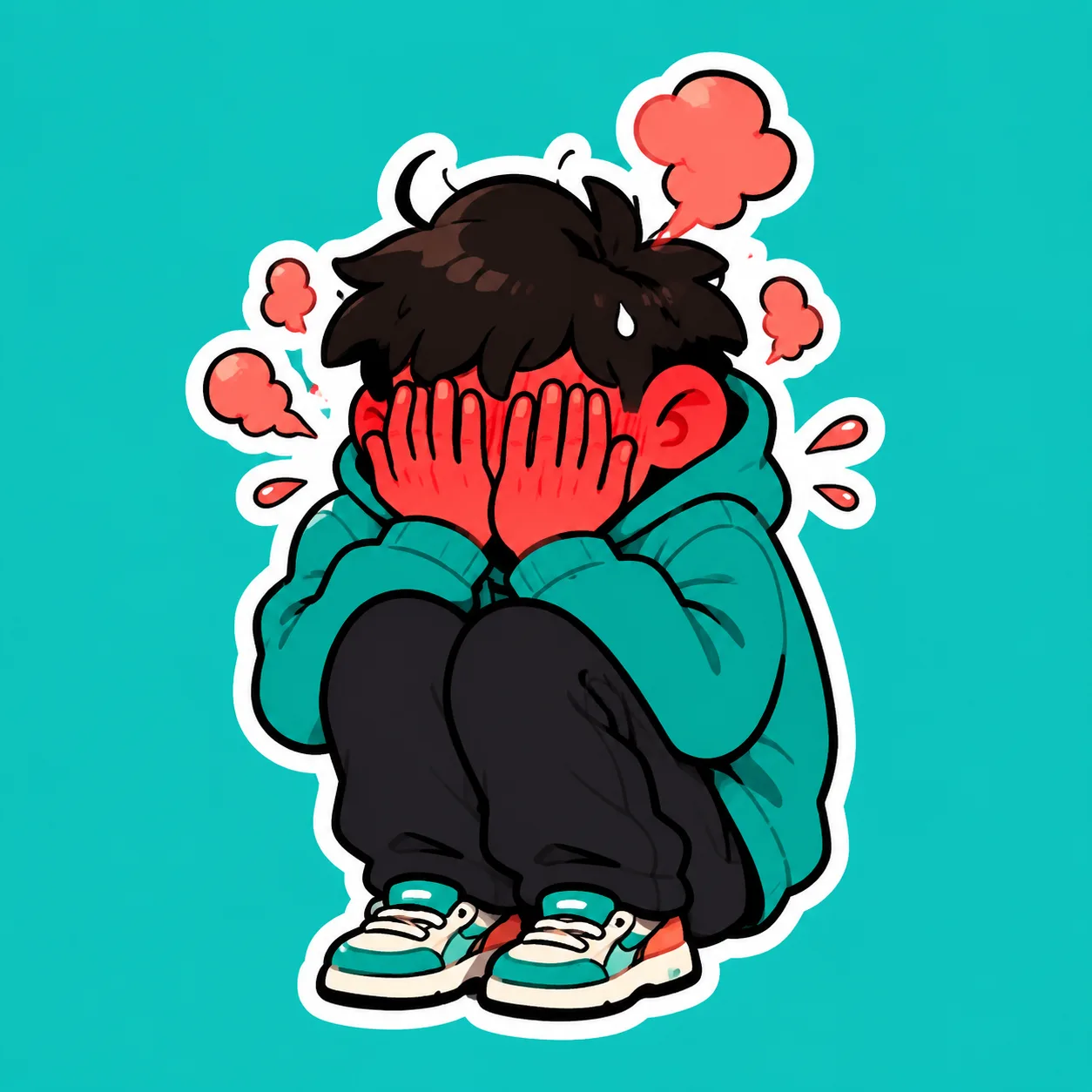
社死
社会性死亡shè sǐ
dying of embarrassment / social death

干饭人
gàn fàn rén
big eater / here to demolish this meal
What is Everyday Chinese Slang?
Less meme, more texture. These are the words that make you sound like a person rather than a lesson.
When to use Everyday Chinese Slang
Browse other slang categories
Pinyin acronyms, number codes and meme words from Weibo, Bilibili and Douyin: yyds, 666, xswl.
Chinese Gen-Z SlangCutesy, ironic, fast-changing words young people type: 绝绝子, 尊嘟假嘟, i人.
Chinese Work & Burnout SlangHow young people in China talk about the grind: 内卷, 躺平, 摸鱼, 摆烂.
Chinese Dating SlangLabels for crushes, players and relationship status: 海王, 舔狗, CPDD.
Frequently asked questions
Free account
Hear this slang in real Chinese
A dictionary gives you the meaning. Fluentide's free episodes give you the sound: spoken Chinese at your level, with transcripts, pinyin and translations.
- Hear slang in natural audio
- Keep vocab and transcript progress
- Continue at your level