

HSK 3 Vocabulary List: 1,000 Words (HSK 3.0)
HSK 3 has 1,000 words in HSK 3.0, 500 of them new at this level (the old HSK 2.0 list had 600). Fluentide has 289 free stories at the Elementary (HSK 3) level that use them, with transcript and pinyin.
By Haoshan Hong · Native Mandarin speaker · Updated October 2026
Hear HSK 3 words in a real story

美国佛州李尔喷气机坠毁 九人全部遇难
Learjet 60 Crashes in Palm Beach County, Florida, Killing All Nine On Board
2 min
What is on the HSK 3 word list?
The other 500 come from HSK 1–2. They cover work, study, money, transport, and basic cause-and-effect. This is the bridge from survival phrases into actual conversation.
Scroll
HSK 3 word list
All 988 words from the official HSK 3.0 syllabus, the 491 new at HSK 3 first. The syllabus counts 1,000 because a few words are listed once per reading; here each appears once.
Pinyin from the syllabus, definitions from CC-CEDICT. Tap a word for its other senses.
Showing 951–988 of 988 · page 20 of 20
有yǒuHSK 1to have
- to have
- there is
- (bound form) having
- with
- -ful
- -ed
- -al (as in 有意 intentional)
有的yǒudeHSK 1(there are) some (who are...)
- (there are) some (who are...)
- some (exist)
有点儿yǒudiǎnrHSK 1slightly
- slightly
- a little
- somewhat
有些yǒuxiēHSK 1some
- some
- somewhat
- rather
- a bit
雨yǔHSK 1rain
- rain
- CL:阵,场
- (of rain, snow etc) to fall
- to precipitate
- to wet
- (literary) to rain
元yuánHSK 1currency unit (esp. Chinese yuan)
- currency unit (esp. Chinese yuan)
- (bound form) first
- original
- primary
- (bound form) basic
- fundamental
- (bound form) constituent
- part
- (prefix) meta-
- (math.) argument
- variable
- era (of a reign)
- (Tw) (geology) eon
- surname Yuan
- Yuan dynasty (1279–1368)
月yuèHSK 1month
- month
- moon
- moon
- month
- monthly
- CL:个,轮
再zàiHSK 1again
- again
- once more
- re-
- further
- beyond this point of time
- (before an adjective) more
- then (after sth, and not until then)
- no matter how ... (followed by an adjective or verb, and then (usually) 也 or 都 for emphasis)
- (used to introduce additional information, as in 再则, 再就是 etc)
- (literary) to reappear
- to reoccur
再见zàijiànHSK 1goodbye
- goodbye
- see you again later
在zàiHSK 1to exist
- to exist
- to be alive
- (of sb or sth) to be (located) at
- (used before a verb to indicate an action in progress)
早zǎoHSK 1early
- early
- morning
- Good morning!
- long ago
- prematurely
早饭zǎofànHSK 1breakfast
- breakfast
- CL:份,顿,次,餐
早上zǎoshangHSK 1early morning
- early morning
- CL:个
怎么zěnmeHSK 1how?
- how?
- what?
- why?
怎么样zěnmeyàngHSK 1how?
- how?
- how about?
- how was it?
- how are things?
找zhǎoHSK 1to try to find
- to try to find
- to look for
- to call on sb
- to find
- to seek
- to return
- to give change
这zhèHSK 1(pronoun) this
- (pronoun) this
- these
- (bound form) this
- the (followed by a noun)
- (bound form) this
- these (followed by a classifier) (in this sense, commonly pr. , esp. in Beijing)
- (coll.) this
这边zhèbiānHSK 1this side
- this side
- here
这儿zhèrHSK 1here
- here
这个zhègeHSK 1(pronoun) this
- (pronoun) this
- (adjective) this
这里zhèlǐHSK 1here
- here
这些zhèxiēHSK 1these
- these
真zhēnHSK 1really
- really
- truly
- indeed
- real
- true
- genuine
正在zhèngzàiHSK 1to be in the process of (doing sth)
- to be in the process of (doing sth)
- to be currently ...-ing
知道zhīdàoHSK 1to know
- to know
- to become aware of
- also pr.
只zhī / zhǐHSK 1only
- only
- just
- only
- merely
- just
- grain that has begun to ripen
- classifier for birds and certain animals, one of a pair, some utensils, vessels etc
- variant of 只
- variant of 只
- variant of 只
中国ZhōngguóHSK 1China
中文ZhōngwénHSK 1Chinese language
- Chinese language
中午zhōngwǔHSK 1noon
- noon
- midday
- CL:个
中学zhōngxuéHSK 1middle school
- middle school
中学生zhōngxuéshēngHSK 1middle-school student
- middle-school student
- high school student
住zhùHSK 1to live
- to live
- to reside
- to stay
- to stop
- to cease
- (result complement indicating firmness or a stable achieved state)
桌子zhuōziHSK 1table
- table
- desk
- CL:张,套
字zìHSK 1character
- character
- word
- letter
- symbol
- character
- word
- CL:个
- courtesy or style name traditionally given to males aged 20 in dynastic China
昨天zuótiānHSK 1yesterday
坐zuòHSK 1to sit
- to sit
- to take a seat
- to take (a bus, airplane etc)
- to bear fruit
- surname Zuo
- variant of 座
做zuòHSK 1to make
- to make
- to produce
- to write
- to compose
- to do
- to engage in
- to hold (a party etc)
- (of a person) to be (an intermediary, a good student etc)
- to become (husband and wife, friends etc)
- (of a thing) to serve as
- to be used for
- to assume (an air or manner)
做饭zuò fànHSK 1to prepare a meal
- to prepare a meal
- to cook
Stories that use these HSK 3 words
Each one is a Fluentide Elementary (HSK 3) story, written inside that word band. Press play; the first few need no account.
HSK 2 Chinese listening episodes













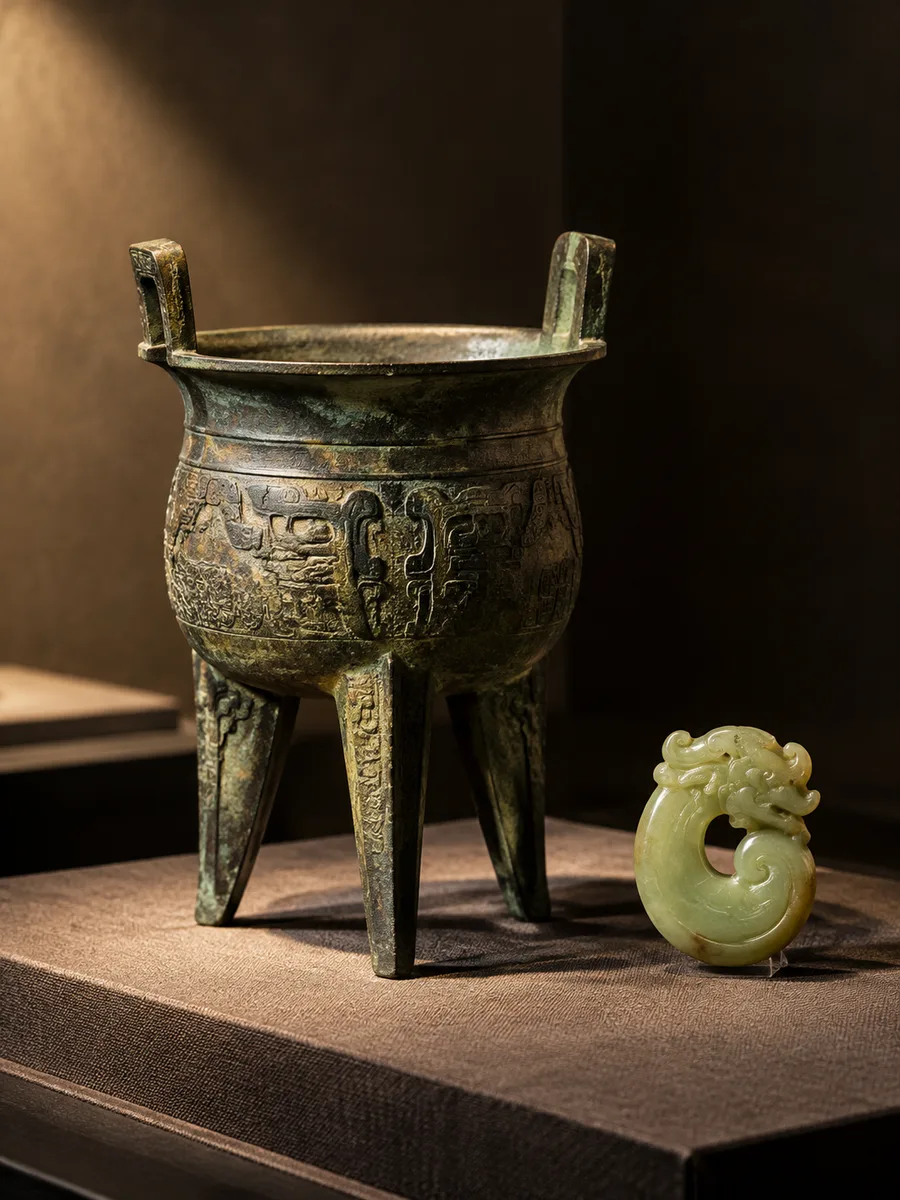


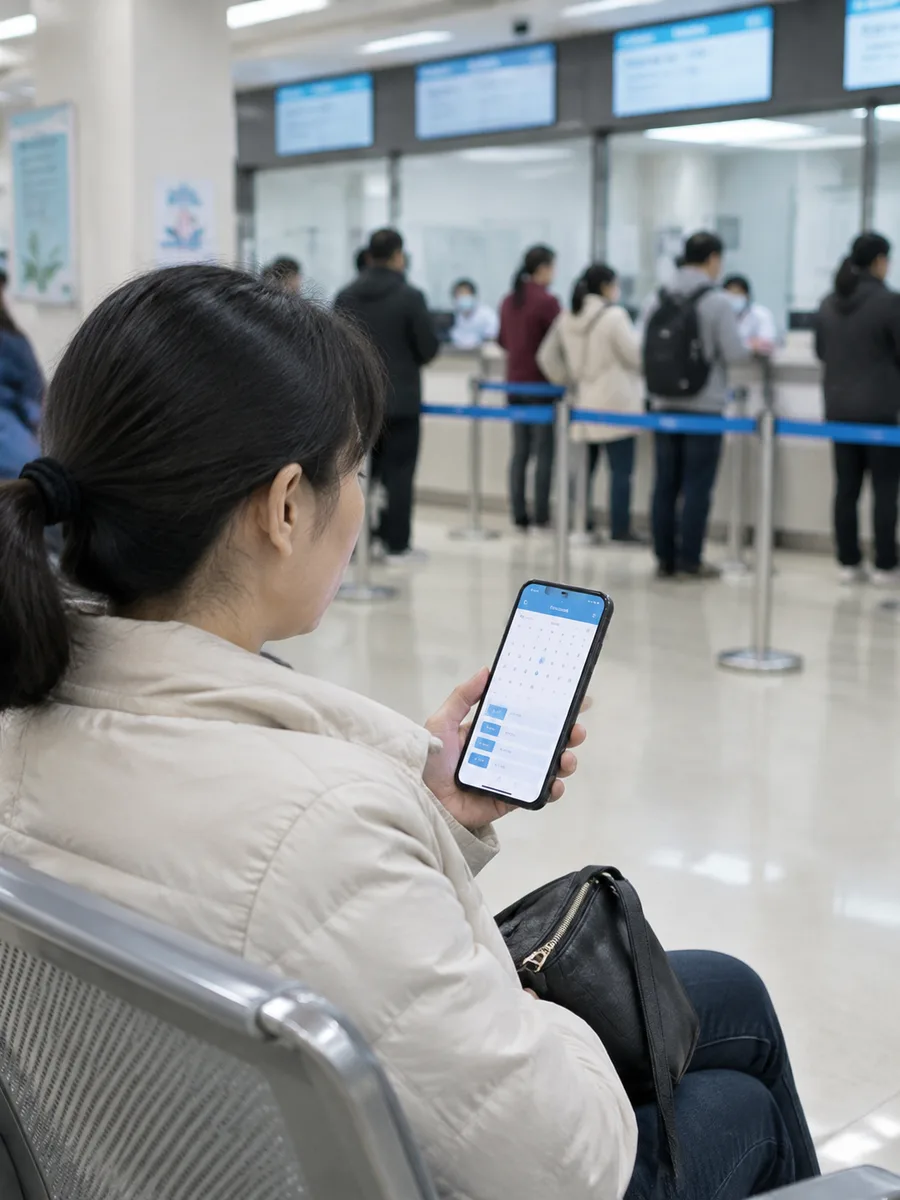
























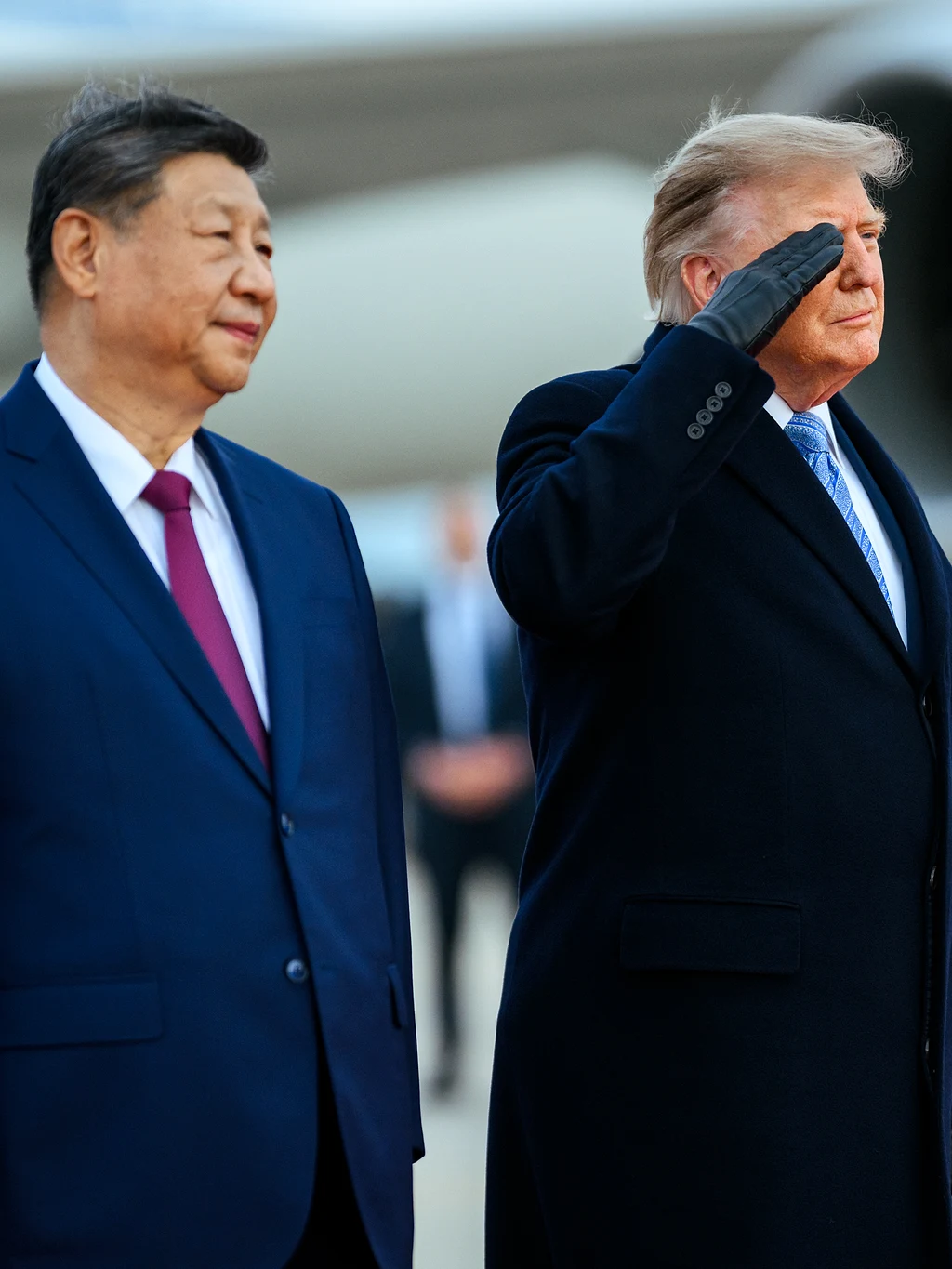




































































































































































































































HSK 3 Chinese listening episodes

HSK 4 Chinese listening episodes
HSK 5+ Chinese listening episodes
How to actually learn HSK 3 vocabulary
Reading a word on a page and catching it at speed in a sentence are different skills. The HSK listening section tests the second.
Scroll
The method in practice
Hear HSK 3 vocabulary in real Mandarin
Each HSK 3 episode uses this word band, with the transcript, pinyin and line-by-line English. Five free episodes after a one-tap magic-link sign-in — no password, no payment.