

HSK 5 Vocabulary List: 3,599 Words (HSK 3.0)
HSK 5 has 3,599 words in HSK 3.0, 1,599 of them new at this level (the old HSK 2.0 list had 2,500). Fluentide has 288 free stories at the Advanced (HSK 5+) level that use them, with transcript and pinyin.
By Haoshan Hong · Native Mandarin speaker · Updated October 2026
Hear HSK 5 words in a real story

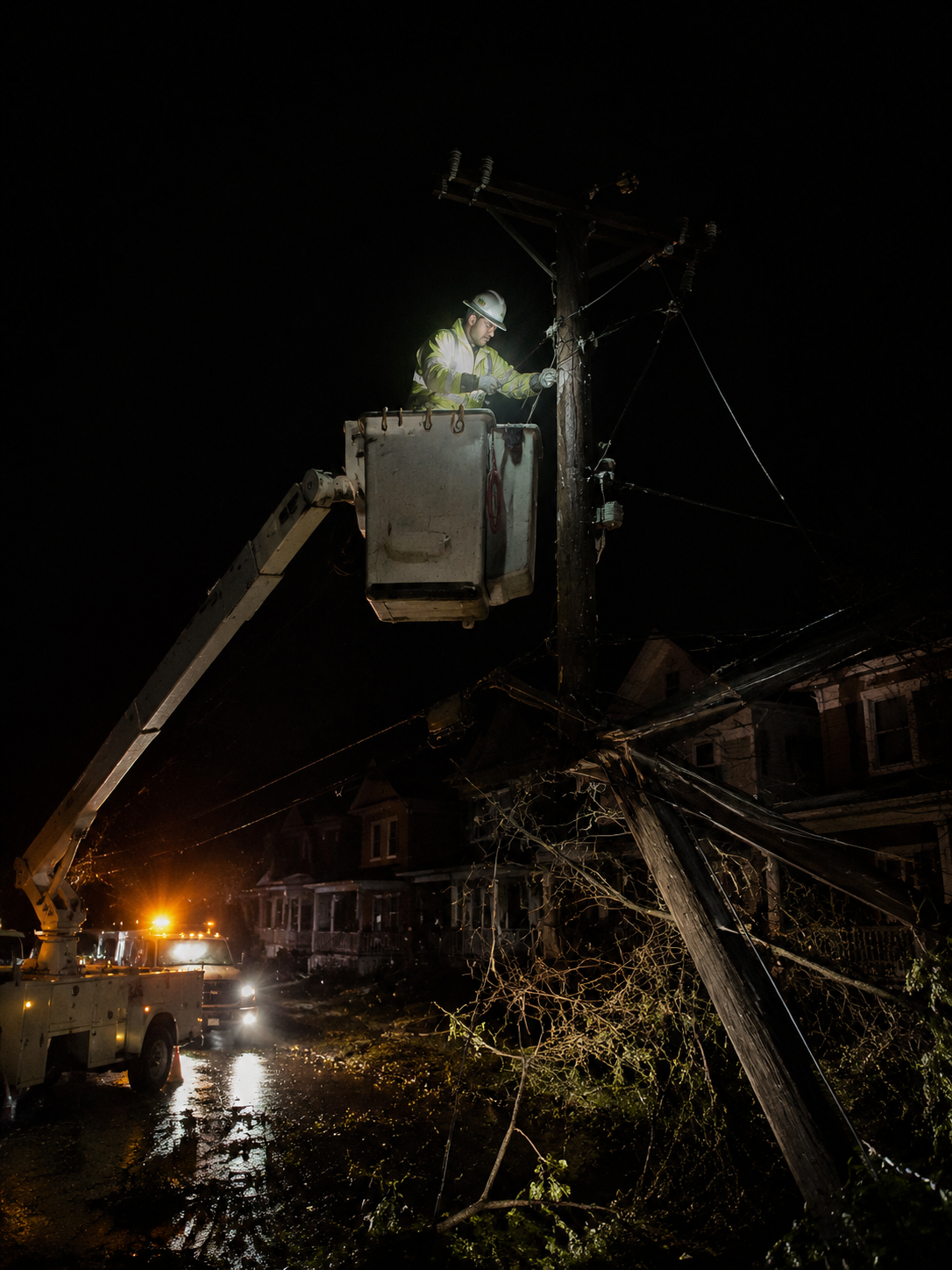
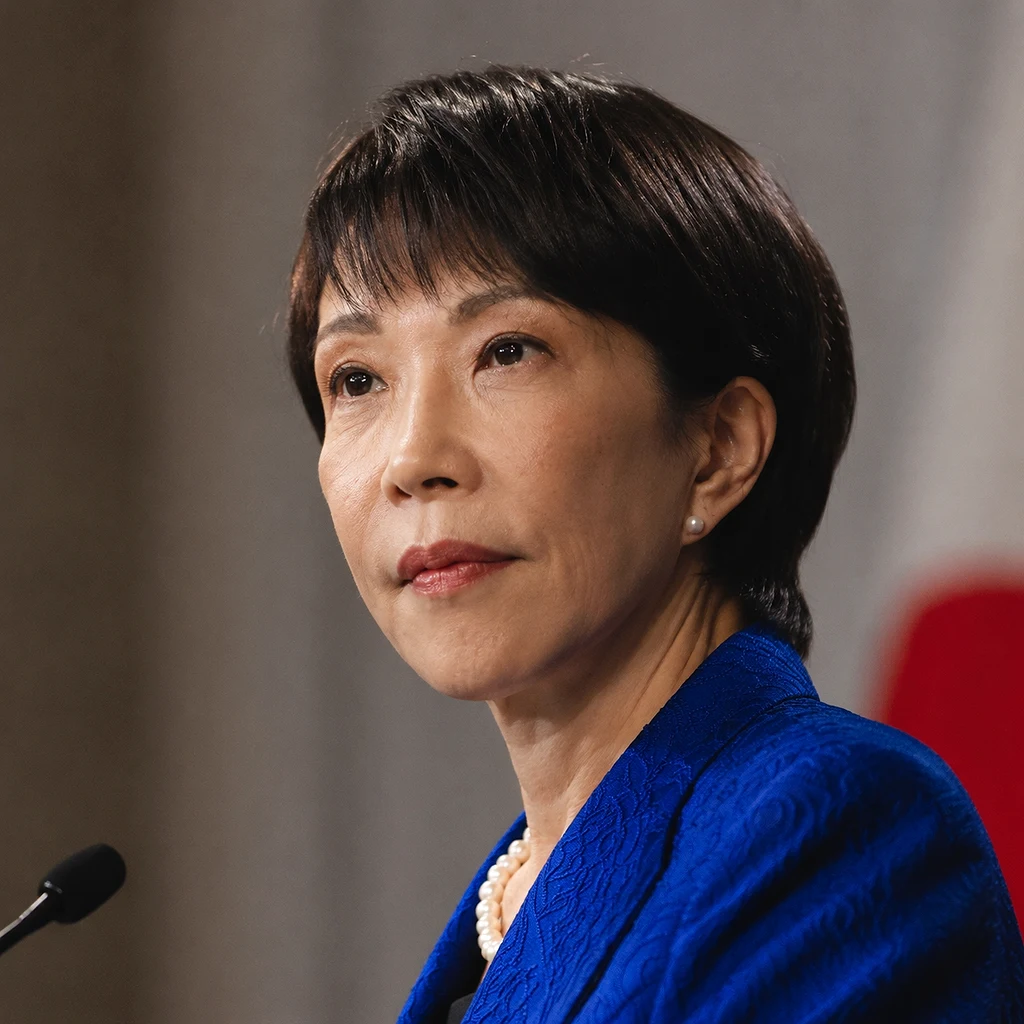
美国佛州李尔喷气机坠毁 九人全部遇难
Learjet 60 Crashes in Palm Beach County, Florida, Killing All Nine On Board
2 min
What is on the HSK 5 word list?
The other 2,000 come from HSK 1–4. They cover news, business, academic and literary register: the vocabulary of newspapers, lectures, and film dialogue.
Scroll
HSK 5 word list
All 3,557 words from the official HSK 3.0 syllabus, the 1,579 new at HSK 5 first. The syllabus counts 3,599 because a few words are listed once per reading; here each appears once.
Pinyin from the syllabus, definitions from CC-CEDICT. Tap a word for its other senses.
Showing 3351–3400 of 3,557 · page 68 of 72
今年jīnniánHSK 1this year
- this year
今天jīntiānHSK 1today
- today
- the present time
- now
九jiǔHSK 1nine
觉得juédeHSK 1to think that ...
- to think that ...
- to feel that ...
- to feel (uncomfortable etc)
开kāiHSK 1to open (transitive or intransitive)
- to open (transitive or intransitive)
- (of ships, vehicles, troops etc) to start
- to turn on
- to put in operation
- to operate
- to run
- to boil
- to write out (a prescription, check, invoice etc)
- (directional complement) away
- off
- carat (gold)
- abbr. for Kelvin, 开尔文
- abbr. for 开本, book format
开车kāichēHSK 1to drive a car (or train etc)
- to drive a car (or train etc)
- (slang) to post sexual content online
- to make a sexual joke
看kàn / kānHSK 1to see
- to see
- to look at
- to read
- to watch
- to visit
- to call on
- to consider
- to regard as
- to look after
- to treat (a patient or illness)
- to depend on
- to feel (that)
- (after a verb) to give it a try
- to watch out for
- to look after
- to take care of
- to watch
- to guard
看病kànbìngHSK 1to visit a doctor
- to visit a doctor
- to see a patient
看见kànjiànHSK 1to see
- to see
- to catch sight of
可以kěyǐHSK 1can
- can
- may
- possible
- able to
- not bad
- pretty good
课kèHSK 1subject
- subject
- course
- CL:门
- class
- lesson
- CL:堂,节
- to levy
- tax
- form of divination
口kǒuHSK 1mouth
- mouth
- classifier for things with mouths (people, domestic animals, cannons, wells etc)
- classifier for bites or mouthfuls
块kuàiHSK 1lump
- lump
- chunk
- piece
- classifier for pieces of cloth, cake, soap etc
- (coll.) classifier for money and currency units
来láiHSK 1to come
- to come
- (used as a substitute for a more specific verb)
- hither (directional complement for motion toward the speaker, as in 回来)
- ever since (as in 自古以来)
- for the past (amount of time)
- (prefix) the coming ...
- the next ... (as in 来世)
- (between two verbs) in order to
- (after a round number) approximately
- (used after 得 to indicate possibility, as in 谈得来, or after 不 to indicate impossibility, as in 吃不来)
老师lǎoshīHSK 1teacher
了leHSK 1(particle) completed action
- (particle) completed action
- change of state
- (completed action marker)
- (modal particle indicating change of state, situation now)
- (modal particle intensifying preceding clause)
- to finish
- (used with 得 or 不 after a verb to express (im)possibility, as in 忘不了 "cannot forget")
- (literary) (usually followed by a negative such as 无 or 不) completely (not)
- entirely (not)
- (not) in the least
- (bound form) clear in one's mind
- to understand clearly
- unofficial variant of 瞭
- variant of 了
冷lěngHSK 1cold
- cold
- surname Leng
里lǐHSK 1inside
- inside
- in
- lining
- interior
- inside
- internal
- also written 里
- li, ancient measure of length, approx. 500 m
- neighborhood
- ancient administrative unit of 25 families
- (Tw) borough, administrative unit between the township 镇 and neighborhood 邻 levels
- surname Li
- variant of 里
两liǎngHSK 1two
- two
- both
- some
- a few
- tael, unit of weight equal to 50 grams (modern) or 1⁄16 of a catty 斤 (old)
零língHSK 1zero
- zero
- nought
- zero sign
- fractional
- fragmentary
- odd (of numbers)
- (placed between two numbers to indicate a smaller quantity followed by a larger one)
- fraction
- (in mathematics) remainder (after division)
- extra
- to wither and fall
- to wither
六liùHSK 1six
- six
- 6
- used in place names
妈妈māmaHSK 1mama
- mama
- mommy
- mother
- CL:个,位
吗maHSK 1(question particle for "yes-no" questions)
- (question particle for "yes-no" questions)
- (coll.) what?
- used in 吗啡
买mǎiHSK 1to buy
- to buy
- to purchase
卖màiHSK 1to sell
- to sell
- to betray
- to spare no effort
- to show off or flaunt
忙mángHSK 1busy
- busy
- hurriedly
- to hurry
- to rush
猫māoHSK 1cat (CL:只)
- cat (CL:只)
- (loanword) (coll.) modem
- (dialect) to hide oneself
- used in 猫腰
没关系méi guānxiHSK 1it doesn't matter
- it doesn't matter
没事méishìHSK 1it's not important
- it's not important
- it's nothing
- never mind
- to have nothing to do
- to be free
- to be all right (out of danger or trouble)
没有méiyǒuHSK 1haven't
- haven't
- hasn't
- doesn't exist
- to not have
- to not be
妹妹mèimeiHSK 1younger sister
- younger sister
- young woman
- CL:个
们menHSK 1plural marker for pronouns, and nouns referring to individuals
- plural marker for pronouns, and nouns referring to individuals
米饭mǐfànHSK 1(cooked) rice
- (cooked) rice
面包miànbāoHSK 1bread
面条儿miàntiáorHSK 1noodles
- noodles
名字míngziHSK 1name (of a person or thing)
- name (of a person or thing)
明年míngniánHSK 1next year
- next year
明天míngtiānHSK 1tomorrow
哪nǎHSK 1how
- how
- which
- (emphatic sentence-final particle, used instead of 啊 after a word ending in "n")
- Taiwan pr.
- used in 哪吒
- which? (interrogative, followed by classifier or numeral-classifier)
哪儿nǎrHSK 1where?
- where?
- wherever
- anywhere
- somewhere
- (used in rhetorical questions) how can ...?
- how could ...?
哪个nǎgeHSK 1which
- which
- who
哪里nǎlǐHSK 1where?
- where?
- somewhere
- anywhere
- wherever
- nowhere (negative answer to question)
- humble expression denying compliment
- also written 哪里
哪些nǎxiēHSK 1which ones?
- which ones?
- who?
- what?
那nàHSK 1(specifier) that
- (specifier) that
- the
- those (colloquial pr. )
- (pronoun) that (referring to persons, things or situations)
- then (in that case)
- surname Na
- surname Nuo
- beautiful
- how
- (archaic) many
- old variant of 挪
- variant of 哪
那边nàbiānHSK 1over there
- over there
- yonder
那儿nàrHSK 1there
- there
那个nàgeHSK 1that one
- that one
- that thing
- that (as opposed to this)
- (used before a verb or adjective for emphasis)
- (used to humorously or indirectly refer to sth embarrassing, funny etc, or when one can't think of the right word)
- (used in speech as a filler, similar to "umm", "you know" etc)
- (euph.) menstruation
- sex
- also pr.
那里nàlǐHSK 1there
- there
- that place
那些nàxiēHSK 1those
- those
男nánHSK 1(bound form) male
- (bound form) male
- baron, the lowest of the five ranks of nobility 五等爵位
Stories that use these HSK 5 words
Each one is a Fluentide Advanced (HSK 5+) story, written inside that word band. Press play; the first few need no account.
HSK 2 Chinese listening episodes




































































































































































































































































HSK 3 Chinese listening episodes

HSK 4 Chinese listening episodes
HSK 5+ Chinese listening episodes
How to actually learn HSK 5 vocabulary
Reading a word on a page and catching it at speed in a sentence are different skills. The HSK listening section tests the second.
Scroll
The method in practice
Hear HSK 5 vocabulary in real Mandarin
Each HSK 5 episode uses this word band, with the transcript, pinyin and line-by-line English. Five free episodes after a one-tap magic-link sign-in — no password, no payment.