

HSK 5 Vocabulary List: 3,599 Words (HSK 3.0)
HSK 5 has 3,599 words in HSK 3.0, 1,599 of them new at this level (the old HSK 2.0 list had 2,500). Fluentide has 290 free stories at the Advanced (HSK 5+) level that use them, with transcript and pinyin.
By Haoshan Hong · Native Mandarin speaker · Updated October 2026
Hear HSK 5 words in a real story

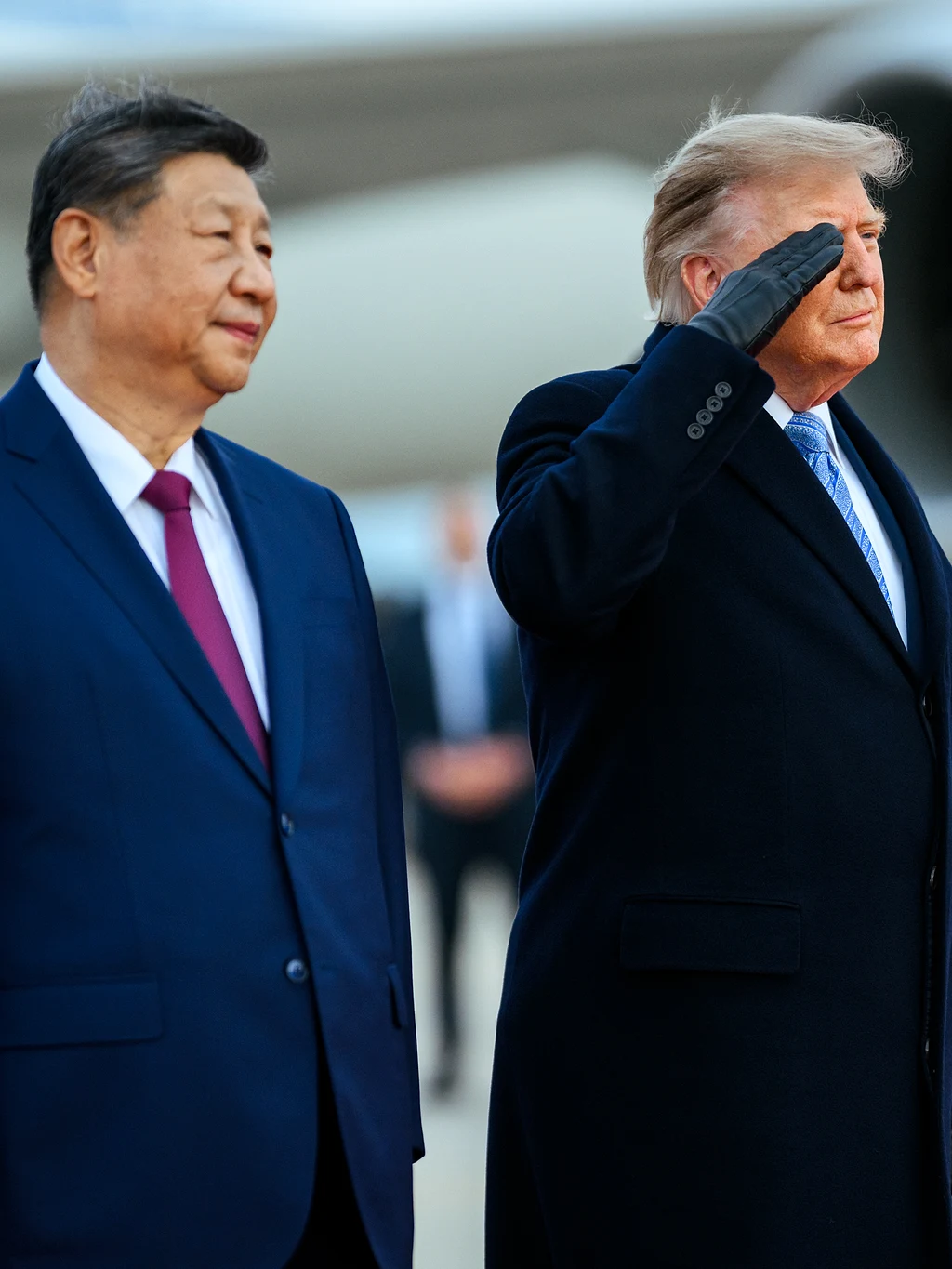
查尔斯三世:不抱怨的国王
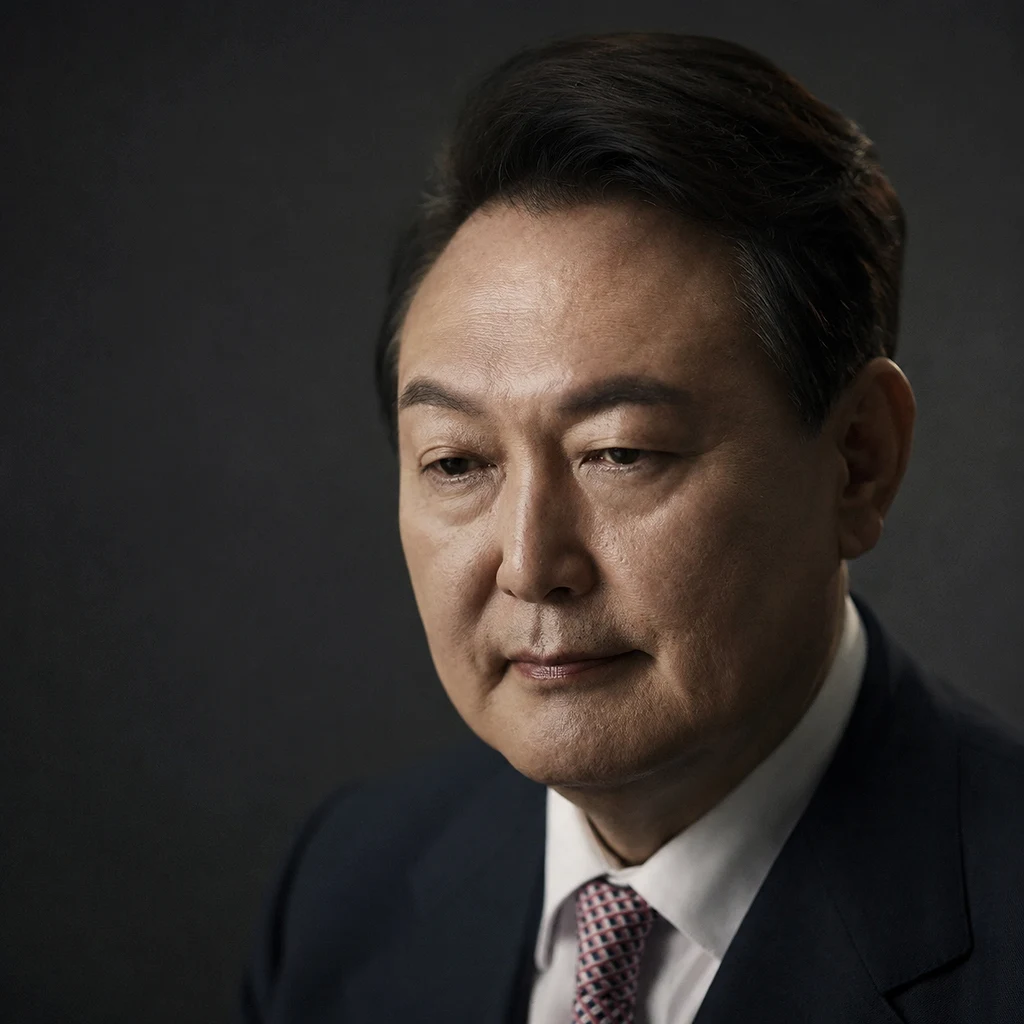
King Charles III at Four Years: Cancer, Family Scandal and a 58% Approval Rating — How He Stopped Complaining
2 min
What is on the HSK 5 word list?
The other 2,000 come from HSK 1–4. They cover news, business, academic and literary register: the vocabulary of newspapers, lectures, and film dialogue.
Scroll
HSK 5 word list
All 3,557 words from the official HSK 3.0 syllabus, the 1,579 new at HSK 5 first. The syllabus counts 3,599 because a few words are listed once per reading; here each appears once.
Pinyin from the syllabus, definitions from CC-CEDICT. Tap a word for its other senses.
Showing 3251–3300 of 3,557 · page 66 of 72
自己zìjǐHSK 2oneself
- oneself
- (attributive) one's own
走zǒuHSK 2to walk
- to walk
- to go
- to run
- to move (of vehicle)
- to visit
- to leave
- to go away
- to die (euph.)
- from
- through
- away (in compound verbs, such as 撤走)
- to change (shape, form, meaning)
走路zǒulùHSK 2to walk
- to walk
- to go on foot
- to leave
- to depart
- (informal) to clear off
- to beat it
- (of sb who gets fired or resigns) to leave the job
- to get out
足球zúqiúHSK 2soccer
- soccer
- football
- a soccer ball
- a football
最zuìHSK 2(before an adjective or verb) to the highest degree
- (before an adjective or verb) to the highest degree
- (the) most ...
- -est
- (after 之) best or most extreme example (e.g. 世界之最 "the greatest in the world")
- variant of 最
- old variant of 最
左zuǒHSK 2left
- left
- the Left (politics)
- east
- unorthodox
- queer
- wrong
- differing
- opposite
- surname Zuo
- variant of 佐
左边zuǒbianHSK 2left
- left
- the left side
- to the left of
爱àiHSK 1to love
- to love
- to be fond of
- to like
- affection
- to be inclined (to do sth)
- to tend to (happen)
八bāHSK 1eight
爸爸bàbaHSK 1(coll.) father
- (coll.) father
- dad
- CL:位
吧baHSK 1(modal particle indicating suggestion or surmise)
- (modal particle indicating suggestion or surmise)
- ...right?
- ...OK?
- ...I presume.
- bar (loanword) (serving drinks, or providing Internet access etc)
- to puff (on a pipe etc)
- (onom.) bang
- (onom.) smack!
- abbr. for 贴吧
白天báitiānHSK 1daytime
- daytime
- during the day
- day
- CL:个
百bǎiHSK 1hundred
- hundred
- numerous
- all kinds of
- surname Bai
半bànHSK 1half
- half
- semi-
- incomplete
- (after a number) and a half
包子bāoziHSK 1baozi
- baozi
- bao (steamed stuffed bun)
杯子bēiziHSK 1cup
- cup
- glass
- CL:个,只
本běnHSK 1classifier for books
- classifier for books
- this
- origin
- (bound form) root
- stem
- (bound form) origin
- source
- (bound form) one's own
- this
- (bound form) this
- the current (year etc)
- (bound form) original
- (bound form) inherent
- originally
- initially
- capital
- principal
- classifier for books, periodicals, files etc
边biānHSK 1side
- side
- edge
- margin
- border
- boundary
- CL:个
- simultaneously
- suffix of a noun of locality
便宜piányiHSK 1cheap
- cheap
- inexpensive
- a petty advantage
- to let sb off lightly
病bìngHSK 1illness
- illness
- CL:场
- disease
- to fall ill
- defect
不bùHSK 1no
- no
- not so
- (bound form) not
- un-
不客气bú kèqiHSK 1you're welcome
- you're welcome
- don't mention it
- impolite
- rude
- blunt
不要búyàoHSK 1don't!
- don't!
- must not
菜càiHSK 1vegetable
- vegetable
- greens (CL:棵)
- dish (of food) (CL:样,道,盘)
- (of one's skills etc) weak
- poor
- (coll.) (one's) type
茶cháHSK 1tea
- tea
- tea plant
- CL:杯,壶
唱chàngHSK 1to sing
- to sing
- to call loudly
- to chant
超市chāoshìHSK 1supermarket (abbr. for 超级市场)
- supermarket (abbr. for 超级市场)
- CL:家
车chēHSK 1car
- car
- vehicle
- CL:辆
- machine
- to shape with a lathe
- Kangxi radical 159
- war chariot (archaic)
- rook (in Chinese chess)
- rook (in chess)
- surname Che
吃chīHSK 1to eat
- to eat
- to consume
- to eat at (a cafeteria etc)
- to eradicate
- to destroy
- to absorb
- to suffer (shock, injury, defeat etc)
- variant of 吃
出租车chūzūchēHSK 1taxi
- taxi
- (Tw) rental car
穿chuānHSK 1to wear
- to wear
- to put on
- to bore through
- to pierce
- to perforate
- to go through (e.g. a tunnel)
- to cross (e.g. a street)
- to thread
- to string together
- to wear
- to put on (clothes, shoes etc.)
- verb complement indicating thoroughness or completion
打电话dǎ diànhuàHSK 1to make a telephone call
- to make a telephone call
大dàHSK 1big
- big
- large
- great
- older (than another person)
- eldest (as in 大姐)
- greatly
- freely
- fully
- (dialect) father
- (dialect) uncle (father's brother)
- see 大夫
大家dàjiāHSK 1everyone
- everyone
- influential family
- great expert
大学dàxuéHSK 1university
- university
- college
- CL:所
大学生dàxuéshēngHSK 1university student
- university student
- college student
到dàoHSK 1to reach
- to reach
- to arrive
- to leave for
- to go to
- to (a place)
- until (a time)
- up to (a point)
- (verb complement indicating arriving at a place or reaching a point)
- considerate
- thoughtful
- thorough
的deHSK 1of
- of
- ~'s (possessive particle)
- (used after an attribute when it modifies a noun)
- (used at the end of a declarative sentence for emphasis)
- (used after a noun, verb or adjective to form a nominal expression, as in 皮革的 "one made of leather" or 跑堂儿的 "a waiter (literally, one who runs back and forth in a restaurant)" or 新的 "new one")
- also pr. or in poetry and songs
- (bound form) a taxi
- a cab (abbr. for 的士)
- really and truly
- (bound form) bull's-eye
- target
弟弟dìdiHSK 1younger brother
- younger brother
- CL:个,位
第dìHSK 1(prefix indicating ordinal number, as in 第六 "sixth")
- (prefix indicating ordinal number, as in 第六 "sixth")
- (literary) grades in which successful candidates in the imperial examinations were placed
- (old) residence of a high official
- (literary) but
- however
- (literary) only
- just
点diǎnHSK 1o'clock
- o'clock
- a little
- point
- to touch briefly
- to tap
- to mark with a dot
- to check off (on a list)
- to order (food etc)
- to select
- to mention
- to bring up (a topic or person)
- to hint at
- to imply
- to administer (eye medicine etc) in drops
- to light (a fire, a lamp etc)
- to ignite
- to nod (one's head) in agreement
- to beckon by moving (one's hand) up and down
- point
- dot
- spot
- speck
- dot stroke in Chinese characters
- (math.) decimal point
- point in time or space
- (after a number) o'clock
- a small amount
- a bit
- (after a verb or adjective) a bit more
- classifier for small amounts
电话diànhuàHSK 1telephone
- telephone
- CL:部
- phone call
- CL:通
- phone number
电脑diànnǎoHSK 1computer
- computer
- CL:台
电视diànshìHSK 1television
- television
- TV
- CL:台,部
电影diànyǐngHSK 1movie
- movie
- film
- CL:部
电影院diànyǐngyuànHSK 1cinema
- cinema
- movie theater
- CL:家,座
店diànHSK 1inn
- inn
- old-style hotel (CL:家)
- (bound form) shop
- store
东西dōngxiHSK 1thing
- thing
- stuff
- person
- CL:个,件
都dōuHSK 1all
- all
- both
- entirely
- (used for emphasis) even
- already
- (not) at all
- capital city
- metropolis
- surname Du
读dúHSK 1to read out
- to read out
- to read aloud
- to read
- to attend (school)
- to study (a subject in school)
- to pronounce
- comma
- phrase marked by pause
Stories that use these HSK 5 words
Each one is a Fluentide Advanced (HSK 5+) story, written inside that word band. Press play; the first few need no account.
HSK 2 Chinese listening episodes






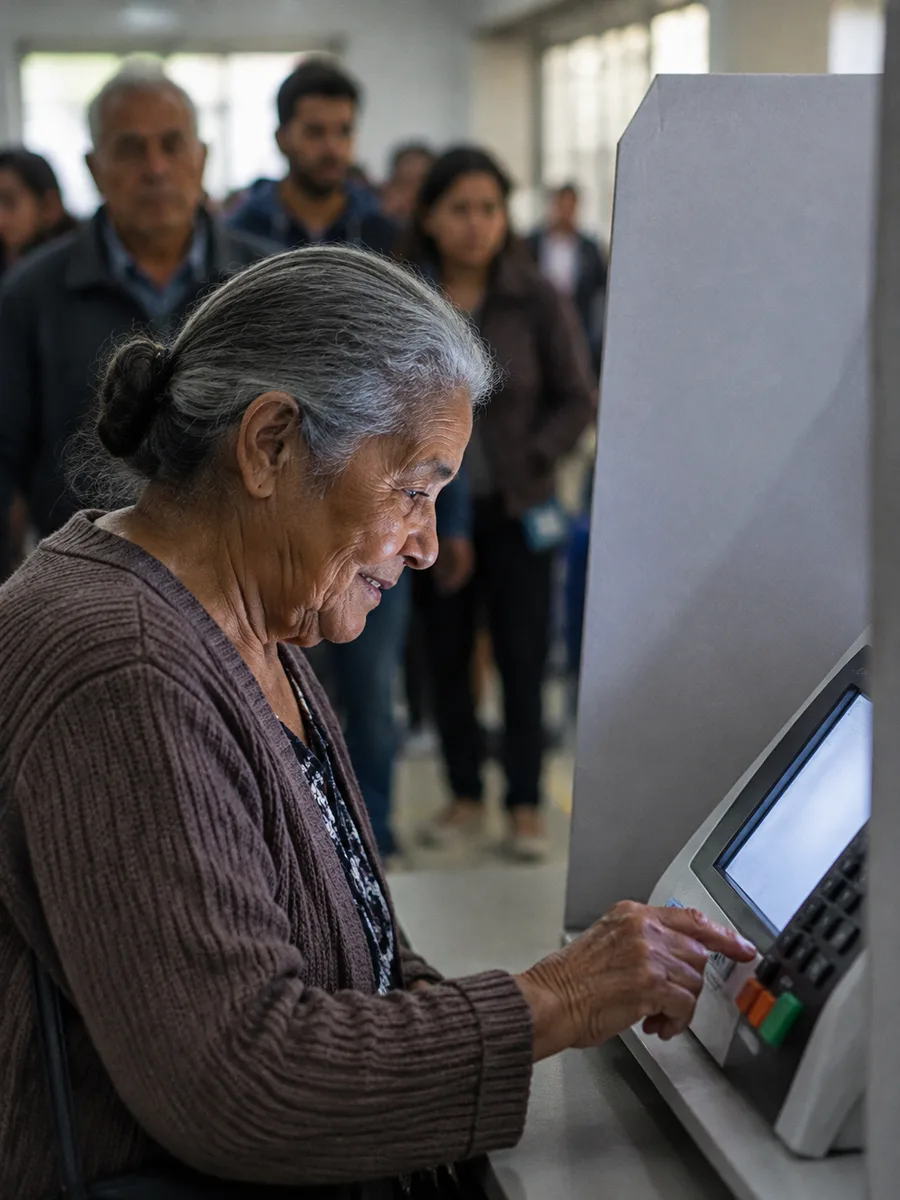










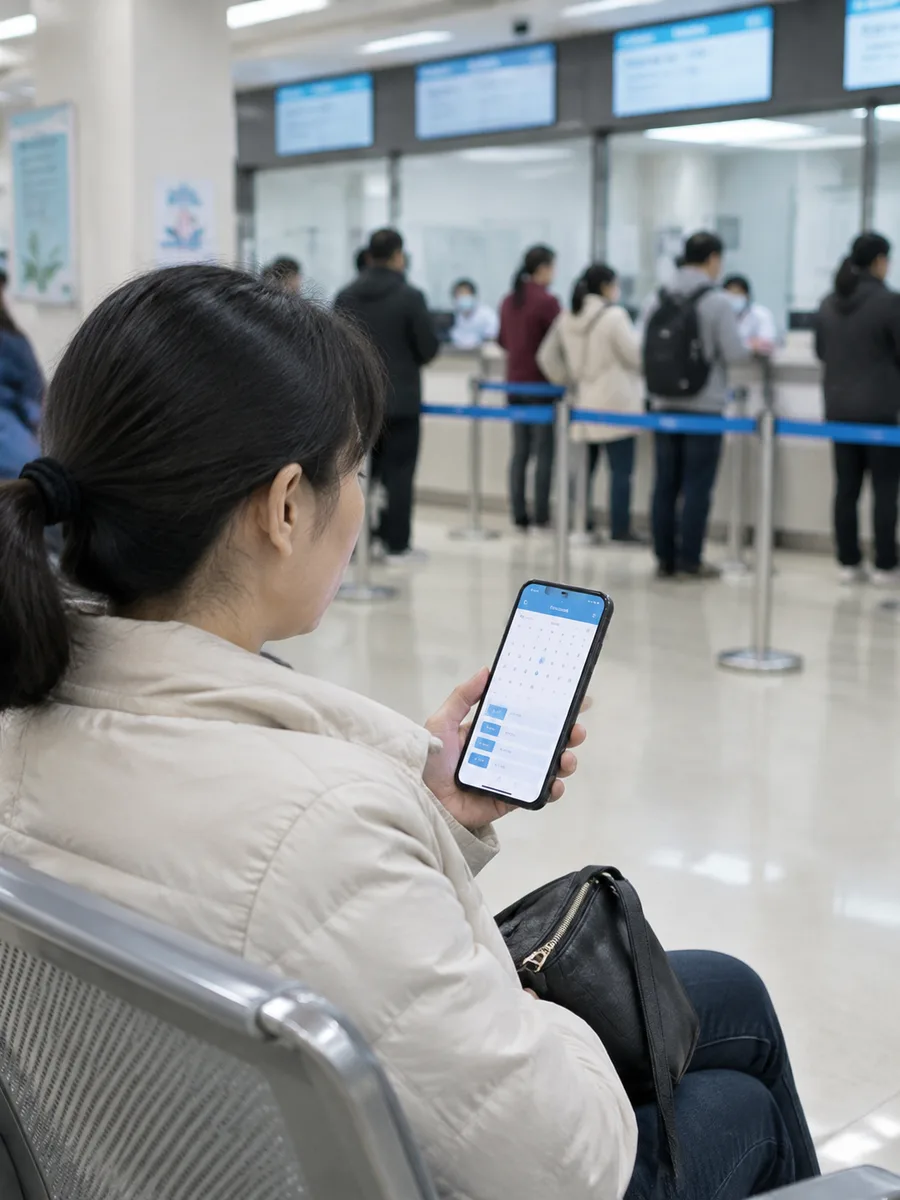

















































































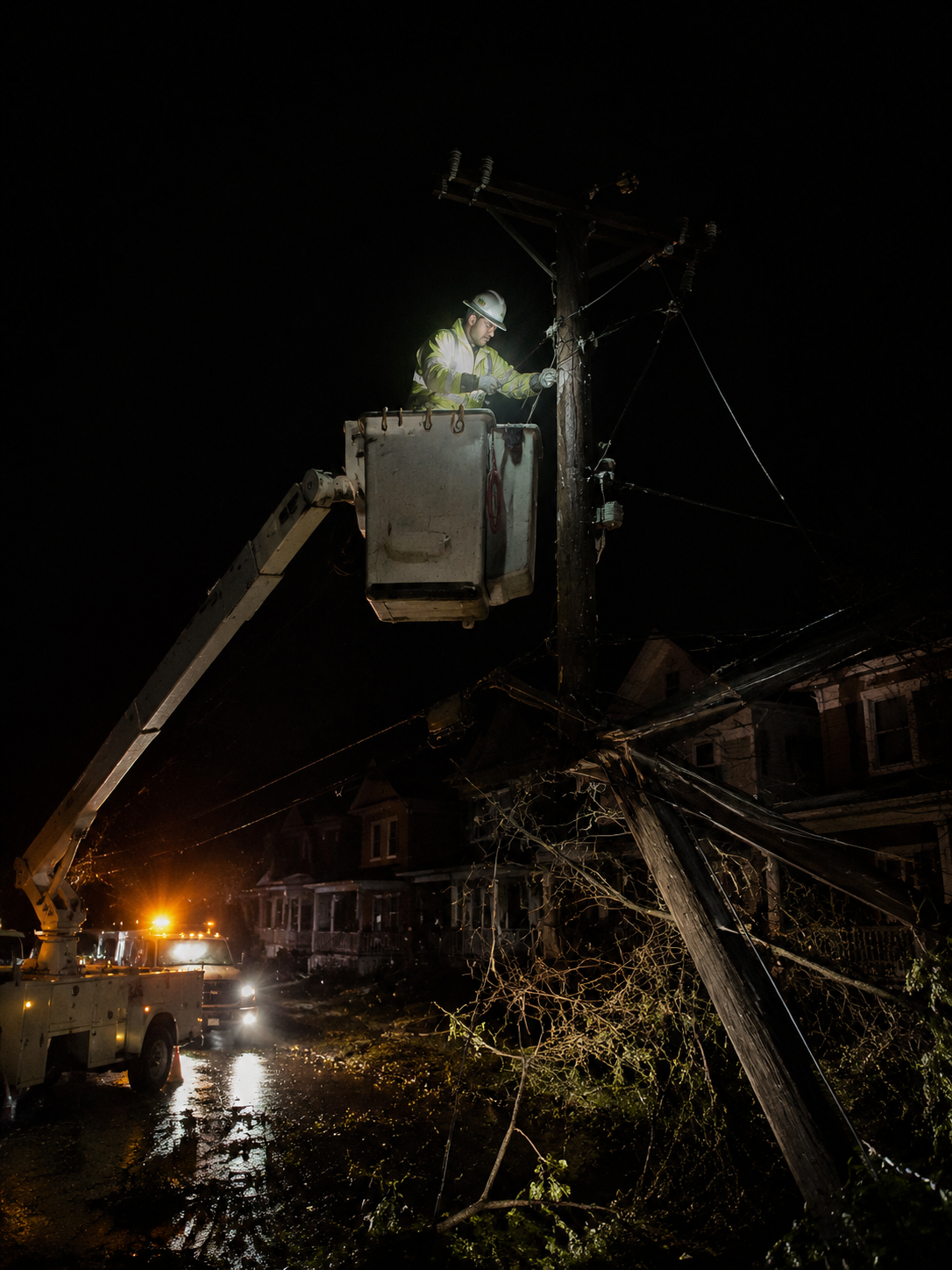
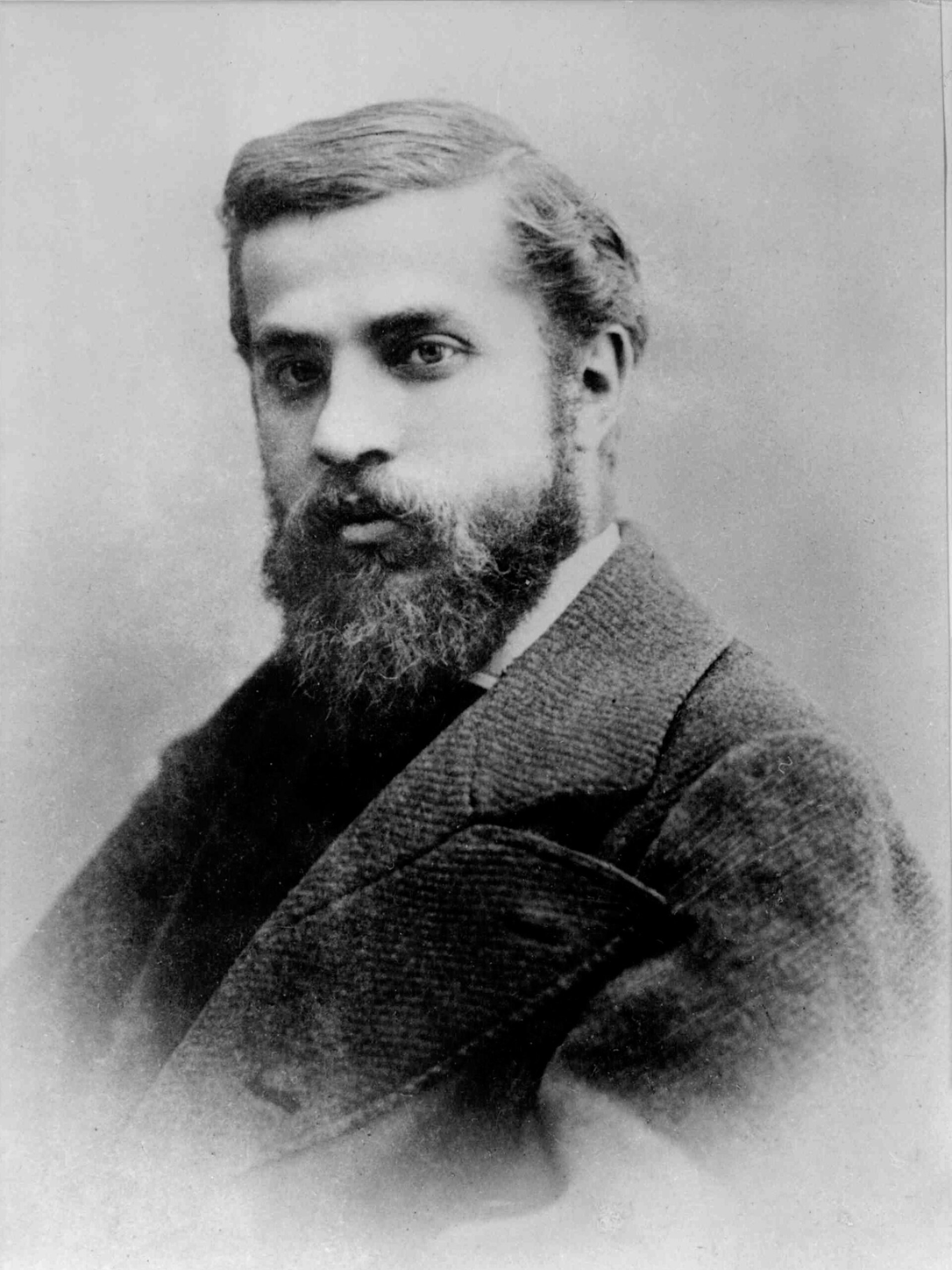














































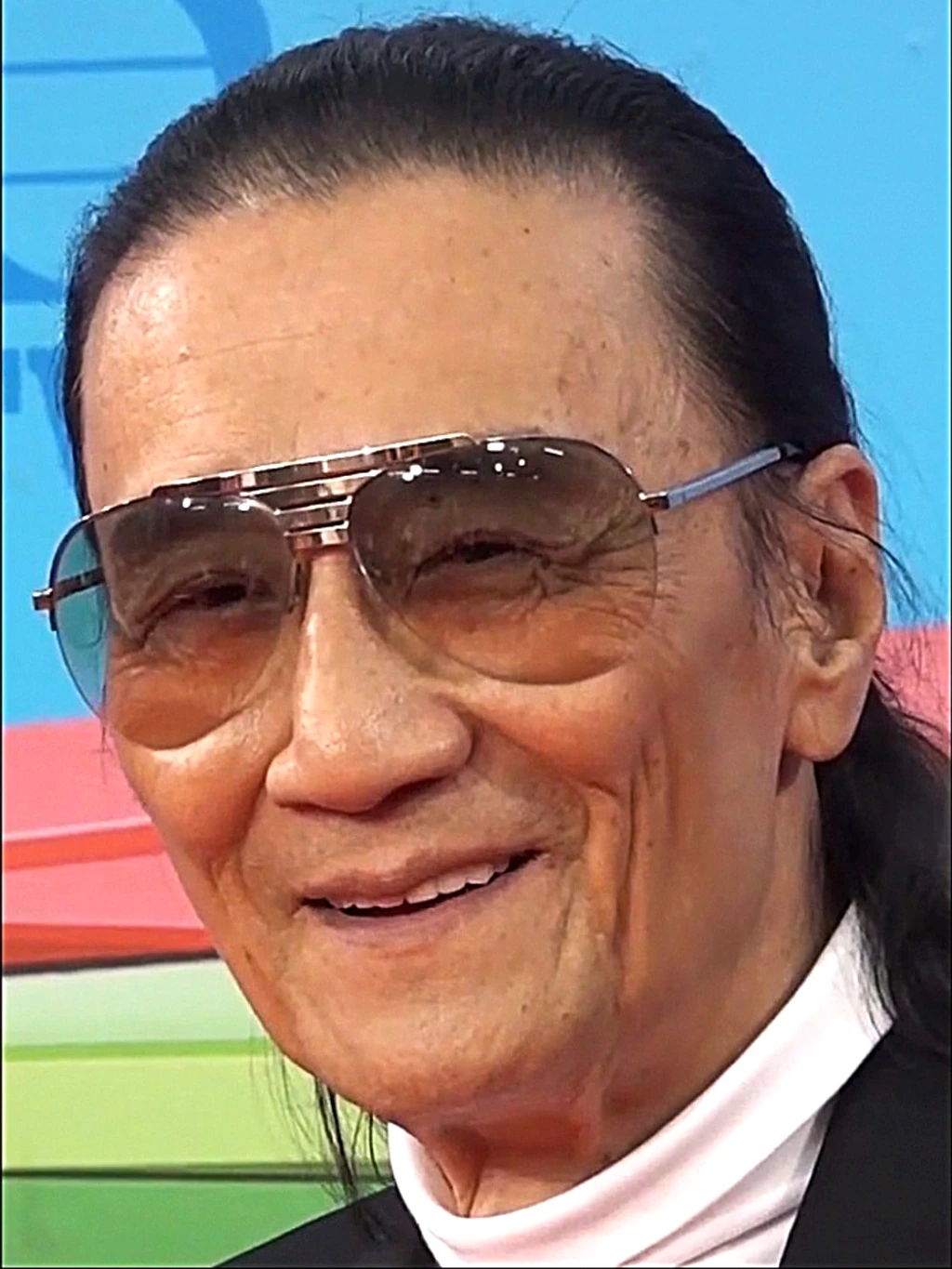



























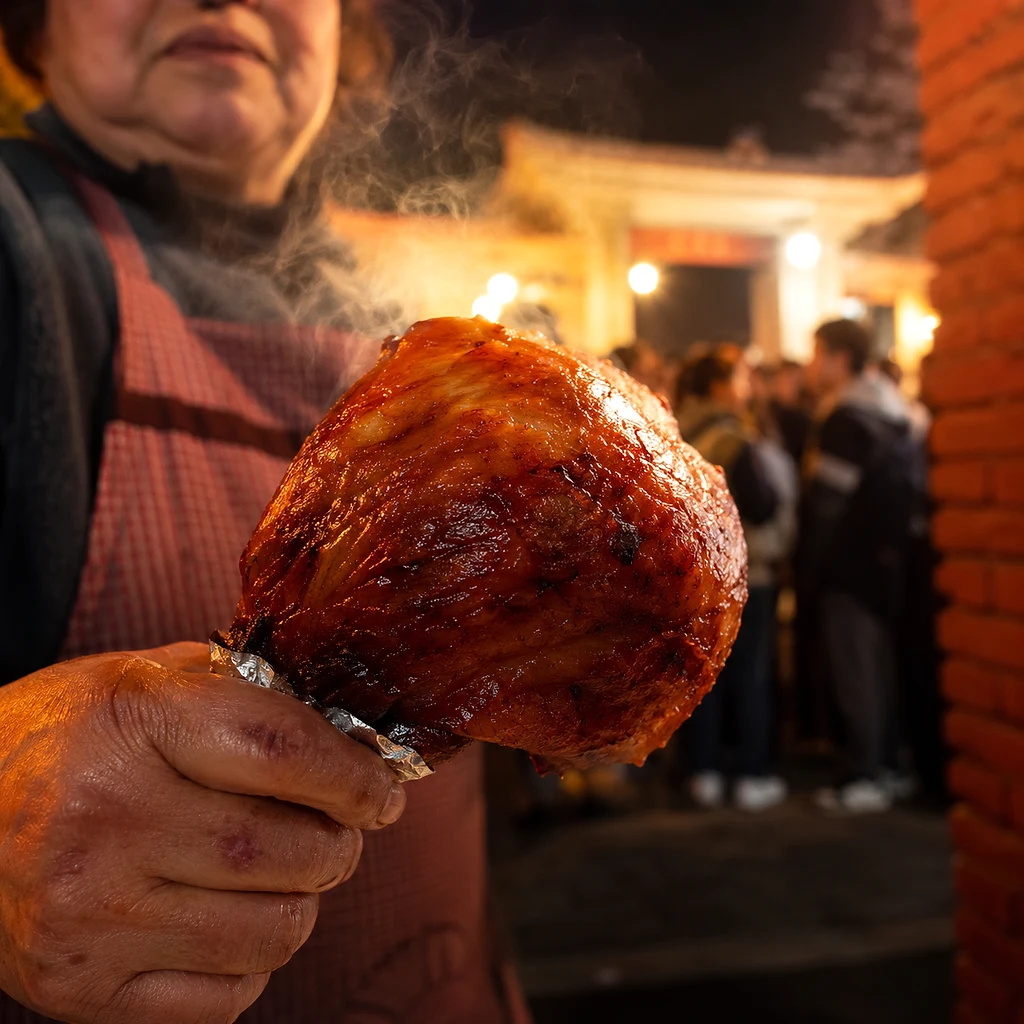



























































































HSK 3 Chinese listening episodes

HSK 4 Chinese listening episodes
HSK 5+ Chinese listening episodes
How to actually learn HSK 5 vocabulary
Reading a word on a page and catching it at speed in a sentence are different skills. The HSK listening section tests the second.
Scroll
The method in practice
Hear HSK 5 vocabulary in real Mandarin
Each HSK 5 episode uses this word band, with the transcript, pinyin and line-by-line English. Five free episodes after a one-tap magic-link sign-in — no password, no payment.