

HSK 5 Vocabulary List: 3,599 Words (HSK 3.0)
HSK 5 has 3,599 words in HSK 3.0, 1,599 of them new at this level (the old HSK 2.0 list had 2,500). Fluentide has 292 free stories at the Advanced (HSK 5+) level that use them, with transcript and pinyin.
By Haoshan Hong · Native Mandarin speaker · Updated October 2026
Hear HSK 5 words in a real story

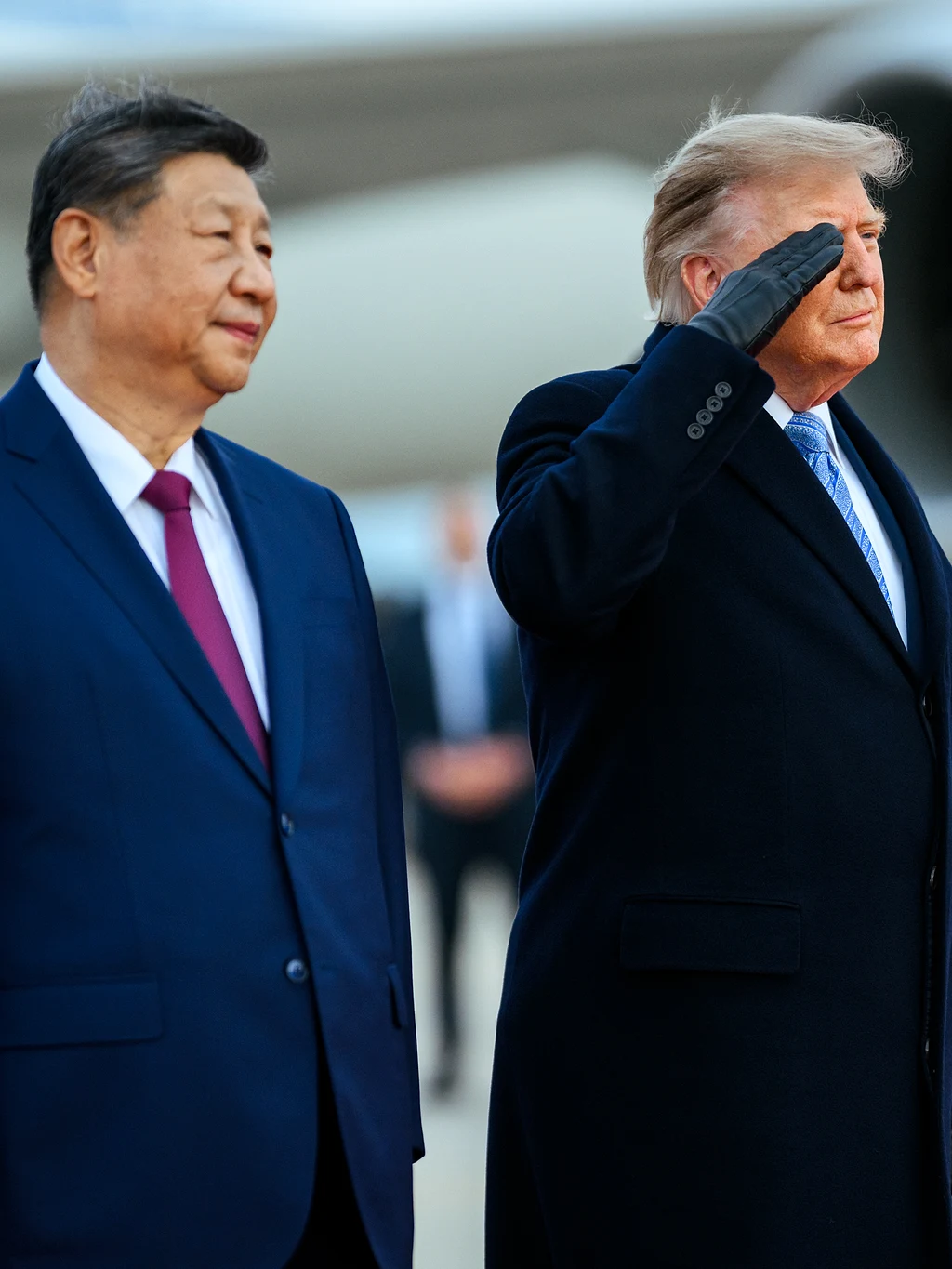
《经济学人》劝华盛顿:让中国抄美国AI
The Economist Urges Washington: Let China Copy American AI — Why Banning Distillation Would Backfire
2 min
What is on the HSK 5 word list?
The other 2,000 come from HSK 1–4. They cover news, business, academic and literary register: the vocabulary of newspapers, lectures, and film dialogue.
Scroll
HSK 5 word list
All 3,557 words from the official HSK 3.0 syllabus, the 1,579 new at HSK 5 first. The syllabus counts 3,599 because a few words are listed once per reading; here each appears once.
Pinyin from the syllabus, definitions from CC-CEDICT. Tap a word for its other senses.
Showing 3201–3250 of 3,557 · page 65 of 72
头tóu / touHSK 2head
- head
- hair style
- the top
- end
- beginning or end
- a stub
- remnant
- chief
- boss
- side
- aspect
- first
- leading
- classifier for pigs or livestock
- CL:个
- suffix for nouns
外国wàiguóHSK 2foreign country
- foreign country
外面wàimiànHSK 2outside (also pr. for this sense)
- outside (also pr. for this sense)
- surface
- exterior
- external appearance
完wánHSK 2to finish
- to finish
- to be over
- whole
- complete
- entire
万wànHSK 2ten thousand
- ten thousand
- a great number
- surname Wan
- used in 万俟
网上wǎngshangHSK 2online
- online
往wǎngHSK 2to go (in a direction)
- to go (in a direction)
- to
- towards
- (of a train) bound for
- past
- previous
- old variant of 往
忘wàngHSK 2to forget
- to forget
- to overlook
- to neglect
为什么wèi shénmeHSK 2why?
- why?
- for what reason?
位wèiHSK 2position
- position
- location
- place
- seat
- classifier for people (honorific)
- classifier for binary bits (e.g. 十六位 16-bit or 2 bytes)
- (physics) potential
希望xīwàngHSK 2to hope
- to hope
- a hope
- a wish
洗xǐHSK 2to wash
- to wash
- to bathe
- to develop (photographs)
- to shuffle (cards etc)
- to erase (a recording)
- used in 洗马
洗手间xǐshǒujiānHSK 2toilet
- toilet
- lavatory
- washroom
下来xiàláiHSK 2to come down
- to come down
- (completed action marker)
- (after verb of motion, indicates motion down and towards us, also fig.)
- (indicates continuation from the past towards us)
- to be harvested (of crops)
- to be over (of a period of time)
- to go among the masses (said of leaders)
下面xiàmiànHSK 2below
- below
- under
- next
- the following
- also pr.
下去xiàqùHSK 2to go down
- to go down
- to descend
- to go on
- to continue
- (of a servant) to withdraw
小孩儿xiǎoháirHSK 2child
- child
- CL:个
小时候xiǎoshíhouHSK 2in one's childhood
- in one's childhood
笑xiàoHSK 2to laugh
- to laugh
- to smile
- to laugh at
- old variant of 笑
姓xìngHSK 2family name
- family name
- surname
- to be surnamed ...
姓名xìngmíngHSK 2surname and given name
- surname and given name
- full name
颜色yánsèHSK 2color
- color
- countenance
- appearance
- facial expression
- pigment
- dyestuff
眼睛yǎnjingHSK 2eye
药yàoHSK 2medicine
- medicine
- drug
- leaf of the iris
- medicine
- drug
- substance used for a specific purpose (e.g. poisoning, explosion, fermenting)
- CL:种,服,味
- to poison
- variant of 药
药店yàodiànHSK 2pharmacy
- pharmacy
- drugstore
爷爷yéyeHSK 2(coll.) paternal grandfather
- (coll.) paternal grandfather
- grandpa
一会儿yíhuìrHSK 2a moment
- a moment
- a while
- in a moment
- now...now...
- also pr.
一起yìqǐHSK 2together
- together
- (in) the same place
- together
- in company (with)
- altogether
- in total
- an instance of
- a case of (murder, accident, dispute etc)
已经yǐjīngHSK 2already
意思yìsiHSK 2idea
- idea
- opinion
- meaning
- wish
- desire
- interest
- fun
- token of appreciation, affection etc
- CL:个
- to give as a small token
- to do sth as a gesture of goodwill etc
因为yīnwèiHSK 2because
- because
- owing to
- on account of
阴yīnHSK 2overcast (weather)
- overcast (weather)
- cloudy
- shady
- Yin (the negative principle of Yin and Yang)
- negative (electric.)
- feminine
- moon
- implicit
- hidden
- genitalia
- surname Yin
- variant of 阴
游yóuHSK 2to swim
- to swim
- to walk
- to tour
- to roam
- to travel
- surname You
- variant of 游
游泳yóuyǒngHSK 2swimming
- swimming
- to swim
有时yǒushíHSK 2sometimes
- sometimes
- now and then
有意思yǒu yìsiHSK 2interesting
- interesting
- meaningful
- enjoyable
- fun
右yòuHSK 2(bound form) right
- (bound form) right
- right-hand side
- (bound form) (politics) right of center
- (bound form) (old) west
- (literary) the right side as the side of precedence
右边yòubianHSK 2right side
- right side
- right, to the right
鱼yúHSK 2fish (CL:条,尾)
- fish (CL:条,尾)
- used in the names of various aquatic animals that are not fish (including abalone 鲍鱼, alligators and crocodiles 鳄鱼 and octopi 章鱼)
- surname Yu
远yuǎnHSK 2far
- far
- distant
- remote
- (intensifier in a comparison) by far
- much (lower etc)
- to distance oneself from (classical)
运动yùndòngHSK 2to move
- to move
- to exercise
- sports
- exercise
- motion
- movement
- campaign
- CL:场
站zhànHSK 2station
- station
- to stand
- to halt
- to stop
- branch of a company or organization
- website
长cháng / zhǎngHSK 2long
- long
- (bound form) length
- (bound form) strong point
- forte
- (bound form) to be good at
- (literary) surplus
- spare (Taiwan pr. )
- chief
- head
- elder
- to grow
- to develop
- to increase
- to enhance
丈夫zhàngfuHSK 2husband
这么zhèmeHSK 2so much
- so much
- this much
- how much?
- this way
- like this
这样zhèyàngHSK 2this way
- this way
- like this
- so
- (before a noun) this kind of
- such
着zhe / zháoHSK 2aspect particle indicating action in progress or ongoing state
- aspect particle indicating action in progress or ongoing state
- a move in chess (Taiwan pr. )
- trick
- tactic
- (dialect) okay
- all right
- (dialect) to put in
- to add
- to touch
- to come in contact with
- to feel
- to be affected by
- to catch fire
- to burn
- (coll.) to fall asleep
- (after a verb) hitting the mark
- succeeding in
- to wear (clothes)
- to contact
- to use
- to apply
- variant of 着
- variant of 着
- variant of 着
- variant of 着
正zhèngHSK 2straight
- straight
- upright
- proper
- main
- principal
- to correct
- to rectify
- exactly
- just (at that time)
- right (in that place)
- (math.) positive
- first month of the lunar year
周zhōuHSK 2week
- week
- circle
- to make a circuit
- to circle
- circle
- circumference
- lap
- cycle
- complete
- all
- all over
- thorough
- to help financially
- week
- weekly
- surname Zhou
- Zhou Dynasty (1046–256 BC)
- variant of 周
准备zhǔnbèiHSK 2preparation
- preparation
- to prepare
- to intend
- to be about to
- reserve (fund)
Stories that use these HSK 5 words
Each one is a Fluentide Advanced (HSK 5+) story, written inside that word band. Press play; the first few need no account.
HSK 2 Chinese listening episodes
































































































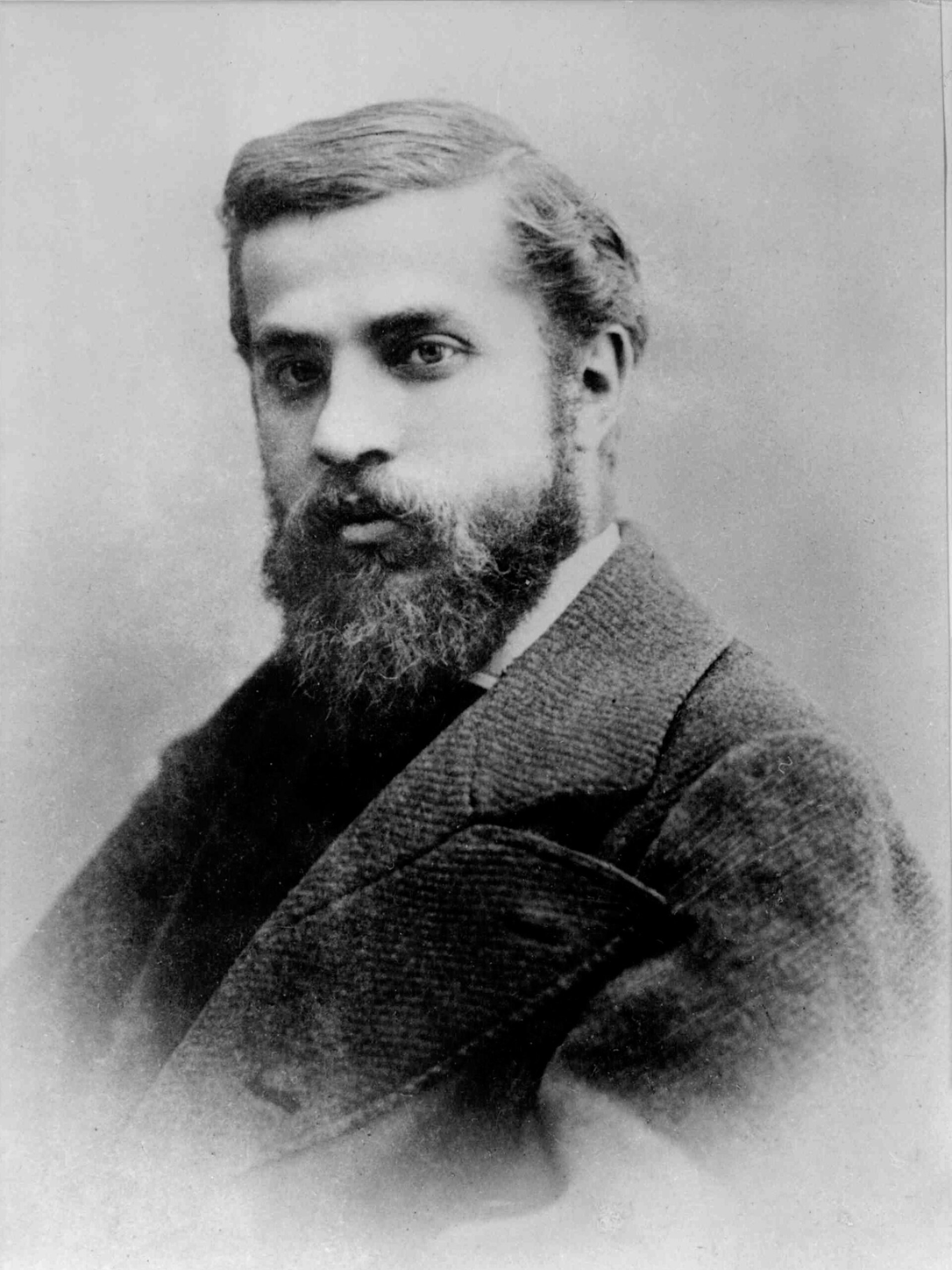
















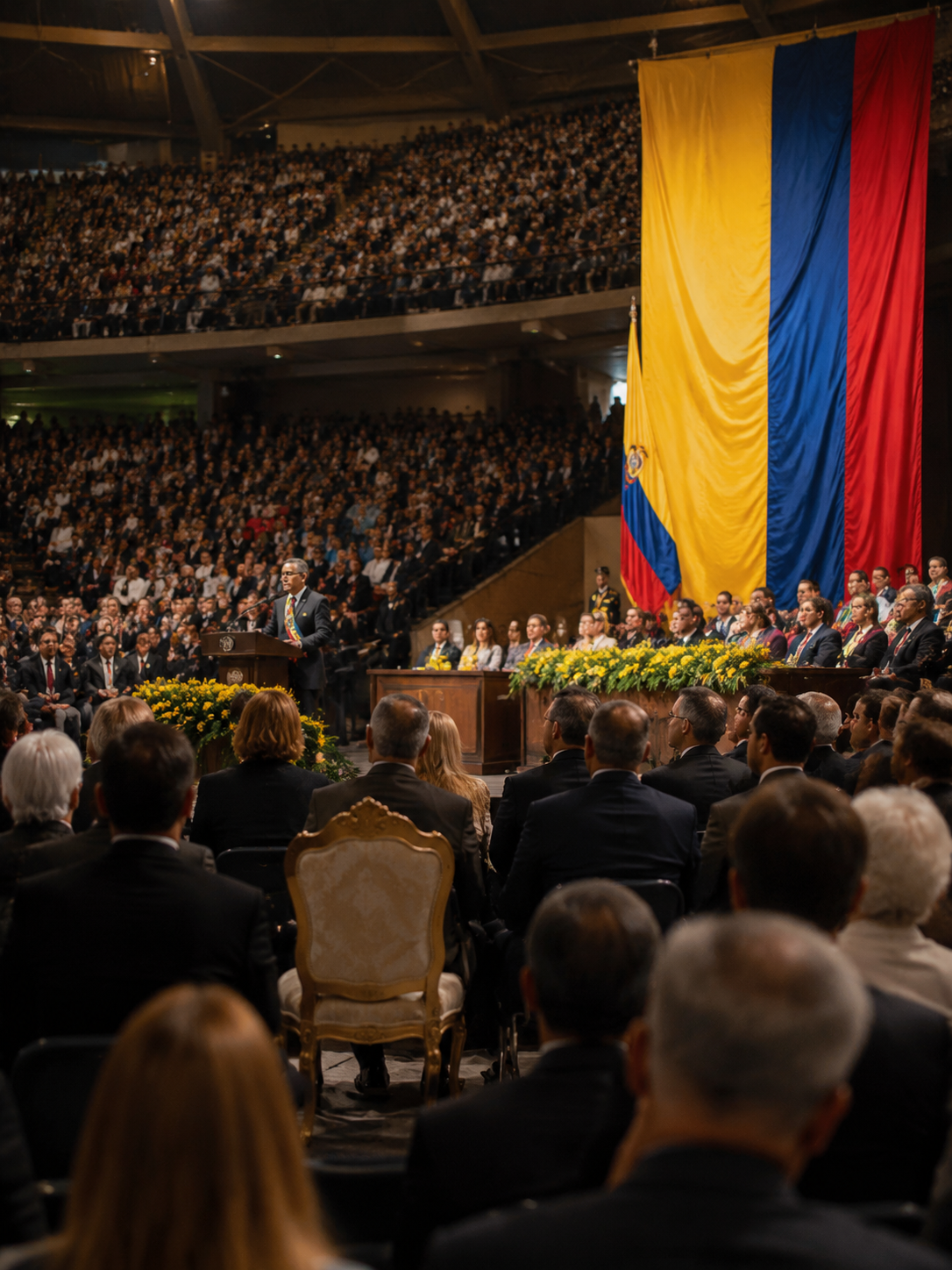









































































































































HSK 3 Chinese listening episodes

HSK 4 Chinese listening episodes
HSK 5+ Chinese listening episodes
How to actually learn HSK 5 vocabulary
Reading a word on a page and catching it at speed in a sentence are different skills. The HSK listening section tests the second.
Scroll
The method in practice
Hear HSK 5 vocabulary in real Mandarin
Each HSK 5 episode uses this word band, with the transcript, pinyin and line-by-line English. Five free episodes after a one-tap magic-link sign-in — no password, no payment.