

HSK 5 Vocabulary List: 3,599 Words (HSK 3.0)
HSK 5 has 3,599 words in HSK 3.0, 1,599 of them new at this level (the old HSK 2.0 list had 2,500). Fluentide has 292 free stories at the Advanced (HSK 5+) level that use them, with transcript and pinyin.
By Haoshan Hong · Native Mandarin speaker · Updated October 2026
Hear HSK 5 words in a real story

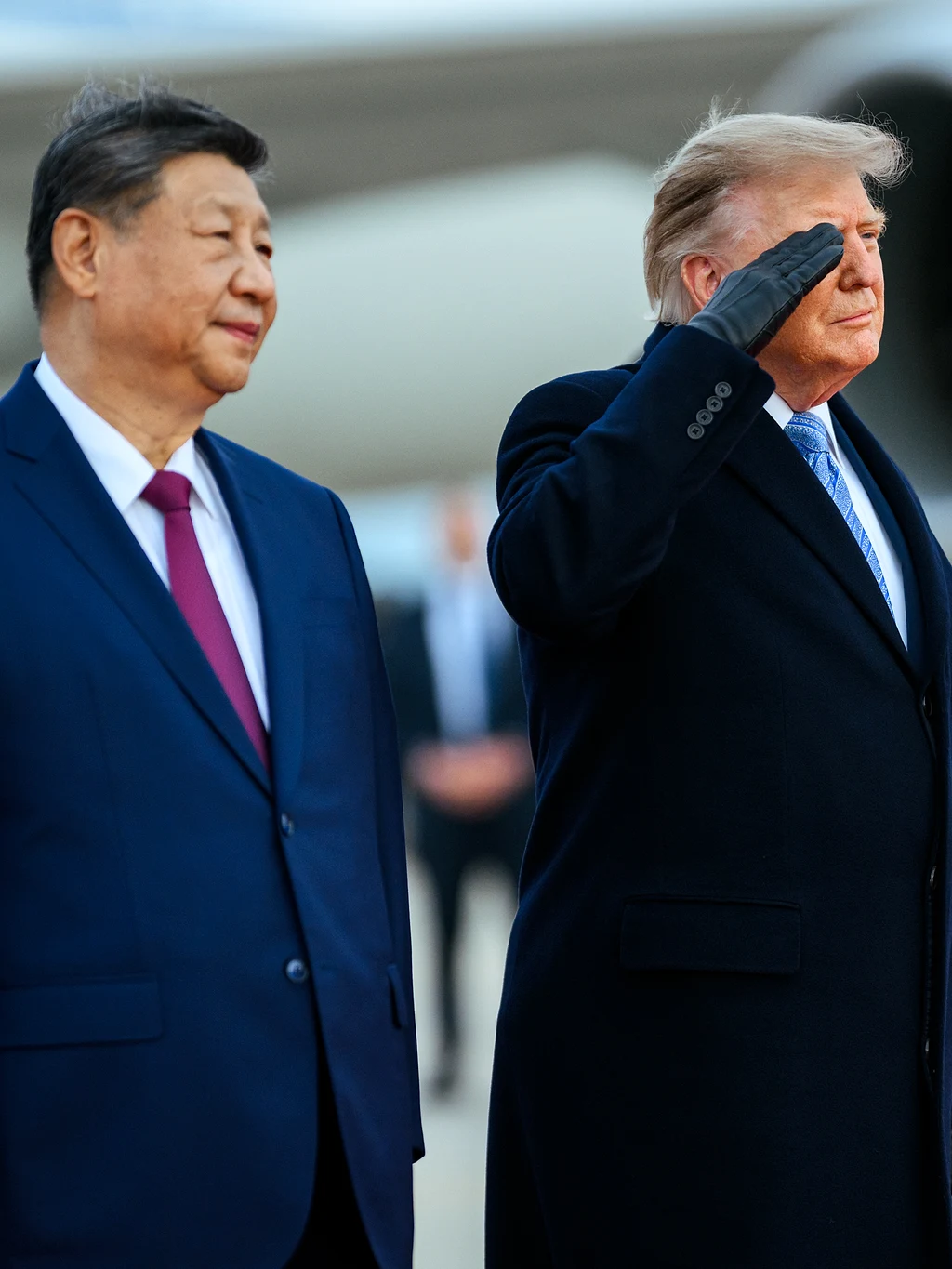
《经济学人》劝华盛顿:让中国抄美国AI
The Economist Urges Washington: Let China Copy American AI — Why Banning Distillation Would Backfire
2 min
What is on the HSK 5 word list?
The other 2,000 come from HSK 1–4. They cover news, business, academic and literary register: the vocabulary of newspapers, lectures, and film dialogue.
Scroll
HSK 5 word list
All 3,557 words from the official HSK 3.0 syllabus, the 1,579 new at HSK 5 first. The syllabus counts 3,599 because a few words are listed once per reading; here each appears once.
Pinyin from the syllabus, definitions from CC-CEDICT. Tap a word for its other senses.
Showing 3151–3200 of 3,557 · page 64 of 72
绿茶lǜcháHSK 2green tea
- green tea
- (slang) (of a girl) seemingly innocent and charming but actually calculating and manipulative
- a girl who has these qualities
绿色lǜsèHSK 2green
- green
慢mànHSK 2slow
没意思méi yìsiHSK 2boring
- boring
- of no interest
每měiHSK 2each
门ménHSK 2door
- door
- gate
- gate
- door
- doorway
- gateway
- opening (CL:扇)
- valve
- switch
- other door-like or gate-like structure
- way to do sth
- knack
- method
- approach
- family
- household
- lineage
- (bound form) sect
- school
- faction (religious or academic)
- (bound form) class
- category
- division
- phylum
- classifier for courses, fields of study, branches of technology, relatives by marriage, guns etc
- (suffix) -gate (scandal)
- surname Men
门口ménkǒuHSK 2doorway
- doorway
- gate
- CL:个
门票ménpiàoHSK 2ticket (for theater, cinema etc)
- ticket (for theater, cinema etc)
面miànHSK 2face
- face
- side
- surface
- aspect
- top
- classifier for objects with flat surfaces such as drums, mirrors, flags etc
- flour
- noodles
- (of food) soft (not crunchy)
- (slang) (of a person) ineffectual
- spineless
- variant of 面
名míngHSK 2name
- name
- noun (part of speech)
- place (e.g. among winners)
- famous
- classifier for people
拿náHSK 2to hold
- to hold
- to seize
- to catch
- to apprehend
- to take
- (used in the same way as 把: to mark the following noun as a direct object)
- old variant of 拿
- variant of 拿
那么nàmeHSK 2like that
- like that
- in that way
- to that extent
- (before a number) ... or so
- about ...
- then
- in that case
那样nàyàngHSK 2that kind
- that kind
- that sort
奶茶nǎicháHSK 2milk tea
- milk tea
奶奶nǎinaiHSK 2(informal) grandma (paternal grandmother)
- (informal) grandma (paternal grandmother)
- (respectful) mistress of the house
- CL:位
- (coll.) boobies
- breasts
男孩儿nánháirHSK 2erhua form of 男孩
- erhua form of 男孩
鸟niǎoHSK 2bird
- bird
- CL:只,群
- "bird" radical in Chinese characters (Kangxi radical 196)
- (intensifier) damned
- goddamn
- (dialect) to pay attention to
- penis
- variant of 屌
女孩儿nǚháirHSK 2erhua form of 女孩
- erhua form of 女孩
旁边pángbiānHSK 2side
- side
- adjacent place
跑pǎoHSK 2to run
- to run
- to run away
- to escape
- to run around (on errands etc)
- (of a gas or liquid) to leak or evaporate
- (verb complement) away
- off
- (of an animal) to paw (the ground)
跑步pǎobùHSK 2to run
- to run
- to jog
- (military) to march at the double
票piàoHSK 2ticket
- ticket
- ballot
- banknote
- CL:张
- person held for ransom
- amateur performance of Chinese opera
- classifier for groups, batches, business transactions
妻子qīziHSK 2wife
起来qǐláiHSK 2to stand up
- to stand up
- to get up
- also pr.
前面qiánmiànHSK 2ahead
- ahead
- in front
- preceding
- above
- also pr.
晴qíngHSK 2clear
- clear
- fine (weather)
球qiúHSK 2ball used for playing games (variant of 球)
- ball used for playing games (variant of 球)
- ball
- sphere
- globe
- CL:个
- ball game
- match
- CL:场
让ràngHSK 2to let
- to let
- to allow
- to make (sb do sth)
- to yield
- to permit
- to let sb do sth
- to have sb do sth
- to make sb (feel sad etc)
- by (indicates the agent in a passive clause, like 被)
肉ròuHSK 2meat
- meat
- flesh
- pulp (of a fruit)
- (coll.) (of a fruit) squashy
- (of a person) flabby
- irresolute
- Kangxi radical 130
商场shāngchǎngHSK 2shopping mall
- shopping mall
- shopping center
- department store
- emporium
- CL:家
- the business world
上来shàngláiHSK 2to come up
- to come up
- to approach
- (verb complement indicating success)
上面shàngmiànHSK 2on top of
- on top of
- above-mentioned
- also pr.
上去shàngqùHSK 2to go up
- to go up
上网shàngwǎngHSK 2to go online
- to go online
- to connect to the Internet
- (of a document etc) to be uploaded to the Internet
- (tennis, volleyball etc) to move in close to the net
身体shēntǐHSK 2the body
- the body
- one's health
生日shēngrìHSK 2birthday
- birthday
- CL:个
时shíHSK 2o'clock
- o'clock
- time
- when
- hour
- season
- period
- surname Shi
- old variant of 时
事情shìqingHSK 2affair
- affair
- matter
- thing
- business
- CL:件,桩
手shǒuHSK 2hand
- hand
- (formal) to hold
- person engaged in certain types of work
- person skilled in certain types of work
- personal(ly)
- convenient
- classifier for skill
- CL:双,只
手表shǒubiǎoHSK 2wristwatch
- wristwatch
- CL:块,只,个
书包shūbāoHSK 2schoolbag
- schoolbag
- satchel
- bookbag
- CL:个,只
舒服shūfuHSK 2comfortable
- comfortable
- feeling well
送sòngHSK 2to send
- to send
- to deliver
- to transmit
- to give (as a present)
- to see (sb) off
- to accompany
- to go along with
虽然suīránHSK 2although
- although
- even though (often used correlatively with 可是 or 但是 etc)
所以suǒyǐHSK 2therefore
- therefore
- as a result
- so
- the reason why
疼téngHSK 2(it) hurts
- (it) hurts
- sore
- to love dearly
踢tīHSK 2to kick
- to kick
- to play (e.g. soccer)
- (slang) butch (in a lesbian relationship)
题tíHSK 2topic
- topic
- problem for discussion
- exam question
- subject
- to inscribe
- to mention
- CL:个,道
- surname Ti
条tiáoHSK 2strip
- strip
- item
- article
- clause (of law or treaty)
- classifier for long thin things (ribbon, river, road, trousers etc)
跳舞tiàowǔHSK 2to dance
Stories that use these HSK 5 words
Each one is a Fluentide Advanced (HSK 5+) story, written inside that word band. Press play; the first few need no account.
HSK 2 Chinese listening episodes














































































































































































































































































HSK 3 Chinese listening episodes

HSK 4 Chinese listening episodes
HSK 5+ Chinese listening episodes
How to actually learn HSK 5 vocabulary
Reading a word on a page and catching it at speed in a sentence are different skills. The HSK listening section tests the second.
Scroll
The method in practice
Hear HSK 5 vocabulary in real Mandarin
Each HSK 5 episode uses this word band, with the transcript, pinyin and line-by-line English. Five free episodes after a one-tap magic-link sign-in — no password, no payment.