

HSK 5 Vocabulary List: 3,599 Words (HSK 3.0)
HSK 5 has 3,599 words in HSK 3.0, 1,599 of them new at this level (the old HSK 2.0 list had 2,500). Fluentide has 292 free stories at the Advanced (HSK 5+) level that use them, with transcript and pinyin.
By Haoshan Hong · Native Mandarin speaker · Updated October 2026
Hear HSK 5 words in a real story

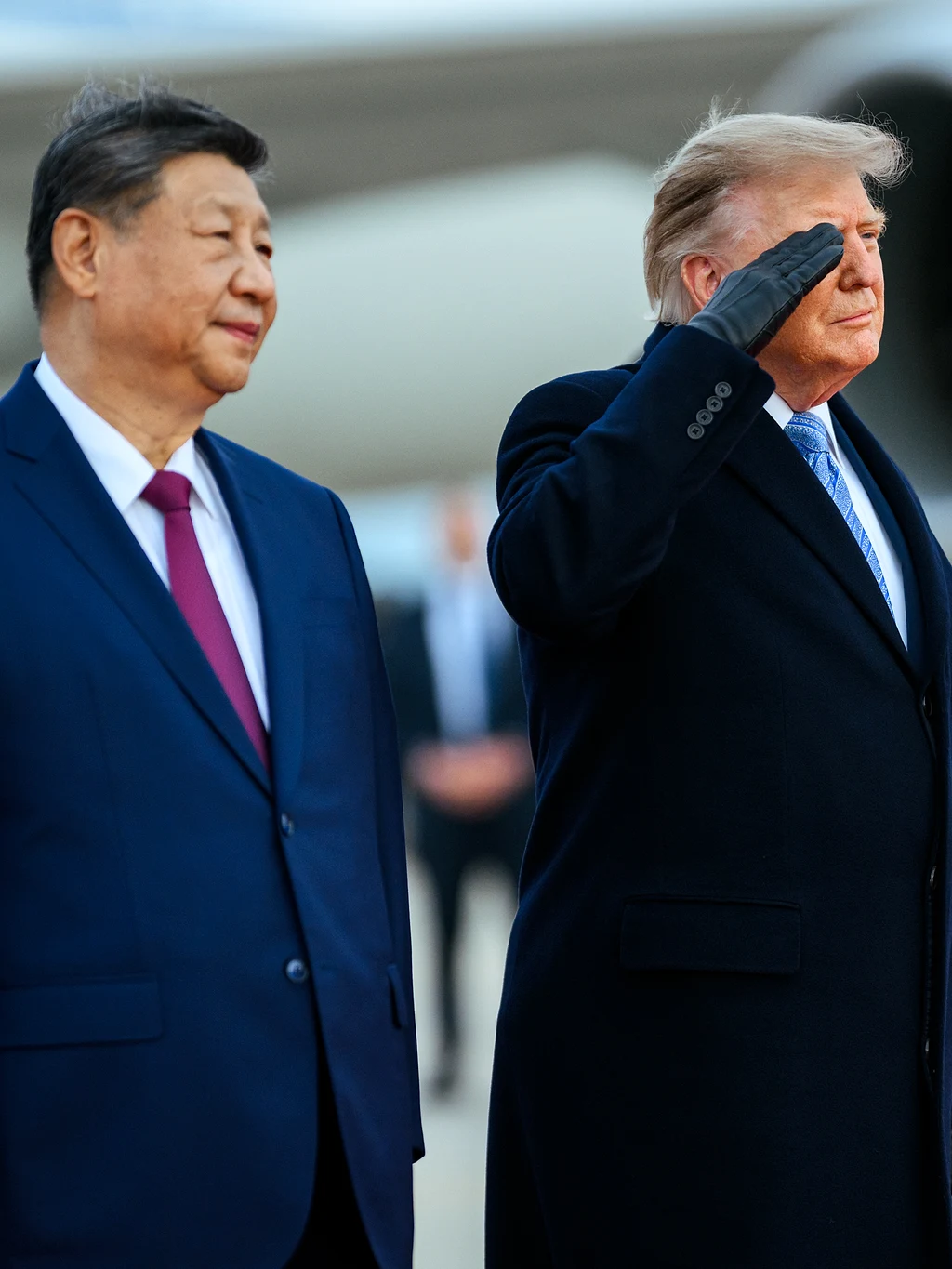
《经济学人》劝华盛顿:让中国抄美国AI
The Economist Urges Washington: Let China Copy American AI — Why Banning Distillation Would Backfire
2 min
What is on the HSK 5 word list?
The other 2,000 come from HSK 1–4. They cover news, business, academic and literary register: the vocabulary of newspapers, lectures, and film dialogue.
Scroll
HSK 5 word list
All 3,557 words from the official HSK 3.0 syllabus, the 1,579 new at HSK 5 first. The syllabus counts 3,599 because a few words are listed once per reading; here each appears once.
Pinyin from the syllabus, definitions from CC-CEDICT. Tap a word for its other senses.
Showing 3051–3100 of 3,557 · page 62 of 72
字典zìdiǎnHSK 3Chinese character dictionary (containing entries for single characters, contrasted with a 词典, which has entries for words of one or more characters)
- Chinese character dictionary (containing entries for single characters, contrasted with a 词典, which has entries for words of one or more characters)
- (coll.) dictionary
- CL:本
自行车zìxíngchēHSK 3bicycle
- bicycle
- bike
- CL:辆
总zǒngHSK 3(bound form) general
- (bound form) general
- overall
- to sum up
- in every case
- always
- invariably
- anyway
- after all
- eventually
- sooner or later
- surely
- (after a person's name) abbr. for 总经理 or 总编 etc
总是zǒngshìHSK 3always
嘴zuǐHSK 3mouth
- mouth
- beak
- nozzle
- spout (of teapot etc)
- CL:张,个
最好zuìhǎoHSK 3best
- best
- had better ...
- it would be best to ...
最后zuìhòuHSK 3final
- final
- last
- ultimate
- finally
- in the end
最近zuìjìnHSK 3recently
- recently
- soon
- nearest
作业zuòyèHSK 3school assignment
- school assignment
- homework
- work
- task
- operation
- CL:个
- to operate
做客zuòkèHSK 3to be a guest or visitor
- to be a guest or visitor
啊a / āHSK 2modal particle ending sentence, showing affirmation, approval, or consent
- modal particle ending sentence, showing affirmation, approval, or consent
- interjection of surprise
- Ah!
- Oh!
- interjection expressing doubt or requiring answer
- Eh?
- what?
- interjection of surprise or doubt
- Eh?
- My!
- what's up?
- interjection or grunt of agreement
- uhm
- Ah, OK
- expression of recognition
- Oh, it's you!
爱好àihàoHSK 2to like
- to like
- to be fond of
- to take pleasure in
- to be keen on
- interest
- hobby
白色báisèHSK 2white
- white
- fig. reactionary
- anti-communist
班bānHSK 2team
- team
- class
- grade
- (military) squad
- work shift
- classifier for groups of people and scheduled transport vehicles
- surname Ban
帮bāngHSK 2to help
- to help
- to assist
- to support
- for sb (i.e. as a help)
- hired (as worker)
- side (of pail, boat etc)
- outer layer
- upper (of a shoe)
- group
- gang
- clique
- party
- secret society
- old variant of 帮
- old variant of 帮
帮忙bāngmángHSK 2to help
- to help
- to lend a hand
- to do a favor
- to do a good turn
包bāoHSK 2to cover
- to cover
- to wrap
- to hold
- to include
- to take charge of
- to contract (to or for)
- package
- wrapper
- container
- bag
- to hold or embrace
- bundle
- packet
- CL:个,只
- surname Bao
本子běnziHSK 2book
- book
- notebook
- Japanese-style self-published comic (esp. an erotic one), aka "dōjinshi"
- CL:本
- edition
比bǐHSK 2to compare
- to compare
- (followed by a noun and adjective) more {adj.} than {noun}
- ratio
- to gesture
- (Taiwan pr. in some compounds derived from Classical Chinese)
- Belgium
- Belgian
- euphemistic variant of 屄
- abbr. for 比利时
笔bǐHSK 2writing brush
- writing brush
- writing implement (pen, pencil etc) (CL:支,枝)
- brushstroke
- stroke (in painting or calligraphy)
- (bound form) style of writing
- literary manner
- technique of brushwork
- (classifier) stroke of a Chinese character
- (classifier) sum of money
- financial transaction
- piece of business
- (literary) to write (with a brush or pen)
别biéHSK 2don't
- don't
- other
- to leave
- to part (from)
- (bound form) other
- another
- different
- don't ...!
- to fasten with a pin or clip
- to stick in
- to insert (in order to hinder movement)
- (noun suffix) category (as in 性别, 派别)
- (literary) to differentiate
- to distinguish
- (dialect) to turn away
- to turn aside
- to avert (one's face, gaze etc)
- to make sb change their ways, opinions etc
- surname Bie
不错búcuòHSK 2correct
- correct
- right
- not bad
- pretty good
不好意思bù hǎoyìsiHSK 2to feel embarrassed
- to feel embarrassed
- to find it embarrassing
- to be sorry (for inconveniencing sb)
车站chēzhànHSK 2rail station
- rail station
- bus stop
- CL:处,个
出chūHSK 2to go out
- to go out
- to come out
- to arise
- to occur
- to produce
- to yield
- to go beyond
- to exceed
- (used after a verb to indicate an outward direction or a positive result)
- classifier for dramas, plays, operas etc
- variant of 出 (classifier for plays or chapters of classical novels)
出国chūguóHSK 2to go abroad
- to go abroad
- to leave the country
出来chūláiHSK 2to come out
- to come out
- to appear
- to arise
出门chūménHSK 2to go out
- to go out
- to leave home
- to go on a journey
- away from home
- (of a woman) to get married
出去chūqùHSK 2to go out
- to go out
床chuángHSK 2bed
- bed
- couch (furniture that one can lie down on) (CL:张)
- bed
- bottom (of rivers, oceans, gardens etc)
- frame
- chassis
- classifier for blankets, quilts etc
- variant of 床
词cíHSK 2word
- word
- statement
- speech
- lyrics
- a form of lyric poetry, flourishing in the Song dynasty 宋朝 (CL:首)
- old variant of 词
次cìHSK 2time (occurrence)
- time (occurrence)
- next in sequence
- second
- the second (day, time etc)
- secondary
- vice-
- sub-
- infra-
- inferior quality
- substandard
- order
- sequence
- hypo- (chemistry)
- classifier for enumerated events: time
从cóngHSK 2from
- from
- through
- via
- (bound form) to follow
- (bound form) to obey
- (bound form) to engage in (an activity)
- (used before a negative) ever
- (bound form) (Taiwan pr. ) retainer
- attendant
- (bound form) (Taiwan pr. ) assistant
- auxiliary
- subordinate
- (bound form) (Taiwan pr. ) related by common paternal grandfather or earlier ancestor
- surname Cong
- variant of 从
从小cóngxiǎoHSK 2from childhood
- from childhood
- from a young age
错cuòHSK 2mistake
- mistake
- wrong
- bad
- interlocking
- complex
- to grind
- to polish
- to alternate
- to stagger
- to miss
- to let slip
- to evade
- to inlay with gold or silver
- surname Cuo
打dǎHSK 2to hit
- to hit
- to strike
- to fight
- (in many expressions) a semantically light transitive verb used with various objects to form expressions with a wide range of meanings, e.g. 打伞 "to hold an umbrella", 打电话 "to make a phone call", 打针 "to get an injection"
- (coll.) from
- since
- (loanword) dozen
- Taiwan pr.
打车dǎchēHSK 2to take a taxi (in town)
- to take a taxi (in town)
- to hitch a lift
打开dǎkāiHSK 2to open
- to open
- to show (a ticket)
- to turn on
- to switch on
但dànHSK 2but
- but
- yet
- however
- still
- merely
- only
- just
但是dànshìHSK 2but
得de / dé / děiHSK 2to obtain
- to obtain
- to get
- to gain
- to catch (a disease)
- proper
- suitable
- proud
- contented
- to allow
- to permit
- ready
- finished
- structural particle: used after a verb (or adjective as main verb), linking it to following phrase indicating effect, degree, possibility etc
- to have to
- must
- ought to
- to need to
- used in 得瑟
地de / dìHSK 2earth
- earth
- ground
- field
- place
- land
- CL:片
- -ly
- structural particle: used before a verb or adjective, linking it to preceding modifying adverbial adjunct
地铁dìtiěHSK 2underground railway
- underground railway
- subway
- subway train
等děngHSK 2to wait for
- to wait for
- to await
- by the time
- when
- till
- and so on
- etc.
- et al.
- (bound form) class
- rank
- grade
- (bound form) equal to
- same as
- (used to end an enumeration)
- (literary) (plural suffix attached to a personal pronoun or noun)
懂dǒngHSK 2to understand
- to understand
- to comprehend
动dòngHSK 2(of sth) to move
- (of sth) to move
- to set in movement
- to displace
- to touch
- to make use of
- to stir (emotions)
- to alter
- abbr. for 动词, verb
饭馆fànguǎnHSK 2restaurant
- restaurant
- CL:家
飞fēiHSK 2to fly
- to fly
高gāoHSK 2high
- high
- tall
- above average
- loud
- your (honorific)
- surname Gao
高中gāozhōngHSK 2senior high school (abbr. for 高级中学)
- senior high school (abbr. for 高级中学)
Stories that use these HSK 5 words
Each one is a Fluentide Advanced (HSK 5+) story, written inside that word band. Press play; the first few need no account.
HSK 2 Chinese listening episodes
































































































































































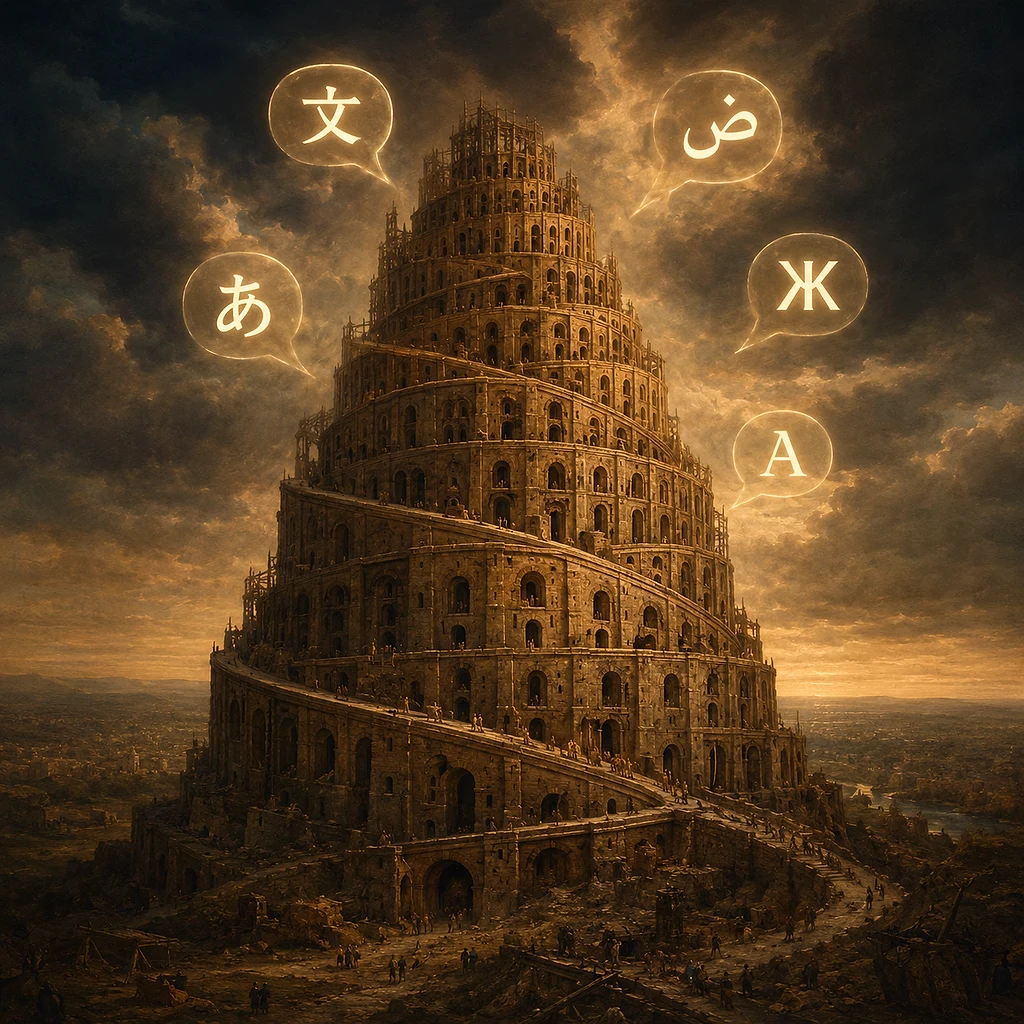


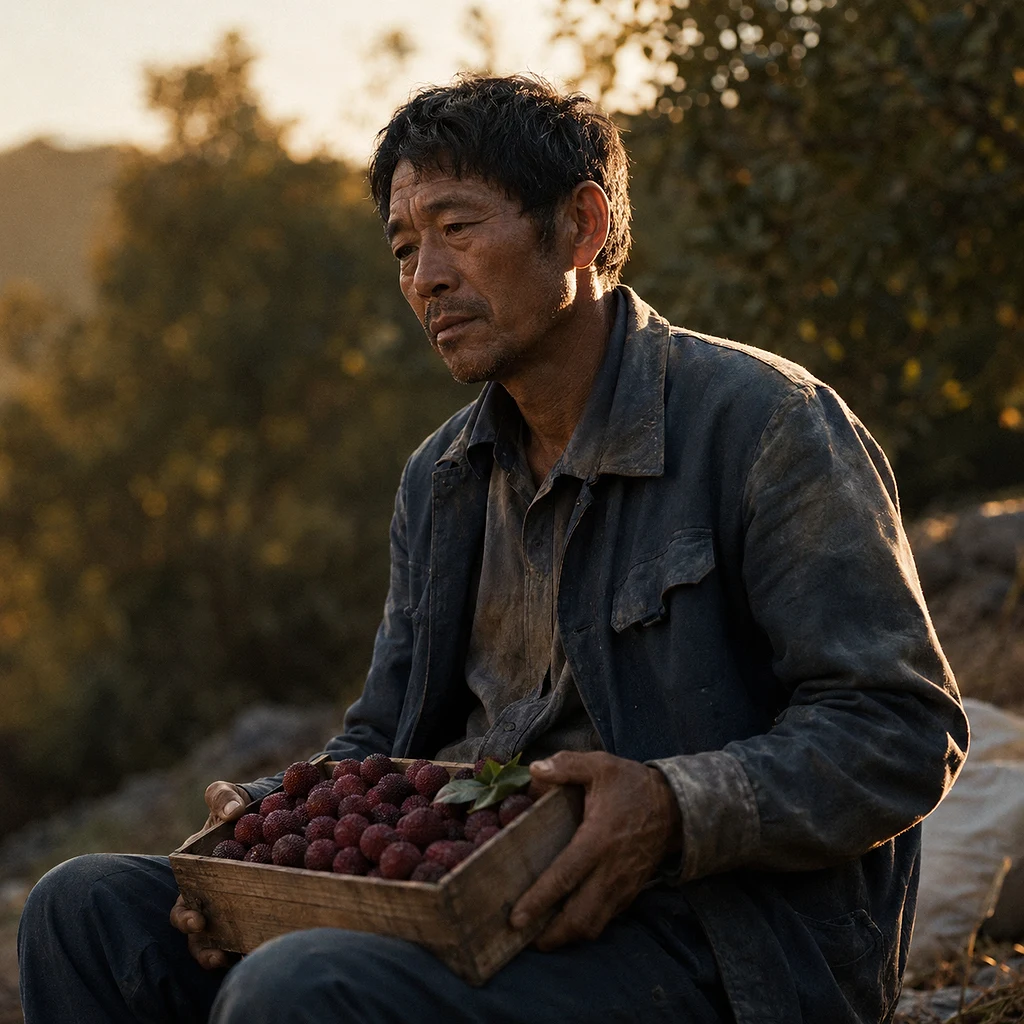






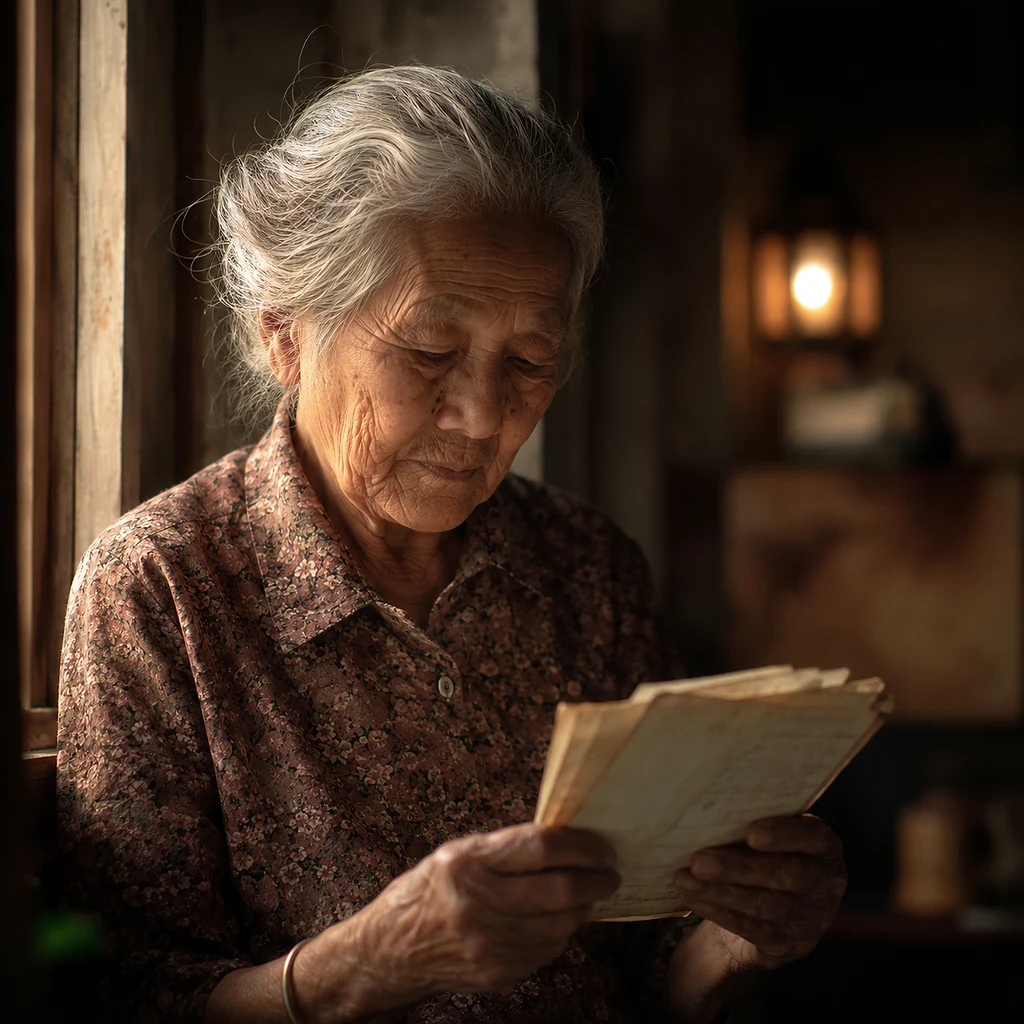























































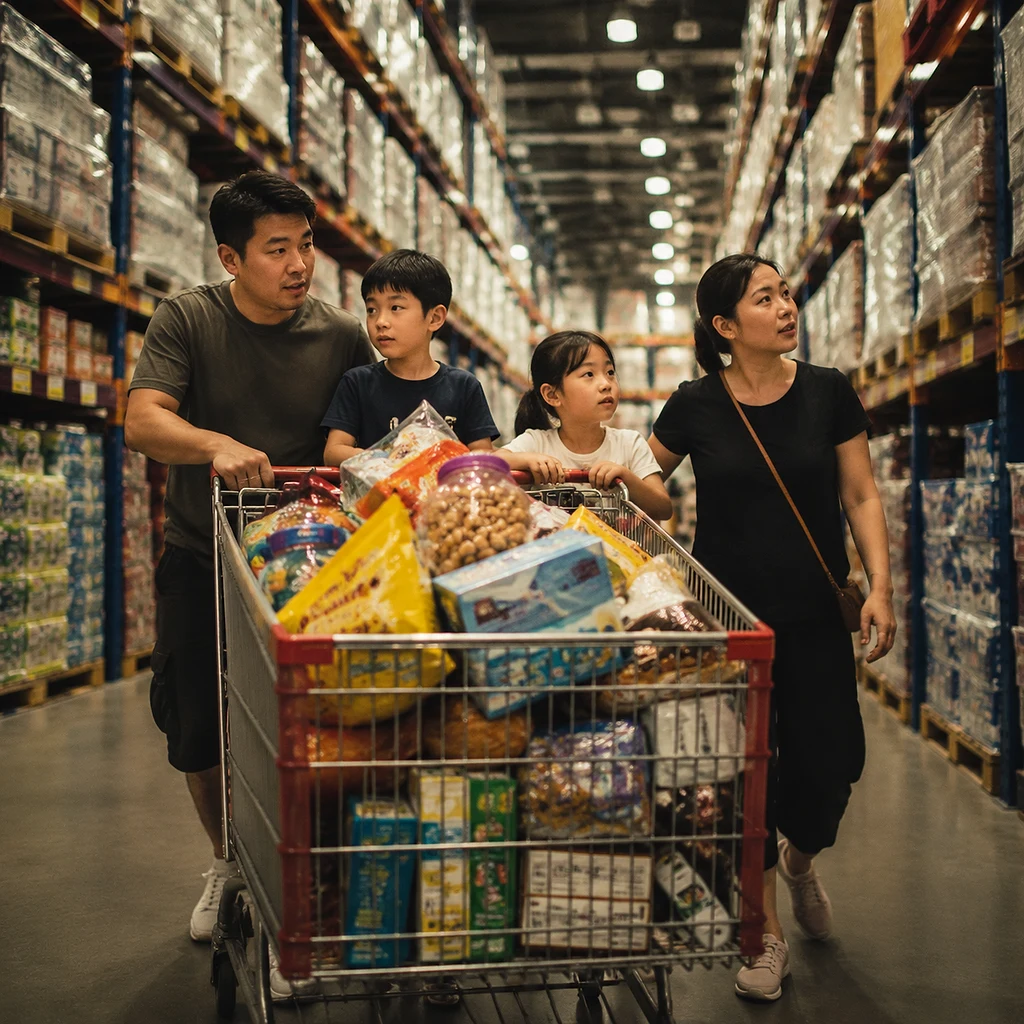





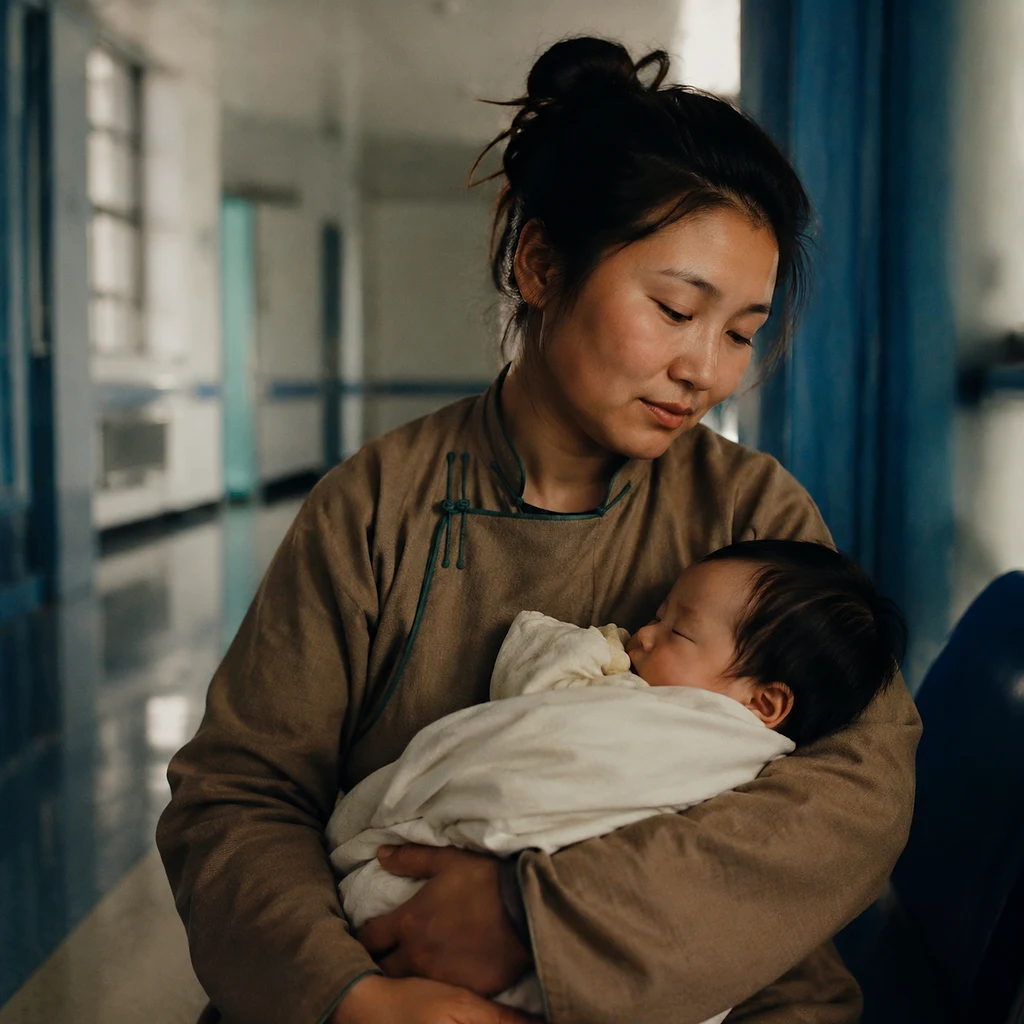
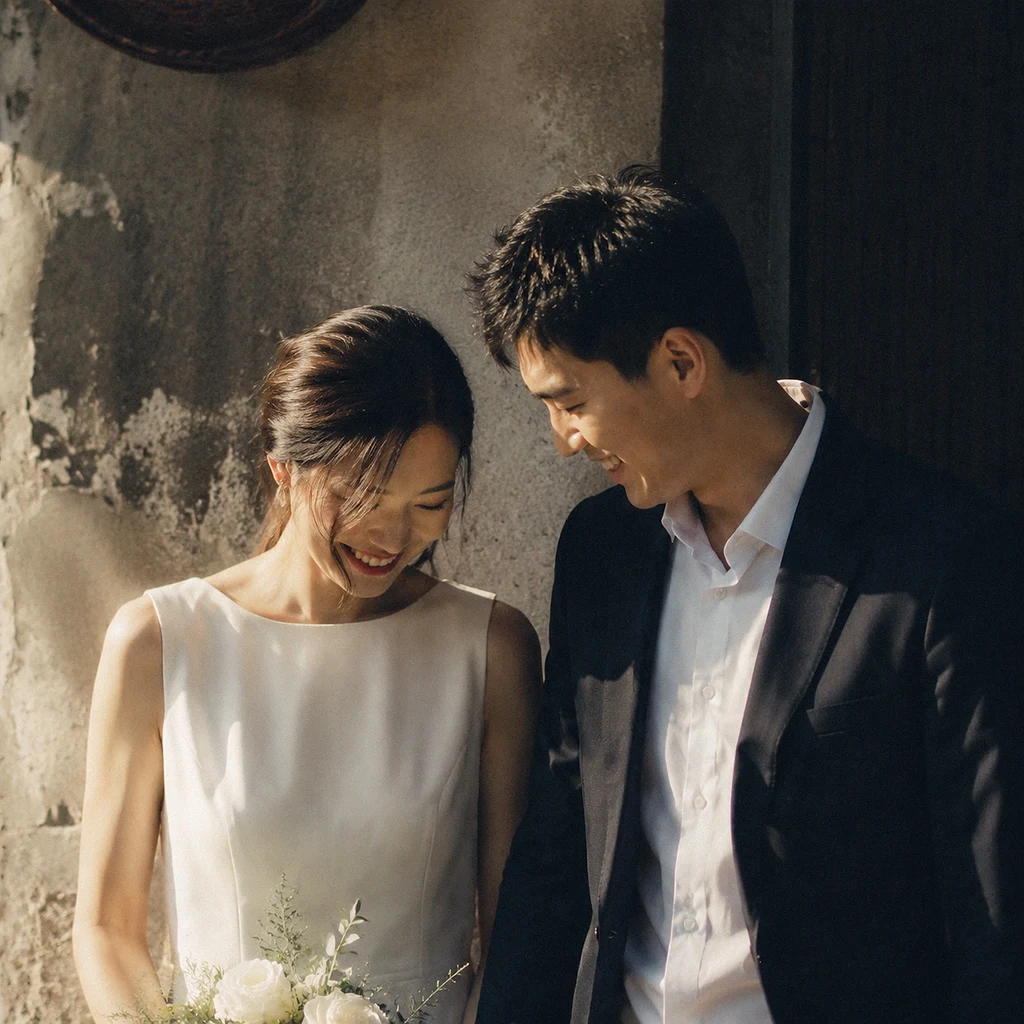



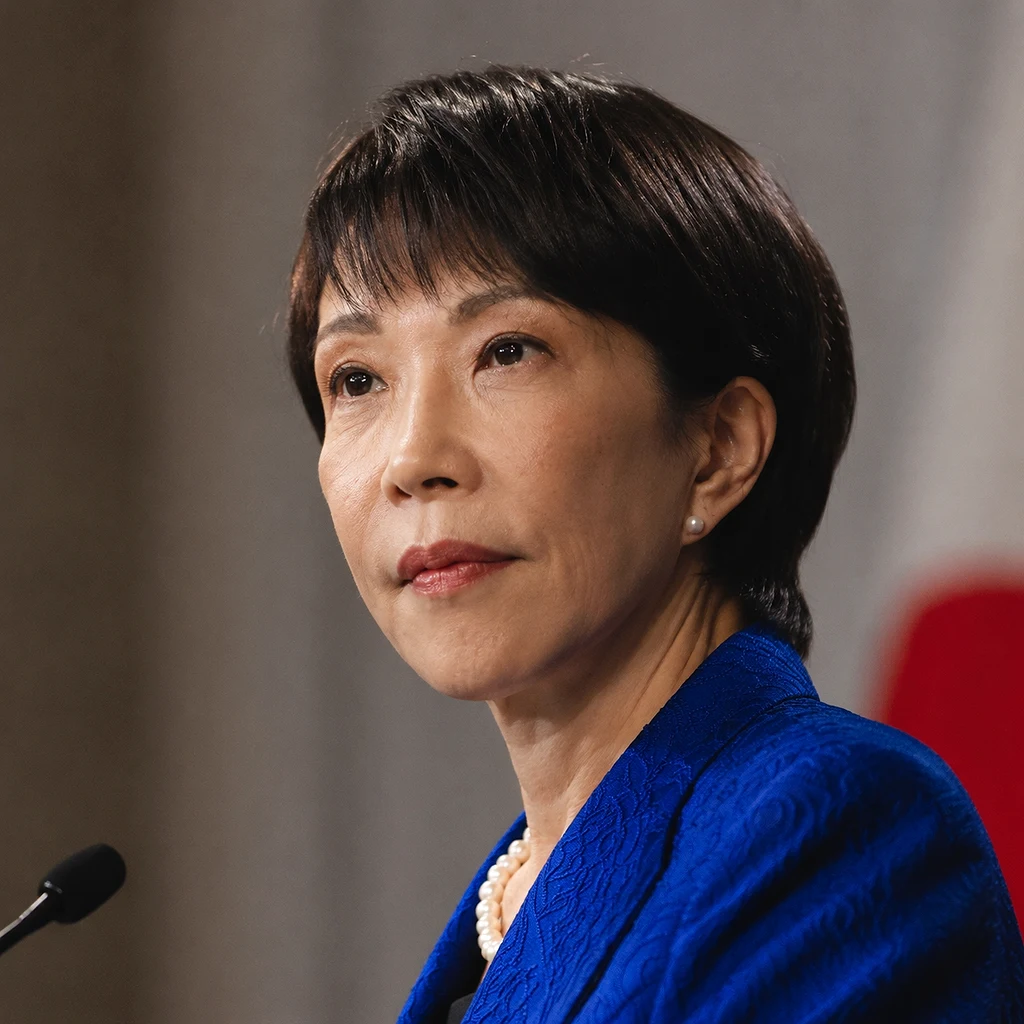






HSK 3 Chinese listening episodes

HSK 4 Chinese listening episodes
HSK 5+ Chinese listening episodes
How to actually learn HSK 5 vocabulary
Reading a word on a page and catching it at speed in a sentence are different skills. The HSK listening section tests the second.
Scroll
The method in practice
Hear HSK 5 vocabulary in real Mandarin
Each HSK 5 episode uses this word band, with the transcript, pinyin and line-by-line English. Five free episodes after a one-tap magic-link sign-in — no password, no payment.