

HSK 5 Vocabulary List: 3,599 Words (HSK 3.0)
HSK 5 has 3,599 words in HSK 3.0, 1,599 of them new at this level (the old HSK 2.0 list had 2,500). Fluentide has 292 free stories at the Advanced (HSK 5+) level that use them, with transcript and pinyin.
By Haoshan Hong · Native Mandarin speaker · Updated October 2026
Hear HSK 5 words in a real story

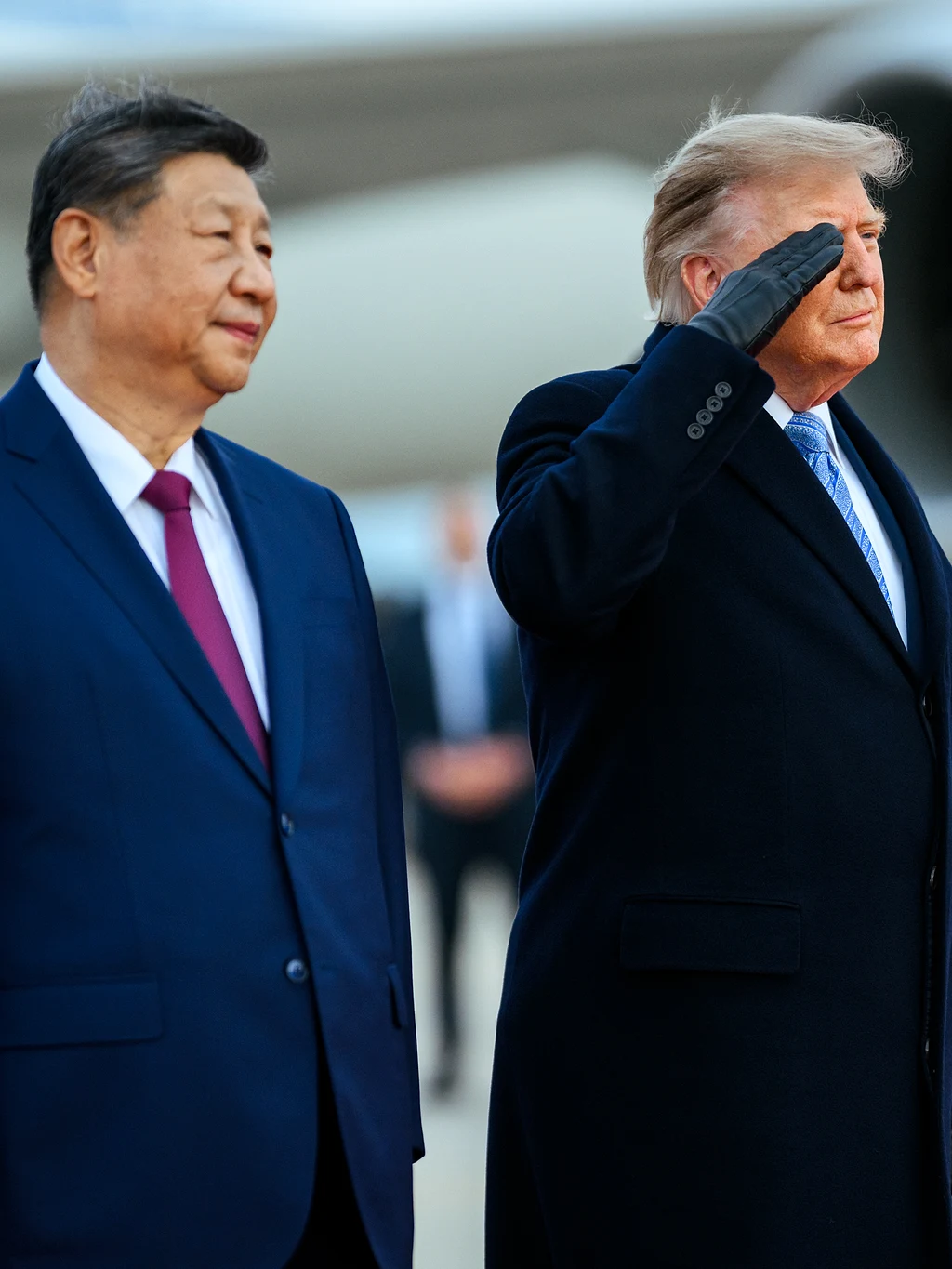
《经济学人》劝华盛顿:让中国抄美国AI
The Economist Urges Washington: Let China Copy American AI — Why Banning Distillation Would Backfire
2 min
What is on the HSK 5 word list?
The other 2,000 come from HSK 1–4. They cover news, business, academic and literary register: the vocabulary of newspapers, lectures, and film dialogue.
Scroll
HSK 5 word list
All 3,557 words from the official HSK 3.0 syllabus, the 1,579 new at HSK 5 first. The syllabus counts 3,599 because a few words are listed once per reading; here each appears once.
Pinyin from the syllabus, definitions from CC-CEDICT. Tap a word for its other senses.
Showing 3001–3050 of 3,557 · page 61 of 72
饮料yǐnliàoHSK 3drink
- drink
- beverage
应该yīnggāiHSK 3ought to
- ought to
- should
- must
影响yǐngxiǎngHSK 3influence
- influence
- effect
- to influence
- to affect (usually adversely)
- to disturb
- CL:股
用yòngHSK 3to use
- to use
- to make use of
- to employ
- (coverb) with
- using
- to need
- to have to (usu. used in the negative or in questions)
- usefulness
- utility
- (bound form) expense
- outlay
- (courteous) to eat
- to drink
- (literary) hence
- therefore
邮件yóujiànHSK 3mail
- post
邮箱yóuxiāngHSK 3mailbox
- mailbox
- post office box
- email inbox
游客yóukèHSK 3traveler
- traveler
- tourist
- (online gaming) guest player
游戏yóuxìHSK 3game (CL:场)
- game (CL:场)
- to play
有关yǒuguānHSK 3to have sth to do with
- to have sth to do with
- to relate to
- related to
- to concern
- concerning
有名yǒumíngHSK 3famous
- famous
- well-known
有用yǒuyòngHSK 3useful
- useful
又yòuHSK 3(once) again
- (once) again
- also
- both... and...
- and yet
- (used for emphasis) anyway
羽毛球yǔmáoqiúHSK 3badminton
- badminton
- shuttlecock
雨衣yǔyīHSK 3raincoat
- raincoat
- CL:件
语言yǔyánHSK 3language
- language
- CL:门,种
遇到yùdàoHSK 3to meet
- to meet
- to run into
- to come across
遇见yùjiànHSK 3to meet
- to meet
员yuánHSK 3(bound form) person engaged in a certain field of activity
- (bound form) person engaged in a certain field of activity
- (bound form) member
- classifier for military generals
园yuánHSK 3land used for growing plants
- land used for growing plants
- site used for public recreation
- surname Yuan
- abbr. for a place ending in 园, such as a botanical garden 植物园, kindergarten 幼儿园 etc
愿意yuànyìHSK 3to wish
- to wish
- to want
- ready
- willing (to do sth)
月亮yuèliangHSK 3the moon
越yuèHSK 3to exceed
- to exceed
- to climb over
- to surpass
- the more... the more
- generic word for peoples or states of south China or south Asia at different historical periods
- abbr. for Vietnam 越南
运动会yùndònghuìHSK 3sports competition
- sports competition
- CL:个
运动员yùndòngyuánHSK 3athlete
- athlete
- CL:名,个
咱们zánmenHSK 3we or us (including both the speaker and the person(s) spoken to)
- we or us (including both the speaker and the person(s) spoken to)
- (dialect) I or me
- (dialect) (in a coaxing or familiar way) you
- also pr.
脏zāngHSK 3dirty
- dirty
- filthy
- to get (sth) dirty
- viscera
- (anatomy) organ
怎么办zěnme bànHSK 3what's to be done
- what's to be done
怎样zěnyàngHSK 3how
- how
- what kind
张zhāngHSK 3classifier for flat objects (paper, tables, photos)
- classifier for flat objects (paper, tables, photos)
- to open up
- to spread
- sheet of paper
- classifier for flat objects, sheet
- classifier for votes
- surname Zhang
照zhàoHSK 3to shine
- to shine
- to illuminate
- according to
- in accordance with
- to shine
- to illuminate
- to reflect
- to look at (one's reflection)
- to take (a photo)
- photo
- as requested
- as before
- variant of 照
照顾zhàogùHSK 3to take care of
- to take care of
- to show consideration
- to attend to
- to look after
照片zhàopiànHSK 3photograph
- photograph
- CL:张,幅
照相zhàoxiàngHSK 3to take a photograph
- to take a photograph
着急zháojíHSK 3to worry
- to worry
- to feel anxious
- to feel a sense of urgency
- to be in a hurry
- Taiwan pr.
直到zhídàoHSK 3until
- until
只能zhǐ néngHSK 3can only
- can only
- obliged to do sth
- to have no other choice
只是zhǐshìHSK 3merely
- merely
- only
- just
- nothing but
- simply
- but
- however
只要zhǐyàoHSK 3so long as
- so long as
- provided
- if
只有zhǐyǒuHSK 3only have ...
- only have ...
- there is only ...
- (used in combination with 才) it is only if ... (that one can ...) (as in 只有通过治疗才能痊愈 "the only way to cure it is with therapy")
- it is only (someone) who ... (as in 只有男性才有此需要 "only men would have such a requirement")
- (used to express lack of alternatives) can only
- have no choice but to (as in 只有屈服 "the only thing you can do is give in")
纸zhǐHSK 3paper (CL:张,沓)
- paper (CL:张,沓)
- classifier for documents, letters etc
- variant of 纸
中zhōng / zhòngHSK 3within
- within
- among
- in
- middle
- center
- while (doing sth)
- during
- (dialect) OK
- all right
- to hit (a target)
- to be struck by (a bullet, illness etc)
- to win (a prize or lottery)
- (bound form) China
- Chinese
- surname Zhong
中间zhōngjiānHSK 3the middle
- the middle
- the inside
- in the middle
- within
- between
- among
- during
- in the meantime
终于zhōngyúHSK 3at last
- at last
- in the end
- finally
- eventually
种zhǒng / zhòngHSK 3seed
- seed
- species
- kind
- type
- classifier for types, kinds, sorts
- to plant
- to grow
- to cultivate
重要zhòngyàoHSK 3important
- important
- significant
- major
周末zhōumòHSK 3weekend
主要zhǔyàoHSK 3main
- main
- principal
- major
- primary
住院zhùyuànHSK 3to stay in hospital
- to stay in hospital
- to be hospitalized
注意zhùyìHSK 3to take note of
- to take note of
- to pay attention to
子ziHSK 3son
- son
- child
- seed
- egg
- small thing
- 1st earthly branch: 11 p.m.–1 a.m., midnight, 11th solar month (7th December to 5th January), year of the rat
- viscount, fourth of five orders of nobility 五等爵位
- ancient Chinese compass point: 0° (north)
- subsidiary
- subordinate
- (prefix) sub-
- noun suffix, as in 椅子 "chair"
Stories that use these HSK 5 words
Each one is a Fluentide Advanced (HSK 5+) story, written inside that word band. Press play; the first few need no account.
HSK 2 Chinese listening episodes








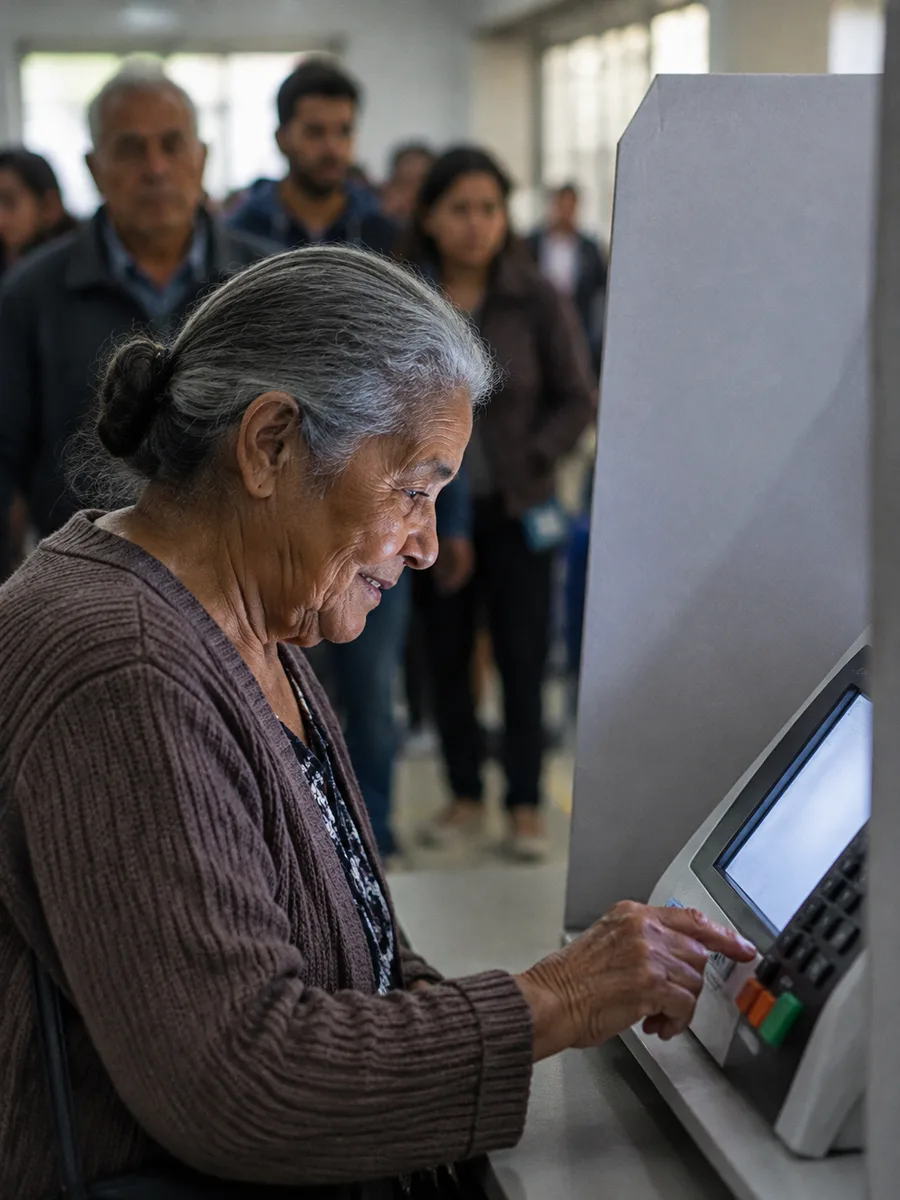

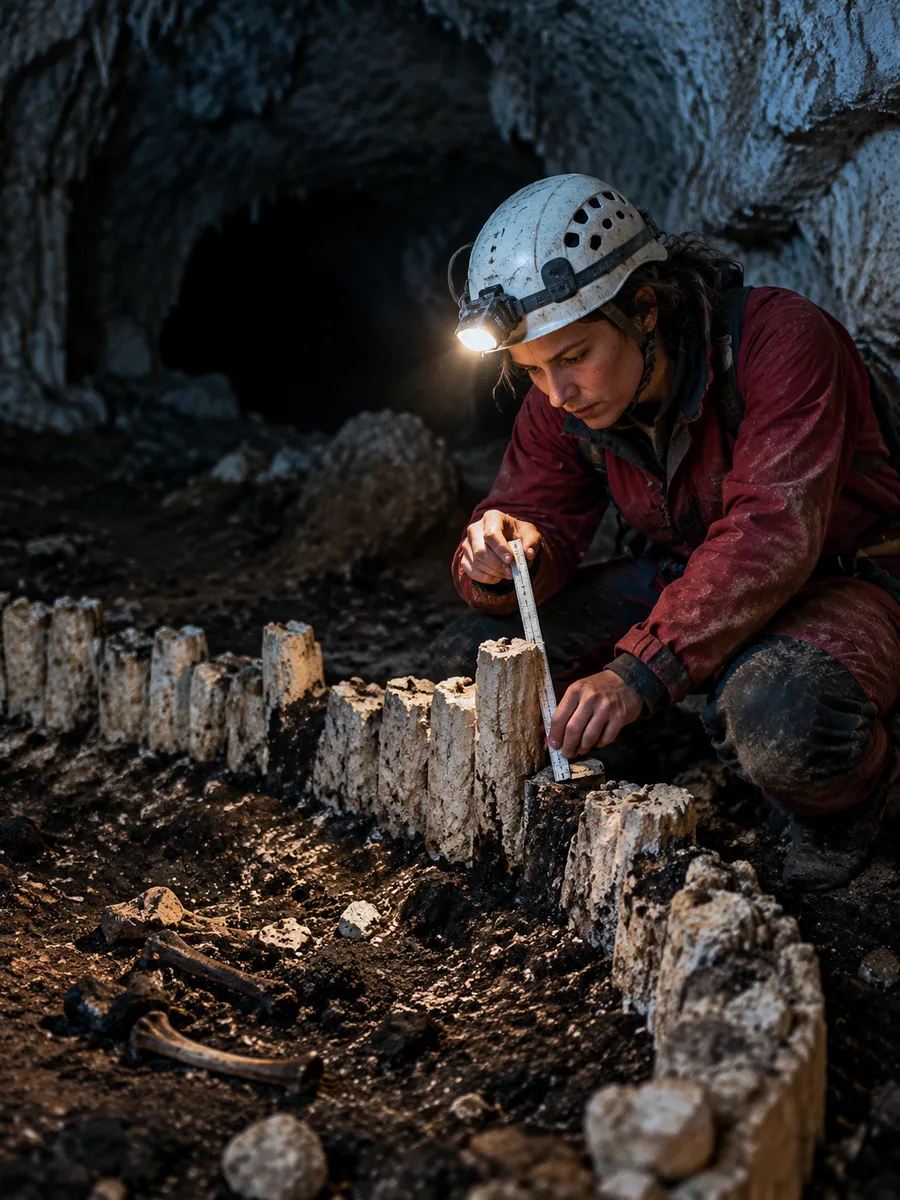






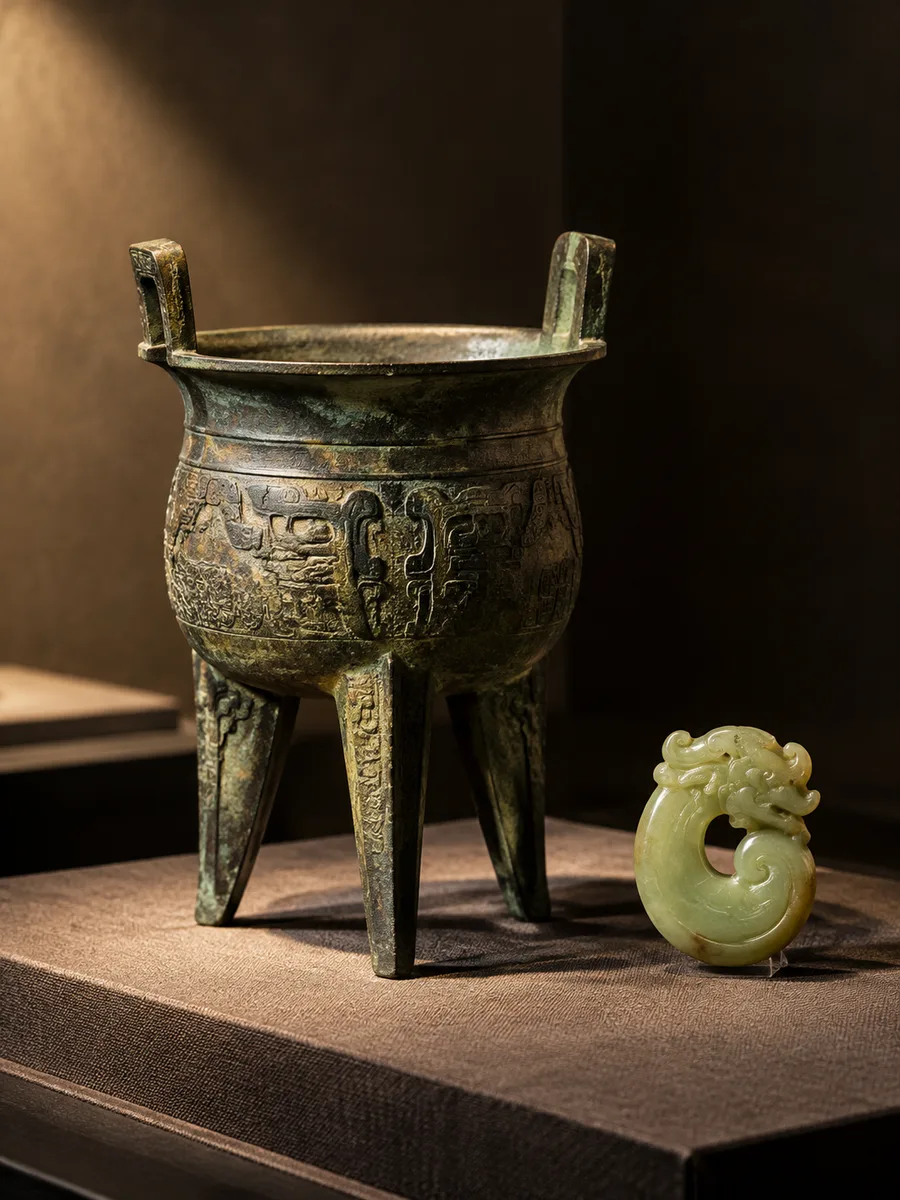


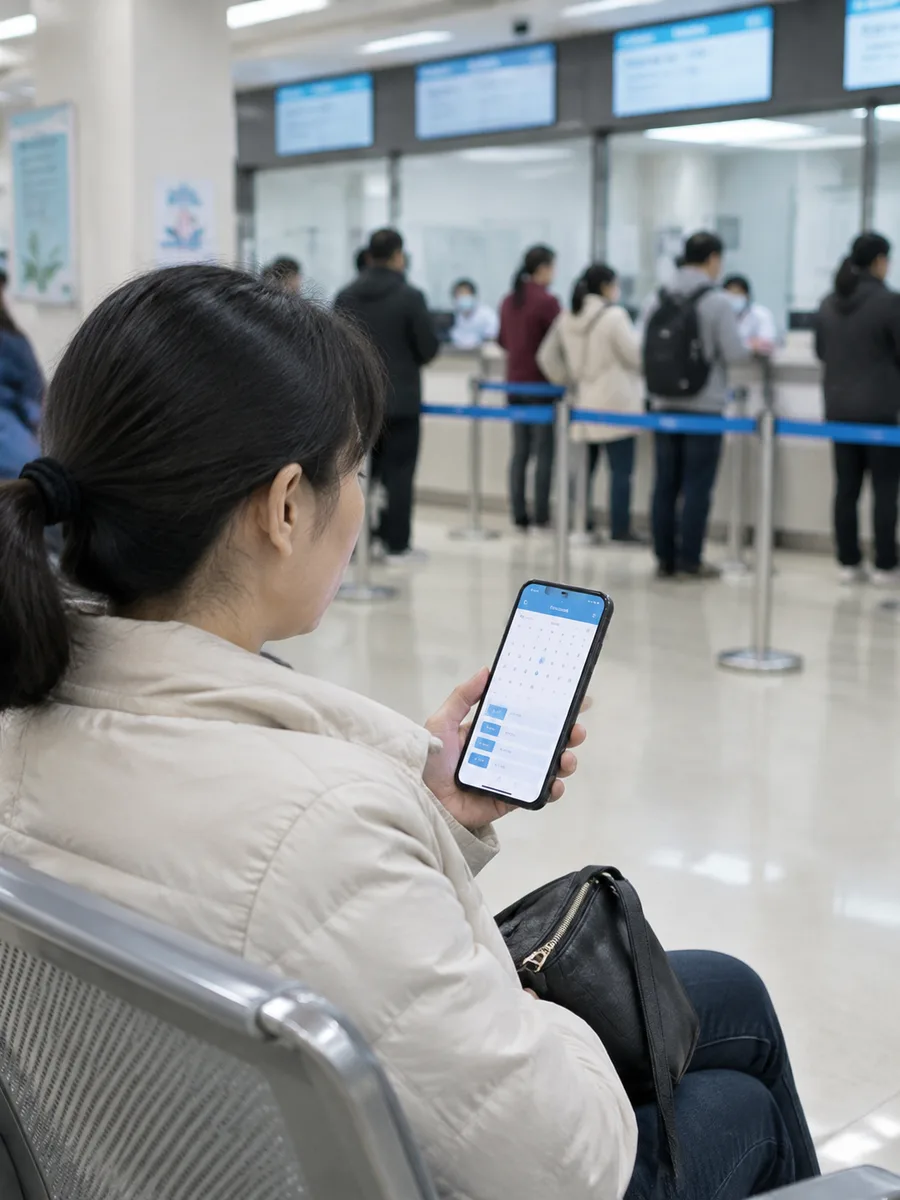





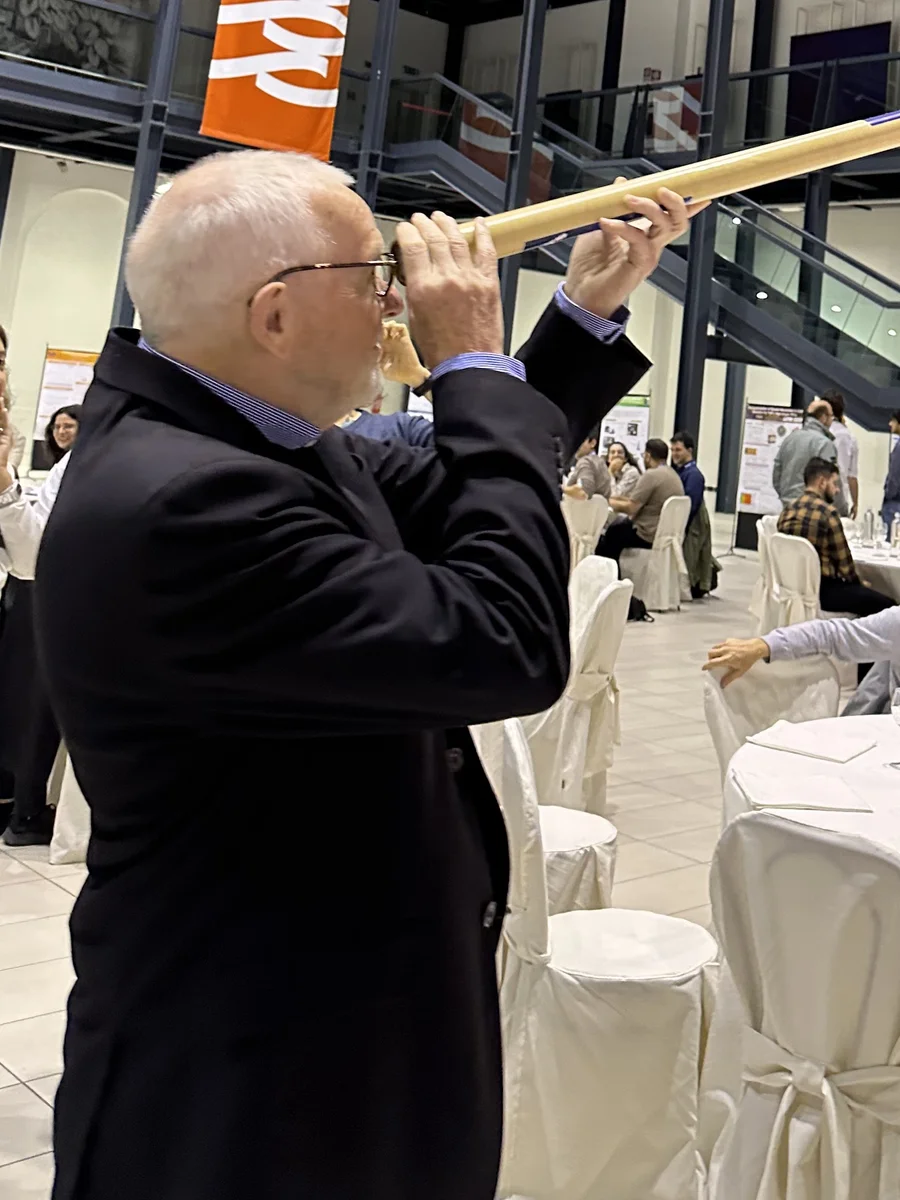











































































































































































































































HSK 3 Chinese listening episodes

HSK 4 Chinese listening episodes
HSK 5+ Chinese listening episodes
How to actually learn HSK 5 vocabulary
Reading a word on a page and catching it at speed in a sentence are different skills. The HSK listening section tests the second.
Scroll
The method in practice
Hear HSK 5 vocabulary in real Mandarin
Each HSK 5 episode uses this word band, with the transcript, pinyin and line-by-line English. Five free episodes after a one-tap magic-link sign-in — no password, no payment.