

HSK 5 Vocabulary List: 3,599 Words (HSK 3.0)
HSK 5 has 3,599 words in HSK 3.0, 1,599 of them new at this level (the old HSK 2.0 list had 2,500). Fluentide has 292 free stories at the Advanced (HSK 5+) level that use them, with transcript and pinyin.
By Haoshan Hong · Native Mandarin speaker · Updated October 2026
Hear HSK 5 words in a real story

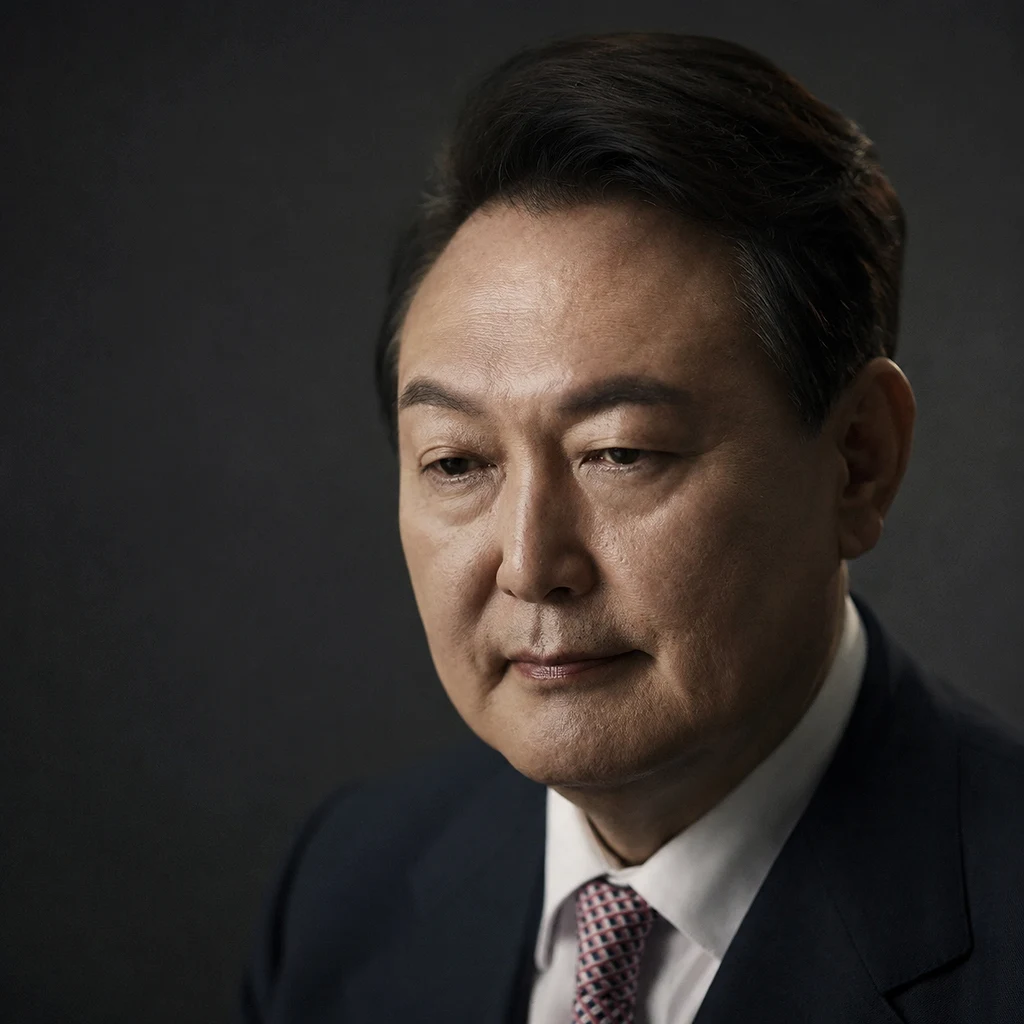
《经济学人》劝华盛顿:让中国抄美国AI
The Economist Urges Washington: Let China Copy American AI — Why Banning Distillation Would Backfire
2 min
What is on the HSK 5 word list?
The other 2,000 come from HSK 1–4. They cover news, business, academic and literary register: the vocabulary of newspapers, lectures, and film dialogue.
Scroll
HSK 5 word list
All 3,557 words from the official HSK 3.0 syllabus, the 1,579 new at HSK 5 first. The syllabus counts 3,599 because a few words are listed once per reading; here each appears once.
Pinyin from the syllabus, definitions from CC-CEDICT. Tap a word for its other senses.
Showing 2951–3000 of 3,557 · page 60 of 72
喜爱xǐ’àiHSK 3to like
- to like
- to love
- to be fond of
- favorite
夏天xiàtiānHSK 3summer
- summer
- CL:个
先xiānHSK 3beforehand
- beforehand
- first
- earlier
- at first
- originally
- for the time being
- for now
- (prefix) my late (in referring to deceased relatives older than oneself)
相机xiàngjīHSK 3camera (abbr. for 照相机)
- camera (abbr. for 照相机)
- at the opportune moment
- as the circumstances allow
相信xiāngxìnHSK 3to believe
- to believe
- to be convinced
- to accept as true
香蕉xiāngjiāoHSK 3banana
- banana
- CL:根,把
箱子xiāngziHSK 3suitcase
- suitcase
- chest
- box
- case
- trunk
- CL:只,个
向xiàngHSK 3towards
- towards
- to face
- to turn towards
- direction
- to support
- to side with
- shortly before
- formerly
- always
- all along
- (suffix) suitable for ...
- oriented to ...
- to tend toward
- to guide
- direction
- orientation
- to face
- to turn toward
- to
- towards
- shortly before
- formerly
- surname Xiang
- variant of 向
- variant of 向
像xiàngHSK 3to resemble
- to resemble
- to be like
- to look as if
- such as
- appearance
- image
- portrait
- image under a mapping (math.)
小区xiǎoqūHSK 3housing estate
- housing estate
- community
- neighborhood
- (telecommunications) cell
小心xiǎoxīnHSK 3to be careful
- to be careful
- to take care
校园xiàoyuánHSK 3campus
- campus
校长xiàozhǎngHSK 3(college, university) president
- (college, university) president
- headmaster
- CL:个,位,名
鞋xiéHSK 3shoe
- shoe
- CL:双,只
- variant of 鞋
心里xīnlǐHSK 3in one's heart
- in one's heart
- in one's mind
- chest
- heart
- mind
新年xīnniánHSK 3New Year
- New Year
- CL:个
新闻xīnwénHSK 3news
新鲜xīnxiānHSK 3fresh (experience, food etc)
- fresh (experience, food etc)
- freshness
- novel
- uncommon
信xìnHSK 3letter
- letter
- CL:封
- to trust
- to believe
- to profess faith in
- truthful
- confidence
- trust
- at will
- at random
信用卡xìnyòngkǎHSK 3credit card
行xíng / hángHSK 3(bound form) to walk
- (bound form) to walk
- to go
- to travel
- (bound form) temporary
- makeshift
- (bound form) current
- in circulation
- (bound form) to do
- to perform
- capable
- competent
- all right
- OK!
- will do
- behavior
- conduct (Taiwan pr. )
- (literary) trip
- journey
- visit
- (literary) about to
- soon
- (bound form) row
- line
- (bound form) line of business
- trade
- profession
- (bound form) commercial firm
- (bound form) to rank (first, second etc) among one's siblings (by age)
- (in data tables) row
- (Tw) column
- classifier for rows or lines
- used in 道行
行李xíngliHSK 3luggage
- luggage
- CL:件
兴趣xìngqùHSK 3interest (desire to know about sth)
- interest (desire to know about sth)
- interest (thing in which one is interested)
- hobby
休假xiūjiàHSK 3to go on vacation
- to go on vacation
- to have a holiday
- to take leave
需要xūyàoHSK 3to need
- to need
- to want
- to demand
- to require
- needs
选xuǎnHSK 3to choose
- to choose
- to pick
- to select
- to elect
选择xuǎnzéHSK 3to select
- to select
- to pick
- choice
- option
- alternative
学期xuéqīHSK 3term
- term
- semester
- CL:个
牙yáHSK 3tooth
- tooth
- ivory
- CL:颗
牙刷yáshuāHSK 3toothbrush
- toothbrush
- CL:把
羊yángHSK 3sheep
- sheep
- goat
- CL:头,只
- surname Yang
养yǎngHSK 3to raise (animals)
- to raise (animals)
- to bring up (children)
- to keep (pets)
- to support
- to give birth
要求yāoqiúHSK 3to request
- to request
- to require
- requirement
- to stake a claim
- to ask
- to demand
- CL:点
页yèHSK 3page
- page
- leaf
- head
一般yìbānHSK 3ordinary
- ordinary
- general
- usually
- same
- ordinary
- so-so
- common
- general
- generally
- in general
一边yìbiānHSK 3one side
- one side
- either side
- on the one hand
- on the other hand
- doing while
一定yídìngHSK 3surely
- surely
- certainly
- definitely
- fixed
- settled
- a certain ...
- a given ...
一共yígòngHSK 3in total
- in total
- altogether
一块儿yíkuàirHSK 3a piece
- a piece
- a chunk
- (fig.) (coll.) (typically preceded by a specifier such as 这) aspect
一样yíyàngHSK 3same
- same
- like
- equal to
- the same as
- just like
一直yìzhíHSK 3always
- always
- all along
- straight
- straight (in a straight line)
- continuously
- always
- all the way through
以后yǐhòuHSK 3after
- after
- later
- afterwards
- following
- later on
- in the future
以前yǐqiánHSK 3before
- before
- formerly
- previous
- ago
以上yǐshàngHSK 3that level or higher
- that level or higher
- that amount or more
- the above-mentioned
- (used to indicate that one has completed one's remarks) That is all.
以外yǐwàiHSK 3apart from
- apart from
- other than
- except for
- external
- outside of
- on the other side of
- beyond
以为yǐwéiHSK 3to think
- to think
- to believe (often with the implication that the belief is mistaken – unless referring to one's own current belief)
以下yǐxiàHSK 3that level or lower
- that level or lower
- that amount or less
- the following
音乐yīnyuèHSK 3music
- music
- CL:张,曲,段
银行yínhángHSK 3bank
银行卡yínhángkǎHSK 3bank card
- bank card
Stories that use these HSK 5 words
Each one is a Fluentide Advanced (HSK 5+) story, written inside that word band. Press play; the first few need no account.
HSK 2 Chinese listening episodes
























































































































































































































































































HSK 3 Chinese listening episodes

HSK 4 Chinese listening episodes
HSK 5+ Chinese listening episodes
How to actually learn HSK 5 vocabulary
Reading a word on a page and catching it at speed in a sentence are different skills. The HSK listening section tests the second.
Scroll
The method in practice
Hear HSK 5 vocabulary in real Mandarin
Each HSK 5 episode uses this word band, with the transcript, pinyin and line-by-line English. Five free episodes after a one-tap magic-link sign-in — no password, no payment.