

HSK 5 Vocabulary List: 3,599 Words (HSK 3.0)
HSK 5 has 3,599 words in HSK 3.0, 1,599 of them new at this level (the old HSK 2.0 list had 2,500). Fluentide has 290 free stories at the Advanced (HSK 5+) level that use them, with transcript and pinyin.
By Haoshan Hong · Native Mandarin speaker · Updated October 2026
Hear HSK 5 words in a real story

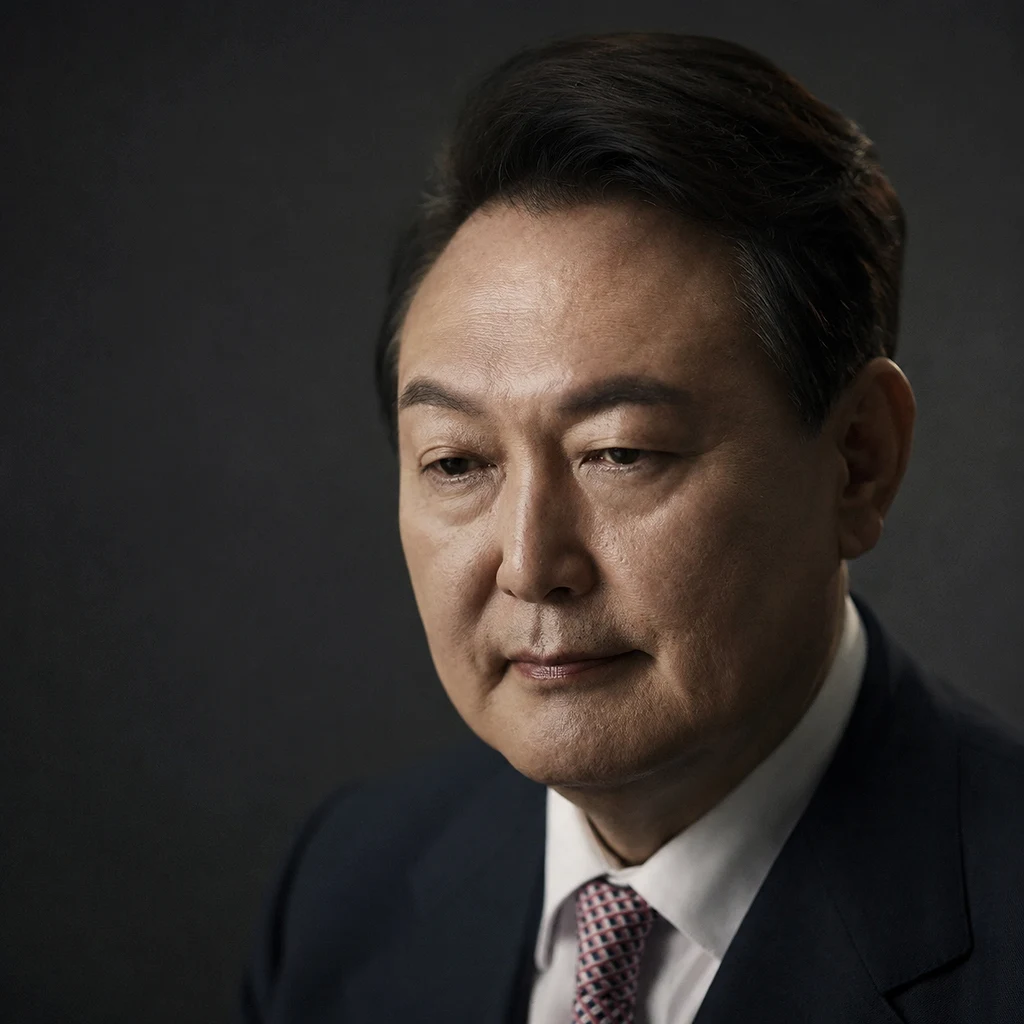
查尔斯三世:不抱怨的国王
King Charles III at Four Years: Cancer, Family Scandal and a 58% Approval Rating — How He Stopped Complaining
2 min
What is on the HSK 5 word list?
The other 2,000 come from HSK 1–4. They cover news, business, academic and literary register: the vocabulary of newspapers, lectures, and film dialogue.
Scroll
HSK 5 word list
All 3,557 words from the official HSK 3.0 syllabus, the 1,579 new at HSK 5 first. The syllabus counts 3,599 because a few words are listed once per reading; here each appears once.
Pinyin from the syllabus, definitions from CC-CEDICT. Tap a word for its other senses.
Showing 3301–3350 of 3,557 · page 67 of 72
读书dúshūHSK 1to read a book
- to read a book
- to study
- to attend school
对duìHSK 1right
- right
- correct
- towards
- at
- for
- concerning
- regarding
- to treat (sb a certain way)
- to face
- (bound form) opposite
- facing
- matching
- to match together
- to adjust
- to fit
- to suit
- to answer
- to reply
- to add
- to pour in (a fluid)
- to check
- to compare
- classifier: couple
- pair
对不起duìbuqǐHSK 1I'm sorry
- I'm sorry
- excuse me
- I beg your pardon
- to let (sb) down
- to disappoint
多duōHSK 1many
- many
- much
- more
- a lot of
- too many
- in excess
- (after a numeral) ... odd
- how (to what extent) (Taiwan pr. )
- (bound form) multi-
- poly-
多少duōshaoHSK 1how much?
- how much?
- how many?
- (phone number, student ID etc) what number?
儿子érziHSK 1son
二èrHSK 1two
- two
- 2
- (Beijing dialect) stupid
饭fànHSK 1cooked rice
- cooked rice
- CL:碗
- meal
- CL:顿
- (loanword) fan
- devotee
饭店fàndiànHSK 1restaurant
- restaurant
- hotel
- CL:家
房间fángjiānHSK 1room
飞机fēijīHSK 1airplane
- airplane
- CL:架
非常fēichángHSK 1very
- very
- really
- unusual
- extraordinary
分fēnHSK 1to divide
- to divide
- to separate
- to distribute
- to allocate
- to distinguish (good and bad)
- (bound form) branch of (an organization)
- sub- (as in 分局)
- fraction
- one tenth (of certain units)
- unit of length equivalent to 0.33 cm
- minute (unit of time)
- minute (angular measurement unit)
- a point (in sports or games)
- 0.01 yuan (unit of money)
- part
- share
- ingredient
- component
分钟fēnzhōngHSK 1minute
高兴gāoxìngHSK 1happy
- happy
- glad
- willing (to do sth)
- in a cheerful mood
哥哥gēgeHSK 1older brother
- older brother
- CL:个,位
歌gēHSK 1song (CL:首,支)
- song (CL:首,支)
- (bound form) to sing
- variant of 歌
个gèHSK 1(classifier used before a noun that has no specific classifier)
- (classifier used before a noun that has no specific classifier)
- (bound form) individual
- used in 自个儿
- variant of 个
给gěiHSK 1to give
- to give
- for
- to (sb)
- to
- for
- for the benefit of
- to give
- to allow
- to do sth (for sb)
- (grammatical equivalent of 被)
- (grammatical equivalent of 把)
- (sentence intensifier)
- (bound form) to supply
- to provide
- (literary) sufficient
- abundant
工作gōngzuòHSK 1to work
- to work
- (of a machine) to operate
- job
- work
- task
- CL:个,份,项
公司gōngsīHSK 1company
- company
- firm
- corporation
- CL:家
狗gǒuHSK 1dog
贵guìHSK 1expensive
- expensive
- (bound form) highly valued
- precious
- (bound form) noble
- of high rank
- (prefix) (honorific) your
- short name for Guizhou 贵州
国guóHSK 1country
- country
- nation
- state
- (bound form) national
- surname Guo
还hái / huánHSK 1still
- still
- still in progress
- still more
- yet
- even more
- in addition
- fairly
- passably (good)
- as early as
- even
- also
- else
- to pay back
- to return
- surname Huan
孩子háiziHSK 1child
汉语HànyǔHSK 1Chinese language
- Chinese language
汉字HànzìHSK 1Chinese character(s)
- Chinese character(s)
好hǎoHSK 1good
- good
- appropriate
- proper
- all right!
- (before a verb) easy to
- (before a verb) good to
- (before an adjective for exclamatory effect) so
- (verb complement indicating completion)
- (of two people) close
- on intimate terms
- (after a form of address) hello
- to be fond of
- to have a tendency to
- to be prone to
好吃hǎochīHSK 1tasty
- tasty
- delicious
好看hǎokànHSK 1good-looking
- good-looking
- nice-looking
- (of a movie, book, TV show etc) good
- in an embarrassing situation
好听hǎotīngHSK 1pleasant to hear
- pleasant to hear
好玩儿hǎowánrHSK 1amusing
- amusing
- fun
- interesting
号hàoHSK 1number
- number
- date (of the month)
- (bound form) bugle
- trumpet
- (bound form) signal
- bugle call (e.g. 起床号)
- (bound form) mark
- sign
- to mark
- to label
- to assign a number
- (bound form) name
- appellation (e.g. 国号, 年号, 辽宁号)
- (after a numeral) number designation (e.g. 237號房間|237号房间 "Room 237")
- day of the month (e.g. 七号 "the 7th")
- (bound form) size
- type
- category (e.g. 五号电池)
- (TCM) to feel (the pulse) (used in 号脉)
- classifier for numbered people or items
- (literary) to call out
- to command
- (bound form) to wail
- to howl
喝hēHSK 1to drink
- to drink
- to shout
- variant of 嗬
和héHSK 1(joining two nouns) and
- (joining two nouns) and
- together with
- with (Taiwan pr. )
- (math.) sum
- to make peace
- (sports) to draw
- to tie
- (bound form) harmonious
- (bound form) Japan
- Japanese
- to compose a poem in reply (to sb's poem) using the same rhyme sequence
- to join in the singing
- to chime in with others
- to complete a set in mahjong or playing cards
- to combine a powdery substance (flour, plaster etc) with water
- Taiwan pr.
- to mix (ingredients) together
- to blend
- classifier for rinses of clothes
- classifier for boilings of medicinal herbs
- surname He
- (literary) harmonious (variant of 和)
- old variant of 和
很hěnHSK 1very
- very
- quite
- (also, often used before an adjective without intensifying its meaning, i.e. as a meaningless syntactic element)
后hòuHSK 1after
- after
- behind
- back
- empress
- queen
- ruler
- (archaic) monarch
- back
- behind
- rear
- afterwards
- after
- later
- post-
- surname Hou
回huíHSK 1to go back
- to go back
- to return
- to turn back
- to turn around
- to reply
- to answer
- classifier for literary divisions (acts of a play, sections or chapters of a classic book)
- classifier for occurrences or times
- to curve
- to return
- to revolve
- Hui ethnic group (Chinese Muslims)
- variant of 回
会huìHSK 1can
- can
- to have the skill
- to know how to
- to be likely to
- to be sure to
- to meet
- to get together
- meeting
- gathering
- (suffix) union
- group
- association
- (bound form) a moment (Taiwan pr. )
- (bound form) to reckon accounts
火车huǒchēHSK 1train
- train
- CL:列,节,班,趟
鸡蛋jīdànHSK 1(chicken) egg
- (chicken) egg
- hen's egg
- CL:个,打
几jǐHSK 1how many
- how many
- how much
- several
- a few
- small table
- (literary) almost
家jiāHSK 1home
- home
- family
- (polite) my (sister, uncle etc)
- classifier for families or businesses
- refers to the philosophical schools of pre-Han China
- noun suffix for a specialist in some activity, such as a musician or revolutionary, corresponding to English -ist, -er, -ary or -ian
- CL:个
- used in 家伙 and 家俱
家人jiārénHSK 1family member
- family member
- (old) servant
见jiànHSK 1to see
- to see
- to meet
- to appear (to be sth)
- to interview
- opinion
- view
- to appear
- also written 现
件jiànHSK 1item
- item
- component
- classifier for events, things, clothes etc
饺子jiǎoziHSK 1dumpling
- dumpling
- pot-sticker
- CL:个,只
叫jiàoHSK 1to call
- to call
- to be called
- to shout
- to call
- to order
- to ask
- to be called
- by (indicates agent in the passive mood)
- variant of 叫
姐姐jiějieHSK 1older sister
- older sister
- CL:个
Stories that use these HSK 5 words
Each one is a Fluentide Advanced (HSK 5+) story, written inside that word band. Press play; the first few need no account.
HSK 2 Chinese listening episodes































































































































































































































































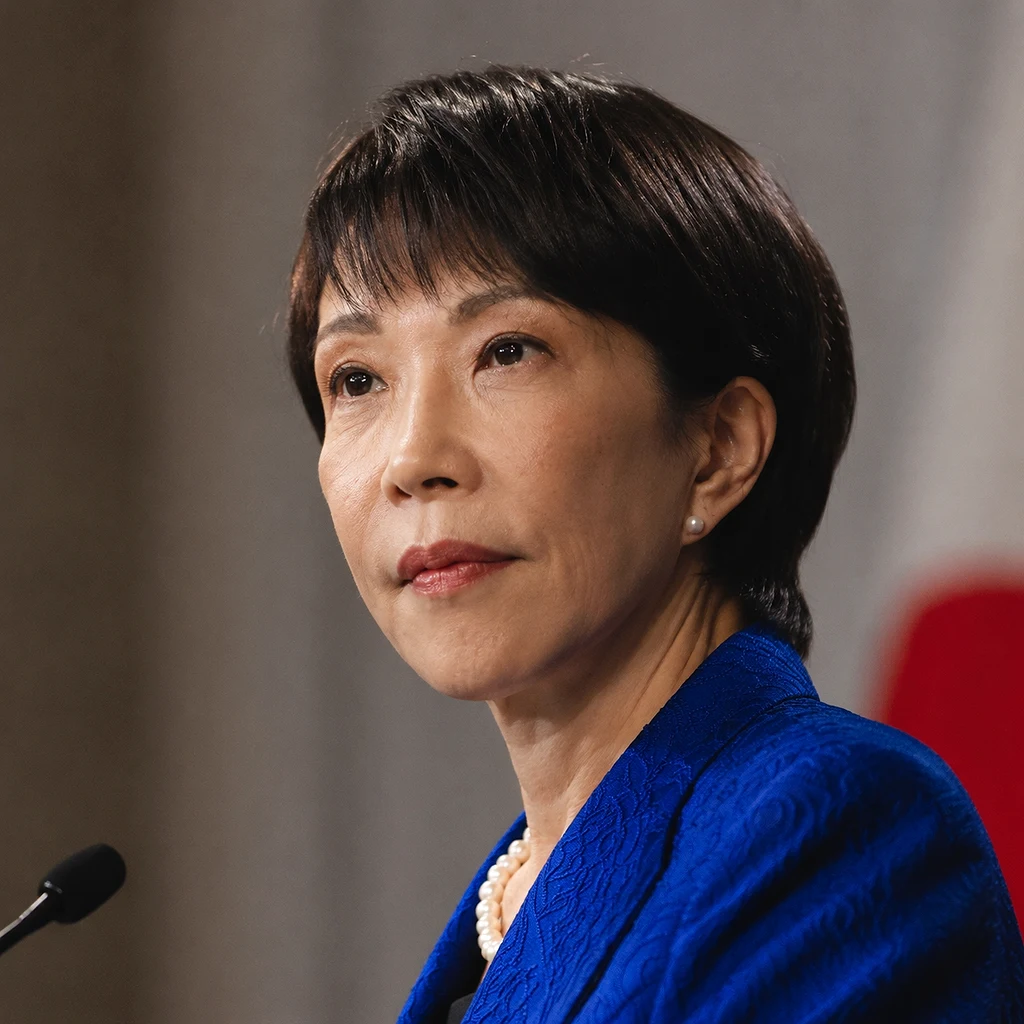






HSK 3 Chinese listening episodes

HSK 4 Chinese listening episodes
HSK 5+ Chinese listening episodes
How to actually learn HSK 5 vocabulary
Reading a word on a page and catching it at speed in a sentence are different skills. The HSK listening section tests the second.
Scroll
The method in practice
Hear HSK 5 vocabulary in real Mandarin
Each HSK 5 episode uses this word band, with the transcript, pinyin and line-by-line English. Five free episodes after a one-tap magic-link sign-in — no password, no payment.