

HSK 5 Vocabulary List: 3,599 Words (HSK 3.0)
HSK 5 has 3,599 words in HSK 3.0, 1,599 of them new at this level (the old HSK 2.0 list had 2,500). Fluentide has 288 free stories at the Advanced (HSK 5+) level that use them, with transcript and pinyin.
By Haoshan Hong · Native Mandarin speaker · Updated October 2026
Hear HSK 5 words in a real story

美国佛州李尔喷气机坠毁 九人全部遇难
Learjet 60 Crashes in Palm Beach County, Florida, Killing All Nine On Board
2 min
What is on the HSK 5 word list?
The other 2,000 come from HSK 1–4. They cover news, business, academic and literary register: the vocabulary of newspapers, lectures, and film dialogue.
Scroll
HSK 5 word list
All 3,557 words from the official HSK 3.0 syllabus, the 1,579 new at HSK 5 first. The syllabus counts 3,599 because a few words are listed once per reading; here each appears once.
Pinyin from the syllabus, definitions from CC-CEDICT. Tap a word for its other senses.
Showing 3451–3500 of 3,557 · page 70 of 72
睡shuìHSK 1to sleep
- to sleep
- to lie down
睡觉shuìjiàoHSK 1to go to bed
- to go to bed
- to sleep
说shuōHSK 1to speak
- to speak
- to talk
- to say
- to explain
- to comment
- to scold
- to tell off
- (bound form) theory
- doctrine
- to persuade
- variant of 说
说话shuōhuàHSK 1to speak
- to speak
- to say
- to talk
- to gossip
- to tell stories
- talk
- word
四sìHSK 1four
岁suìHSK 1years old
- years old
- classifier for years (of age)
- year
- year (of crop harvests)
- variant of 岁, year
他tāHSK 1he
- he
- him
- (third-person singular) (since the early 20th century, usu. male) he
- him
- his
- (bound form) other
- another
- some other (as in 他日 and 他人)
他们tāmenHSK 1they
- they
- them
它tāHSK 1it
- it
- it (pronoun for an animal)
它们tāmenHSK 1they
- they
- them
她tāHSK 1she
她们tāmenHSK 1they
- they
- them (females)
太tàiHSK 1too (much)
- too (much)
- very
- highest
- greatest
- too (much)
- very
- extremely
天tiānHSK 1day
- day
- sky
- heaven
天气tiānqìHSK 1weather
听tīngHSK 1to listen to
- to listen to
- to hear
- to heed
- to obey
- a can (loanword from English "tin")
- classifier for canned beverages
- to let be
- to allow (Taiwan pr. )
- (literary) to administer
- to deal with (Taiwan pr. )
- smile (archaic)
听见tīngjiànHSK 1to hear
- to hear
同学tóngxuéHSK 1to study at the same school
- to study at the same school
- fellow student
- classmate
- CL:位,个
外wàiHSK 1outside
- outside
- in addition
- foreign
- external
外边wàibianHSK 1outside
- outside
- outer surface
- abroad
- place other than one's home
玩wánHSK 1to play
- to play
- to have fun
- to trifle with
- toy
- sth used for amusement
- curio or antique (Taiwan pr. )
- to keep sth for entertainment
- Taiwan pr.
- variant of 玩
晚wǎnHSK 1evening
- evening
- night
- late
晚饭wǎnfànHSK 1evening meal
- evening meal
- dinner
- supper
- CL:份,顿,次,餐
晚上wǎnshangHSK 1evening
- evening
- night
- CL:个
- in the evening
喂wèiHSK 1hey
- hey
- to feed (an animal, baby, invalid etc)
- to feed
- hello (when answering the phone)
- variant of 喂
问wènHSK 1to ask
- to ask
- to inquire
问题wèntíHSK 1question
- question
- problem
- issue
- topic
- CL:个
我wǒHSK 1I
我们wǒmenHSK 1we
- we
- us
- ourselves
五wǔHSK 1five
午饭wǔfànHSK 1lunch
- lunch
- CL:份,顿,次,餐
喜欢xǐhuanHSK 1to like
- to like
- to be fond of
- to be happy
- to be pleased
- to tend to
下xiàHSK 1down
- down
- downwards
- below
- lower
- later
- next (week etc)
- second (of two parts)
- to decline
- to go down
- to arrive at (a decision, conclusion etc)
- measure word to show the frequency of an action
下班xiàbānHSK 1to finish work
- to finish work
- to get off work
- next service (train, bus etc)
下课xiàkèHSK 1to finish class
- to finish class
- to get out of class
- (fig.) (esp. of a sports coach) to be dismissed
- to be fired
下午xiàwǔHSK 1afternoon
- afternoon
- CL:个
- p.m.
下雨xià yǔHSK 1to rain
先生xiānshengHSK 1Mr.
- Mr.
- sir
- husband
- teacher
- gentleman
- sir
- mister (Mr.)
- husband
- CL:位
- (dialect) doctor
现在xiànzàiHSK 1now
- now
- at present
- currently
想xiǎngHSK 1to think (about)
- to think (about)
- to think of
- to devise
- to think (that)
- to believe (that)
- to desire
- to want (to)
- to miss (feel wistful about the absence of)
小xiǎoHSK 1small
- small
- tiny
- few
- young
小朋友xiǎopéngyǒuHSK 1child
- child
- kid (used to refer to a child, or by an adult to address a child, or, in Taiwan, to refer to sb's own child)
小时xiǎoshíHSK 1hour
小学xiǎoxuéHSK 1elementary school
- elementary school
- primary school
小学生xiǎoxuéshēngHSK 1primary school student
- primary school student
- schoolchild
- CL:个,名
- (fig.) beginner
些xiēHSK 1classifier indicating a small amount or small number greater than 1: some, a few, several
- classifier indicating a small amount or small number greater than 1: some, a few, several
写xiěHSK 1to write
- to write
- used in 写意
谢谢xièxieHSK 1to thank
- to thank
- thanks
- thank you
新xīnHSK 1new
- new
- newly
- meso- (chemistry)
- surname Xin
- abbr. for Xinjiang 新疆
- abbr. for Singapore 新加坡
星期xīngqīHSK 1week
- week
- CL:个
- day of the week
- Sunday
Stories that use these HSK 5 words
Each one is a Fluentide Advanced (HSK 5+) story, written inside that word band. Press play; the first few need no account.
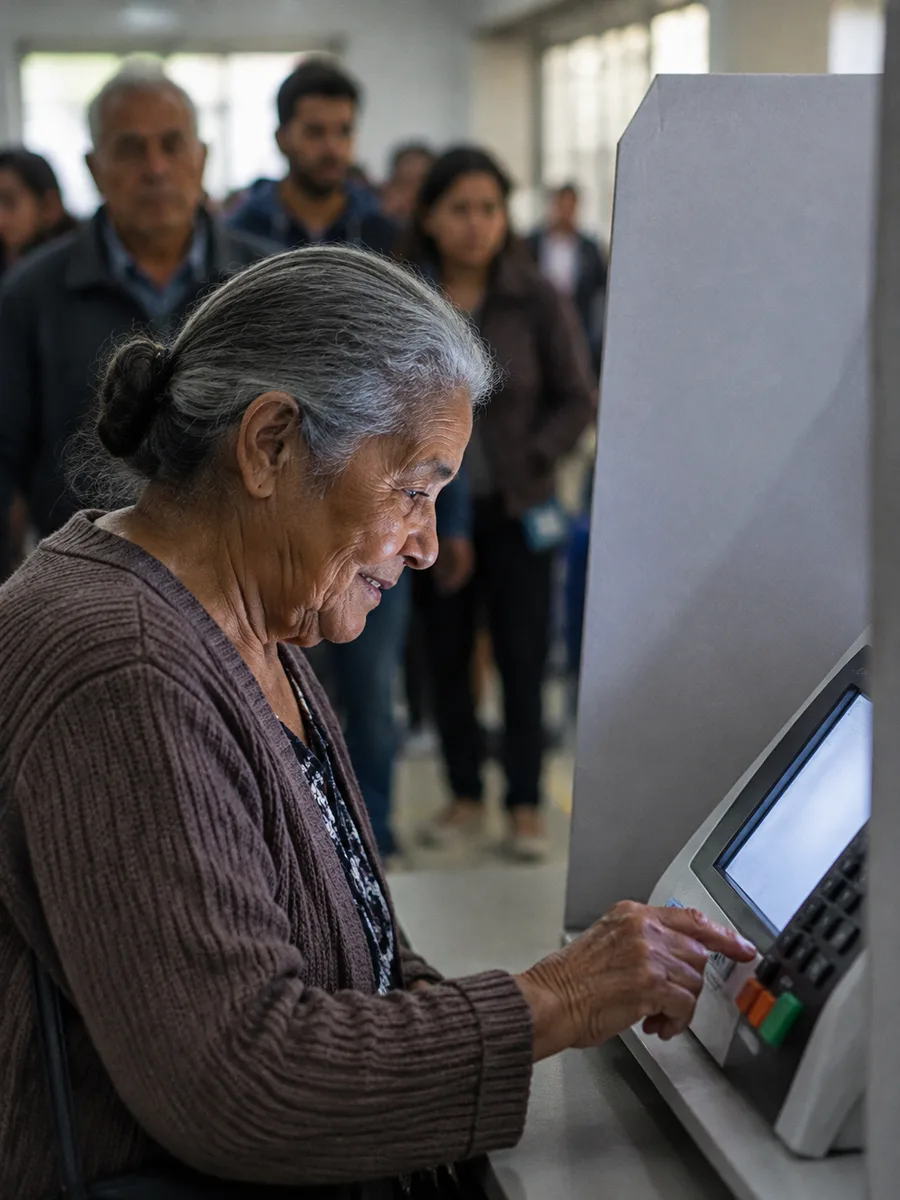
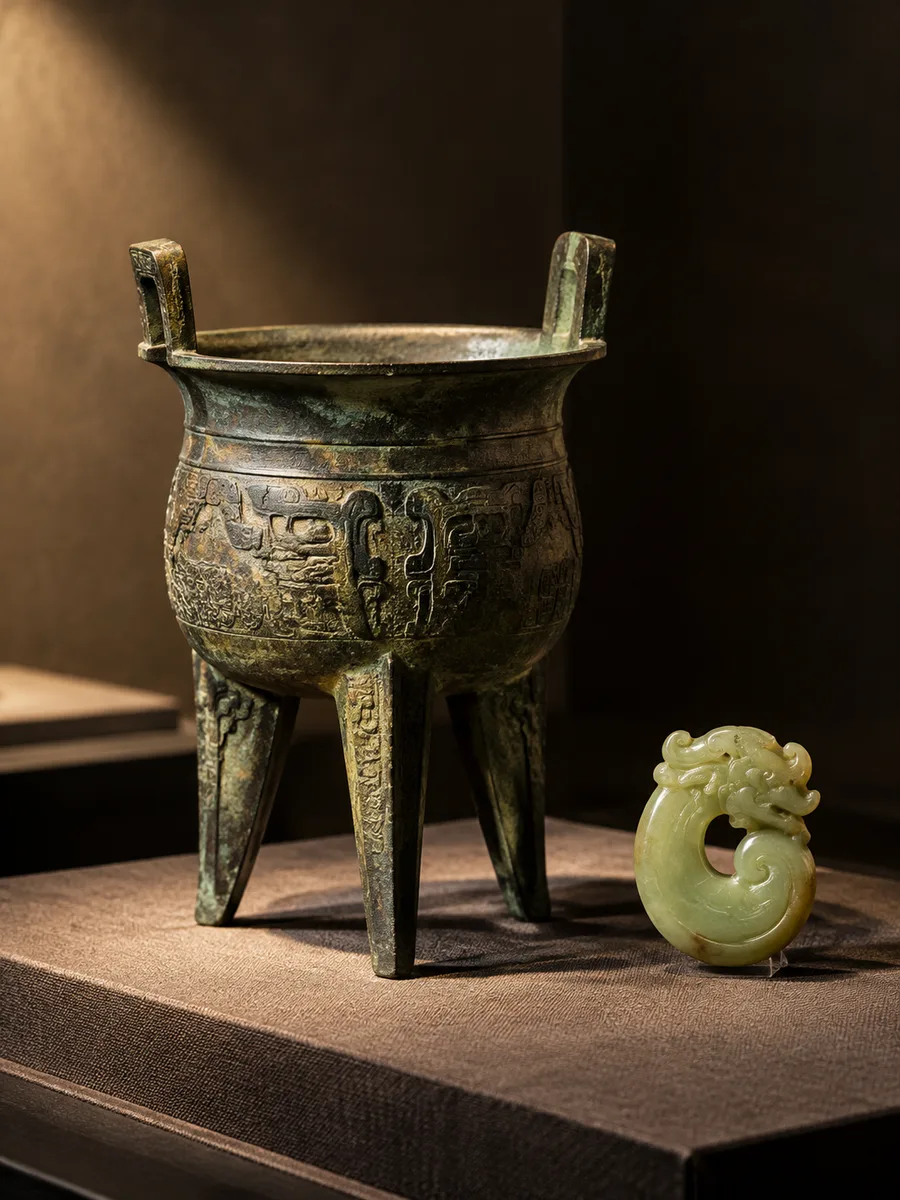
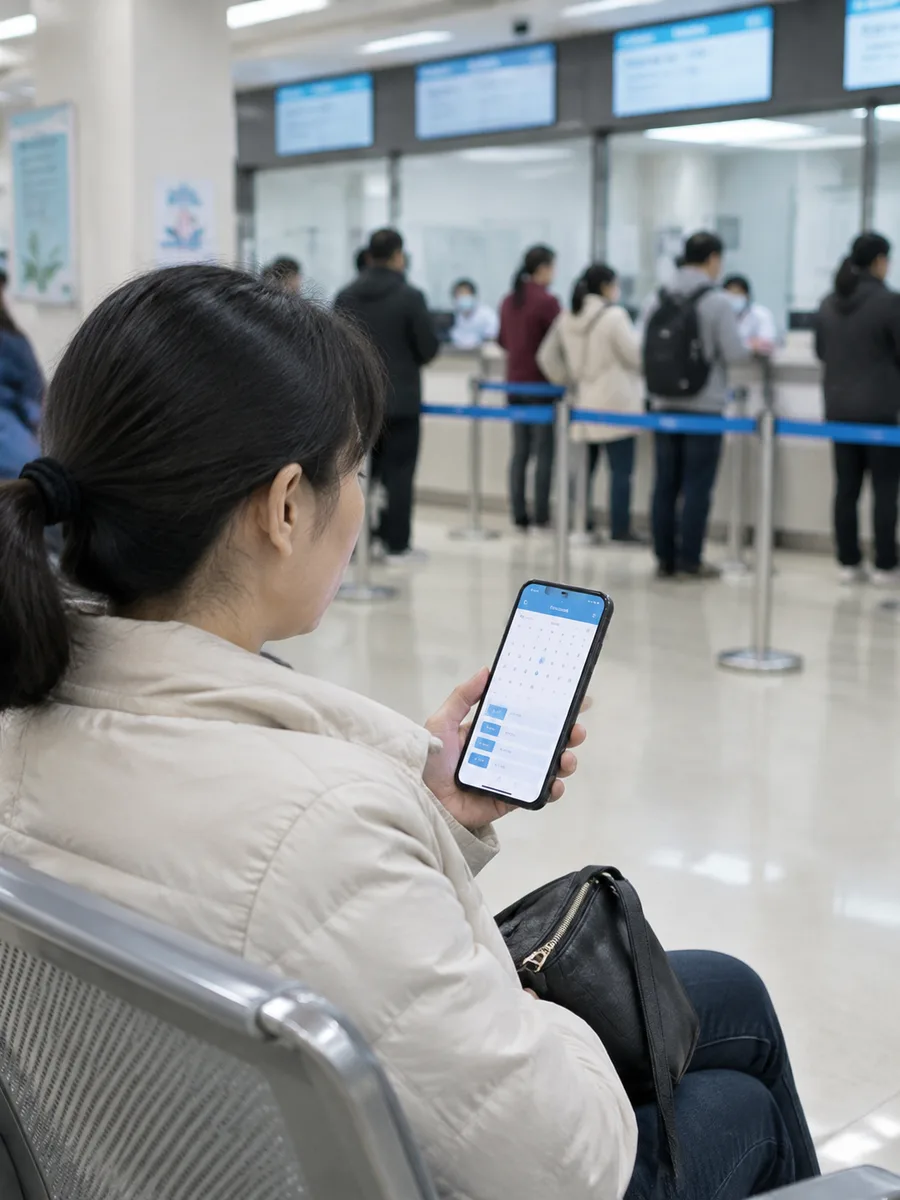
HSK 2 Chinese listening episodes
















































































































































































































































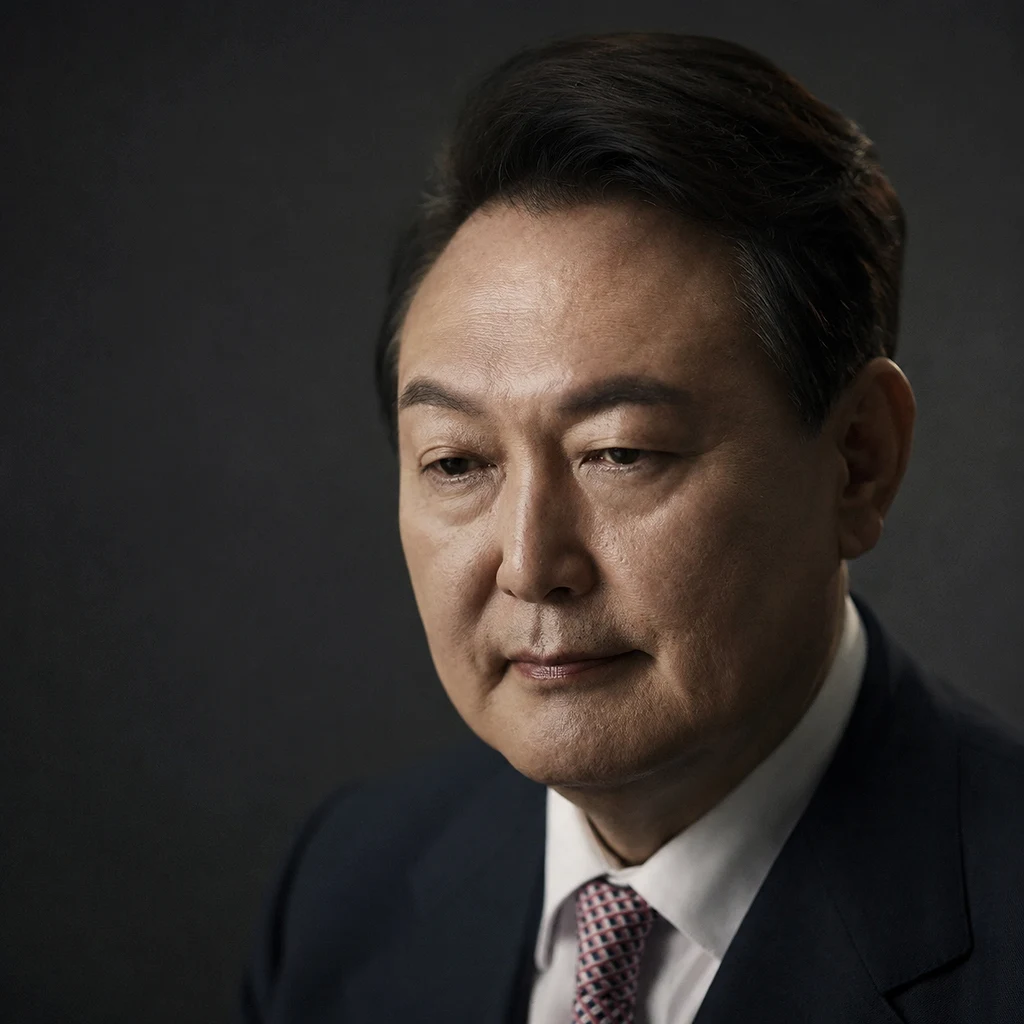
























HSK 3 Chinese listening episodes

HSK 4 Chinese listening episodes
HSK 5+ Chinese listening episodes
How to actually learn HSK 5 vocabulary
Reading a word on a page and catching it at speed in a sentence are different skills. The HSK listening section tests the second.
Scroll
The method in practice
Hear HSK 5 vocabulary in real Mandarin
Each HSK 5 episode uses this word band, with the transcript, pinyin and line-by-line English. Five free episodes after a one-tap magic-link sign-in — no password, no payment.