

HSK 1 Vocabulary List: 150 Words
HSK 1 assumes 150 cumulative words — 150 of them new at this level. They cover greetings, numbers, dates, family, food, and the handful of question words that carry a whole beginner conversation.
By Haoshan HongNative Mandarin speakerUpdated July 2026
Hear HSK 1 words in a real story

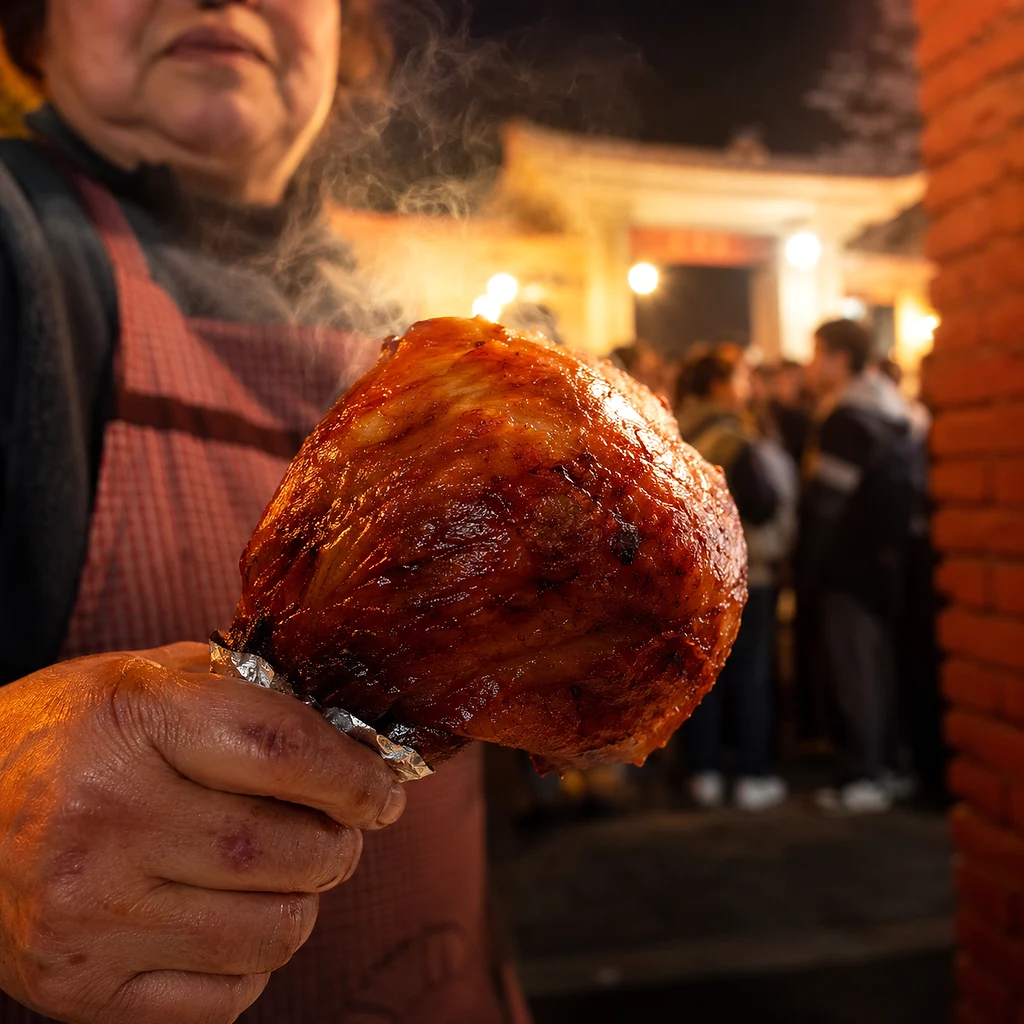
黄石公园热泉区清出280多顶帽子
Yellowstone Finds 280 Hats in Hot-Spring Areas
2 min
What is on the HSK 1 word list?
The HSK word lists are published and cumulative, which is what makes the exam a finite target. HSK 1 assumes 150 words in total — 150 of them introduced at this level.
They cover greetings, numbers, dates, family, food, and the handful of question words that carry a whole beginner conversation.
HSK 1 word list
All 150 entries below, straight from the official Hanban HSK 2.0 list. The 150 words new at HSK 1 come first, then earlier levels.
Pinyin and definitions come from CC-CEDICT. Tap any word to see its other senses without leaving the list. Words with a full Fluentide entry — character breakdown, usage notes, example sentences — link out from there.
Showing 101–150 of 150 · page 3 of 3
睡觉shuìjiàoHSK 1to go to bed
- to go to bed
- to sleep
说话shuōhuàHSK 1to speak
- to speak
- to say
- to talk
- to gossip
- to tell stories
- talk
- word
四sìHSK 1four
岁suìHSK 1classifier for years (of age)
- classifier for years (of age)
- year
- year (of crop harvests)
- years old
- variant of 岁, year
他tāHSK 1(third-person singular) (since the early 20th century, usu. male) he
- (third-person singular) (since the early 20th century, usu. male) he
- him
- his
- (bound form) other
- another
- some other (as in 他日 and 他人)
她tāHSK 1she
太tàiHSK 1highest
- highest
- greatest
- too (much)
- very
- extremely
天气tiānqìHSK 1weather
听tīngHSK 1to listen to
- to listen to
- to hear
- to heed
- to obey
- a can (loanword from English "tin")
- classifier for canned beverages
- to let be
- to allow (Taiwan pr. )
- (literary) to administer
- to deal with (Taiwan pr. )
- smile (archaic)
同学tóngxuéHSK 1to study at the same school
- to study at the same school
- fellow student
- classmate
- CL:位,个
喂wèiHSK 1hey
- hey
- to feed (an animal, baby, invalid etc)
- to feed
- hello (when answering the phone)
- variant of 喂
我wǒHSK 1I
我们wǒmenHSK 1we
- we
- us
- ourselves
- our
五wǔHSK 1five
喜欢xǐhuanHSK 1to like
- to like
- to be fond of
- to be happy
- to be pleased
- to tend to
下xiàHSK 1down
- down
- downwards
- below
- lower
- later
- next (week etc)
- second (of two parts)
- to decline
- to go down
- to arrive at (a decision, conclusion etc)
- measure word to show the frequency of an action
下午xiàwǔHSK 1afternoon
- afternoon
- CL:个
- p.m.
下雨xiàyǔHSK 1to rain
先生xiānshengHSK 1teacher
- teacher
- gentleman
- sir
- mister (Mr.)
- husband
- (dialect) doctor
- CL:位
现在xiànzàiHSK 1now
- now
- at present
- currently
想xiǎngHSK 1to think (about)
- to think (about)
- to think of
- to devise
- to think (that)
- to believe (that)
- to desire
- to want (to)
- to miss (feel wistful about the absence of)
小xiǎoHSK 1small
- small
- tiny
- few
- young
小姐xiǎojieHSK 1young lady
- young lady
- miss
- (slang) prostitute
- CL:个,位
些xiēHSK 1classifier indicating a small amount or small number greater than 1: some, a few, several
- classifier indicating a small amount or small number greater than 1: some, a few, several
写xiěHSK 1to write
- to write
- used in 写意
谢谢xièxieHSK 1to thank
- to thank
- thanks
- thank you
星期xīngqīHSK 1week
- week
- CL:个
- day of the week
- Sunday
学生xuéshengHSK 1student
- student
- schoolchild
学习xuéxíHSK 1to learn
- to learn
- to study
学校xuéxiàoHSK 1school
一yīHSK 1one
- one
- single
- a (article)
- as soon as
- entire
- whole
- all
- throughout
- "one" radical in Chinese characters (Kangxi radical 1)
- also pr. for greater clarity when spelling out numbers digit by digit
衣服yīfuHSK 1clothes
- clothes
- CL:件,套
医生yīshēngHSK 1doctor
- doctor
- medical practitioner
医院yīyuànHSK 1hospital
- hospital
- CL:所,家,座
椅子yǐziHSK 1chair
有yǒuHSK 1to have
- to have
- there is
- (bound form) having
- with
- -ful
- -ed
- -al (as in 有意 intentional)
月yuèHSK 1moon
- moon
- month
- monthly
- CL:个,轮
再见zàijiànHSK 1goodbye
- goodbye
- see you again later
在zàiHSK 1to exist
- to exist
- to be alive
- (of sb or sth) to be (located) at
- (used before a verb to indicate an action in progress)
怎么zěnmeHSK 1how?
- how?
- what?
- why?
怎么样zěnmeyàngHSK 1how?
- how?
- how about?
- how was it?
- how are things?
这zhèHSK 1(pronoun) this
- (pronoun) this
- these
- (bound form) this
- the (followed by a noun)
- (bound form) this
- these (followed by a classifier) (in this sense, commonly pr. , esp. in Beijing)
- (coll.) this
中国zhōngguóHSK 1China
中午zhōngwǔHSK 1noon
- noon
- midday
- CL:个
住zhùHSK 1to live
- to live
- to reside
- to stay
- to stop
- to cease
- (result complement indicating firmness or a stable achieved state)
桌子zhuōziHSK 1table
- table
- desk
- CL:张,套
字zìHSK 1letter
- letter
- symbol
- character
- word
- CL:个
- courtesy or style name traditionally given to males aged 20 in dynastic China
昨天zuótiānHSK 1yesterday
坐zuòHSK 1to sit
- to sit
- to take a seat
- to take (a bus, airplane etc)
- to bear fruit
- surname Zuo
- variant of 座
做zuòHSK 1to make
- to make
- to produce
- to write
- to compose
- to do
- to engage in
- to hold (a party etc)
- (of a person) to be (an intermediary, a good student etc)
- to become (husband and wife, friends etc)
- (of a thing) to serve as
- to be used for
- to assume (an air or manner)
How to actually learn HSK 1 vocabulary
A word list is a checklist, not a method. Recognising a word on a page is a different skill from catching it at speed in a sentence — and the HSK listening section only tests the second one.
Read the list once, do not memorise it
You are looking for which words feel unfamiliar, not trying to learn them here.
Listen at your level daily
Fluentide's HSK 1 episodes are written inside this vocabulary band, so the words arrive in sentences instead of flashcards.
Look a word up only after you have heard it
A word you have already met in audio sticks in one reading. A word you meet cold takes many.
Come back to this list monthly
Use it as a progress check, not a study plan. The gaps you find are what to listen for next.
HSK 1 episodes to hear these words in
Every episode below is written inside the HSK 1 word band and read at HSK 1 speed. Press play — no account needed for the first few.
HSK 1 Chinese listening episodes






















































































































































































































Showing 12 of 231

The method in practice
Hear HSK 1 vocabulary in real Mandarin
Every HSK 1 episode is written inside this word band and read at HSK 1 speed, so words stick because you have heard them in a sentence. Full transcript, pinyin toggle, and line-by-line English on every episode. Five free episodes after a one-tap magic-link sign-in — no password, no payment.