

HSK 1 Vocabulary List: 300 Words (HSK 3.0)
HSK 1 has 300 words in HSK 3.0 (the old HSK 2.0 list had 150). Fluentide has 249 free stories at the HSK 1 level that use them, with transcript and pinyin.
By Haoshan Hong · Native Mandarin speaker · Updated October 2026
Hear HSK 1 words in a real story

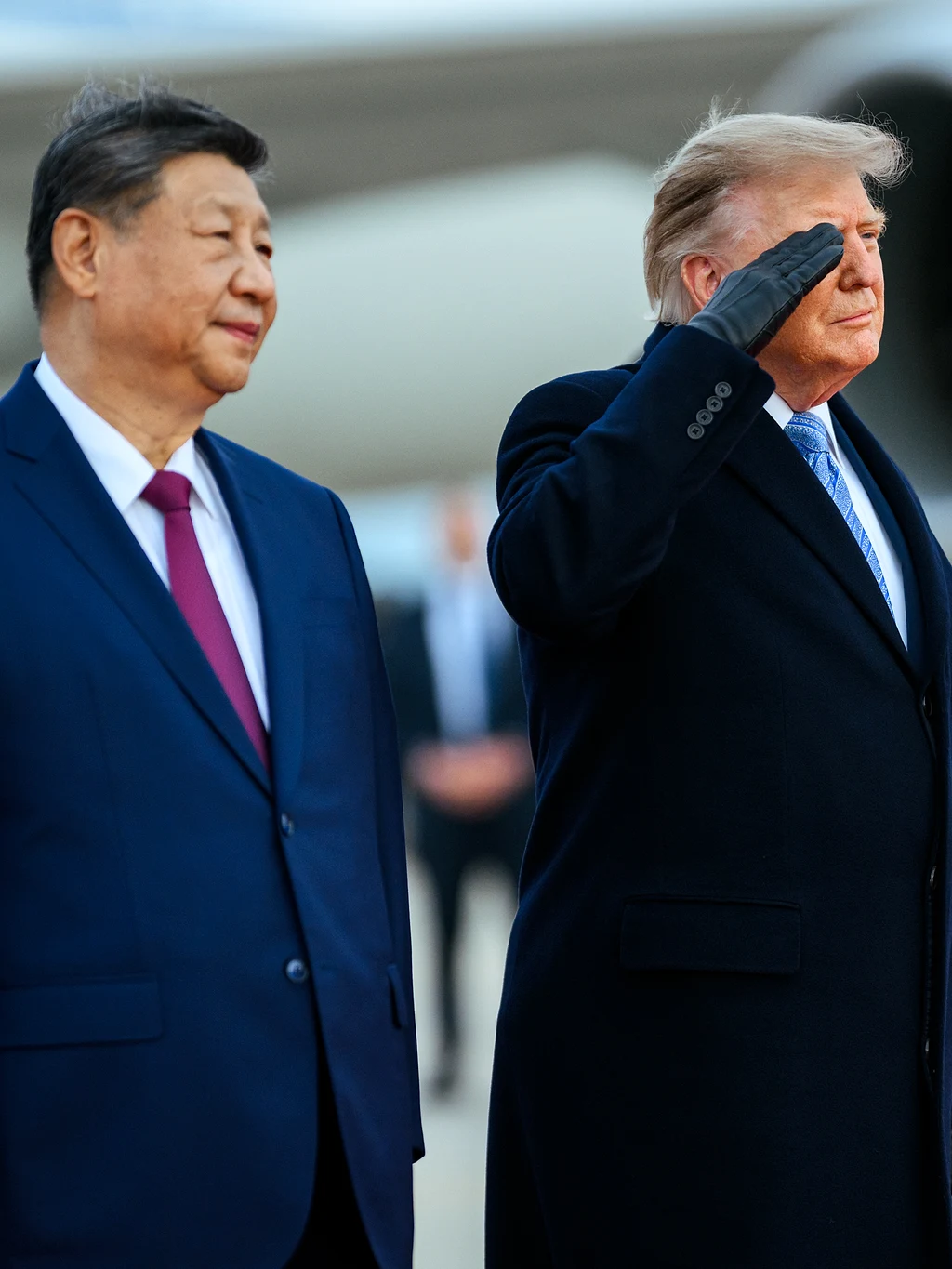
格陵兰安全协议签了:美国多两个基地,主权不变
Greenland Security Deal Signed: Two New US Bases, Sovereignty Stays
1 min
What is on the HSK 1 word list?
Every word is new at this level. They cover greetings, numbers, dates, family, food, and the handful of question words that carry a whole beginner conversation.
Scroll
HSK 1 word list
All 300 words from the official HSK 3.0 syllabus, the 300 new at HSK 1 first.
Pinyin from the syllabus, definitions from CC-CEDICT. Tap a word for its other senses.
Showing 151–200 of 300 · page 4 of 6
您nínHSK 1you (courteous, as opposed to informal 你)
- you (courteous, as opposed to informal 你)
牛奶niúnǎiHSK 1cow's milk
- cow's milk
- CL:瓶,杯
女nǚHSK 1female
- female
- woman
- daughter
- old variant of 汝
女儿nǚ’érHSK 1daughter
女朋友nǚpéngyouHSK 1girlfriend
- girlfriend
女士nǚshìHSK 1lady
- lady
- madam
- CL:个,位
- Miss
- Ms
朋友péngyouHSK 1friend
- friend
- CL:个,位
漂亮piàoliangHSK 1pretty
- pretty
- beautiful
苹果píngguǒHSK 1apple
七qīHSK 1seven
起床qǐchuángHSK 1to get out of bed
- to get out of bed
- to get up
千qiānHSK 1thousand
- thousand
- used in 秋千
前qiánHSK 1front
- front
- forward
- ahead
- first
- top (followed by a number)
- future
- ago
- before
- BC (e.g. 前293年)
- former
- formerly
钱qiánHSK 1coin
- coin
- money
- CL:笔
- unit of weight, one tenth of a tael 两
- surname Qian
请qǐngHSK 1to ask
- to ask
- to invite
- please (do sth)
- to treat (to a meal etc)
- to request
请问qǐngwènHSK 1Excuse me, may I ask...?
- Excuse me, may I ask...?
去qùHSK 1to go
- to go
- to go to (a place)
- (of a time etc) last
- just passed
- to send
- to remove
- to get rid of
- to reduce
- to be apart from in space or time
- to die (euphemism)
- to play (a part)
- (when used either before or after a verb) to go in order to do sth
- (after a verb of motion indicates movement away from the speaker)
- (used after certain verbs to indicate detachment or separation)
去年qùniánHSK 1last year
热rèHSK 1to warm up
- to warm up
- to heat up
- hot (of weather)
- heat
- fervent
人rénHSK 1person
- person
- people
- CL:个,位,名
认识rènshiHSK 1to know
- to know
- to recognize
- to be familiar with
- to get acquainted with sb
- knowledge
- understanding
- awareness
- cognition
日rìHSK 1(bound form) sun
- (bound form) sun
- day
- day of the month
- (bound form) Japan (abbr. for 日本)
- (vulgar) to fuck
- to have sex with
三sānHSK 1three
- three
- 3
- surname San
商店shāngdiànHSK 1store
- store
- shop
- CL:家
上shàngHSK 1(bound form) up
- (bound form) up
- upper
- above
- previous
- first (of multiple parts)
- to climb
- to get onto
- to go up
- to attend (class or university)
- (directional complement) up
- (noun suffix) on
- above
- used in 上声
上班shàngbānHSK 1to go to work
- to go to work
- to be on duty
- to start work
- to go to the office
上课shàngkèHSK 1to go to class
- to go to class
- to attend class
- to go to teach a class
上午shàngwǔHSK 1morning
上学shàngxuéHSK 1to go to school
- to go to school
- to attend school
少shǎoHSK 1few
- few
- less
- to lack
- to be missing
- to stop (doing sth)
- seldom
- young
谁shéi/shuíHSK 1who
什么shénmeHSK 1what?
- what?
- something
- anything
生病shēngbìngHSK 1to fall ill
十shíHSK 1ten
时候shíhouHSK 1time
- time
- length of time
- moment
- period
时间shíjiānHSK 1(concept of) time
- (concept of) time
- (duration of) time
- (point in) time
事shìHSK 1matter
- matter
- thing
- item
- work
- affair
- CL:件,桩,回
是shìHSK 1to be (followed by substantives only)
- to be (followed by substantives only)
- correct
- right
- true
- (respectful acknowledgement of a command) very well
- (adverb for emphatic assertion)
- variant of 是
手机shǒujīHSK 1cell phone
- cell phone
- mobile phone
- CL:部,台
书shūHSK 1book
- book
- letter
- document
- CL:本,册,部
- to write
- abbr. for 书经
书店shūdiànHSK 1bookstore
- bookstore
- CL:家
水shuǐHSK 1water
- water
- (after a name) ... River
- to swim (used mostly in 会水 and 水性)
- (coll.) lacking in substance
- shoddy
- (bound form) additional cost
- extra income
- classifier for washings of a garment
- surname Shui
- Shui ethnic group
水果shuǐguǒHSK 1fruit
睡shuìHSK 1to sleep
- to sleep
- to lie down
睡觉shuìjiàoHSK 1to go to bed
- to go to bed
- to sleep
说shuōHSK 1to speak
- to speak
- to talk
- to say
- to explain
- to comment
- to scold
- to tell off
- (bound form) theory
- doctrine
- to persuade
- variant of 说
说话shuōhuàHSK 1to speak
- to speak
- to say
- to talk
- to gossip
- to tell stories
- talk
- word
四sìHSK 1four
岁suìHSK 1classifier for years (of age)
- classifier for years (of age)
- year
- year (of crop harvests)
- years old
- variant of 岁, year
他tāHSK 1(third-person singular) (since the early 20th century, usu. male) he
- (third-person singular) (since the early 20th century, usu. male) he
- him
- his
- (bound form) other
- another
- some other (as in 他日 and 他人)
HSK 1 stories that use these words
Each one is written inside the HSK 1 word band and read at HSK 1 speed. Press play; the first few need no account.
HSK 1 Chinese listening episodes































































































































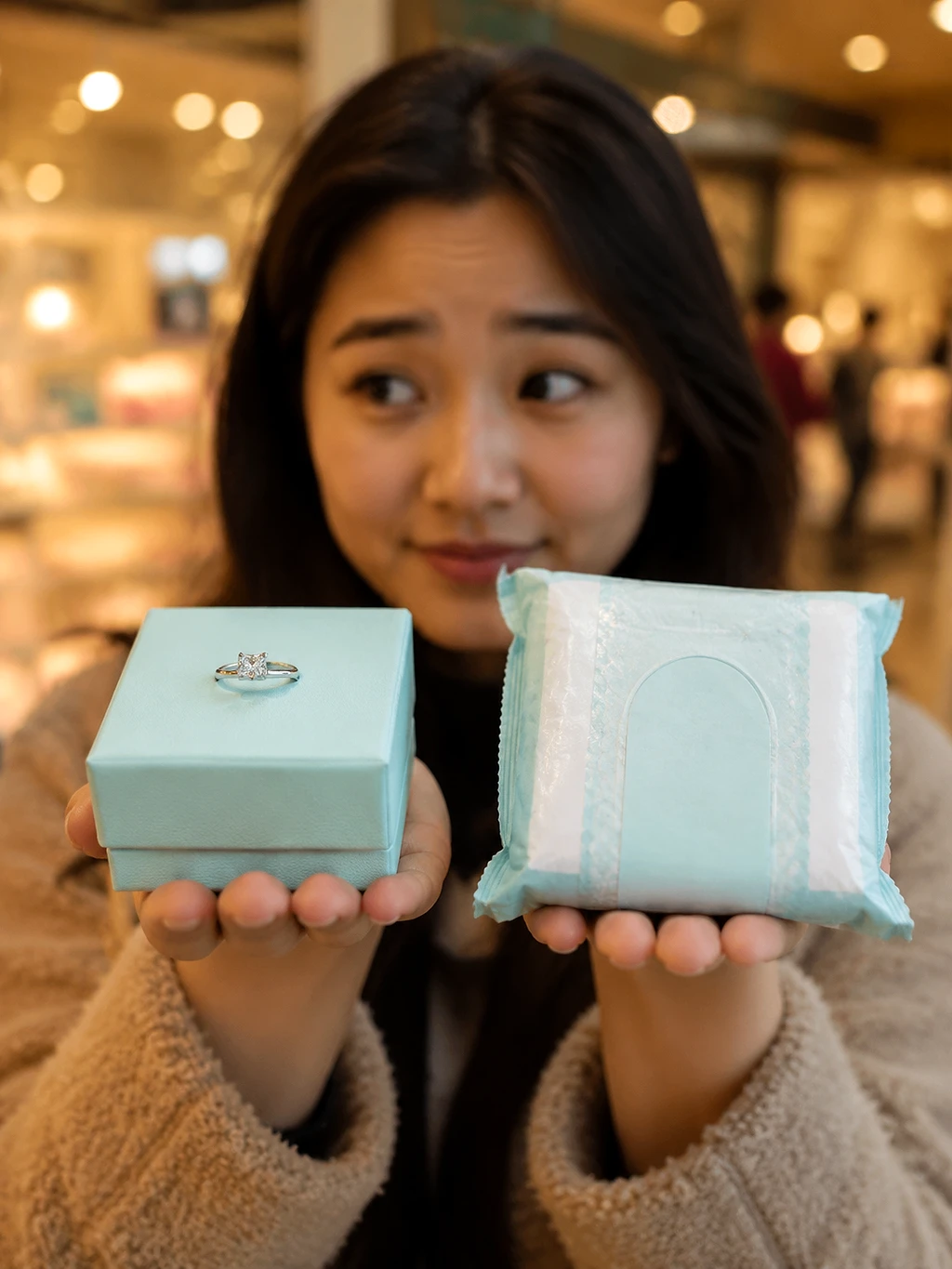


























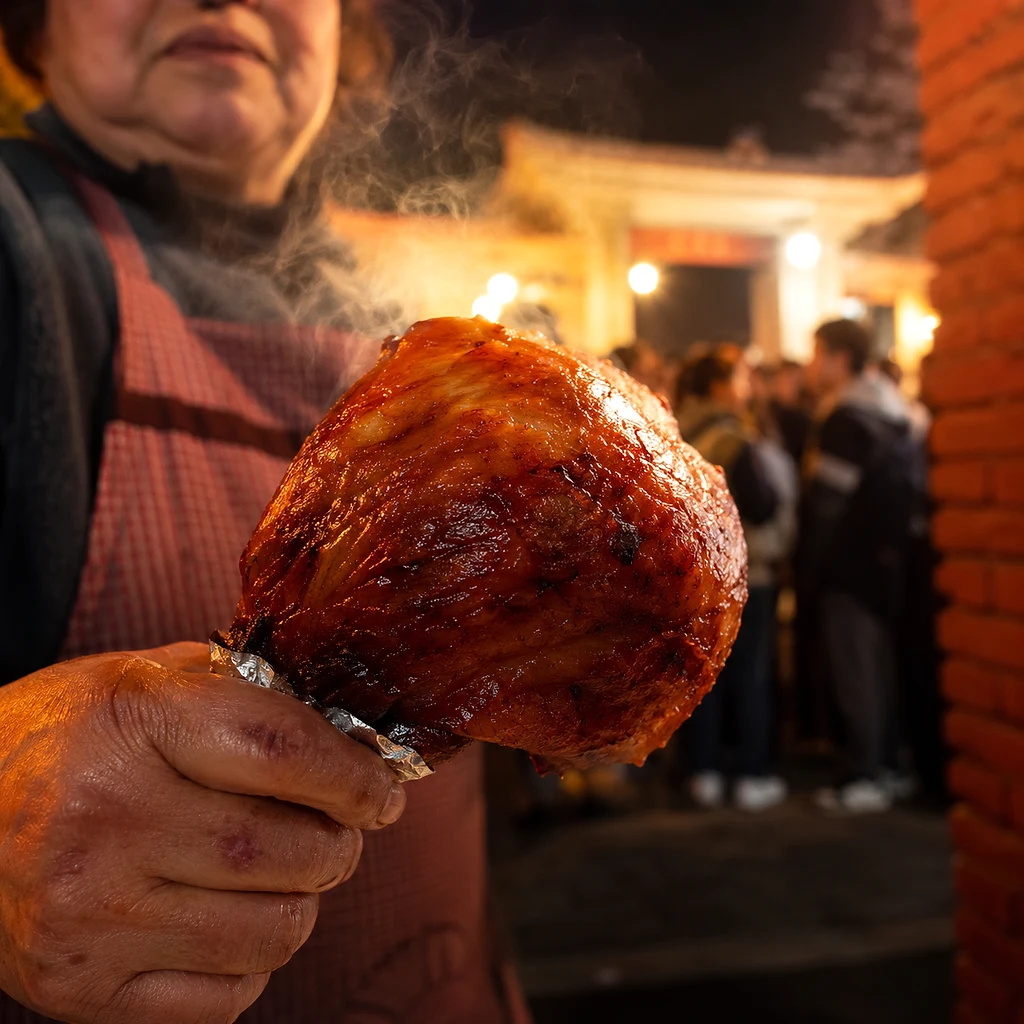



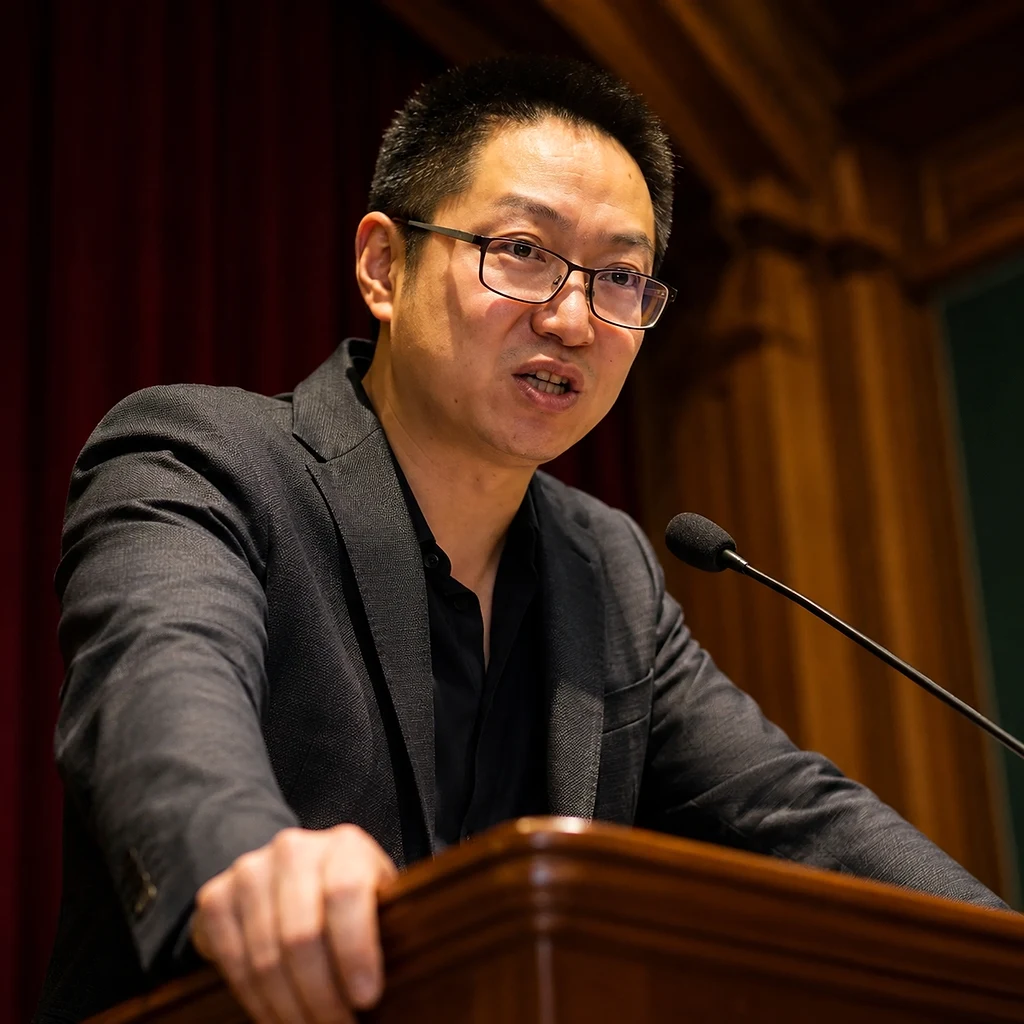

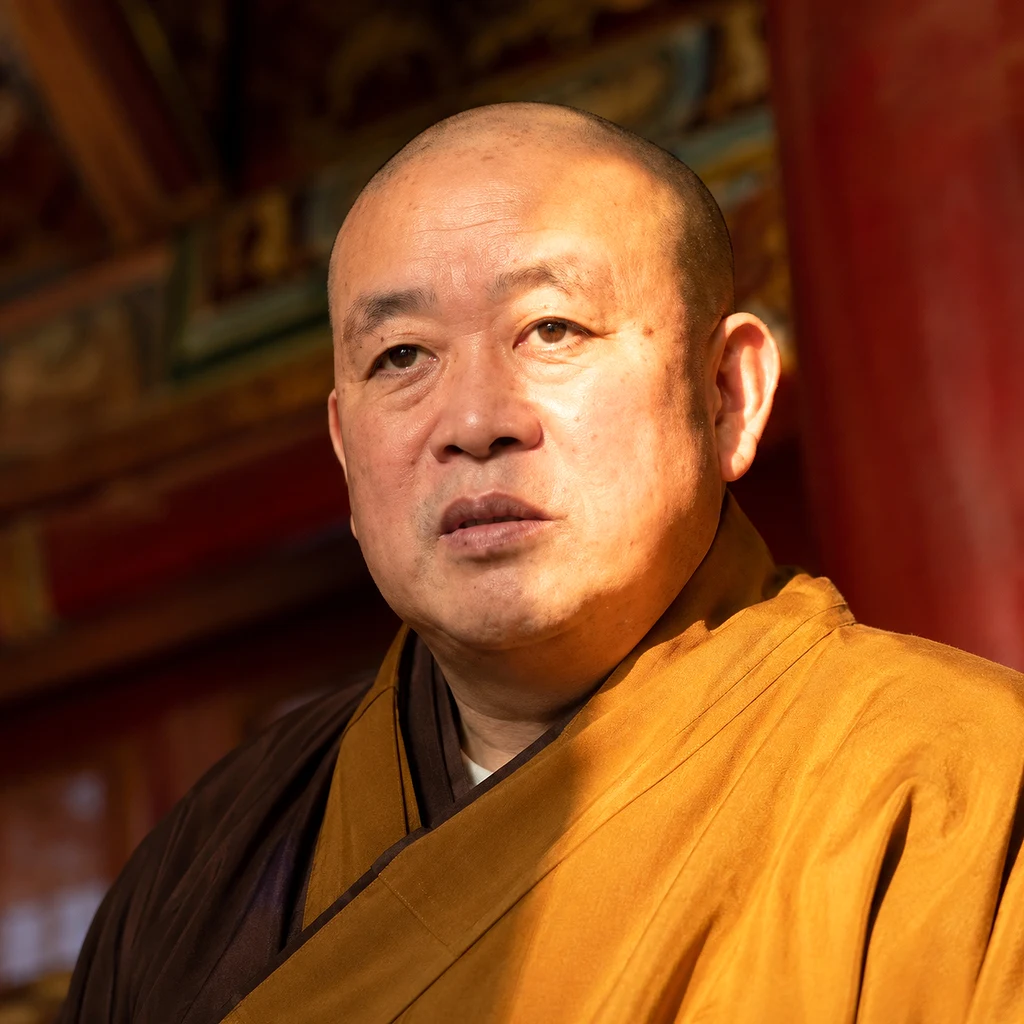























































HSK 2 Chinese listening episodes
HSK 3–4 Chinese listening episodes


Showing 12 of 250
HSK 5–6 Chinese listening episodes

Showing 12 of 252
How to actually learn HSK 1 vocabulary
Reading a word on a page and catching it at speed in a sentence are different skills. The HSK listening section tests the second.
Scroll
The method in practice
Hear HSK 1 vocabulary in real Mandarin
Each HSK 1 episode uses this word band, with the transcript, pinyin and line-by-line English. Five free episodes after a one-tap magic-link sign-in — no password, no payment.