

HSK 1 Vocabulary List: 300 Words (HSK 3.0)
HSK 1 has 300 words in HSK 3.0 (the old HSK 2.0 list had 150). Fluentide has 288 free stories at the Beginner (HSK 2) level that use them, with transcript and pinyin.
By Haoshan Hong · Native Mandarin speaker · Updated October 2026
Hear HSK 1 words in a real story

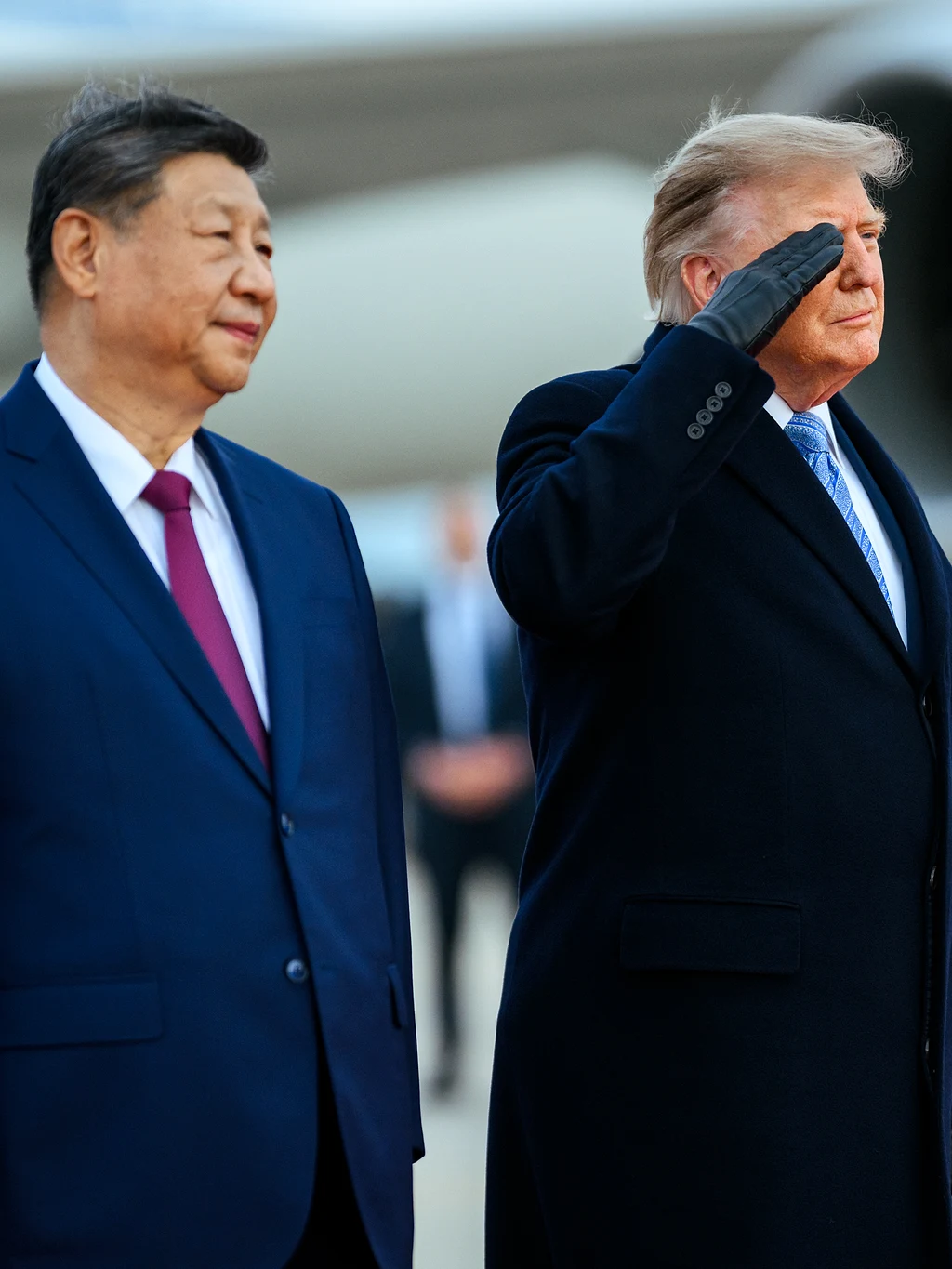
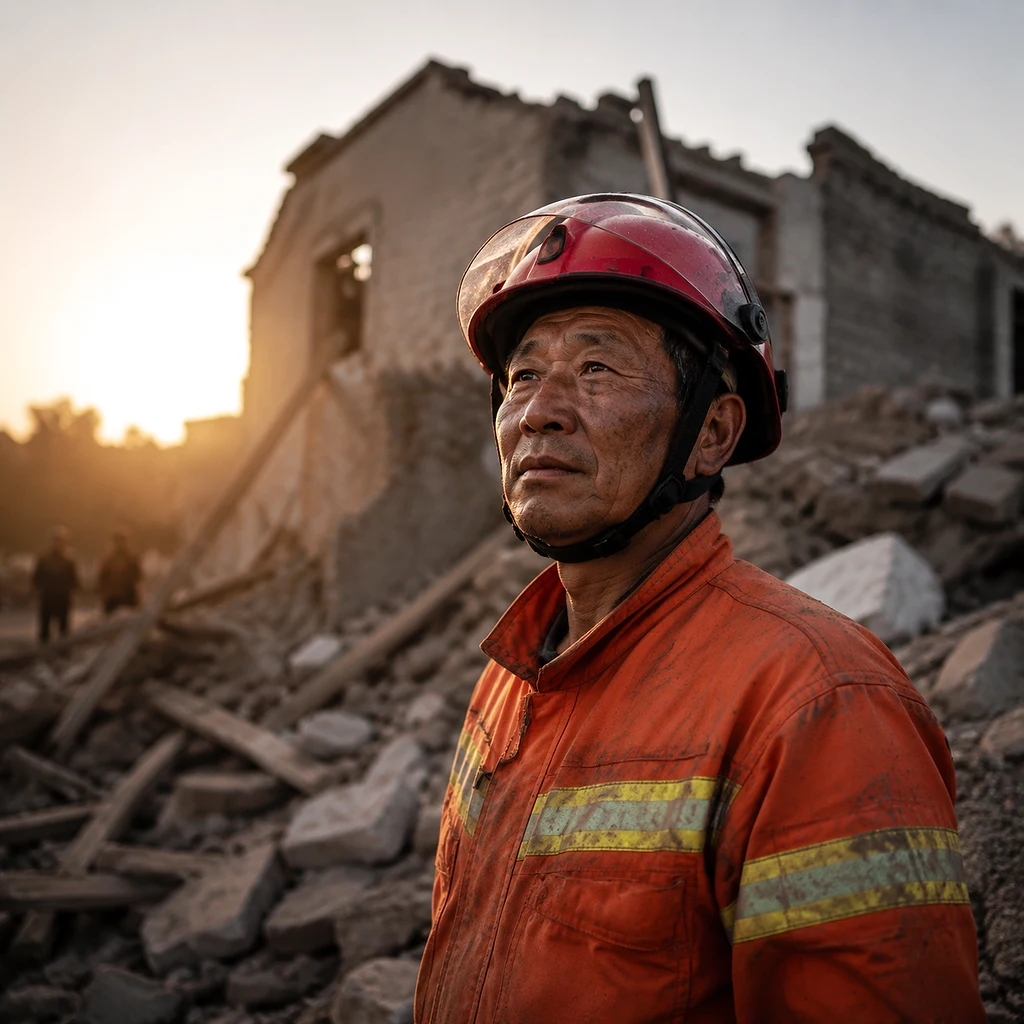
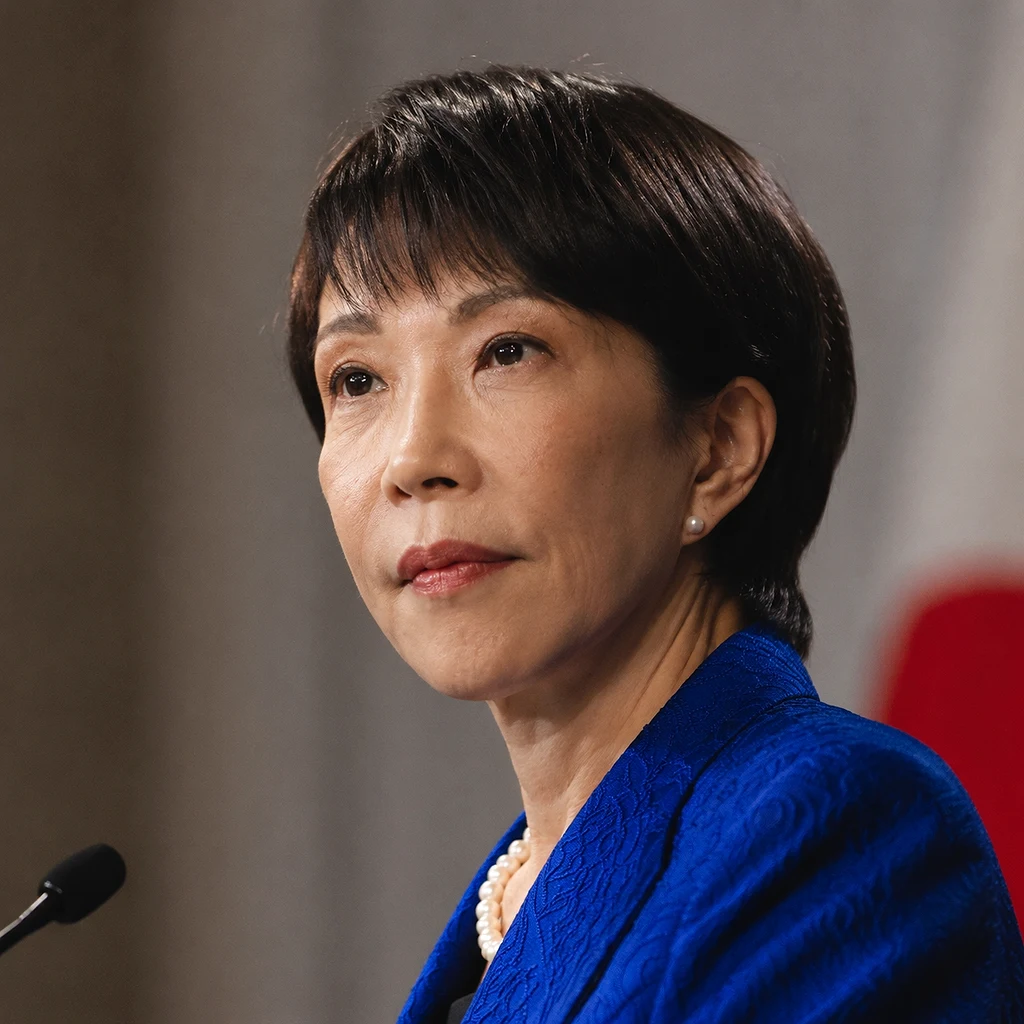
美国佛州李尔喷气机坠毁 九人全部遇难
Learjet 60 Crashes in Palm Beach County, Florida, Killing All Nine On Board
1 min
What is on the HSK 1 word list?
Every word is new at this level. They cover greetings, numbers, dates, family, food, and the handful of question words that carry a whole beginner conversation.
Scroll
HSK 1 word list
All 300 words from the official HSK 3.0 syllabus, the 300 new at HSK 1 first.
Pinyin from the syllabus, definitions from CC-CEDICT. Tap a word for its other senses.
Showing 51–100 of 300 · page 2 of 6
饭fànHSK 1cooked rice
- cooked rice
- CL:碗
- meal
- CL:顿
- (loanword) fan
- devotee
饭店fàndiànHSK 1restaurant
- restaurant
- hotel
- CL:家
房间fángjiānHSK 1room
飞机fēijīHSK 1airplane
- airplane
- CL:架
非常fēichángHSK 1very
- very
- really
- unusual
- extraordinary
分fēnHSK 1to divide
- to divide
- to separate
- to distribute
- to allocate
- to distinguish (good and bad)
- (bound form) branch of (an organization)
- sub- (as in 分局)
- fraction
- one tenth (of certain units)
- unit of length equivalent to 0.33 cm
- minute (unit of time)
- minute (angular measurement unit)
- a point (in sports or games)
- 0.01 yuan (unit of money)
- part
- share
- ingredient
- component
分钟fēnzhōngHSK 1minute
高兴gāoxìngHSK 1happy
- happy
- glad
- willing (to do sth)
- in a cheerful mood
哥哥gēgeHSK 1older brother
- older brother
- CL:个,位
歌gēHSK 1song (CL:首,支)
- song (CL:首,支)
- (bound form) to sing
- variant of 歌
个gèHSK 1(classifier used before a noun that has no specific classifier)
- (classifier used before a noun that has no specific classifier)
- (bound form) individual
- used in 自个儿
- variant of 个
给gěiHSK 1to give
- to give
- for
- to (sb)
- to
- for
- for the benefit of
- to give
- to allow
- to do sth (for sb)
- (grammatical equivalent of 被)
- (grammatical equivalent of 把)
- (sentence intensifier)
- (bound form) to supply
- to provide
- (literary) sufficient
- abundant
工作gōngzuòHSK 1to work
- to work
- (of a machine) to operate
- job
- work
- task
- CL:个,份,项
公司gōngsīHSK 1company
- company
- firm
- corporation
- CL:家
狗gǒuHSK 1dog
贵guìHSK 1expensive
- expensive
- (bound form) highly valued
- precious
- (bound form) noble
- of high rank
- (prefix) (honorific) your
- short name for Guizhou 贵州
国guóHSK 1country
- country
- nation
- state
- (bound form) national
- surname Guo
还hái / huánHSK 1still
- still
- still in progress
- still more
- yet
- even more
- in addition
- fairly
- passably (good)
- as early as
- even
- also
- else
- to pay back
- to return
- surname Huan
孩子háiziHSK 1child
汉语HànyǔHSK 1Chinese language
- Chinese language
汉字HànzìHSK 1Chinese character(s)
- Chinese character(s)
好hǎoHSK 1good
- good
- appropriate
- proper
- all right!
- (before a verb) easy to
- (before a verb) good to
- (before an adjective for exclamatory effect) so
- (verb complement indicating completion)
- (of two people) close
- on intimate terms
- (after a form of address) hello
- to be fond of
- to have a tendency to
- to be prone to
好吃hǎochīHSK 1tasty
- tasty
- delicious
好看hǎokànHSK 1good-looking
- good-looking
- nice-looking
- (of a movie, book, TV show etc) good
- in an embarrassing situation
好听hǎotīngHSK 1pleasant to hear
- pleasant to hear
好玩儿hǎowánrHSK 1amusing
- amusing
- fun
- interesting
号hàoHSK 1number
- number
- date (of the month)
- (bound form) bugle
- trumpet
- (bound form) signal
- bugle call (e.g. 起床号)
- (bound form) mark
- sign
- to mark
- to label
- to assign a number
- (bound form) name
- appellation (e.g. 国号, 年号, 辽宁号)
- (after a numeral) number designation (e.g. 237號房間|237号房间 "Room 237")
- day of the month (e.g. 七号 "the 7th")
- (bound form) size
- type
- category (e.g. 五号电池)
- (TCM) to feel (the pulse) (used in 号脉)
- classifier for numbered people or items
- (literary) to call out
- to command
- (bound form) to wail
- to howl
喝hēHSK 1to drink
- to drink
- to shout
- variant of 嗬
和héHSK 1(joining two nouns) and
- (joining two nouns) and
- together with
- with (Taiwan pr. )
- (math.) sum
- to make peace
- (sports) to draw
- to tie
- (bound form) harmonious
- (bound form) Japan
- Japanese
- to compose a poem in reply (to sb's poem) using the same rhyme sequence
- to join in the singing
- to chime in with others
- to complete a set in mahjong or playing cards
- to combine a powdery substance (flour, plaster etc) with water
- Taiwan pr.
- to mix (ingredients) together
- to blend
- classifier for rinses of clothes
- classifier for boilings of medicinal herbs
- surname He
- (literary) harmonious (variant of 和)
- old variant of 和
很hěnHSK 1very
- very
- quite
- (also, often used before an adjective without intensifying its meaning, i.e. as a meaningless syntactic element)
后hòuHSK 1after
- after
- behind
- back
- empress
- queen
- ruler
- (archaic) monarch
- back
- behind
- rear
- afterwards
- after
- later
- post-
- surname Hou
回huíHSK 1to go back
- to go back
- to return
- to turn back
- to turn around
- to reply
- to answer
- classifier for literary divisions (acts of a play, sections or chapters of a classic book)
- classifier for occurrences or times
- to curve
- to return
- to revolve
- Hui ethnic group (Chinese Muslims)
- variant of 回
会huìHSK 1can
- can
- to have the skill
- to know how to
- to be likely to
- to be sure to
- to meet
- to get together
- meeting
- gathering
- (suffix) union
- group
- association
- (bound form) a moment (Taiwan pr. )
- (bound form) to reckon accounts
火车huǒchēHSK 1train
- train
- CL:列,节,班,趟
鸡蛋jīdànHSK 1(chicken) egg
- (chicken) egg
- hen's egg
- CL:个,打
几jǐHSK 1how many
- how many
- how much
- several
- a few
- small table
- (literary) almost
家jiāHSK 1home
- home
- family
- (polite) my (sister, uncle etc)
- classifier for families or businesses
- refers to the philosophical schools of pre-Han China
- noun suffix for a specialist in some activity, such as a musician or revolutionary, corresponding to English -ist, -er, -ary or -ian
- CL:个
- used in 家伙 and 家俱
家人jiārénHSK 1family member
- family member
- (old) servant
见jiànHSK 1to see
- to see
- to meet
- to appear (to be sth)
- to interview
- opinion
- view
- to appear
- also written 现
件jiànHSK 1item
- item
- component
- classifier for events, things, clothes etc
饺子jiǎoziHSK 1dumpling
- dumpling
- pot-sticker
- CL:个,只
叫jiàoHSK 1to call
- to call
- to be called
- to shout
- to call
- to order
- to ask
- to be called
- by (indicates agent in the passive mood)
- variant of 叫
姐姐jiějieHSK 1older sister
- older sister
- CL:个
今年jīnniánHSK 1this year
- this year
今天jīntiānHSK 1today
- today
- the present time
- now
九jiǔHSK 1nine
觉得juédeHSK 1to think that ...
- to think that ...
- to feel that ...
- to feel (uncomfortable etc)
开kāiHSK 1to open (transitive or intransitive)
- to open (transitive or intransitive)
- (of ships, vehicles, troops etc) to start
- to turn on
- to put in operation
- to operate
- to run
- to boil
- to write out (a prescription, check, invoice etc)
- (directional complement) away
- off
- carat (gold)
- abbr. for Kelvin, 开尔文
- abbr. for 开本, book format
开车kāichēHSK 1to drive a car (or train etc)
- to drive a car (or train etc)
- (slang) to post sexual content online
- to make a sexual joke
看kàn / kānHSK 1to see
- to see
- to look at
- to read
- to watch
- to visit
- to call on
- to consider
- to regard as
- to look after
- to treat (a patient or illness)
- to depend on
- to feel (that)
- (after a verb) to give it a try
- to watch out for
- to look after
- to take care of
- to watch
- to guard
Stories that use these HSK 1 words
Each one is a Fluentide Beginner (HSK 2) story, written inside that word band. Press play; the first few need no account.
HSK 2 Chinese listening episodes




































































































































































































































































HSK 3 Chinese listening episodes

HSK 4 Chinese listening episodes
HSK 5+ Chinese listening episodes
How to actually learn HSK 1 vocabulary
Reading a word on a page and catching it at speed in a sentence are different skills. The HSK listening section tests the second.
Scroll
The method in practice
Hear HSK 1 vocabulary in real Mandarin
Each HSK 1 episode uses this word band, with the transcript, pinyin and line-by-line English. Five free episodes after a one-tap magic-link sign-in — no password, no payment.