

HSK 3 Vocabulary List: 1,000 Words (HSK 3.0)
HSK 3 has 1,000 words in HSK 3.0, 500 of them new at this level (the old HSK 2.0 list had 600). Fluentide has 289 free stories at the Elementary (HSK 3) level that use them, with transcript and pinyin.
By Haoshan Hong · Native Mandarin speaker · Updated October 2026
Hear HSK 3 words in a real story

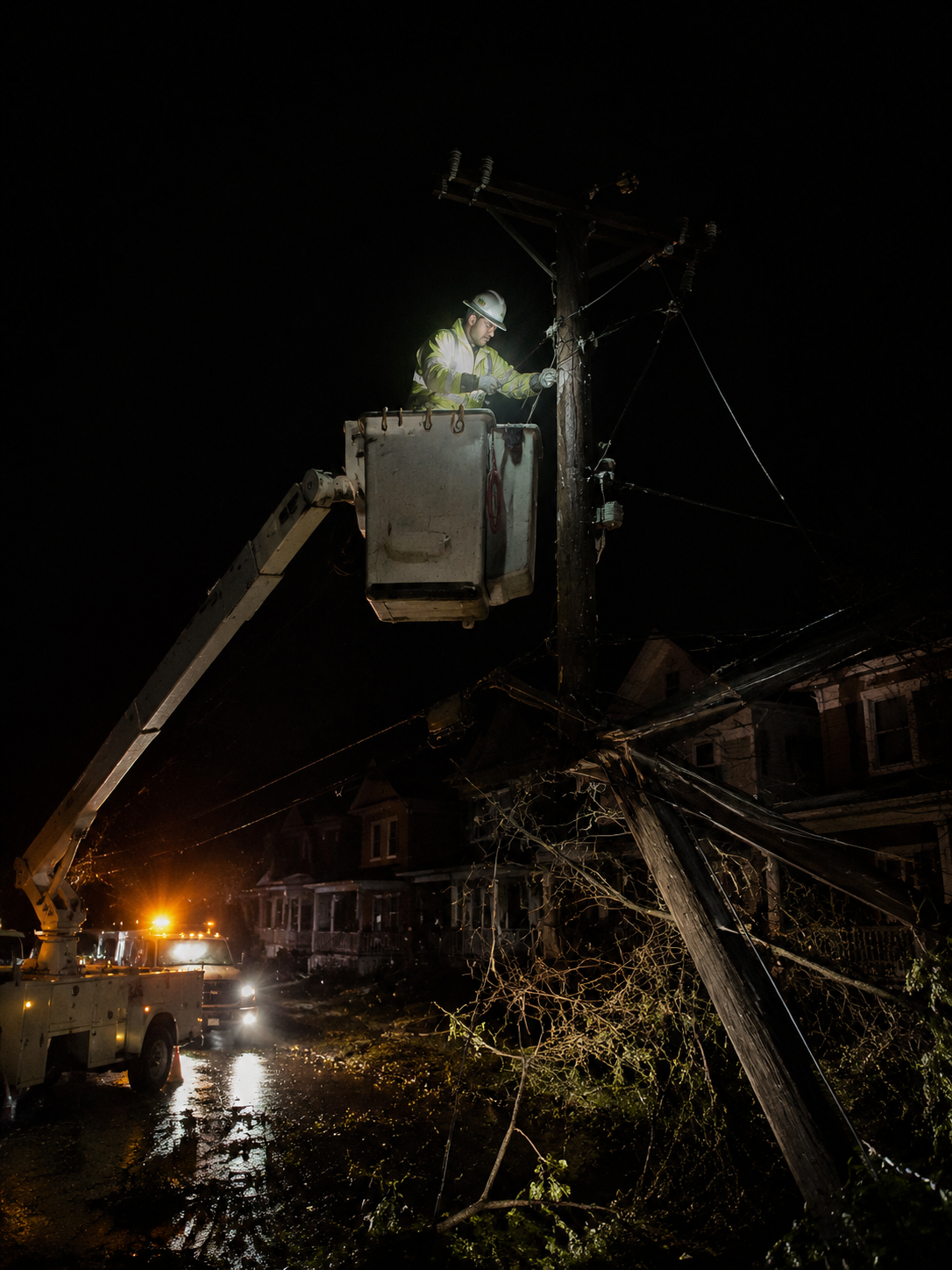
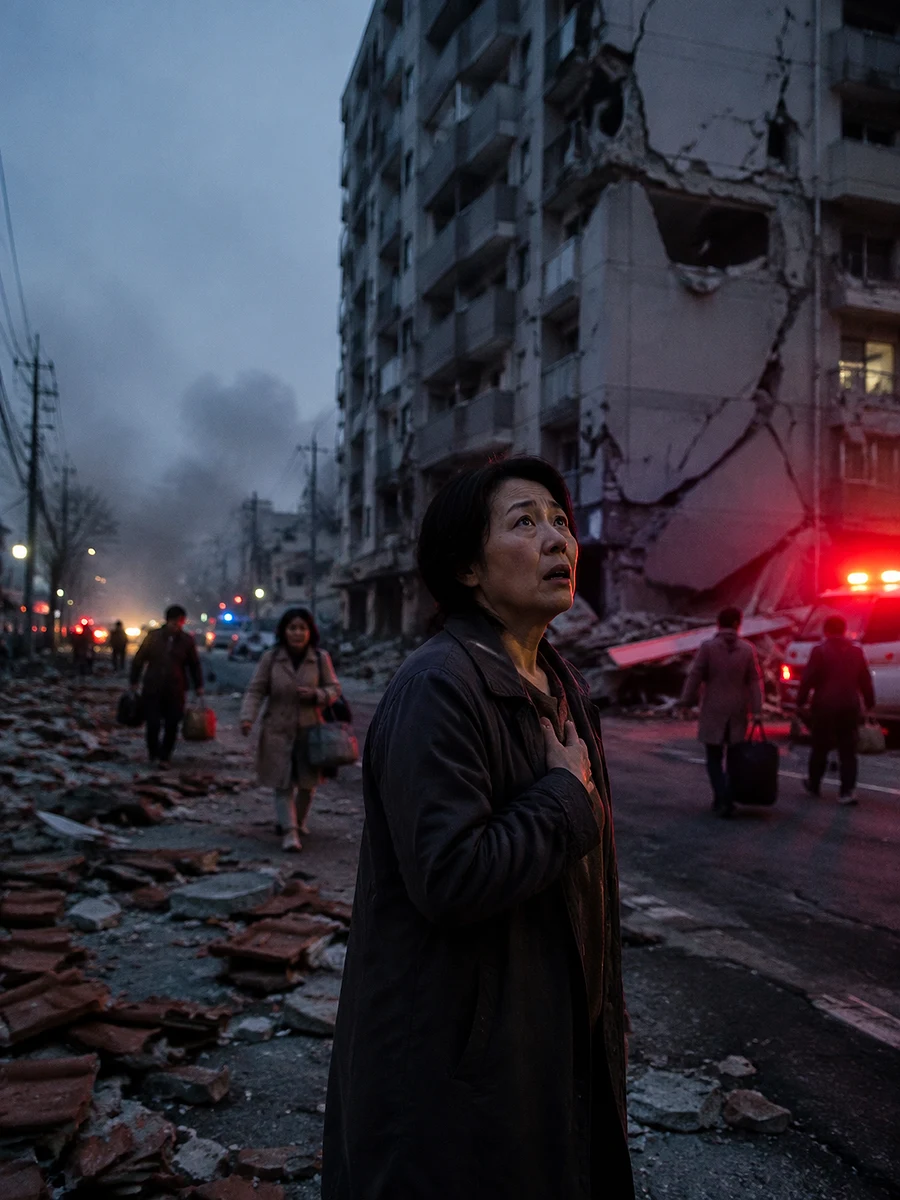
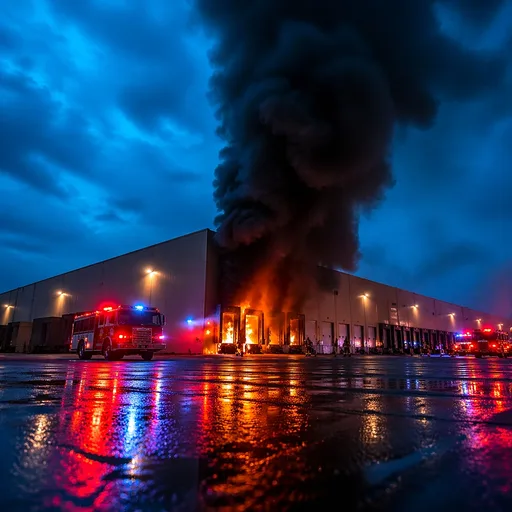
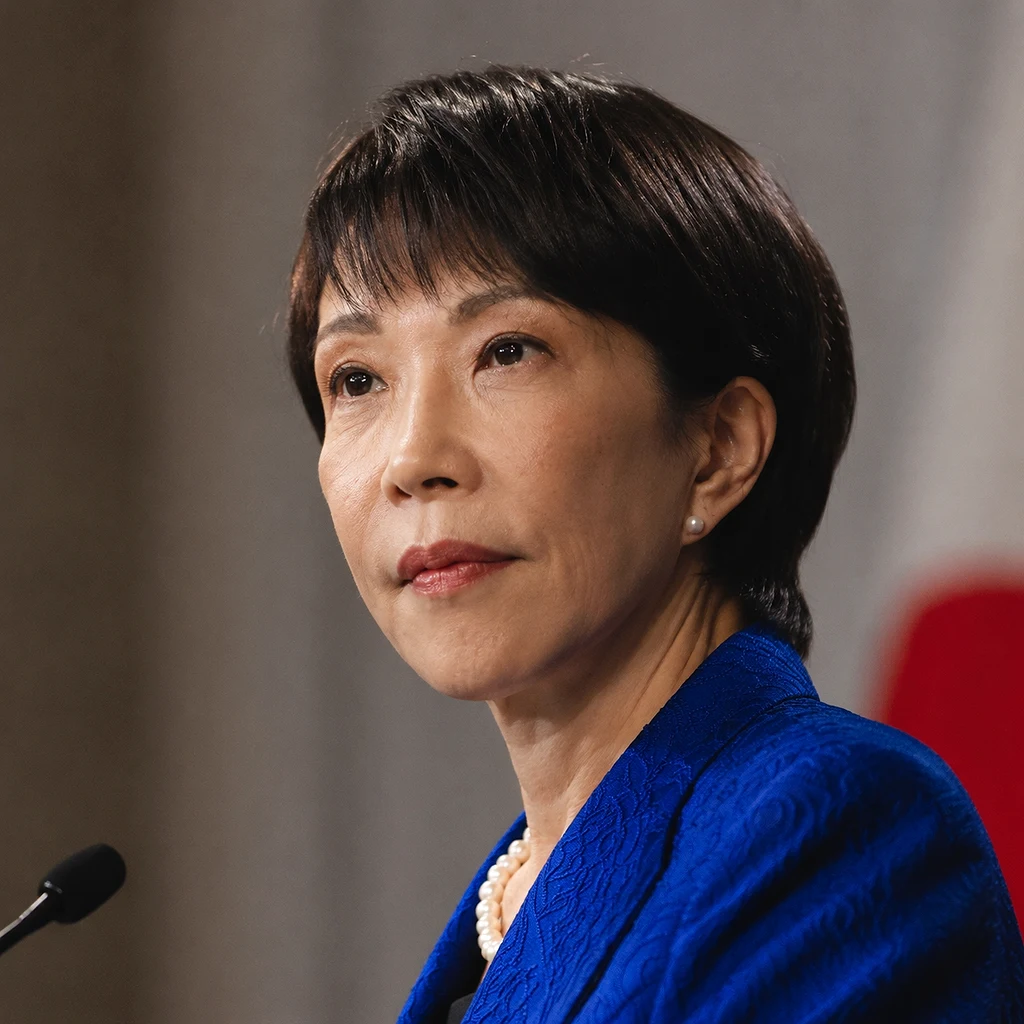
美国佛州李尔喷气机坠毁 九人全部遇难
Learjet 60 Crashes in Palm Beach County, Florida, Killing All Nine On Board
2 min
What is on the HSK 3 word list?
The other 500 come from HSK 1–2. They cover work, study, money, transport, and basic cause-and-effect. This is the bridge from survival phrases into actual conversation.
Scroll
HSK 3 word list
All 988 words from the official HSK 3.0 syllabus, the 491 new at HSK 3 first. The syllabus counts 1,000 because a few words are listed once per reading; here each appears once.
Pinyin from the syllabus, definitions from CC-CEDICT. Tap a word for its other senses.
Showing 251–300 of 988 · page 6 of 20
聊天儿liáotiānrHSK 3to chat
- to chat
- to gossip
邻居línjūHSK 3neighbor
留学liúxuéHSK 3to study abroad
- to study abroad
留学生liúxuéshēngHSK 3student studying abroad
- student studying abroad
- returned student
- foreign student
- international student
楼梯lóutīHSK 3stair
- stair
- staircase
- CL:个
路边lùbiānHSK 3curb
- curb
- roadside
- wayside
路口lùkǒuHSK 3crossing
- crossing
- intersection (of roads)
马mǎHSK 3horse
- horse
- CL:匹
- horse or cavalry piece in Chinese chess
- knight in Western chess
- surname Ma
- abbr. for Malaysia 马来西亚
马路mǎlùHSK 3street
- street
- road
- CL:条
马上mǎshàngHSK 3at once
- at once
- right away
- immediately
- on horseback (i.e. by military force)
满意mǎnyìHSK 3satisfied
- satisfied
- pleased
- to one's satisfaction
毛máoHSK 3hair
- hair
- feather
- down
- wool
- mildew
- mold
- coarse or semifinished
- young
- raw
- careless
- unthinking
- nervous
- scared
- (of currency) to devalue or depreciate
- classifier for Chinese fractional monetary unit ( = 角 , = one-tenth of a yuan or 10 fen 分)
- surname Mao
米mǐHSK 3rice
- rice
- meter
- uncooked rice
- meter (unit of length)
- (slang) Chinese yuan
- surname Mi
面前miànqiánHSK 3in front of
- in front of
- facing
- (in the) presence (of)
名单míngdānHSK 3list of names
- list of names
名人míngrénHSK 3personage
- personage
- celebrity
明白míngbaiHSK 3clear
- clear
- obvious
- unequivocal
- sensible
- reasonable
- to understand
- to realize
男人nánrénHSK 3a man
- a man
- a male
- men
- CL:个
男生nánshēngHSK 3schoolboy
- schoolboy
- male student
- boy
- guy (young adult male)
南nánHSK 3south
- south
- Taiwan pr.
- used in 南无
- surname Nan
南方nánfāngHSK 3south
- south
- southern direction
- (in China) southern regions, often referring to areas south of the Yangtze River
难nánHSK 3difficult (to...)
- difficult (to...)
- problem
- difficulty
- difficult
- not good
- disaster
- distress
- to scold
难过nánguòHSK 3to feel sad
- to feel sad
- to feel unwell
- (of life) to be difficult
难看nánkànHSK 3ugly
- ugly
- unsightly
难题nántíHSK 3difficult problem
- difficult problem
难听nántīngHSK 3unpleasant to hear
- unpleasant to hear
- coarse
- vulgar
- offensive
- shameful
年级niánjíHSK 3grade
- grade
- year (in school, college etc)
- CL:个
年轻niánqīngHSK 3young
牛niúHSK 3ox
- ox
- cow
- bull
- CL:条,头
- newton (abbr. for 牛顿)
- (slang) awesome
- surname Niu
努力nǔlìHSK 3to make an effort
- to make an effort
- to try hard
- to strive
- hard-working
- conscientious
女人nǚrénHSK 3woman
- woman
女生nǚshēngHSK 3schoolgirl
- schoolgirl
- female student
- girl
爬páHSK 3to crawl
- to crawl
- to climb
- to get up or sit up
怕pàHSK 3to be afraid
- to be afraid
- to fear
- to dread
- to be unable to endure
- perhaps
- surname Pa
拍照pāizhàoHSK 3to take a picture
- to take a picture
盘子pánziHSK 3tray
- tray
- plate
- dish
- CL:个
胖pàngHSK 3fat
- fat
- plump
- healthy
- at ease
啤酒píjiǔHSK 3beer (loanword)
- beer (loanword)
- CL:杯,瓶,罐,桶,缸
平时píngshíHSK 3ordinarily
- ordinarily
- in normal times
- in peacetime
瓶子píngziHSK 3bottle
- bottle
- CL:个
其实qíshíHSK 3actually
- actually
- in fact
- really
其他qítāHSK 3other
- other
- (sth or sb) else
- the rest
奇怪qíguàiHSK 3strange
- strange
- odd
- to marvel
- to be baffled
骑qíHSK 3to sit astride
- to sit astride
- to ride (a horse, bike etc)
- classifier for saddle horses
- (Tw) saddle horse
- mounted soldier
起qǐHSK 3to rise
- to rise
- to raise
- to get up
- to set out
- to start
- to appear
- to launch
- to initiate (action)
- to draft
- to establish
- to get (from a depot or counter)
- verb suffix, to start
- starting from (a time, place, price etc)
- classifier for occurrences or unpredictable events: case, instance
- classifier for groups: batch, group
起飞qǐfēiHSK 3(of an aircraft or rocket) to take off
- (of an aircraft or rocket) to take off
- to lift off
- (fig.) (of an enterprise etc) to start to develop rapidly
汽车qìchēHSK 3car
- car
- automobile
- bus
- CL:辆
铅笔qiānbǐHSK 3(lead) pencil
- (lead) pencil
- CL:支,枝,杆
前年qiánniánHSK 3the year before last
- the year before last
前天qiántiānHSK 3the day before yesterday
- the day before yesterday
Stories that use these HSK 3 words
Each one is a Fluentide Elementary (HSK 3) story, written inside that word band. Press play; the first few need no account.
HSK 2 Chinese listening episodes







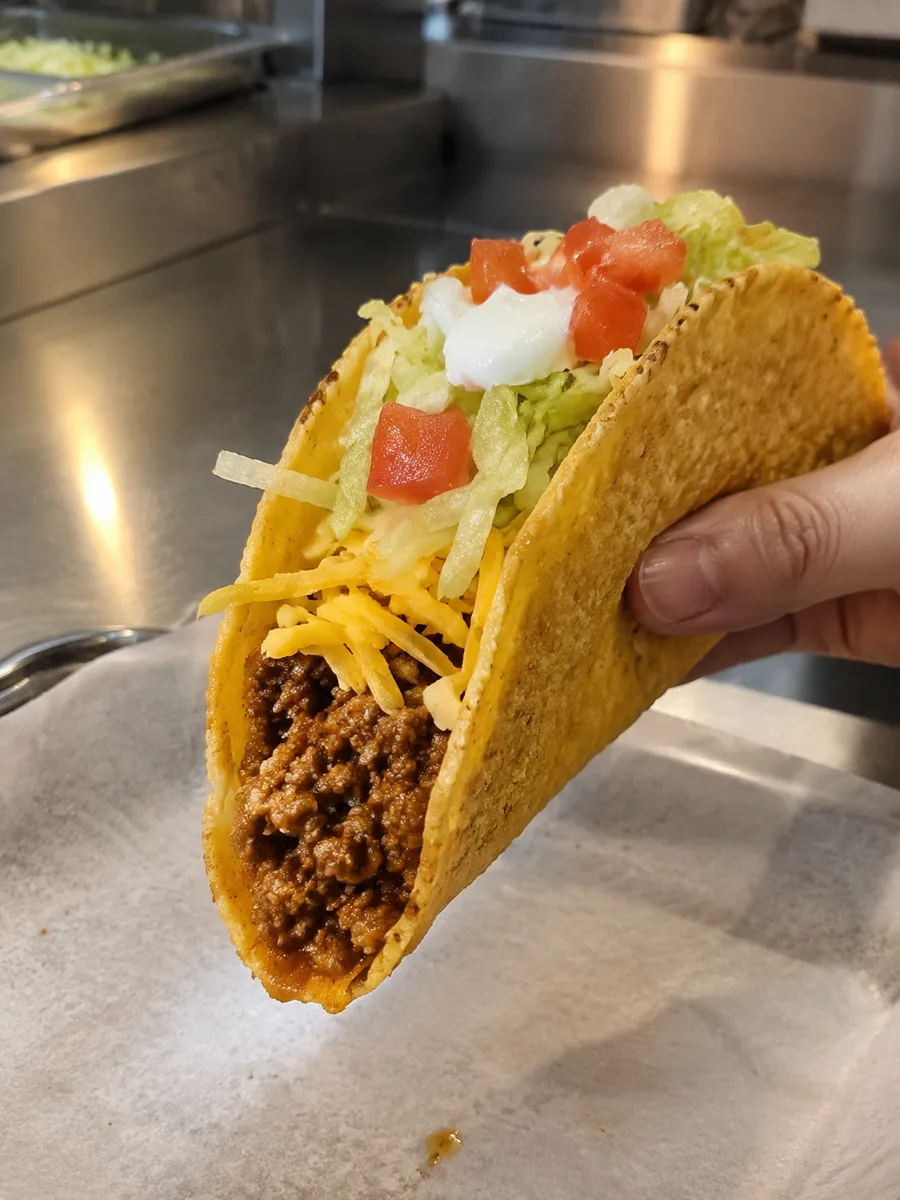





































































































































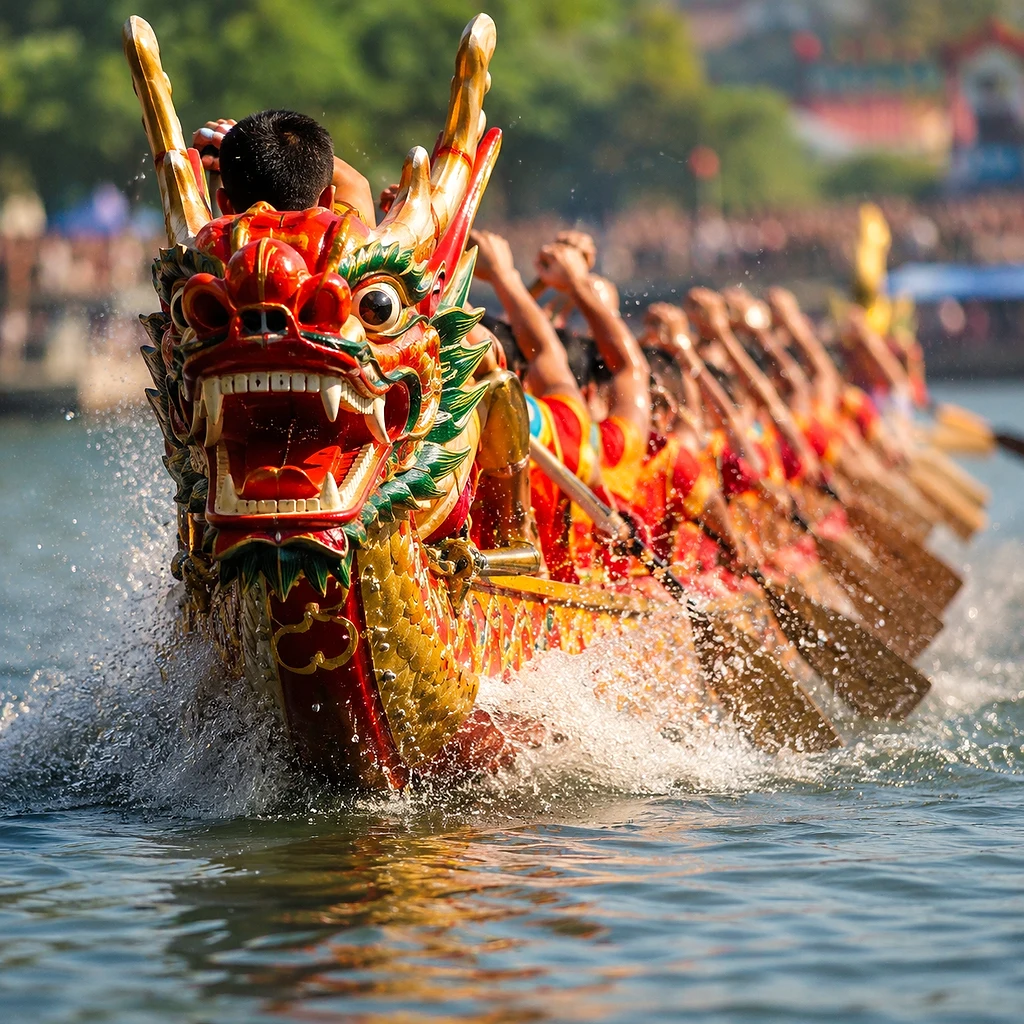
































































































HSK 3 Chinese listening episodes

HSK 4 Chinese listening episodes
HSK 5+ Chinese listening episodes
How to actually learn HSK 3 vocabulary
Reading a word on a page and catching it at speed in a sentence are different skills. The HSK listening section tests the second.
Scroll
The method in practice
Hear HSK 3 vocabulary in real Mandarin
Each HSK 3 episode uses this word band, with the transcript, pinyin and line-by-line English. Five free episodes after a one-tap magic-link sign-in — no password, no payment.