

HSK 3 Vocabulary List: 600 Words
HSK 3 assumes 600 cumulative words — 300 of them new at this level. They cover work, study, money, transport, and basic cause-and-effect — the bridge from survival phrases into actual conversation.
By Haoshan HongNative Mandarin speakerUpdated July 2026
Hear HSK 3 words in a real story
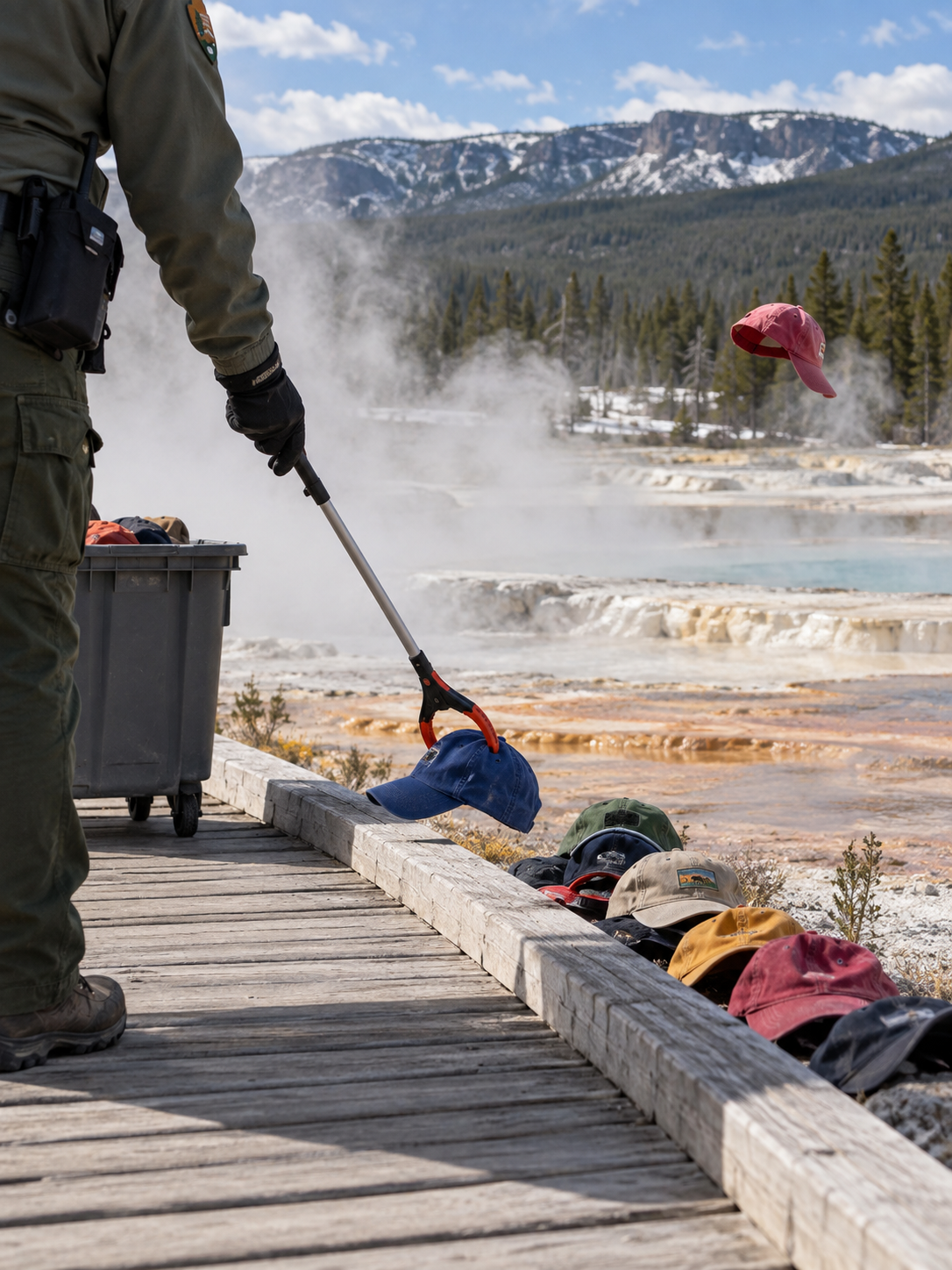
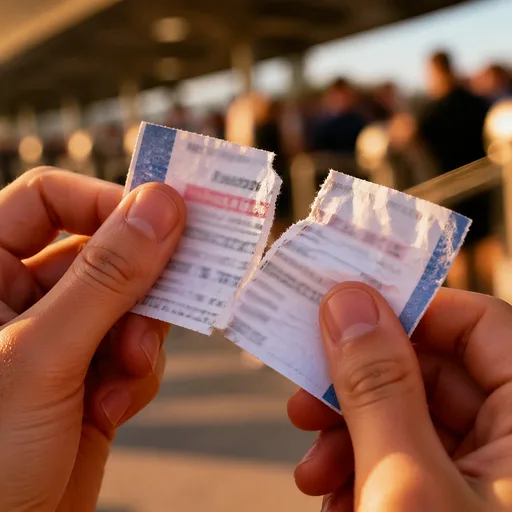
黄石公园热泉区清出280多顶帽子
Yellowstone Finds 280 Hats in Hot-Spring Areas
1 min
What is on the HSK 3 word list?
The HSK word lists are published and cumulative, which is what makes the exam a finite target. HSK 3 assumes 600 words in total — 300 of them introduced at this level.
They cover work, study, money, transport, and basic cause-and-effect — the bridge from survival phrases into actual conversation.
HSK 3 word list
All 595 entries below, straight from the official Hanban HSK 2.0 list. The 298 words new at HSK 3 come first, then earlier levels.
Pinyin and definitions come from CC-CEDICT. Tap any word to see its other senses without leaving the list. Words with a full Fluentide entry — character breakdown, usage notes, example sentences — link out from there.
Showing 51–100 of 595 · page 2 of 12
地方dìfāngHSK 3region
- region
- regional (away from the central administration)
- local
地铁dìtiěHSK 3underground railway
- underground railway
- subway
- subway train
地图dìtúHSK 3map
灯dēngHSK 3lamp
- lamp
- light
- lantern
- CL:盏
低dīHSK 3low
- low
- beneath
- to lower (one's head)
- to let droop
- to hang down
- to incline
电梯diàntīHSK 3elevator
- elevator
- escalator
- CL:台,部
电子diànzǐHSK 3electronic
- electronic
- electron (particle physics)
东dōngHSK 3east
- east
- host (i.e. sitting on east side of guest)
- landlord
- surname Dong
冬dōngHSK 3winter
- winter
- (onom.) beating a drum
- rat-a-tat
- surname Dong
动物dòngwùHSK 3animal
短duǎnHSK 3short
- short
- brief
- to lack
- weak point
- fault
段duànHSK 3paragraph
- paragraph
- section
- segment
- stage (of a process)
- classifier for stories, periods of time, lengths of thread etc
- surname Duan
锻炼duànliànHSK 3to toughen
- to toughen
- to temper
- to engage in physical exercise
- to work out
- (fig.) to develop one's skills
- to train oneself
多么duōmeHSK 3how (wonderful etc)
- how (wonderful etc)
- what (a great idea etc)
- however (difficult it may be etc)
- (in interrogative sentences) how (much etc)
- to what extent
饿èHSK 3hungry
- hungry
- to starve (sb)
而且érqiěHSK 3(not only ...) but also
- (not only ...) but also
- moreover
- in addition
- furthermore
耳朵ěrduoHSK 3ear
- ear
- CL:只,个,对
- handle (on a cup)
发烧fāshāoHSK 3to have a high temperature (from illness)
- to have a high temperature (from illness)
- to have a fever
- (fig.) to be fascinated with
- to obsess over
- (fig.) flourishing
- thriving
- popular
发现fāxiànHSK 3to notice
- to notice
- to become aware of
- to discover
- to find
- to detect
- a discovery
方便fāngbiànHSK 3convenient
- convenient
- suitable
- to facilitate
- to make things easy
- having money to spare
- (euphemism) to relieve oneself
放fàngHSK 3to put
- to put
- to place
- to release
- to free
- to let go
- to let out
- to set off (fireworks)
放心fàngxīnHSK 3to feel relieved
- to feel relieved
- to feel reassured
- to be at ease
分fēnHSK 3to divide
- to divide
- to separate
- to distribute
- to allocate
- to distinguish (good and bad)
- (bound form) branch of (an organization)
- sub- (as in 分局)
- fraction
- one tenth (of certain units)
- unit of length equivalent to 0.33 cm
- minute (unit of time)
- minute (angular measurement unit)
- a point (in sports or games)
- 0.01 yuan (unit of money)
- part
- share
- ingredient
- component
附近fùjìnHSK 3nearby
- nearby
- neighboring
- (in the) vicinity (of)
- neighborhood
复习fùxíHSK 3to review
- to review
- revision
- CL:次
敢gǎnHSK 3to dare
- to dare
- daring
- (polite) may I venture
感冒gǎnmàoHSK 3to catch cold
- to catch cold
- (common) cold
- CL:场,次
- (coll.) to be interested in (often used in the negative)
- (Tw) to detest
- can't stand
干净gānjìngHSK 3clean
刚才gāngcáiHSK 3just now
- just now
- a moment ago
根据gēnjùHSK 3according to
- according to
- based on
- basis
- foundation
- CL:个
跟gēnHSK 3heel
- heel
- to follow closely
- to go with
- (of a woman) to marry sb
- with
- compared with
- to
- towards
- and (joining two nouns)
更gèngHSK 3more
- more
- even more
- further
- still
- still more
- to change or replace
- to experience
- one of the five two-hour periods into which the night was formerly divided
- watch (e.g. of a sentry or guard)
公园gōngyuánHSK 3park (for public recreation)
- park (for public recreation)
- CL:座
故事gùshìHSK 3old practice
- old practice
刮guāHSK 3to scrape
- to scrape
- to blow
- to shave
- to plunder
- to extort
- to blow (of the wind)
关guānHSK 3mountain pass
- mountain pass
- to close
- to shut
- to turn off
- to confine
- to lock (sb) up
- to shut (sb in a room, a bird in a cage etc)
- to concern
- to involve
- surname Guan
关系guānxiHSK 3relation
- relation
- relationship
- connection
- to concern
- to involve
- to affect
- guanxi (personal connections)
关心guānxīnHSK 3to be concerned about
- to be concerned about
- to care about
关于guānyúHSK 3pertaining to
- pertaining to
- concerning
- with regard to
- about
- a matter of
国家guójiāHSK 3country
- country
- nation
- state
果汁guǒzhīHSK 3fruit juice
- fruit juice
过去guòqùHSK 3(in the) past
- (in the) past
- former
- previous
- to go over
- to pass by
还是háishiHSK 3still (as before)
- still (as before)
- had better
- unexpectedly
- or
害怕hàipàHSK 3to be afraid
- to be afraid
- to be scared
河héHSK 3river (CL:条,道)
- river (CL:条,道)
- (bound form) the Yellow River
- (bound form) the Milky Way
- (bound form) (on restaurant menus) rice noodles 河粉
黑板hēibǎnHSK 3blackboard
- blackboard
- CL:块,个
护照hùzhàoHSK 3passport
- passport
- CL:本,个
花huāHSK 3flower
- flower
- blossom
- CL:朵,支,束,把,盆,簇
- fancy pattern
- florid
- to spend (money, time)
- (coll.) lecherous
- lustful
- surname Hua
- flower
- blossom
- also pr.
- old variant of 花
- variant of 花
花园huāyuánHSK 3garden (for flowers, ornamental plants etc)
- garden (for flowers, ornamental plants etc)
- (landscaped) park
- yard with decorative plants
- CL:座
画huàHSK 3to draw
- to draw
- to paint
- picture
- painting (CL:幅,张)
- to draw (a line) (variant of 划)
- stroke of a Chinese character (variant of 划)
- (calligraphy) horizontal stroke (variant of 划)
How to actually learn HSK 3 vocabulary
A word list is a checklist, not a method. Recognising a word on a page is a different skill from catching it at speed in a sentence — and the HSK listening section only tests the second one.
Read the list once, do not memorise it
You are looking for which words feel unfamiliar, not trying to learn them here.
Listen at your level daily
Fluentide's HSK 3 episodes are written inside this vocabulary band, so the words arrive in sentences instead of flashcards.
Look a word up only after you have heard it
A word you have already met in audio sticks in one reading. A word you meet cold takes many.
Come back to this list monthly
Use it as a progress check, not a study plan. The gaps you find are what to listen for next.
HSK 3 episodes to hear these words in
Every episode below is written inside the HSK 3 word band and read at HSK 3 speed. Press play — no account needed for the first few.









































































































































































































HSK 3–4 Chinese listening episodes
Showing 12 of 230
The method in practice
Hear HSK 3 vocabulary in real Mandarin
Every HSK 3 episode is written inside this word band and read at HSK 3 speed, so words stick because you have heard them in a sentence. Full transcript, pinyin toggle, and line-by-line English on every episode. Five free episodes after a one-tap magic-link sign-in — no password, no payment.