

HSK 5 Vocabulary List: 3,599 Words (HSK 3.0)
HSK 5 has 3,599 words in HSK 3.0, 1,599 of them new at this level (the old HSK 2.0 list had 2,500). Fluentide has 292 free stories at the Advanced (HSK 5+) level that use them, with transcript and pinyin.
By Haoshan Hong · Native Mandarin speaker · Updated October 2026
Hear HSK 5 words in a real story

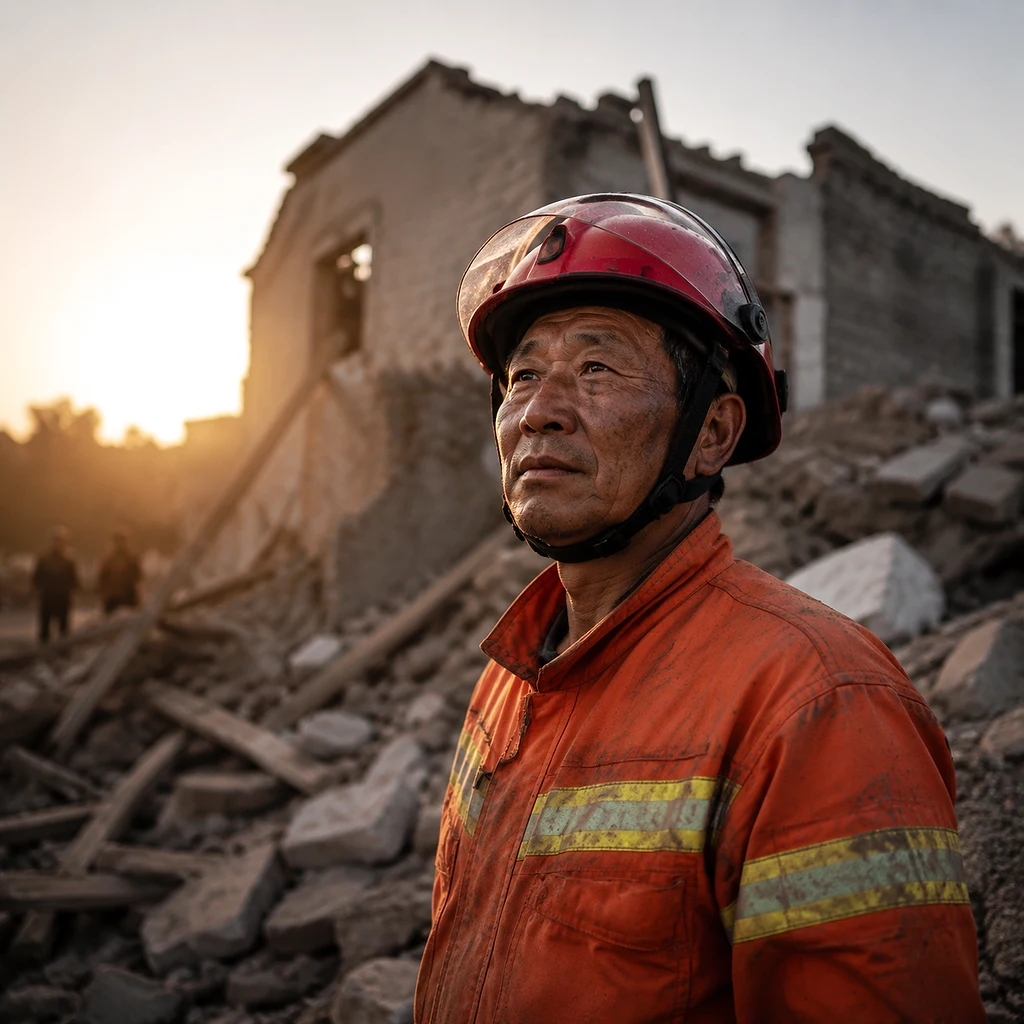
《经济学人》劝华盛顿:让中国抄美国AI
The Economist Urges Washington: Let China Copy American AI — Why Banning Distillation Would Backfire
2 min
What is on the HSK 5 word list?
The other 2,000 come from HSK 1–4. They cover news, business, academic and literary register: the vocabulary of newspapers, lectures, and film dialogue.
Scroll
HSK 5 word list
All 3,557 words from the official HSK 3.0 syllabus, the 1,579 new at HSK 5 first. The syllabus counts 3,599 because a few words are listed once per reading; here each appears once.
Pinyin from the syllabus, definitions from CC-CEDICT. Tap a word for its other senses.
Showing 751–800 of 3,557 · page 16 of 72
描述miáoshùHSK 5to describe
- to describe
- description
敏感mǐngǎnHSK 5sensitive
- sensitive
- susceptible
名称míngchēngHSK 5name (of a thing)
- name (of a thing)
- name (of an organization)
名牌míngpáiHSK 5famous brand
- famous brand
- nameplate
- name tag
名片míngpiànHSK 5(business) card
- (business) card
明确míngquèHSK 5clear-cut
- clear-cut
- definite
- explicit
- to clarify
- to specify
- to make definite
明显míngxiǎnHSK 5clear
- clear
- distinct
- obvious
明星míngxīngHSK 5star
- star
- celebrity
命mìngHSK 5life
- life
- fate
- order or command
- to assign a name, title etc
命运mìngyùnHSK 5fate
- fate
- destiny
摸mōHSK 5to feel with the hand
- to feel with the hand
- to touch
- to stroke
- to grope
- to steal
- to abstract
- variant of 摹
模糊móhuHSK 5vague
- vague
- indistinct
- fuzzy
- to blur
- to obscure
- to confuse
- to mix up
模式móshìHSK 5mode
- mode
- pattern
- model
陌生mòshēngHSK 5strange
- strange
- unfamiliar
某mǒuHSK 5some
- some
- a certain
- sb or sth indefinite
- such-and-such
木头mùtouHSK 5wood
- wood
- log (CL:块,根)
- (fig.) blockhead
- dolt
目光mùguāngHSK 5gaze
- gaze
- (fig.) attention
- expression in one's eyes
- look
- (lit. and fig.) sight
- vision
哪怕nǎpàHSK 5even
- even
- even if
- even though
- no matter how
男子nánzǐHSK 5a man
- a man
- a male
难得nándéHSK 5seldom
- seldom
- rare
- hard to come by
难度nándùHSK 5degree of difficulty
- degree of difficulty
难以nányǐHSK 5hard to (predict, imagine etc)
- hard to (predict, imagine etc)
闹nàoHSK 5noisy
- noisy
- boisterous
- bustling
- lively
- to make noise
- to cause a disturbance
- to express
- to vent (feelings)
- to experience (an illness, disaster, famine etc)
- to fool around
- to engage in (an activity, often vigorously or disruptively)
- variant of 闹
闹钟nàozhōngHSK 5alarm clock
- alarm clock
内部nèibùHSK 5interior
- interior
- inside (part, section)
- internal
能干nénggànHSK 5capable
- capable
- competent
年初niánchūHSK 5beginning of the year
- beginning of the year
年代niándàiHSK 5a decade of a century (e.g. the Sixties)
- a decade of a century (e.g. the Sixties)
- age
- era
- period
- CL:个
年纪niánjìHSK 5age
- age
- CL:把,个
年夜饭niányèfànHSK 5reunion dinner on Lunar New Year's Eve (Chinese New Year tradition)
- reunion dinner on Lunar New Year's Eve (Chinese New Year tradition)
念niànHSK 5to read
- to read
- to study (a subject)
- to attend (a school)
- to read aloud
- to give (sb) a tongue-lashing (CL:顿)
- to miss (sb)
- idea
- remembrance
- twenty (banker's anti-fraud numeral corresponding to 廿)
- variant of 念, to read aloud
牛仔裤niúzǎikùHSK 5jeans
- jeans
- CL:条
农民nóngmínHSK 5peasant
- peasant
- farmer
农业nóngyèHSK 5agriculture
- agriculture
- farming
浓nóngHSK 5concentrated
- concentrated
- dense
- strong (smell etc)
女子nǚzǐHSK 5woman
- woman
- female
哦òHSK 5oh (interjection indicating that one has just learned sth)
- oh (interjection indicating that one has just learned sth)
- to chant
- oh (interjection indicating doubt or surprise)
- sentence-final particle that conveys informality, warmth, friendliness or intimacy
- may also indicate that one is stating a fact that the other person is not aware of
欧洲ŌuzhōuHSK 5Europe (abbr. for 欧罗巴洲)
- Europe (abbr. for 欧罗巴洲)
偶然ǒuránHSK 5incidentally
- incidentally
- occasional
- occasionally
- by chance
- randomly
拍摄pāishèHSK 5to take (a picture)
- to take (a picture)
- to shoot (a film)
排列páilièHSK 5to arrange in order
- to arrange in order
- (math.) permutation
派pàiHSK 5clique
- clique
- school
- group
- faction
- (bound form) style
- manner
- to send (a person or resource)
- to dispatch
- to allocate (a resource or task)
- to appoint (sb)
- classifier for factions, groups etc
- (preceded by 一) classifier used in characterizing a scene, atmosphere, demeanor, sound, remark etc
- (loanword) pi (Greek letter Π, π)
- the circular ratio 𝜋 = 3.14159...
- (loanword) pie
- (literary) tributary
- branch of a river
- used in 派司
派出所pàichūsuǒHSK 5local police station
- local police station
跑道pǎodàoHSK 5athletic track
- athletic track
- track
- runway (i.e. airstrip)
陪伴péibànHSK 5to accompany
- to accompany
培训péixùnHSK 5to cultivate
- to cultivate
- to train
- to groom
- training
培养péiyǎngHSK 5to cultivate
- to cultivate
- to breed
- to foster
- to nurture
- to educate
- to groom (for a position)
- education
- fostering
- culture (biology)
赔péiHSK 5to compensate for loss
- to compensate for loss
- to indemnify
- to suffer a financial loss
配pèiHSK 5to join
- to join
- to fit
- to mate
- to mix
- to match
- to deserve
- to make up (a prescription)
- to allocate
配合pèihéHSK 5matching
- matching
- fitting in with
- compatible with
- to correspond
- to fit
- to conform to
- rapport
- to coordinate with
- to act in concert with
- to cooperate
- to become man and wife
- to combine parts of machine
Stories that use these HSK 5 words
Each one is a Fluentide Advanced (HSK 5+) story, written inside that word band. Press play; the first few need no account.
HSK 2 Chinese listening episodes











































































































































































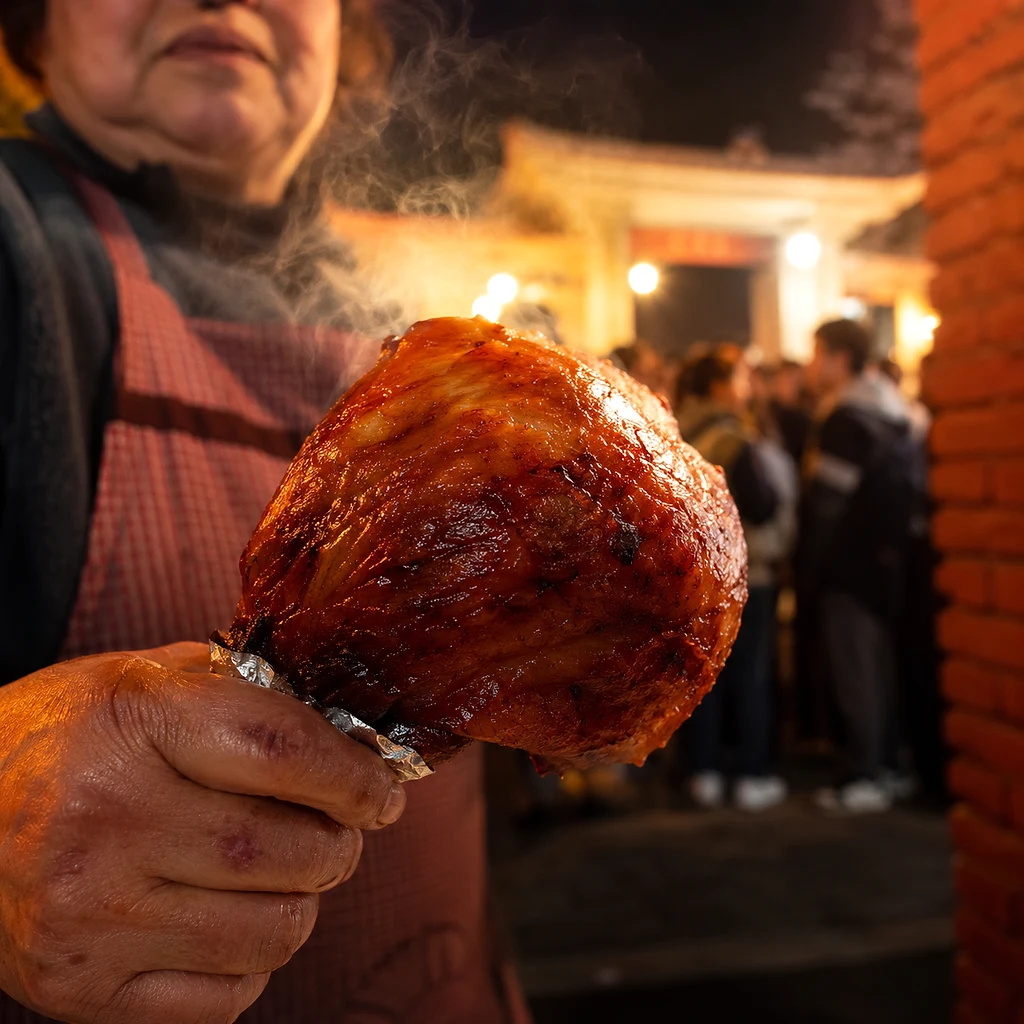






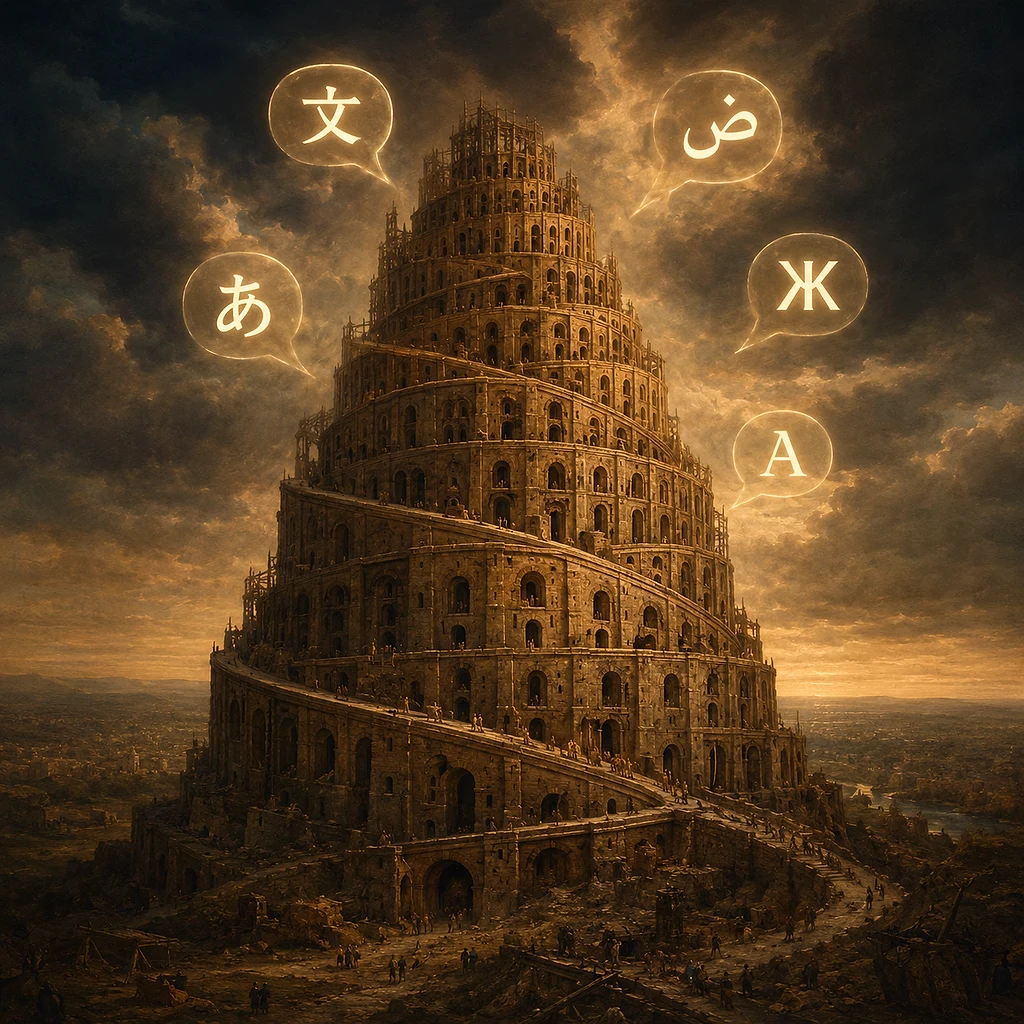





















































































HSK 3 Chinese listening episodes

HSK 4 Chinese listening episodes
HSK 5+ Chinese listening episodes
How to actually learn HSK 5 vocabulary
Reading a word on a page and catching it at speed in a sentence are different skills. The HSK listening section tests the second.
Scroll
The method in practice
Hear HSK 5 vocabulary in real Mandarin
Each HSK 5 episode uses this word band, with the transcript, pinyin and line-by-line English. Five free episodes after a one-tap magic-link sign-in — no password, no payment.