

HSK 5 Vocabulary List: 3,599 Words (HSK 3.0)
HSK 5 has 3,599 words in HSK 3.0, 1,599 of them new at this level (the old HSK 2.0 list had 2,500). Fluentide has 292 free stories at the Advanced (HSK 5+) level that use them, with transcript and pinyin.
By Haoshan Hong · Native Mandarin speaker · Updated October 2026
Hear HSK 5 words in a real story

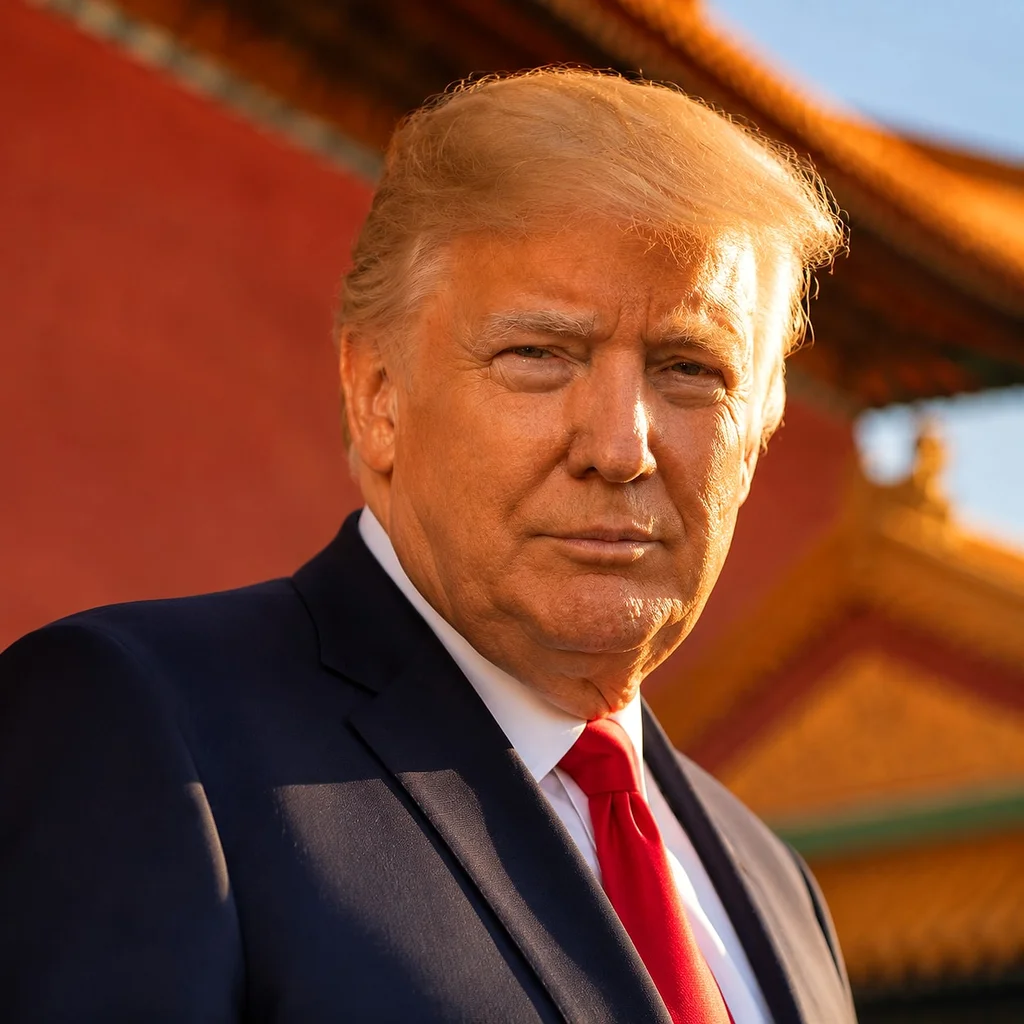
《经济学人》劝华盛顿:让中国抄美国AI
The Economist Urges Washington: Let China Copy American AI — Why Banning Distillation Would Backfire
2 min
What is on the HSK 5 word list?
The other 2,000 come from HSK 1–4. They cover news, business, academic and literary register: the vocabulary of newspapers, lectures, and film dialogue.
Scroll
HSK 5 word list
All 3,557 words from the official HSK 3.0 syllabus, the 1,579 new at HSK 5 first. The syllabus counts 3,599 because a few words are listed once per reading; here each appears once.
Pinyin from the syllabus, definitions from CC-CEDICT. Tap a word for its other senses.
Showing 2451–2500 of 3,557 · page 50 of 72
优点yōudiǎnHSK 4merit
- merit
- benefit
- strong point
- advantage
- CL:个,项
优秀yōuxiùHSK 4outstanding
- outstanding
- excellent
幽默yōumòHSK 4(loanword) humor
- (loanword) humor
- humorous
尤其yóuqíHSK 4especially
- especially
- particularly
由yóuHSK 4by
- by
- from
- because of
- to follow
- from
- because of
- due to
- by
- via
- through
- (before a noun and a verb) it is for ... to ...
由于yóuyúHSK 4due to
- due to
- as a result of
- thanks to
- owing to
- since
- because
油yóuHSK 4oil
- oil
- fat
- grease
- petroleum
- to apply tung oil, paint or varnish
- oily
- greasy
- glib
- cunning
游玩yóuwánHSK 4to amuse oneself
- to amuse oneself
- to have fun
- to go sightseeing
- to take a stroll
友好yǒuhǎoHSK 4friendly
- friendly
- amicable
- close friend
友情yǒuqíngHSK 4friendly feelings
- friendly feelings
- friendship
友谊yǒuyìHSK 4companionship
- companionship
- fellowship
- friendship
有趣yǒuqùHSK 4interesting
- interesting
- fascinating
- amusing
有效yǒuxiàoHSK 4effective
- effective
- in effect
- valid
有着yǒuzheHSK 4to have
- to have
- to possess
于是yúshìHSK 4thereupon
- thereupon
- as a result
- consequently
- thus
- hence
愉快yúkuàiHSK 4cheerful
- cheerful
- happy
- pleasant
- delighted
与yǔHSK 4(formal) and
- (formal) and
- together with (linking parallel nouns, verbs, or phrases)
- (formal) with
- from (marking the other participant in an interaction, comparison, or contrast, e.g. 与他握手 "shake hands with him", 与去年不同 "different from last year")
- (literary) to give
- to grant
- to bestow
- to take part in
- variant of 欤
语法yǔfǎHSK 4grammar
- grammar
- (computing) syntax
预习yùxíHSK 4to prepare a lesson
- to prepare a lesson
原来yuánláiHSK 4original
- original
- former
- originally
- formerly
- at first
- so, actually, as it turns out
原谅yuánliàngHSK 4to excuse
- to excuse
- to forgive
- to pardon
原因yuányīnHSK 4cause
- cause
- origin
- root cause
- reason
- CL:个
远离yuǎnlíHSK 4to be far from
- to be far from
- to keep away from
院长yuànzhǎngHSK 4the head of an institution whose name ends in 院
- the head of an institution whose name ends in 院
- chair of a board
- university president
- college dean
- premier of the Republic of China
院子yuànziHSK 4courtyard
- courtyard
- garden
- yard
- patio
- CL:个
- (old) servant
约yuēHSK 4to make an appointment
- to make an appointment
- to invite
- approximately
- pact
- treaty
- to economize
- to restrict
- to reduce (a fraction)
- concise
- to weigh in a balance or on a scale
约会yuēhuìHSK 4appointment
- appointment
- engagement
- date
- CL:次,个
- to arrange to meet
月饼yuèbingHSK 4mooncake (esp. for the Mid-Autumn Festival)
- mooncake (esp. for the Mid-Autumn Festival)
月份yuèfènHSK 4month
- month
阅读yuèdúHSK 4to read
- to read
云yúnHSK 4(classical) to say
- (classical) to say
- cloud
- CL:朵
- surname Yun
- short name for Yunnan 云南
允许yǔnxǔHSK 4to permit
- to permit
- to allow
杂志zázhìHSK 4magazine
- magazine
- CL:本,份,期
再次zàicìHSK 4once more
- once more
- once again
再说zàishuōHSK 4to say again
- to say again
- to put off a discussion until later
- moreover
- what's more
- besides
暂时zànshíHSK 4temporary
- temporary
- provisional
- for the time being
暂停zàntíngHSK 4to suspend
- to suspend
- time-out (e.g. in sports)
- stoppage
- pause (media player)
早餐zǎocānHSK 4breakfast
- breakfast
- CL:份,顿,次
早晨zǎochenHSK 4early morning
- early morning
- also pr.
责任zérènHSK 4responsibility
- responsibility
- duty
- liability
增加zēngjiāHSK 4to raise
- to raise
- to increase
增长zēngzhǎngHSK 4to grow
- to grow
- to increase
招聘zhāopìnHSK 4to invite applications for a job
- to invite applications for a job
- to recruit
者zhěHSK 4(after a verb or adjective) one who (is) ...
- (after a verb or adjective) one who (is) ...
- (after a noun) person involved in ...
- -er
- -ist
- (used after a number or 后 or 前 to refer to sth mentioned previously)
- (used after a term, to mark a pause before defining the term)
- (old) (used at the end of a command)
- (old) this
着火zháohuǒHSK 4to catch fire
- to catch fire
真正zhēnzhèngHSK 4genuine
- genuine
- real
- true
- really
- indeed
整zhěngHSK 4(bound form) whole
- (bound form) whole
- complete
- entire
- (before a measure word) whole
- (before or after number + measure word) exactly
- (bound form) in good order
- tidy
- neat
- (bound form) to put in order
- to straighten
- (bound form) to repair
- to mend
- to renovate
- (coll.) to fix sb
- to give sb a hard time
- to mess with sb
- (dialect) to tinker with
- to do sth to
整个zhěnggèHSK 4whole
- whole
- entire
- total
整理zhěnglǐHSK 4to arrange
- to arrange
- to tidy up
- to sort out
- to straighten out
- to list systematically
- to collate (data, files)
- to pack (luggage)
正常zhèngchángHSK 4normal
- normal
- regular
Stories that use these HSK 5 words
Each one is a Fluentide Advanced (HSK 5+) story, written inside that word band. Press play; the first few need no account.
HSK 2 Chinese listening episodes






















































































































































































































































































HSK 3 Chinese listening episodes

HSK 4 Chinese listening episodes
HSK 5+ Chinese listening episodes
How to actually learn HSK 5 vocabulary
Reading a word on a page and catching it at speed in a sentence are different skills. The HSK listening section tests the second.
Scroll
The method in practice
Hear HSK 5 vocabulary in real Mandarin
Each HSK 5 episode uses this word band, with the transcript, pinyin and line-by-line English. Five free episodes after a one-tap magic-link sign-in — no password, no payment.