

HSK 5 Vocabulary List: 3,599 Words (HSK 3.0)
HSK 5 has 3,599 words in HSK 3.0, 1,599 of them new at this level (the old HSK 2.0 list had 2,500). Fluentide has 292 free stories at the Advanced (HSK 5+) level that use them, with transcript and pinyin.
By Haoshan Hong · Native Mandarin speaker · Updated October 2026
Hear HSK 5 words in a real story

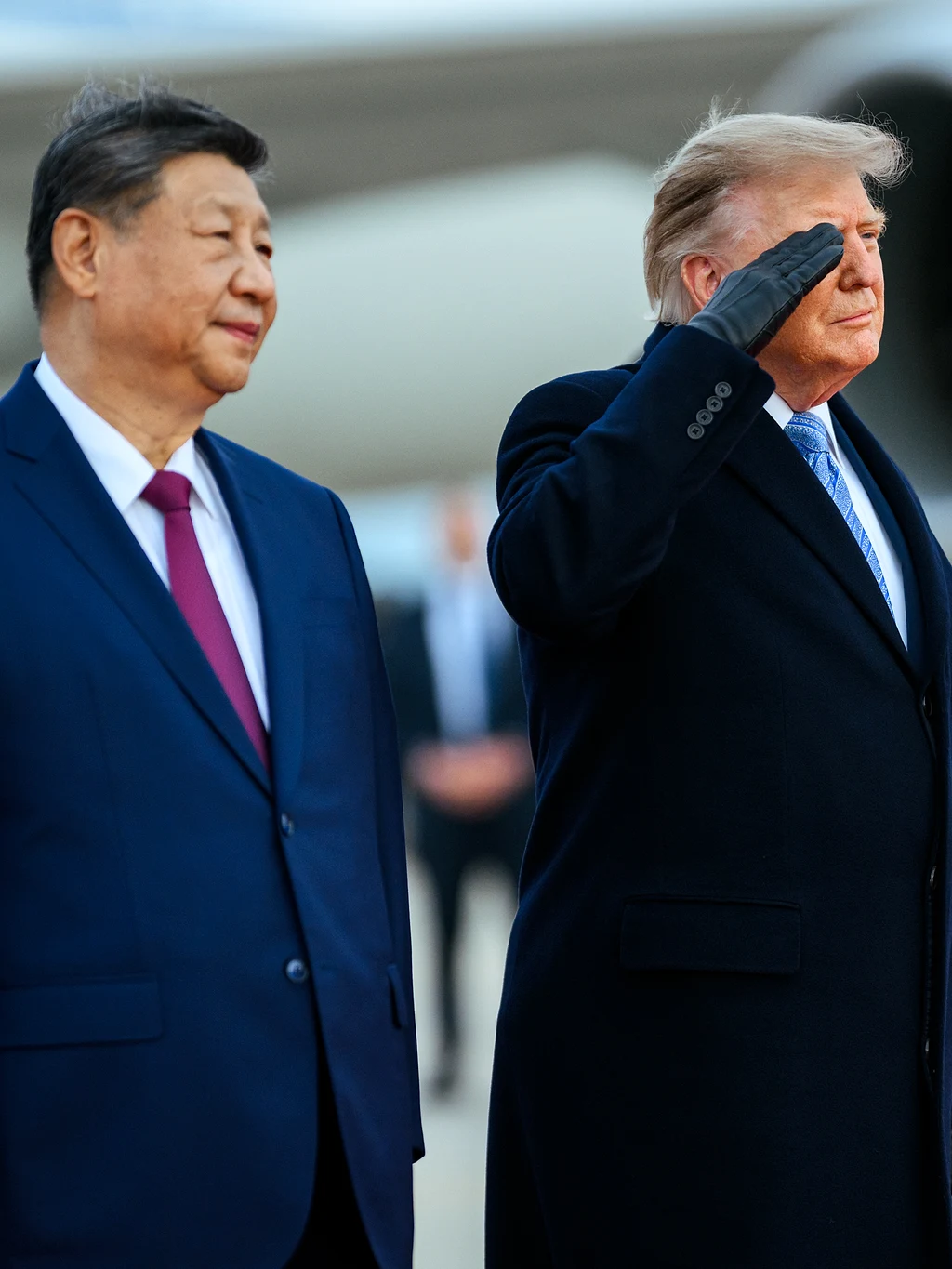
《经济学人》劝华盛顿:让中国抄美国AI
The Economist Urges Washington: Let China Copy American AI — Why Banning Distillation Would Backfire
2 min
What is on the HSK 5 word list?
The other 2,000 come from HSK 1–4. They cover news, business, academic and literary register: the vocabulary of newspapers, lectures, and film dialogue.
Scroll
HSK 5 word list
All 3,557 words from the official HSK 3.0 syllabus, the 1,579 new at HSK 5 first. The syllabus counts 3,599 because a few words are listed once per reading; here each appears once.
Pinyin from the syllabus, definitions from CC-CEDICT. Tap a word for its other senses.
Showing 2551–2600 of 3,557 · page 52 of 72
自习zìxíHSK 4to study outside of class time (reviewing one's lessons)
- to study outside of class time (reviewing one's lessons)
- to study in one's free time
- individual study
自信zìxìnHSK 4to have confidence in oneself
- to have confidence in oneself
- self-confidence
自学zìxuéHSK 4self-study
- self-study
- to study on one's own
总结zǒngjiéHSK 4to sum up
- to sum up
- to conclude
- summary
- résumé
- CL:个
租zūHSK 4to hire
- to hire
- to rent
- to charter
- to rent out
- to lease out
- rent
- land tax
组zǔHSK 4to form
- to form
- to organize
- group
- team
- classifier for sets, series, groups of people, batteries
最终zuìzhōngHSK 4final
- final
- ultimate
尊重zūnzhòngHSK 4to esteem
- to esteem
- to respect
- to honor
- to value
- eminent
- serious
- proper
左右zuǒyòuHSK 4left and right
- left and right
- nearby
- approximately
- attendant
- to control
- to influence
作家zuòjiāHSK 4author
- author
- CL:个,位
作品zuòpǐnHSK 4work (of art)
- work (of art)
- opus
- CL:部,篇
作为zuòwéiHSK 4as
- as
- in the capacity of
- one's conduct
- deed
- activity
- accomplishment
- achievement
- to act as
- as (in the capacity of)
- qua
- to view as
- to look upon (sth as)
- to take sth to be
作文zuòwénHSK 4to write an essay
- to write an essay
- composition (student essay)
- CL:篇
作用zuòyòngHSK 4to act on
- to act on
- to affect
- action
- function
- activity
- impact
- result
- effect
- purpose
- intent
- (suffix) -ation, -tion etc, as in 抑制作用, inhibition
作者zuòzhěHSK 4author
- author
- writer
座zuòHSK 4classifier for buildings, mountains, bridges
- classifier for buildings, mountains, bridges
- seat
- base
- stand
- (bound form) constellation
- classifier for large immovable objects such as buildings, mountains, bridges etc
- (archaic) suffix used in a respectful form of address (e.g. 师座)
座位zuòwèiHSK 4seat
- seat
- CL:个
做法zuòfǎHSK 4way of handling sth
- way of handling sth
- method for making
- work method
- recipe
- practice
- CL:个
做梦zuòmèngHSK 4to dream
- to dream
- to have a dream
- (fig.) to indulge in wishful thinking
阿姨āyíHSK 3maternal aunt
- maternal aunt
- term of address for a woman of one's mother's generation
- childcare worker
- nanny
- domestic worker
矮ǎiHSK 3(of a person) short
- (of a person) short
- (of a wall etc) low
- (of rank) inferior (to)
- lower (than)
爱人àirenHSK 3spouse (PRC)
- spouse (PRC)
- lover (non-PRC)
- CL:个
安静ānjìngHSK 3quiet
- quiet
- peaceful
- calm
安全ānquánHSK 3safe
- safe
- secure
- safety
- security
把bǎHSK 3to hold
- to hold
- to grasp
- to hold a baby in position to help it urinate or defecate
- handlebar
- classifier: handful, bundle, bunch
- classifier for things with handles
- (used to put the object before the verb: 把 + {noun} + {verb})
- handle
班级bānjíHSK 3class (group of students)
- class (group of students)
- grade (in school)
搬bānHSK 3to move (i.e. relocate oneself)
- to move (i.e. relocate oneself)
- to move (sth relatively heavy or bulky)
- to shift
- to copy indiscriminately
搬家bānjiāHSK 3to move house
- to move house
- to relocate
- to remove (sth)
办bànHSK 3to take care of (a matter)
- to take care of (a matter)
- to deal with (a task, procedure etc)
- to organize (an event)
- to establish
- to set up
- to manage
- to run (an enterprise)
- (law) to handle
- to investigate
- to prosecute (a case or suspect)
- (bound form) office (as in 招办, admissions office) (abbr. for 办公室)
办法bànfǎHSK 3way of handling sth
- way of handling sth
- means
- measure
- (practical) solution to a problem
- CL:条
办公室bàngōngshìHSK 3office
- office
- business premises
半天bàntiānHSK 3half of the day
- half of the day
- a long time
- quite a while
- midair
- CL:个
帮助bāngzhùHSK 3assistance
- assistance
- aid
- to help
- to assist
饱bǎoHSK 3to eat till full
- to eat till full
- satisfied
报纸bàozhǐHSK 3newspaper
- newspaper
- newsprint
- CL:份,期,张
北běiHSK 3north
- north
- (classical) to be defeated
北方běifāngHSK 3north
- north
- the northern part a country
- China north of the Yellow River
被bèiHSK 3by (marks the passive)
- by (marks the passive)
- quilt
- to cover (with)
- used to indicate passive voice (placed before the doer of the action like "by" in English passive-voice sentences, or, if the doer is not mentioned, before the verb)
- (since c. 2009) (sarcastic or jocular) used to indicate that the following word should be regarded as being in air quotes (as in 被旅游 to "go on a trip")
- (literary) to suffer (a misfortune)
比较bǐjiàoHSK 3to compare
- to compare
- to contrast
- comparatively
- relatively
- quite
- comparison
比如bǐrúHSK 3for example
- for example
- for instance
- such as
比赛bǐsàiHSK 3competition (sports etc)
- competition (sports etc)
- match
- CL:场,次
- to compete
笔记bǐjìHSK 3to take down (in writing)
- to take down (in writing)
- notes
- a type of literature consisting mainly of short sketches
- CL:本
笔记本bǐjìběnHSK 3notebook (stationery) (CL:本)
- notebook (stationery) (CL:本)
- (computing) laptop
- notebook (abbr. for 笔记本电脑)
必须bìxūHSK 3must
- must
- to have to
变biànHSK 3to change
- to change
- to become different
- to transform
- to vary
- rebellion
变成biànchéngHSK 3to change into
- to change into
- to turn into
- to become
变化biànhuàHSK 3(intransitive) to change
- (intransitive) to change
- to vary
- change
- variation
遍biànHSK 3everywhere
- everywhere
- all over
- classifier for actions: one time
- variant of 遍
表演biǎoyǎnHSK 3play
- play
- show
- performance
- exhibition
- to perform
- to act
- to demonstrate
- CL:场
别的biédeHSK 3else
- else
- other
Stories that use these HSK 5 words
Each one is a Fluentide Advanced (HSK 5+) story, written inside that word band. Press play; the first few need no account.
HSK 2 Chinese listening episodes


















































































































































































































































































HSK 3 Chinese listening episodes

HSK 4 Chinese listening episodes
HSK 5+ Chinese listening episodes
How to actually learn HSK 5 vocabulary
Reading a word on a page and catching it at speed in a sentence are different skills. The HSK listening section tests the second.
Scroll
The method in practice
Hear HSK 5 vocabulary in real Mandarin
Each HSK 5 episode uses this word band, with the transcript, pinyin and line-by-line English. Five free episodes after a one-tap magic-link sign-in — no password, no payment.