

HSK 5 Vocabulary List: 3,599 Words (HSK 3.0)
HSK 5 has 3,599 words in HSK 3.0, 1,599 of them new at this level (the old HSK 2.0 list had 2,500). Fluentide has 292 free stories at the Advanced (HSK 5+) level that use them, with transcript and pinyin.
By Haoshan Hong · Native Mandarin speaker · Updated October 2026
Hear HSK 5 words in a real story

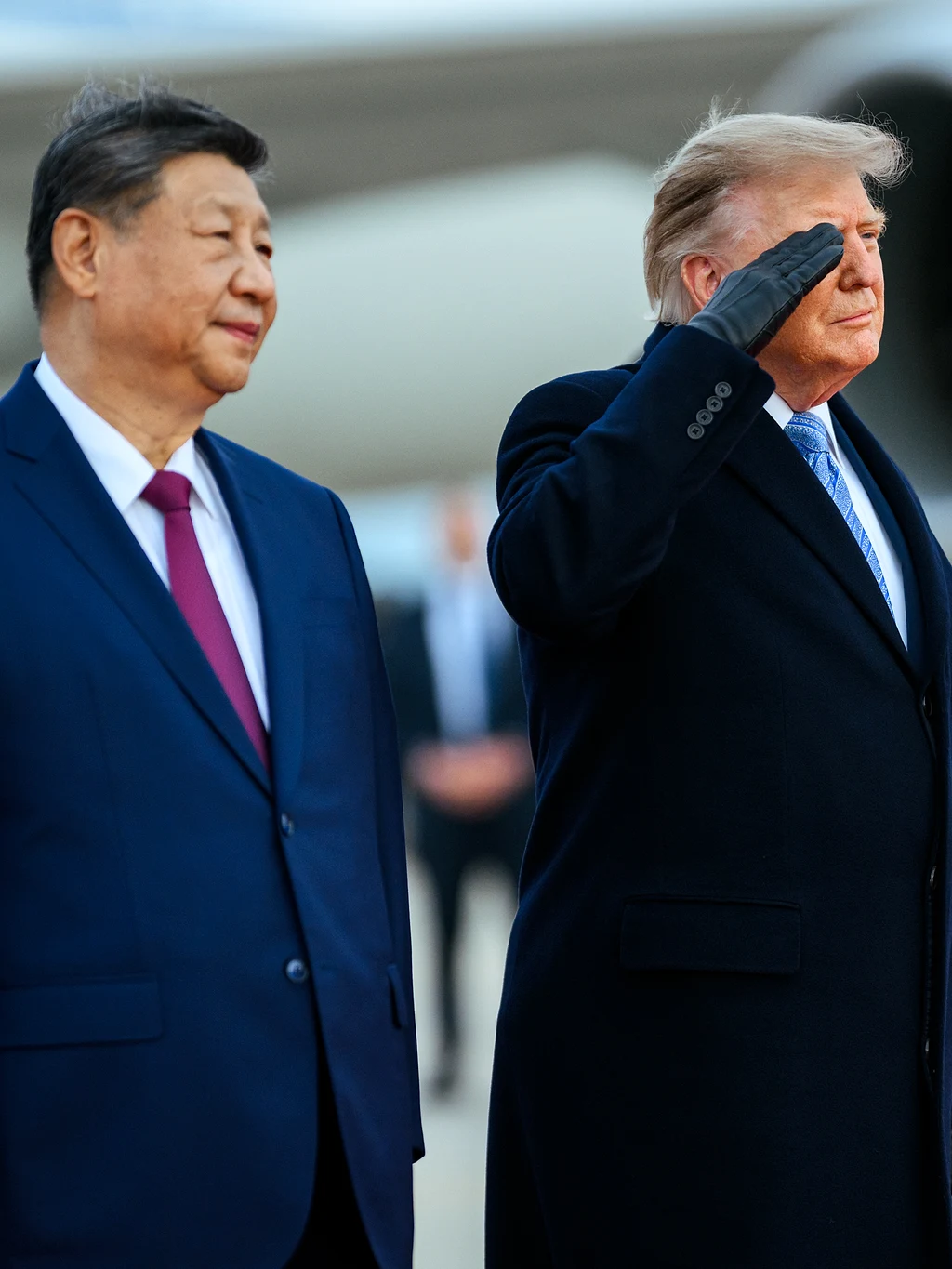
《经济学人》劝华盛顿:让中国抄美国AI
The Economist Urges Washington: Let China Copy American AI — Why Banning Distillation Would Backfire
2 min
What is on the HSK 5 word list?
The other 2,000 come from HSK 1–4. They cover news, business, academic and literary register: the vocabulary of newspapers, lectures, and film dialogue.
Scroll
HSK 5 word list
All 3,557 words from the official HSK 3.0 syllabus, the 1,579 new at HSK 5 first. The syllabus counts 3,599 because a few words are listed once per reading; here each appears once.
Pinyin from the syllabus, definitions from CC-CEDICT. Tap a word for its other senses.
Showing 2651–2700 of 3,557 · page 54 of 72
到处dàochùHSK 3everywhere
得到dédàoHSK 3to get
- to get
- to obtain
- to receive
得分défēnHSK 3to score a point (in a competition, test etc)
- to score a point (in a competition, test etc)
- score
- rating
- grade
地点dìdiǎnHSK 3place
- place
- site
- location
- venue
- CL:个
地方dìfang / dìfāngHSK 3place
- place
- location
- area
- space
- territory
- aspect
- part
- CL:处
地图dìtúHSK 3map
的话dehuàHSK 3if (coming after a conditional clause)
- if (coming after a conditional clause)
灯dēngHSK 3lamp
- lamp
- light
- lantern
- CL:盏
电diànHSK 3electricity
- electricity
- electric
- lightning
- electricity
- electric (bound form)
- to get (or give) an electric shock
- phone call or telegram etc
- to send via telephone or telegram etc
电梯diàntīHSK 3elevator
- elevator
- escalator
- CL:台,部
电子书diànzǐshūHSK 3electronic book
- electronic book
- e-book
- e-book reader
丢diūHSK 3to lose
- to lose
- to put aside
- to throw
东dōngHSK 3east
- east
- host (i.e. sitting on east side of guest)
- landlord
- surname Dong
东北dōngběiHSK 3northeast
- northeast
东方dōngfāngHSK 3east
- east
东南dōngnánHSK 3southeast
- southeast
冬天dōngtiānHSK 3winter
- winter
懂得dǒngdeHSK 3to understand
- to understand
- to know
- to comprehend
动物dòngwùHSK 3animal
动物园dòngwùyuánHSK 3zoo
- zoo
短duǎnHSK 3short
- short
- brief
- to lack
- weak point
- fault
短裤duǎnkùHSK 3short pants
- short pants
- shorts
段duànHSK 3paragraph
- paragraph
- section
- segment
- stage (of a process)
- classifier for stories, periods of time, lengths of thread etc
- surname Duan
锻炼duànliànHSK 3to toughen
- to toughen
- to temper
- to engage in physical exercise
- to work out
- (fig.) to develop one's skills
- to train oneself
对话duìhuàHSK 3to talk (with sb)
- to talk (with sb)
- dialogue
- conversation
饿èHSK 3hungry
- hungry
- to starve (sb)
而且érqiěHSK 3(not only ...) but also
- (not only ...) but also
- moreover
- in addition
- furthermore
耳朵ěrduoHSK 3ear
- ear
- CL:只,个,对
- handle (on a cup)
耳机ěrjīHSK 3headphones
- headphones
- earphones
- telephone receiver
发fāHSK 3to send out
- to send out
- to show (one's feeling)
- to issue
- to develop
- to make a bundle of money
- classifier for gunshots (rounds)
- hair
- Taiwan pr.
发烧fāshāoHSK 3to have a high temperature (from illness)
- to have a high temperature (from illness)
- to have a fever
- (fig.) to be fascinated with
- to obsess over
- (fig.) flourishing
- thriving
- popular
发生fāshēngHSK 3to happen
- to happen
- to occur
- to take place
- to arise (e.g. 发生问题 "a problem arises")
发现fāxiànHSK 3to notice
- to notice
- to become aware of
- to discover
- to find
- to detect
- a discovery
发展fāzhǎnHSK 3development
- development
- growth
- to develop
- to grow
- to expand
方便fāngbiànHSK 3convenient
- convenient
- suitable
- to facilitate
- to make things easy
- having money to spare
- (euphemism) to relieve oneself
方便面fāngbiànmiànHSK 3instant noodles
- instant noodles
方法fāngfǎHSK 3method
- method
- way
- technique
- procedure
方向fāngxiàngHSK 3direction
- direction
- orientation
房子fángziHSK 3house
- house
- building (single- or two-story)
- apartment
- room
- CL:栋,幢,座,套,间
放fàngHSK 3to put
- to put
- to place
- to release
- to free
- to let go
- to let out
- to set off (fireworks)
放假fàngjiàHSK 3to have a holiday or vacation
- to have a holiday or vacation
放心fàngxīnHSK 3to feel relieved
- to feel relieved
- to feel reassured
- to be at ease
放学fàngxuéHSK 3to dismiss students at the end of the school day
- to dismiss students at the end of the school day
分开fēnkāiHSK 3to separate
- to separate
- to part
风fēngHSK 3wind
- wind
- news
- style
- custom
- manner
- CL:阵,丝
封fēngHSK 3classifier for letters
- classifier for letters
- to seal
- to confer
- to grant
- to bestow a title
- to seal
- classifier for sealed objects, esp. letters
- surname Feng
夫妻fūqīHSK 3husband and wife
- husband and wife
- married couple
服务fúwùHSK 3to serve
- to serve
- service
- CL:项
附近fùjìnHSK 3nearby
- nearby
- neighboring
- (in the) vicinity (of)
- neighborhood
复习fùxíHSK 3to review
- to review
- revision
- CL:次
Stories that use these HSK 5 words
Each one is a Fluentide Advanced (HSK 5+) story, written inside that word band. Press play; the first few need no account.
HSK 2 Chinese listening episodes





































































































































































































































































HSK 3 Chinese listening episodes

HSK 4 Chinese listening episodes
HSK 5+ Chinese listening episodes
How to actually learn HSK 5 vocabulary
Reading a word on a page and catching it at speed in a sentence are different skills. The HSK listening section tests the second.
Scroll
The method in practice
Hear HSK 5 vocabulary in real Mandarin
Each HSK 5 episode uses this word band, with the transcript, pinyin and line-by-line English. Five free episodes after a one-tap magic-link sign-in — no password, no payment.