

HSK 5 Vocabulary List: 3,599 Words (HSK 3.0)
HSK 5 has 3,599 words in HSK 3.0, 1,599 of them new at this level (the old HSK 2.0 list had 2,500). Fluentide has 292 free stories at the Advanced (HSK 5+) level that use them, with transcript and pinyin.
By Haoshan Hong · Native Mandarin speaker · Updated October 2026
Hear HSK 5 words in a real story

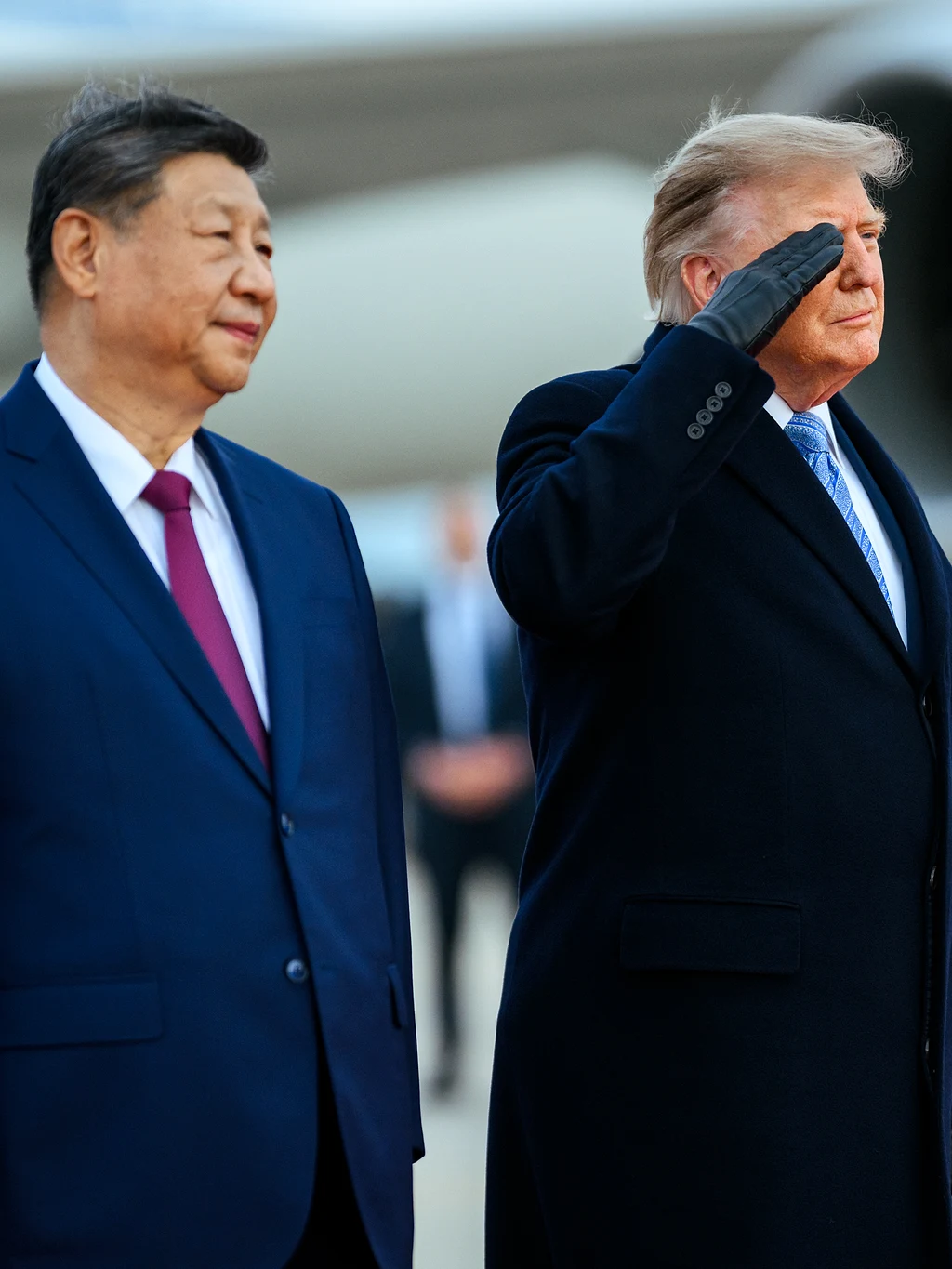
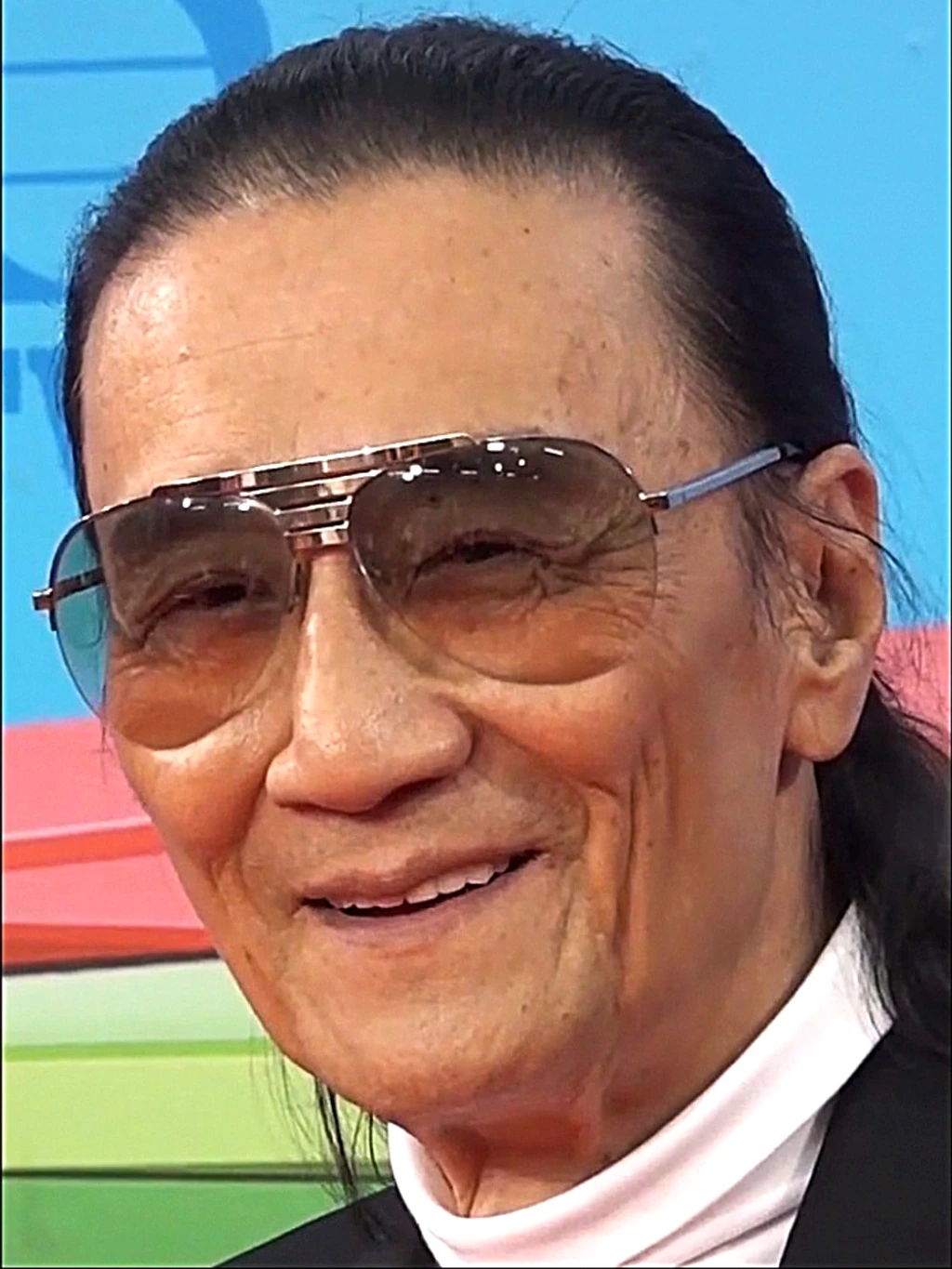
《经济学人》劝华盛顿:让中国抄美国AI
The Economist Urges Washington: Let China Copy American AI — Why Banning Distillation Would Backfire
2 min
What is on the HSK 5 word list?
The other 2,000 come from HSK 1–4. They cover news, business, academic and literary register: the vocabulary of newspapers, lectures, and film dialogue.
Scroll
HSK 5 word list
All 3,557 words from the official HSK 3.0 syllabus, the 1,579 new at HSK 5 first. The syllabus counts 3,599 because a few words are listed once per reading; here each appears once.
Pinyin from the syllabus, definitions from CC-CEDICT. Tap a word for its other senses.
Showing 2601–2650 of 3,557 · page 53 of 72
别人biérénHSK 3other people
- other people
- others
- other person
宾馆bīnguǎnHSK 3guesthouse
- guesthouse
- lodge
- hotel
- CL:个,家
冰bīngHSK 3ice
- ice
- CL:块
- to chill sth
- (of an object or substance) to feel cold
- (of a person) cold
- unfriendly
- (slang) methamphetamine
- variant of 冰
冰激凌bīngjīlíngHSK 3ice cream
- ice cream
冰箱bīngxiāngHSK 3refrigerator
- refrigerator
- (old) icebox
病人bìngrénHSK 3sick person
- sick person
- patient
- invalid
- CL:个
不但búdànHSK 3not only (... but also ...)
- not only (... but also ...)
不见bújiànHSK 3not to see
- not to see
- not to meet
- to have disappeared
- to be missing
不久bùjiǔHSK 3not long (after)
- not long (after)
- before too long
- soon
- soon after
不同bù tóngHSK 3different
- different
- distinct
- not the same
- not alike
不行bùxíngHSK 3won't do
- won't do
- be out of the question
- be no good
- not work
- not be capable
不用búyòngHSK 3need not
- need not
才cáiHSK 3only then
- only then
- just
- only
- ability
- talent
- sb of a certain type
- a capable individual
- then and only then
- just now
- (before an expression of quantity) only
- (emphatic, esp. in contrast or correction) really
- actually
- (variant of 才) just now
- (variant of 才) (before an expression of quantity) only
菜单càidānHSK 3menu
参加cānjiāHSK 3to participate
- to participate
- to take part
- to join
草cǎoHSK 3grass
- grass
- straw
- manuscript
- draft (of a document)
- careless
- rough
- CL:棵,撮,株,根
- variant of 草
- variant of 肏
草地cǎodìHSK 3lawn
- lawn
- meadow
- sod
- turf
- CL:片
层céngHSK 3to pile on top of one another
- to pile on top of one another
- layer
- stratum
- floor (of a building)
- story
- (math.) sheaf
- classifier for layers
查cháHSK 3to research
- to research
- to check
- to investigate
- to examine
- to refer to
- to look up (e.g. a word in a dictionary)
- surname Zha
- variant of 楂
差chàHSK 3poor
- poor
- bad
- short of
- different
- wrong
- mistaken
- to fall short
- to lack
- not up to standard
- inferior
- Taiwan pr.
- difference
- discrepancy
- (math.) difference (amount remaining after a subtraction)
- (literary) a little
- somewhat
- slightly
- to send (on an errand)
- job
- official post
- (archaic) person sent on such an errand
- used in 参差
差不多chàbuduōHSK 3almost
- almost
- nearly
- more or less
- about the same
- good enough
- not bad
尝chángHSK 3to taste
- to taste
- to try (food)
- to experience
- (literary) ever
- once
- to taste
- to experience (variant of 尝)
- old variant of 尝
常chángHSK 3always
- always
- ever
- often
- frequently
- common
- general
- constant
- surname Chang
常常chángchángHSK 3frequently
- frequently
- often
常见cháng jiànHSK 3commonly seen
- commonly seen
- common
- to see sth frequently
常用cháng yòngHSK 3in common usage
- in common usage
衬衫chènshānHSK 3shirt
- shirt
- blouse
- CL:件
成绩chéngjìHSK 3achievement
- achievement
- performance records
- grades
- CL:项,个
城市chéngshìHSK 3city
- city
- town
- CL:座
迟到chídàoHSK 3to arrive late
- to arrive late
出发chūfāHSK 3to set off
- to set off
- to start (on a journey)
- (fig.) to proceed from (a particular standpoint or basis)
出生chūshēngHSK 3to be born
出院chūyuànHSK 3to leave hospital
- to leave hospital
- to be discharged from hospital
初中chūzhōngHSK 3junior high school (abbr. for 初级中学)
- junior high school (abbr. for 初级中学)
除了chúleHSK 3apart from
- apart from
- besides
- in addition to (used to exclude, as in 除了他,除了他,谁也没来 "apart from him, nobody came", or to include, as in 除了英語,除了英语,他也会法语 "in addition to English, he also knows French")
- (used to introduce one of two habitual alternatives in the pattern 除了 + A + 就是 + B, "either A or B")
船chuánHSK 3boat
- boat
- vessel
- ship
- CL:条,艘,只
- variant of 船
春天chūntiānHSK 3spring (season)
- spring (season)
- CL:个
词典cídiǎnHSK 3dictionary
- dictionary
- CL:本,部
聪明cōngmíngHSK 3intelligent
- intelligent
- clever
- bright
- acute (of sight and hearing)
打扫dǎsǎoHSK 3to clean
- to clean
- to sweep
打算dǎsuànHSK 3to plan
- to plan
- to intend
- to calculate
- plan
- intention
- calculation
- CL:个
大概dàgàiHSK 3roughly
- roughly
- probably
- rough
- approximate
- about
- general idea
大人dàrenHSK 3adult
- adult
- grownup
- title of respect toward superiors
大小dàxiǎoHSK 3large and small
- large and small
- size
- adults and children
- consideration of seniority
- at any rate
大熊猫dàxióngmāoHSK 3giant panda (Ailuropoda melanoleuca)
- giant panda (Ailuropoda melanoleuca)
大衣dàyīHSK 3overcoat
- overcoat
- topcoat
- cloak
- CL:件
带dàiHSK 3to bring
- to bring
- to take
- to lead
- band
- belt
- girdle
- ribbon
- tire
- area
- zone
- region
- CL:条
- to wear
- to carry
- to take along
- to bear (i.e. to have)
- to lead
- to bring
- to look after
- to raise
担心dānxīnHSK 3anxious
- anxious
- worried
- uneasy
- to worry
- to be anxious
蛋糕dàngāoHSK 3cake
当然dāngránHSK 3of course
- of course
- naturally
- only natural
- as it should be
- certainly
- of course
- without doubt
Stories that use these HSK 5 words
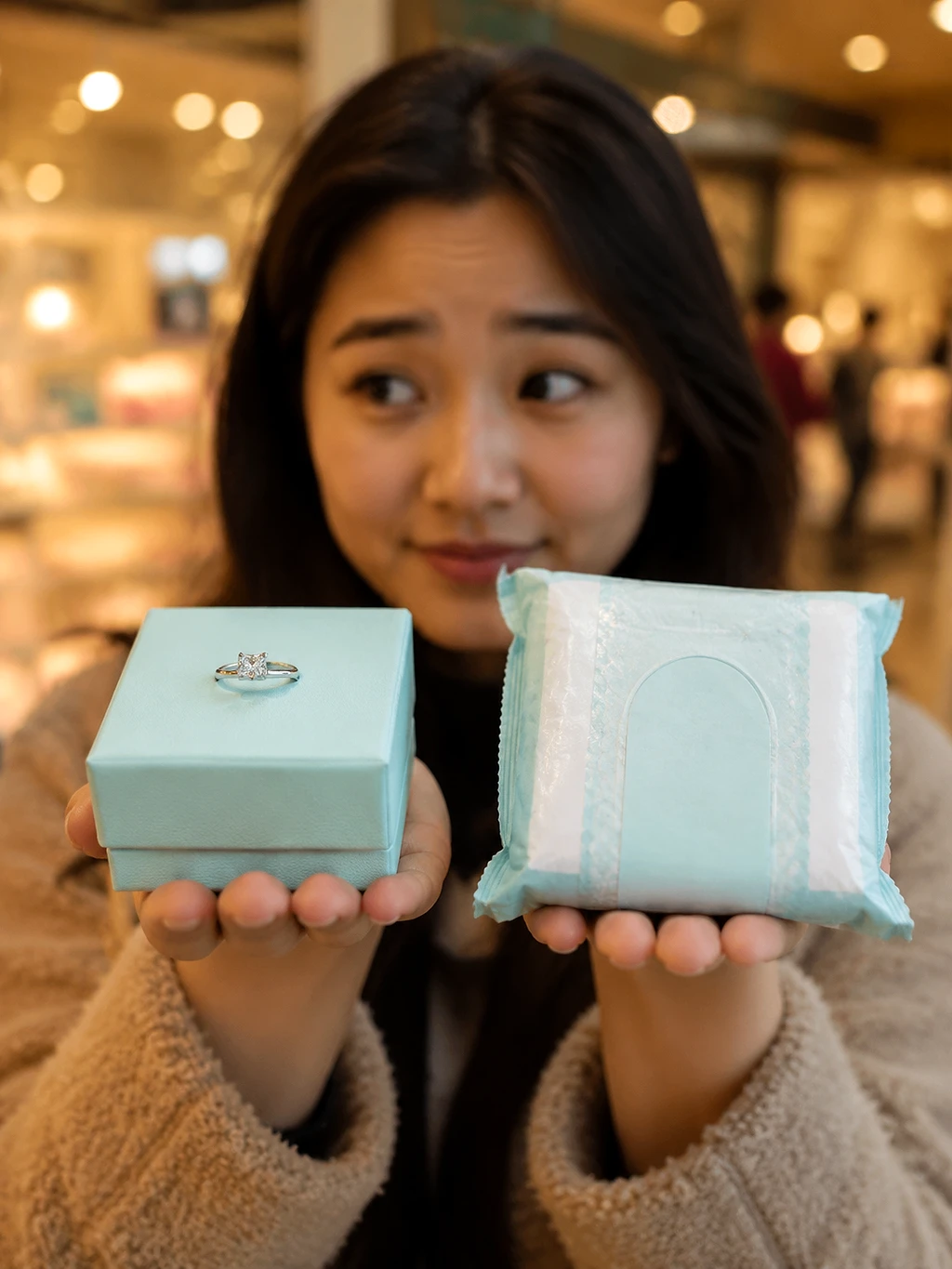
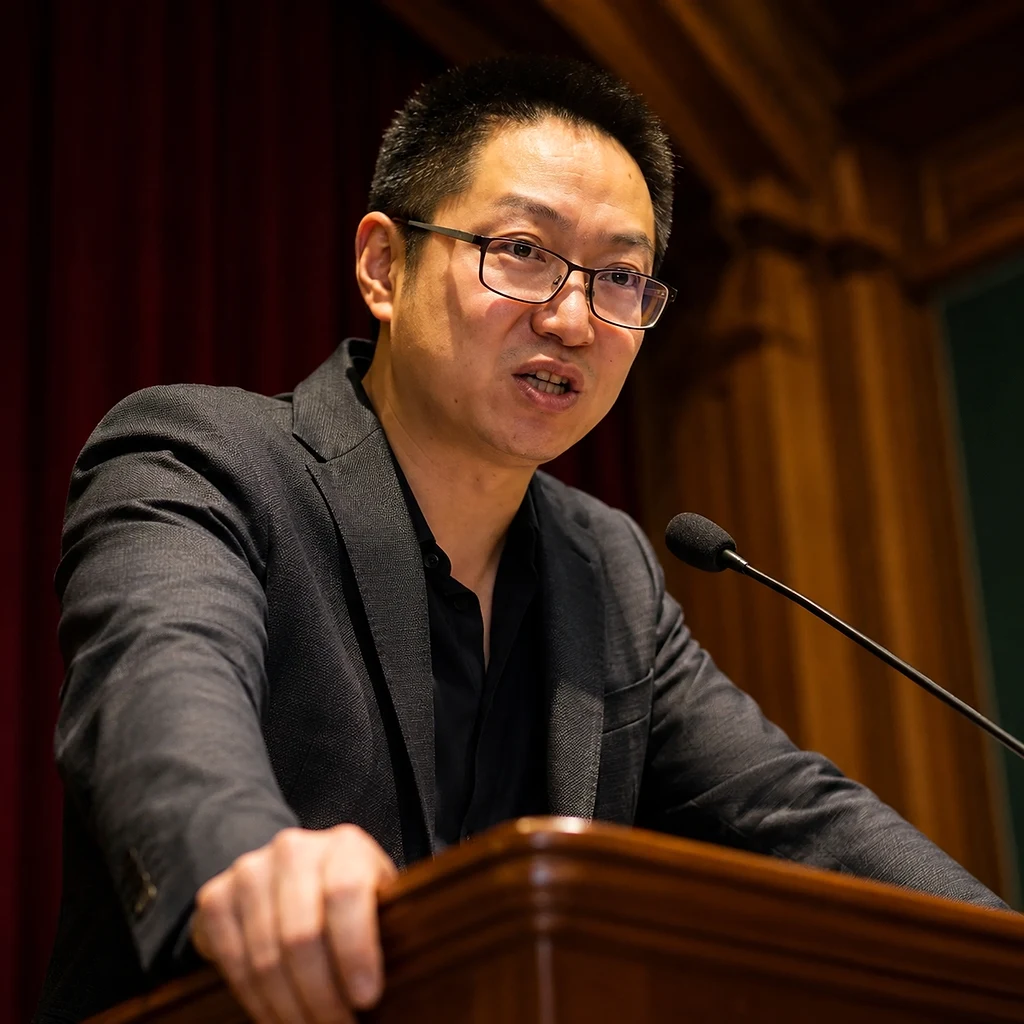
Each one is a Fluentide Advanced (HSK 5+) story, written inside that word band. Press play; the first few need no account.
HSK 2 Chinese listening episodes

































































































































































































































































HSK 3 Chinese listening episodes

HSK 4 Chinese listening episodes
HSK 5+ Chinese listening episodes
How to actually learn HSK 5 vocabulary
Reading a word on a page and catching it at speed in a sentence are different skills. The HSK listening section tests the second.
Scroll
The method in practice
Hear HSK 5 vocabulary in real Mandarin
Each HSK 5 episode uses this word band, with the transcript, pinyin and line-by-line English. Five free episodes after a one-tap magic-link sign-in — no password, no payment.