

HSK 5 Vocabulary List: 3,599 Words (HSK 3.0)
HSK 5 has 3,599 words in HSK 3.0, 1,599 of them new at this level (the old HSK 2.0 list had 2,500). Fluentide has 292 free stories at the Advanced (HSK 5+) level that use them, with transcript and pinyin.
By Haoshan Hong · Native Mandarin speaker · Updated October 2026
Hear HSK 5 words in a real story

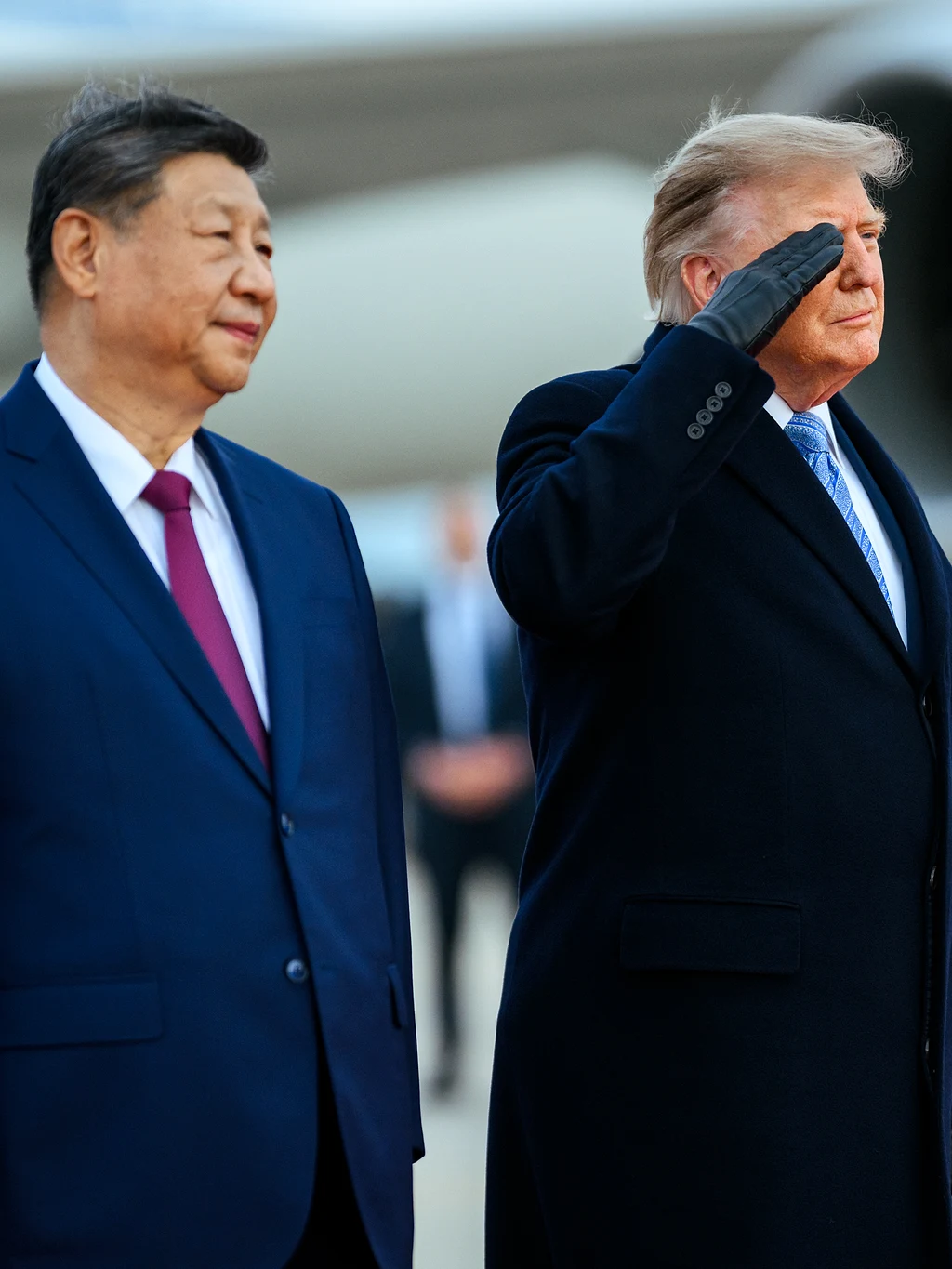
《经济学人》劝华盛顿:让中国抄美国AI
The Economist Urges Washington: Let China Copy American AI — Why Banning Distillation Would Backfire
2 min
What is on the HSK 5 word list?
The other 2,000 come from HSK 1–4. They cover news, business, academic and literary register: the vocabulary of newspapers, lectures, and film dialogue.
Scroll
HSK 5 word list
All 3,557 words from the official HSK 3.0 syllabus, the 1,579 new at HSK 5 first. The syllabus counts 3,599 because a few words are listed once per reading; here each appears once.
Pinyin from the syllabus, definitions from CC-CEDICT. Tap a word for its other senses.
Showing 1651–1700 of 3,557 · page 34 of 72
场chǎngHSK 4large place used for a specific purpose
- large place used for a specific purpose
- stage
- scene (of a play)
- classifier for sporting or recreational activities
- classifier for number of exams
- threshing floor
- classifier for events and happenings: spell, episode, bout
- variant of 场
- variant of 场
超过chāoguòHSK 4to surpass
- to surpass
- to exceed
- to outstrip
车速chēsùHSK 4vehicle speed
- vehicle speed
车位chēwèiHSK 4parking spot
- parking spot
- unloading point
- garage place
- stand for taxi
成功chénggōngHSK 4to succeed
- to succeed
- success
- successful
- fruitful
成为chéngwéiHSK 4to become
- to become
- to turn into
诚实chéngshíHSK 4honest
城chéngHSK 4city walls
- city walls
- city
- town
- CL:座,道,个
乘chéngHSK 4to ride
- to ride
- to mount
- to make use of
- to avail oneself of
- to take advantage of
- to multiply (math.)
- Buddhist sect or creed
- surname Cheng
- generic term for history books
- (archaic) four horse military chariot
- (archaic) four
- old variant of 乘
乘客chéngkèHSK 4passenger
- passenger
乘坐chéngzuòHSK 4to take (a ship, plane etc)
- to take (a ship, plane etc)
- to ride (in a train or other vehicle)
吃惊chījīngHSK 4to be startled
- to be startled
- to be shocked
- to be amazed
迟chíHSK 4late
- late
- delayed
- slow
- surname Chi
出差chūchāiHSK 4to go on an official or business trip
- to go on an official or business trip
出口chūkǒuHSK 4an exit
- an exit
- CL:个
- to speak
- to export
- (of a ship) to leave port
出现chūxiànHSK 4to appear
- to appear
- to arise
- to emerge
- to show up
出行chūxíngHSK 4to go out somewhere (relatively short trip)
- to go out somewhere (relatively short trip)
- to set off on a journey (longer trip)
出租chūzūHSK 4to rent
- to rent
厨房chúfángHSK 4kitchen
厨师chúshīHSK 4cook
- cook
- chef
窗chuāngHSK 4window
- window
- CL:扇
- old variant of 窗
- variant of 窗
- variant of 窗
- variant of 窗
窗户chuānghuHSK 4window
- window
- CL:个,扇
吹chuīHSK 4to blow
- to blow
- to play a wind instrument
- to blast
- to puff
- to boast
- to brag
- to end in failure
- to fall through
词语cíyǔHSK 4word (general term including monosyllables through to short phrases)
- word (general term including monosyllables through to short phrases)
- term (e.g. technical term)
- expression
此cǐHSK 4this
- this
- these
此次cǐ cìHSK 4this time
- this time
此外cǐwàiHSK 4besides
- besides
- in addition
- moreover
- furthermore
从此cóngcǐHSK 4from now on
- from now on
- since then
- henceforth
从来cóngláiHSK 4always
- always
- at all times
- never (if used in negative sentence)
从中cóngzhōngHSK 4from among them
- from among them
- from it
粗cūHSK 4(of sth long) wide
- (of sth long) wide
- thick
- (of sth granular) coarse
- (of a voice) gruff
- (of sb's manner etc) rough
- crude
- careless
- rude
- remote
- distant
- variant of 粗
- variant of 粗
粗心cūxīnHSK 4careless
- careless
- thoughtless
村cūnHSK 4village
- village
- rustic
- boorish
- (dialect) to scold
- variant of 村
存cúnHSK 4to exist
- to exist
- to deposit
- to store
- to keep
- to survive
错过cuòguòHSK 4to miss (train, opportunity etc)
- to miss (train, opportunity etc)
错误cuòwùHSK 4mistaken
- mistaken
- false
- wrong
- error
- mistake
- CL:个
达到dádàoHSK 4to reach
- to reach
- to achieve
- to attain
答dáHSK 4to answer
- to answer
- to reply
- to respond
- bound form having the same meaning as the free word 答, used in 答应, 答理 etc
答案dá’ànHSK 4answer
- answer
- solution
- CL:个
答应dāyingHSK 4to answer
- to answer
- to respond
- to answer positively
- to agree
- to accept
- to promise
打败dǎbàiHSK 4to defeat
- to defeat
- to overpower
- to beat
- to be defeated
打工dǎgōngHSK 4to work a temporary or casual job
- to work a temporary or casual job
- (of students) to have a job outside of class time, or during vacation
打扰dǎrǎoHSK 4to disturb
- to disturb
- to bother
- to trouble
打印dǎyìnHSK 4to affix a seal
- to affix a seal
- to stamp
- to print out (with a printer)
打印机dǎyìnjīHSK 4printer
- printer
打招呼dǎ zhāohuHSK 4to greet sb by word or action
- to greet sb by word or action
- to give prior notice
打折dǎzhéHSK 4to give a discount
- to give a discount
打针dǎzhēnHSK 4to give or get an injection
- to give or get an injection
大巴dàbāHSK 4(coll.) large bus
- (coll.) large bus
- coach
- (abbr. for 大型巴士)
大大dàdàHSK 4greatly
- greatly
- enormously
- uncle
- (dialect) dad
Stories that use these HSK 5 words
Each one is a Fluentide Advanced (HSK 5+) story, written inside that word band. Press play; the first few need no account.
HSK 2 Chinese listening episodes





















































































































































































































































































HSK 3 Chinese listening episodes

HSK 4 Chinese listening episodes
HSK 5+ Chinese listening episodes
How to actually learn HSK 5 vocabulary
Reading a word on a page and catching it at speed in a sentence are different skills. The HSK listening section tests the second.
Scroll
The method in practice
Hear HSK 5 vocabulary in real Mandarin
Each HSK 5 episode uses this word band, with the transcript, pinyin and line-by-line English. Five free episodes after a one-tap magic-link sign-in — no password, no payment.