

HSK 5 Vocabulary List: 3,599 Words (HSK 3.0)
HSK 5 has 3,599 words in HSK 3.0, 1,599 of them new at this level (the old HSK 2.0 list had 2,500). Fluentide has 292 free stories at the Advanced (HSK 5+) level that use them, with transcript and pinyin.
By Haoshan Hong · Native Mandarin speaker · Updated October 2026
Hear HSK 5 words in a real story

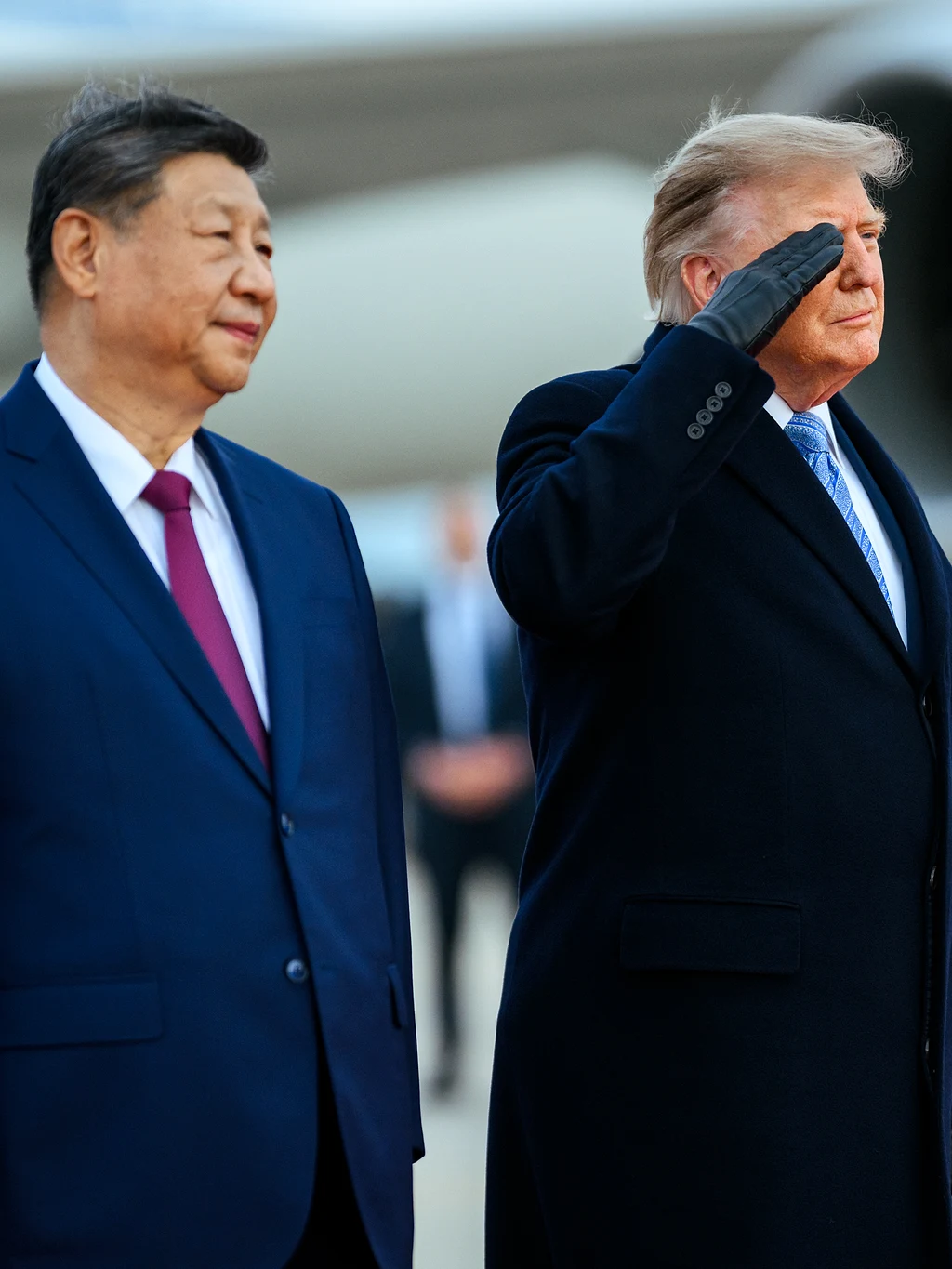
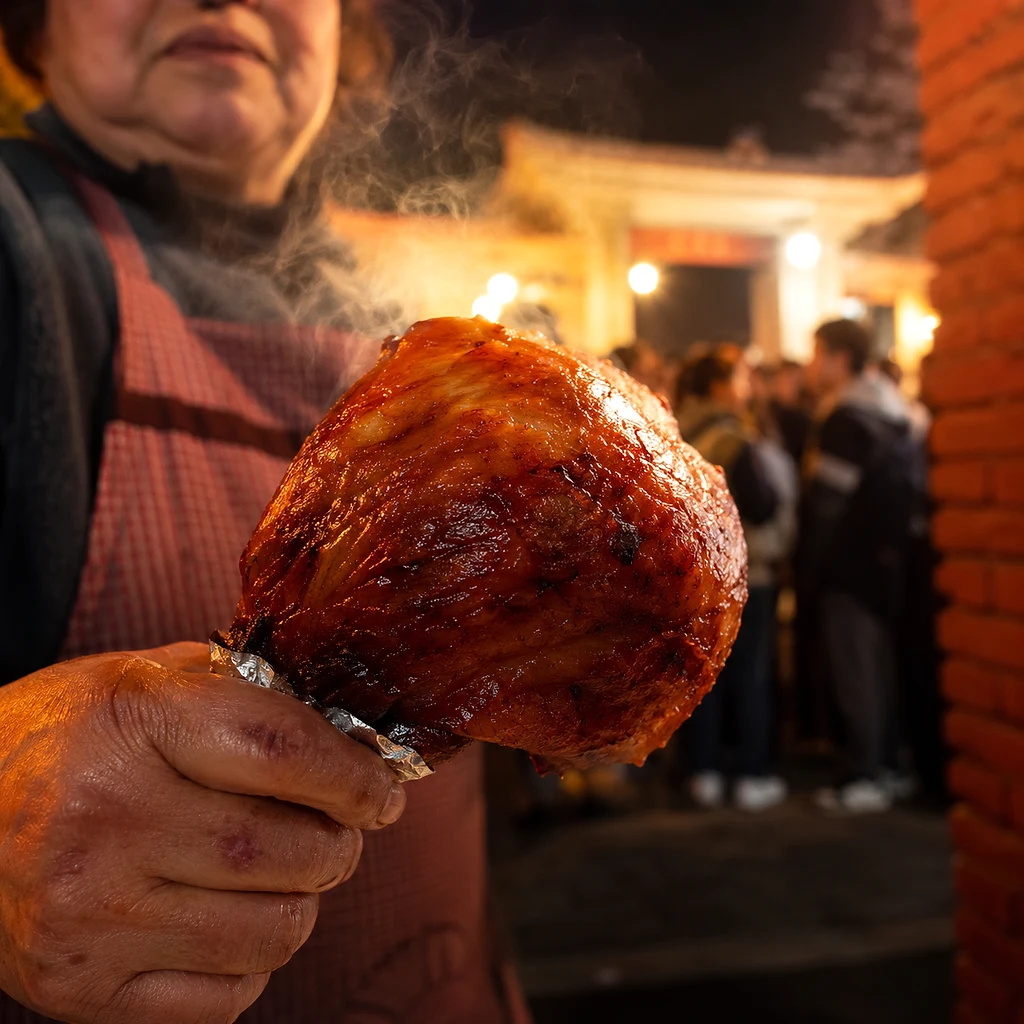
《经济学人》劝华盛顿:让中国抄美国AI
The Economist Urges Washington: Let China Copy American AI — Why Banning Distillation Would Backfire
2 min
What is on the HSK 5 word list?
The other 2,000 come from HSK 1–4. They cover news, business, academic and literary register: the vocabulary of newspapers, lectures, and film dialogue.
Scroll
HSK 5 word list
All 3,557 words from the official HSK 3.0 syllabus, the 1,579 new at HSK 5 first. The syllabus counts 3,599 because a few words are listed once per reading; here each appears once.
Pinyin from the syllabus, definitions from CC-CEDICT. Tap a word for its other senses.
Showing 1601–1650 of 3,557 · page 33 of 72
倍bèiHSK 4(two, three etc) -fold
- (two, three etc) -fold
- times (multiplier)
- double
- to increase or multiply
本科běnkēHSK 4undergraduate course
- undergraduate course
- undergraduate (attributive)
本来běnláiHSK 4original
- original
- originally
- at first
- it goes without saying
- of course
笨bènHSK 4stupid
- stupid
- foolish
- silly
- slow-witted
- clumsy
鼻子bíziHSK 4nose
笔试bǐshìHSK 4written examination
- written examination
- paper test (for an applicant)
毕业bìyèHSK 4graduation
- graduation
- to graduate
- to finish school
毕业生bìyèshēngHSK 4graduate
- graduate
便于biànyúHSK 4easy to
- easy to
- convenient for
标准biāozhǔnHSK 4standard
- standard
- norm
- criterion
- (adjective) standard
- good
- correct
- conforming to a standard
表biǎoHSK 4watch
- watch
- form
- table
- to express
- exterior surface
- family relationship via females
- to show (one's opinion)
- a model
- a table (listing information)
- a form
- a meter (measuring sth)
- watch (timepiece)
- meter
- gauge
表格biǎogéHSK 4form
- form
- table
- CL:张,份
表示biǎoshìHSK 4(of sb) to express
- (of sb) to express
- to state
- to show
- (of sth) to indicate
- to signify
- to show
- expression
- manifestation
表现biǎoxiànHSK 4to show
- to show
- to show off
- to display
- to manifest
- expression
- manifestation
- show
- display
- performance (at work etc)
- behavior
表扬biǎoyángHSK 4to praise
- to praise
- to commend
饼干bǐnggānHSK 4biscuit
- biscuit
- cracker
- cookie
- CL:片,块
并bìngHSK 4and
- and
- furthermore
- also
- together with
- (not) at all
- simultaneously
- to combine
- to join
- to merge
- to combine
- to amalgamate
- short name for Taiyuan 太原
- variant of 并
并且bìngqiěHSK 4and
- and
- besides
- moreover
- furthermore
- in addition
播放bōfàngHSK 4to broadcast
- to broadcast
- to transmit (by radio or TV)
博士bóshìHSK 4doctor (as an academic degree)
- doctor (as an academic degree)
- (old) person specialized in a skill or trade
- (old) court academician
不必búbìHSK 4need not
- need not
- does not have to
- not necessarily
不便búbiànHSK 4inconvenient
- inconvenient
- inappropriate
- unsuitable
- short of cash
不得不bùdébùHSK 4have no choice or option but to
- have no choice or option but to
- cannot but
- have to
- can't help it
- can't avoid
不断búduànHSK 4unceasing
- unceasing
- uninterrupted
- continuous
- constant
不够búgòuHSK 4not enough
- not enough
- insufficient
- inadequate
不管bùguǎnHSK 4not to be concerned
- not to be concerned
- regardless of
- no matter
不光bùguāngHSK 4not the only one
- not the only one
- not only
不过búguòHSK 4but
- but
- however
- only
- only
- merely
- no more than
- but
- however
- anyway (to get back to a previous topic)
- cannot be more (after adjectival)
不仅bùjǐnHSK 4not just
- not just
- not limited to
- (as a correlative conjunction) not only (..., but also ...)
不论búlùnHSK 4whatever
- whatever
- no matter what (who, how etc)
- regardless of
- not to discuss
不满bùmǎnHSK 4dissatisfied
- dissatisfied
- discontented
- resentful
- (before a number) to be less than
不如bùrúHSK 4not equal to
- not equal to
- not as good as
- inferior to
- it would be better to
步bùHSK 4a step
- a step
- a pace
- walk
- march
- stages in a process
- situation
- surname Bu
部bùHSK 4classifier for films and books
- classifier for films and books
- part
- ministry
- ministry
- department
- section
- part
- division
- troops
- board
- classifier for works of literature, films, machines etc
部分bùfenHSK 4part
- part
- portion
- piece
- Taiwan pr.
部门bùménHSK 4department
- department
- branch
- section
- division
- CL:个
擦cāHSK 4to rub
- to rub
- to scratch
- to wipe
- to polish
- to apply (lipstick, lotion etc)
- to brush (past)
- to shred (a vegetable etc)
猜cāiHSK 4to guess
材料cáiliàoHSK 4(raw) material
- (raw) material
- data
- (fig.) person who has the potential to do the job
参观cānguānHSK 4to visit (a place, e.g. museum or factory)
- to visit (a place, e.g. museum or factory)
- to tour
- to look around
参赛cānsàiHSK 4to compete
- to compete
- to take part in a competition
餐厅cāntīngHSK 4dining hall
- dining hall
- dining room
- restaurant
- CL:间,家
操场cāochǎngHSK 4playground
- playground
- sports field
- drill ground
- CL:个
厕所cèsuǒHSK 4toilet
- toilet
- lavatory
- CL:间,处
查看chákànHSK 4to look over
- to look over
- to examine
- to check up
- to ferret out
查找cházhǎoHSK 4to search for
- to search for
- to look up
茶叶cháyèHSK 4tea
- tea
- tea leaves
- CL:盒,罐,包,片
差点儿chàdiǎnrHSK 4almost
- almost
- nearly
产生chǎnshēngHSK 4to arise
- to arise
- to come into being
- to come about
- to give rise to
- to bring into being
- to bring about
- to produce
- to engender
- to generate
厂chǎngHSK 4factory
- factory
- yard
- depot
- workhouse
- works
- (industrial) plant
- "cliff" radical in Chinese characters (Kangxi radical 27), occurring in 原, 历, 压 etc
Stories that use these HSK 5 words
Each one is a Fluentide Advanced (HSK 5+) story, written inside that word band. Press play; the first few need no account.
HSK 2 Chinese listening episodes










































































































































































































































































HSK 3 Chinese listening episodes

HSK 4 Chinese listening episodes
HSK 5+ Chinese listening episodes
How to actually learn HSK 5 vocabulary
Reading a word on a page and catching it at speed in a sentence are different skills. The HSK listening section tests the second.
Scroll
The method in practice
Hear HSK 5 vocabulary in real Mandarin
Each HSK 5 episode uses this word band, with the transcript, pinyin and line-by-line English. Five free episodes after a one-tap magic-link sign-in — no password, no payment.