

HSK 5 Vocabulary List: 3,599 Words (HSK 3.0)
HSK 5 has 3,599 words in HSK 3.0, 1,599 of them new at this level (the old HSK 2.0 list had 2,500). Fluentide has 292 free stories at the Advanced (HSK 5+) level that use them, with transcript and pinyin.
By Haoshan Hong · Native Mandarin speaker · Updated October 2026
Hear HSK 5 words in a real story

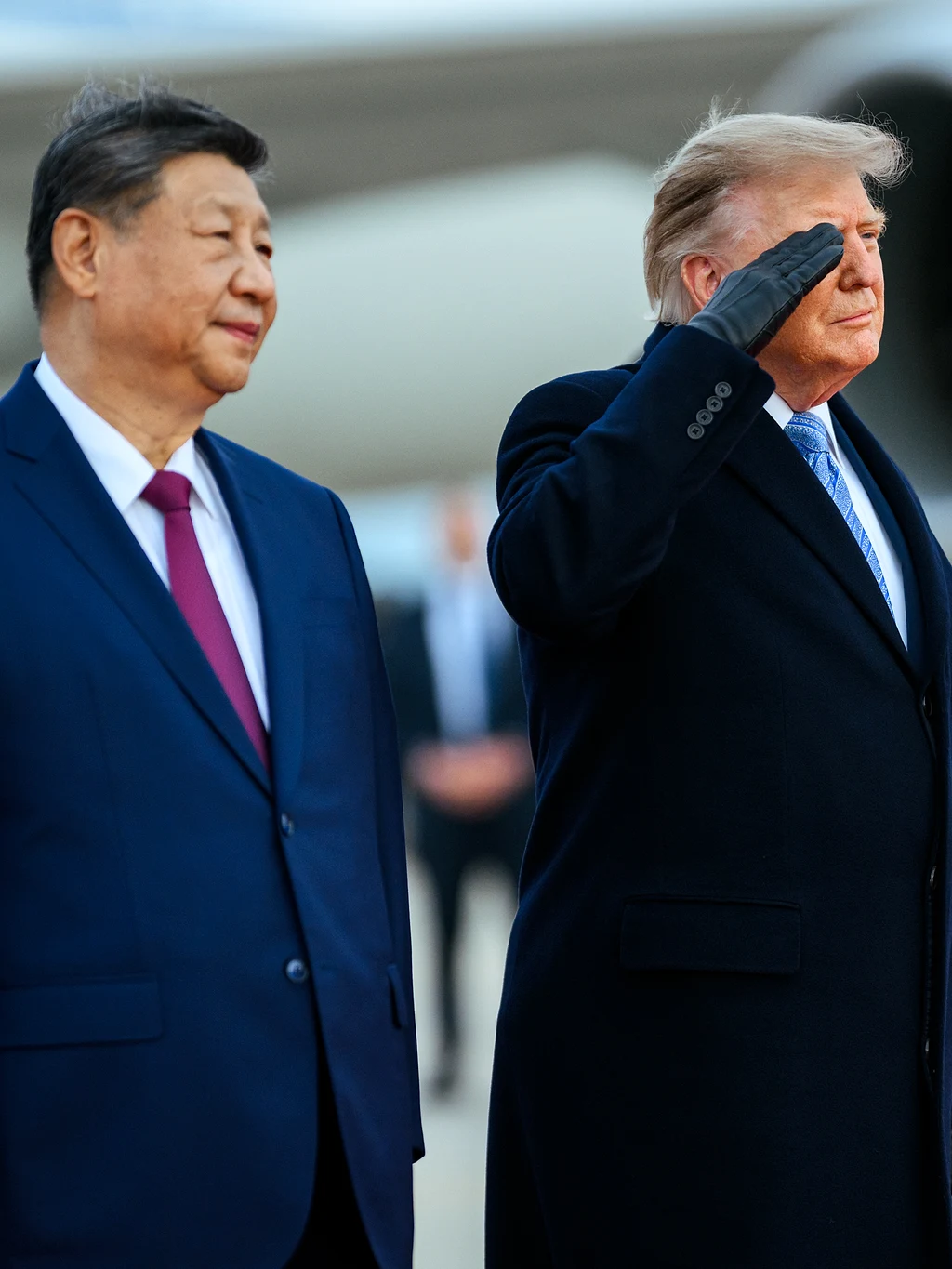
《经济学人》劝华盛顿:让中国抄美国AI
The Economist Urges Washington: Let China Copy American AI — Why Banning Distillation Would Backfire
2 min
What is on the HSK 5 word list?
The other 2,000 come from HSK 1–4. They cover news, business, academic and literary register: the vocabulary of newspapers, lectures, and film dialogue.
Scroll
HSK 5 word list
All 3,557 words from the official HSK 3.0 syllabus, the 1,579 new at HSK 5 first. The syllabus counts 3,599 because a few words are listed once per reading; here each appears once.
Pinyin from the syllabus, definitions from CC-CEDICT. Tap a word for its other senses.
Showing 2001–2050 of 3,557 · page 41 of 72
科技kējìHSK 4science and technology
- science and technology
科学kēxuéHSK 4science
- science
- scientific knowledge
- scientific
- rational
- CL:门,个,种
棵kēHSK 4classifier for trees, cabbages, plants etc
- classifier for trees, cabbages, plants etc
可惜kěxīHSK 4it is a pity
- it is a pity
- what a pity
- unfortunately
克kèHSK 4to be able to
- to be able to
- to subdue
- to restrain
- to overcome
- gram
- Tibetan unit of land area, about 6 ares
- to subdue
- to overthrow
- to restrain
- (Tw) abbr. for 克罗埃西亚, Croatia
- Ke (c. 2000 BC), seventh of the legendary Flame Emperors, 炎帝 descended from Shennong 神农 Farmer God
- variant of 克
- abbr. for 克罗地亚, Croatia
- variant of 克
客气kèqiHSK 4polite
- polite
- courteous
- formal
- modest
客厅kètīngHSK 4living room
- living room
- sitting room
- CL:间
课程kèchéngHSK 4course
- course
- academic program
- CL:堂,节,门
课堂kètángHSK 4classroom (CL:间)
- classroom (CL:间)
- class session
肯定kěndìngHSK 4to be certain
- to be certain
- to be positive
- assuredly
- definitely
- to give recognition
- to affirm
- affirmative (answer)
空kōng / kòngHSK 4empty
- empty
- air
- sky
- in vain
- to empty
- vacant
- unoccupied
- space
- leisure
- free time
空气kōngqìHSK 4air
- air
- atmosphere
恐怕kǒngpàHSK 4fear
- fear
- to dread
- I'm afraid that...
- perhaps
- maybe
口语kǒuyǔHSK 4colloquial speech
- colloquial speech
- spoken language
- vernacular language
- slander
- gossip
- CL:门
苦kǔHSK 4bitter
- bitter
- hardship
- pain
- to suffer
- to bring suffering to
- painstakingly
快餐kuàicānHSK 4fast food
- fast food
- snack
- quick meal
快递kuàidìHSK 4express delivery
- express delivery
快速kuàisùHSK 4fast
- fast
- high-speed
- rapid
困kùnHSK 4to trap
- to trap
- to surround
- hard-pressed
- stranded
- destitute
- sleepy
- tired
困难kùnnanHSK 4difficult
- difficult
- challenging
- straitened circumstances
- difficult situation
垃圾lājīHSK 4trash
- trash
- refuse
- garbage
- (coll.) of poor quality
- Taiwan pr.
拉lāHSK 4to pull
- to pull
- to play (a bowed instrument)
- to drag
- to draw
- to chat
- (coll.) to empty one's bowels
- to make a cut in (sth)
- to slit
- to gash
- to slash
- used in 拉拉蛄
- variant of 落
辣làHSK 4hot (spicy)
- hot (spicy)
- pungent
- (of chili pepper, raw onions etc) to sting
- to burn
- old variant of 辣
来不及láibujíHSK 4there's not enough time (to do sth)
- there's not enough time (to do sth)
- it's too late
来得及láidejíHSK 4to have enough time
- to have enough time
- can do it in time
- can still make it
懒lǎnHSK 4lazy
- lazy
- variant of 懒
浪费làngfèiHSK 4to waste
- to waste
- to squander
浪漫làngmànHSK 4romantic
- romantic
老虎lǎohǔHSK 4tiger
- tiger
- CL:只
老家lǎojiāHSK 4native place
- native place
- place of origin
- home state or region
老年lǎoniánHSK 4elderly
- elderly
- old age
- autumn of one's years
老是lǎoshìHSK 4always
- always
冷静lěngjìngHSK 4calm
- calm
- cool-headed
- dispassionate
- (of a place) deserted
- quiet
礼貌lǐmàoHSK 4courtesy
- courtesy
- politeness
- manners
- courteous
- polite
理发lǐfàHSK 4to get a haircut
- to get a haircut
- to have one's hair done
- to cut (sb's) hair
- to give (sb) a haircut
理解lǐjiěHSK 4to comprehend
- to comprehend
- to understand
理想lǐxiǎngHSK 4an ideal
- an ideal
- a dream
- ideal
- perfect
力气lìqiHSK 4physical strength
- physical strength
厉害lìhaiHSK 4(used to describe sb or sth that makes a very strong impression, whether favorable or unfavorable) terrible
- (used to describe sb or sth that makes a very strong impression, whether favorable or unfavorable) terrible
- intense
- severe
- devastating
- amazing
- awesome
- outstanding
- (of a person) stern
- strict
- harsh
- shrewd
- tough
- (of an animal) fierce
- (of a resemblance) striking
- (of liquor or chili pepper) strong
- (of bacteria) virulent
例如lìrúHSK 4for example
- for example
- for instance
- such as
例子lìziHSK 4case
- case
- (for) instance
- example
- CL:个
俩liǎHSK 4two (colloquial equivalent of 两个)
- two (colloquial equivalent of 两个)
- both
- some
- used in 伎俩
连liánHSK 4even
- even
- to link
- to link
- to join
- to connect
- continuously
- in succession
- including
- (used with 也, 都 etc) even
- company (military)
- surname Lian
联系liánxìHSK 4connection
- connection
- contact
- relation
- to get in touch with
- to integrate
- to link
- to touch
凉liángHSK 4cool
- cool
- cold
- to let sth cool down
- the five Liang of the Sixteen Kingdoms, namely: Former Liang 前凉 (314-376), Later Liang 后凉 (386-403), Northern Liang 北凉 (398-439), Southern Liang 南凉 (397-414), Western Liang 西凉 (400-421)
亮liàngHSK 4bright
- bright
- light
- to shine
- to flash
- loud and clear
- to show (one's passport etc)
- to make public (one's views etc)
量liáng / liàngHSK 4amount
- amount
- quantity
- capacity
- quantity
- amount
- to estimate
- measure word
- to measure
- abbr. for 量词, classifier (in Chinese grammar)
列lièHSK 4to arrange
- to arrange
- to line up
- file
- series
- (in data tables) column
- (Tw) row
零花钱línghuāqiánHSK 4pocket money
- pocket money
- allowance
零钱língqiánHSK 4change (of money)
- change (of money)
- small change
- pocket money
Stories that use these HSK 5 words
Each one is a Fluentide Advanced (HSK 5+) story, written inside that word band. Press play; the first few need no account.
HSK 2 Chinese listening episodes
















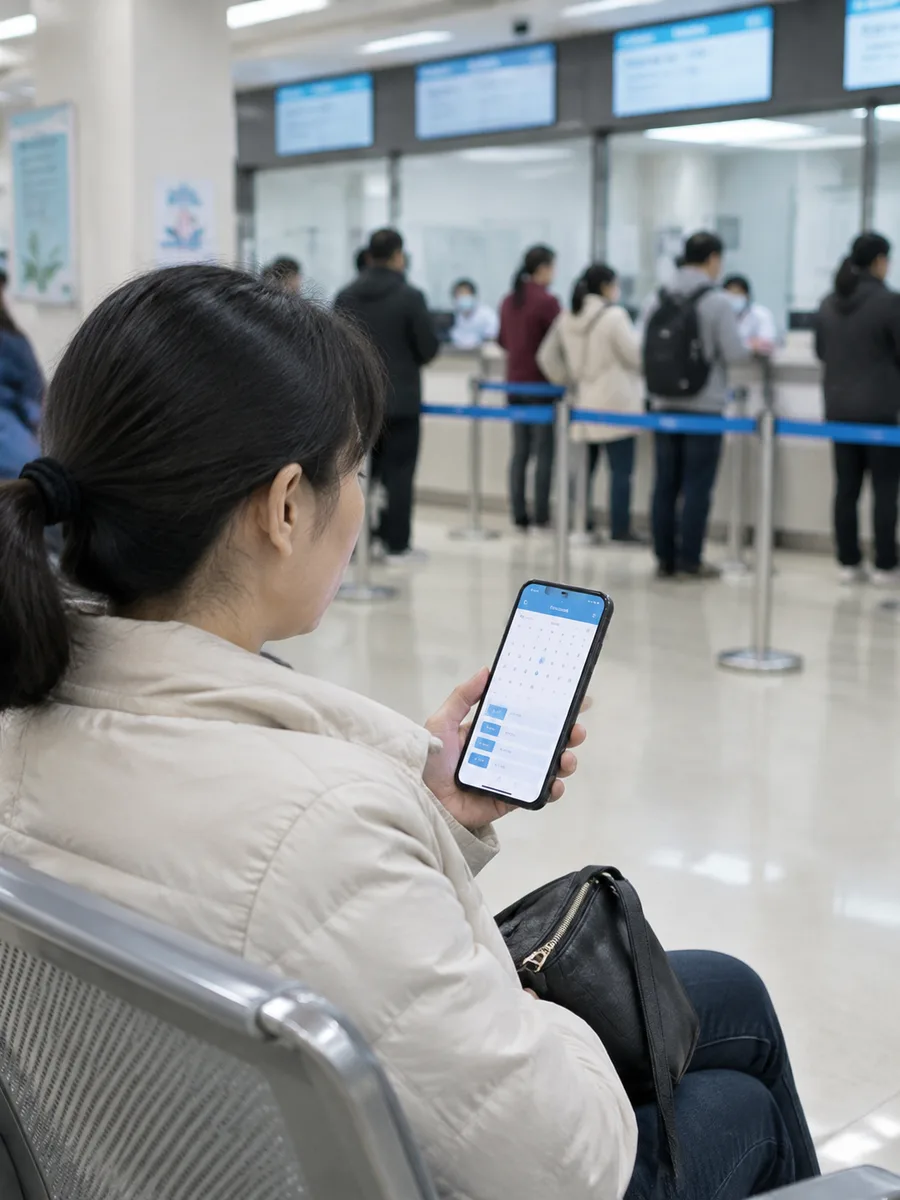

















































































































































































































































HSK 3 Chinese listening episodes

HSK 4 Chinese listening episodes
HSK 5+ Chinese listening episodes
How to actually learn HSK 5 vocabulary
Reading a word on a page and catching it at speed in a sentence are different skills. The HSK listening section tests the second.
Scroll
The method in practice
Hear HSK 5 vocabulary in real Mandarin
Each HSK 5 episode uses this word band, with the transcript, pinyin and line-by-line English. Five free episodes after a one-tap magic-link sign-in — no password, no payment.