

HSK 5 Vocabulary List: 3,599 Words (HSK 3.0)
HSK 5 has 3,599 words in HSK 3.0, 1,599 of them new at this level (the old HSK 2.0 list had 2,500). Fluentide has 292 free stories at the Advanced (HSK 5+) level that use them, with transcript and pinyin.
By Haoshan Hong · Native Mandarin speaker · Updated October 2026
Hear HSK 5 words in a real story

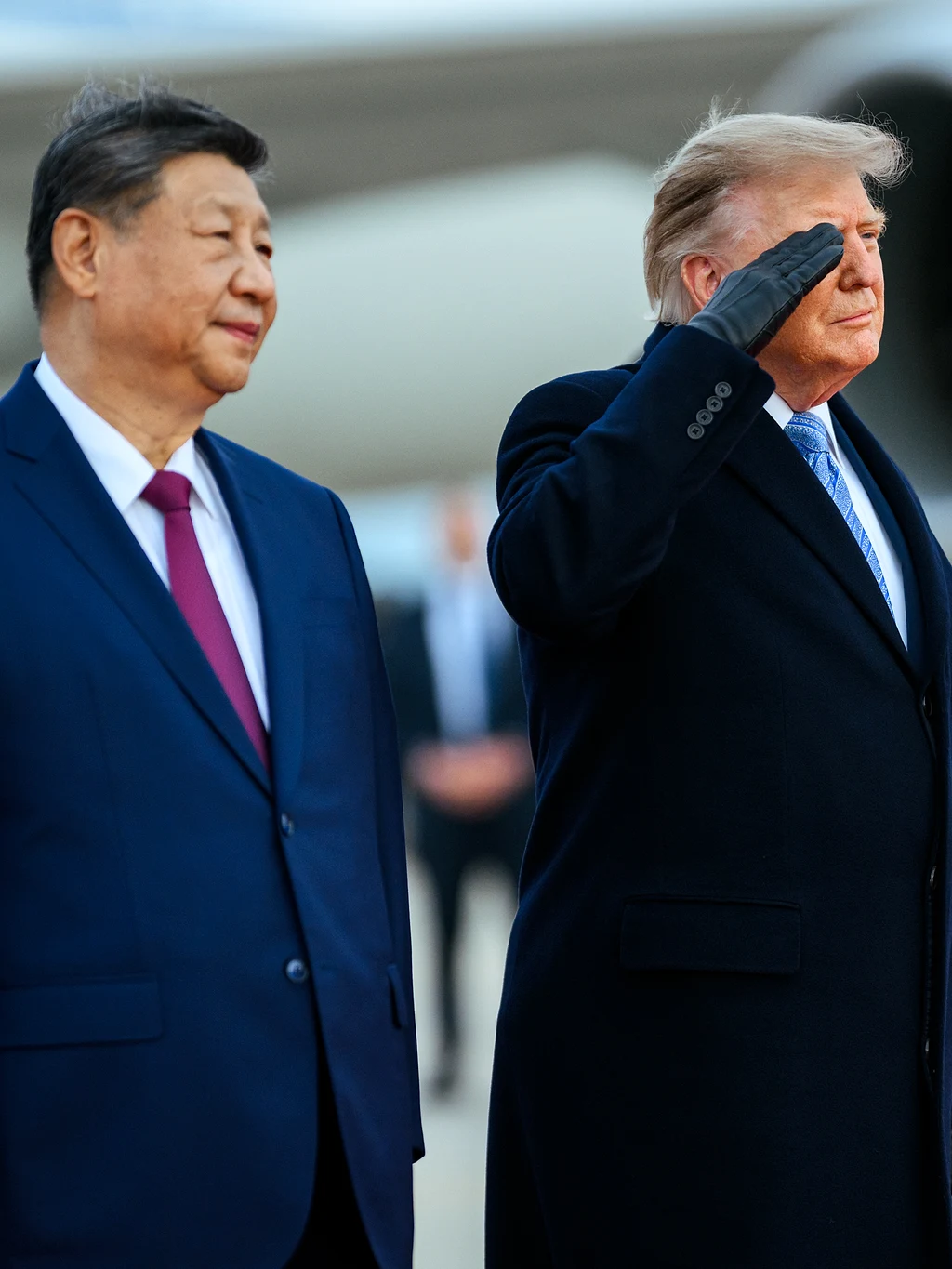
《经济学人》劝华盛顿:让中国抄美国AI
The Economist Urges Washington: Let China Copy American AI — Why Banning Distillation Would Backfire
2 min
What is on the HSK 5 word list?
The other 2,000 come from HSK 1–4. They cover news, business, academic and literary register: the vocabulary of newspapers, lectures, and film dialogue.
Scroll
HSK 5 word list
All 3,557 words from the official HSK 3.0 syllabus, the 1,579 new at HSK 5 first. The syllabus counts 3,599 because a few words are listed once per reading; here each appears once.
Pinyin from the syllabus, definitions from CC-CEDICT. Tap a word for its other senses.
Showing 2101–2150 of 3,557 · page 43 of 72
内nèiHSK 4inside
- inside
- inner
- internal
- within
- interior
内容nèiróngHSK 4content
- content
- substance
- details
- CL:项
内心nèixīnHSK 4heart
- heart
- innermost being
- (math.) incenter
能否néng fǒuHSK 4whether one can
- whether one can
- whether it is possible
能够nénggòuHSK 4to be capable of
- to be capable of
- to be able to
- can
能力nénglìHSK 4capability
- capability
- ability
- CL:个
嗯ǹgHSK 4(a groaning sound)
- (a groaning sound)
- (nonverbal grunt as interjection)
- OK, yeah
- what?
- interjection indicating approval, appreciation or agreement
年底niándǐHSK 4end of the year
- end of the year
年龄niánlíngHSK 4(a person's) age
- (a person's) age
- CL:把,个
农村nóngcūnHSK 4rural area
- rural area
- village
- CL:个
弄nòngHSK 4to do
- to do
- to manage
- to handle
- to play with
- to fool with
- to mess with
- to fix
- to toy with
- lane
- alley
- old variant of 弄
- variant of 弄
女性nǚxìngHSK 4woman
- woman
- the female sex
暖和nuǎnhuoHSK 4warm
- warm
- nice and warm
偶尔ǒu’ěrHSK 4occasionally
- occasionally
- once in a while
- sometimes
拍pāiHSK 4to pat
- to pat
- to clap
- to slap
- to swat
- to take (a photo)
- to shoot (a film)
- racket (sports)
- beat (music)
排páiHSK 4to arrange in order
- to arrange in order
- to line up
- to exclude
- to eliminate
- to repel
- to expel
- to discharge
- to rehearse
- row
- line
- platoon
- (bound form) steak
- chop
- (bound form) raft
- classifier for rows or lines (of people or things)
- (literary) to push aside
- to force open
排队páiduìHSK 4to line up
- to line up
排球páiqiúHSK 4volleyball
- volleyball
- CL:个
牌páiHSK 4signboard
- signboard
- plaque
- plate
- tablet (CL:块)
- brand
- trademark
- mahjong tile
- domino
- playing card (CL:张)
- (bound form) fixed pattern for lyrics or set melody in classical poetry or music (used in 词牌 and 曲牌)
牌子páiziHSK 4sign
- sign
- trademark
- brand
判断pànduànHSK 4to judge
- to judge
- to determine
- judgment
陪péiHSK 4to accompany
- to accompany
- to keep sb company
- to assist
- old variant of 赔
批评pīpíngHSK 4to criticize
- to criticize
- criticism
- CL:次,番
皮肤pífūHSK 4skin
- skin
- CL:层,块
皮鞋píxiéHSK 4leather shoes
- leather shoes
脾气píqiHSK 4character
- character
- temperament
- disposition
- bad temper
- CL:股
篇piānHSK 4sheet
- sheet
- piece of writing
- bound set of bamboo slips used for record keeping (old)
- classifier for written items: chapter, article
片piànHSK 4thin piece
- thin piece
- flake
- a slice
- film
- TV play
- to slice
- to carve thin
- partial
- incomplete
- one-sided
- classifier for slices, tablets, tract of land, area of water
- classifier for CDs, movies, DVDs etc
- used with numeral 一: classifier for scenario, scene, feeling, atmosphere, sound etc
- Kangxi radical 91
- disk
- sheet
乒乓球pīngpāngqiúHSK 4table tennis
- table tennis
- ping-pong
- table tennis ball
- CL:个
平常píngchángHSK 4ordinary
- ordinary
- common
- usually
- ordinarily
破pòHSK 4broken
- broken
- damaged
- worn out
- lousy
- rotten
- to break, split or cleave
- to get rid of
- to destroy
- to break with
- to defeat
- to capture (a city etc)
- to expose the truth of
葡萄pútaoHSK 4grape
葡萄酒pútaojiǔHSK 4(grape) wine
- (grape) wine
普遍pǔbiànHSK 4universal
- universal
- general
- widespread
- common
普通pǔtōngHSK 4common
- common
- ordinary
- general
- average
普通话pǔtōnghuàHSK 4Putonghua
- Putonghua
- standard Mandarin
期qīHSK 4period
- period
- cycle
- a period of time
- phase
- stage
- classifier for issues of a periodical, courses of study
- time
- term
- period
- to hope
- Taiwan pr.
- variant of 期
期末qīmòHSK 4the end of a term or semester (in school)
- the end of a term or semester (in school)
期中qīzhōngHSK 4interim
- interim
- midterm
其次qícìHSK 4next
- next
- secondly
其中qízhōngHSK 4among
- among
- in
- included among these
起到qǐdàoHSK 4(in an expression of the form 起到 + … + 作用) to have (a (motivating etc) effect)
- (in an expression of the form 起到 + … + 作用) to have (a (motivating etc) effect)
- to play (a (stabilizing etc) role)
气qìHSK 4gas
- gas
- air
- smell
- weather
- to make angry
- to annoy
- to get angry
- vital energy
- qi
气候qìhòuHSK 4(meteorology) climate
- (meteorology) climate
- (fig.) climate
- prevailing conditions (in human affairs)
气温qìwēnHSK 4air temperature
- air temperature
汽水qìshuǐHSK 4soda pop
- soda pop
- carbonated soft drink
千克qiānkèHSK 4kilogram
- kilogram
千万qiānwànHSK 4ten million
- ten million
- countless
- many
- one must by all means
签证qiānzhèngHSK 4visa
- visa
- to issue a visa
前方qiánfāngHSK 4ahead
- ahead
- the front
Stories that use these HSK 5 words
Each one is a Fluentide Advanced (HSK 5+) story, written inside that word band. Press play; the first few need no account.
HSK 2 Chinese listening episodes








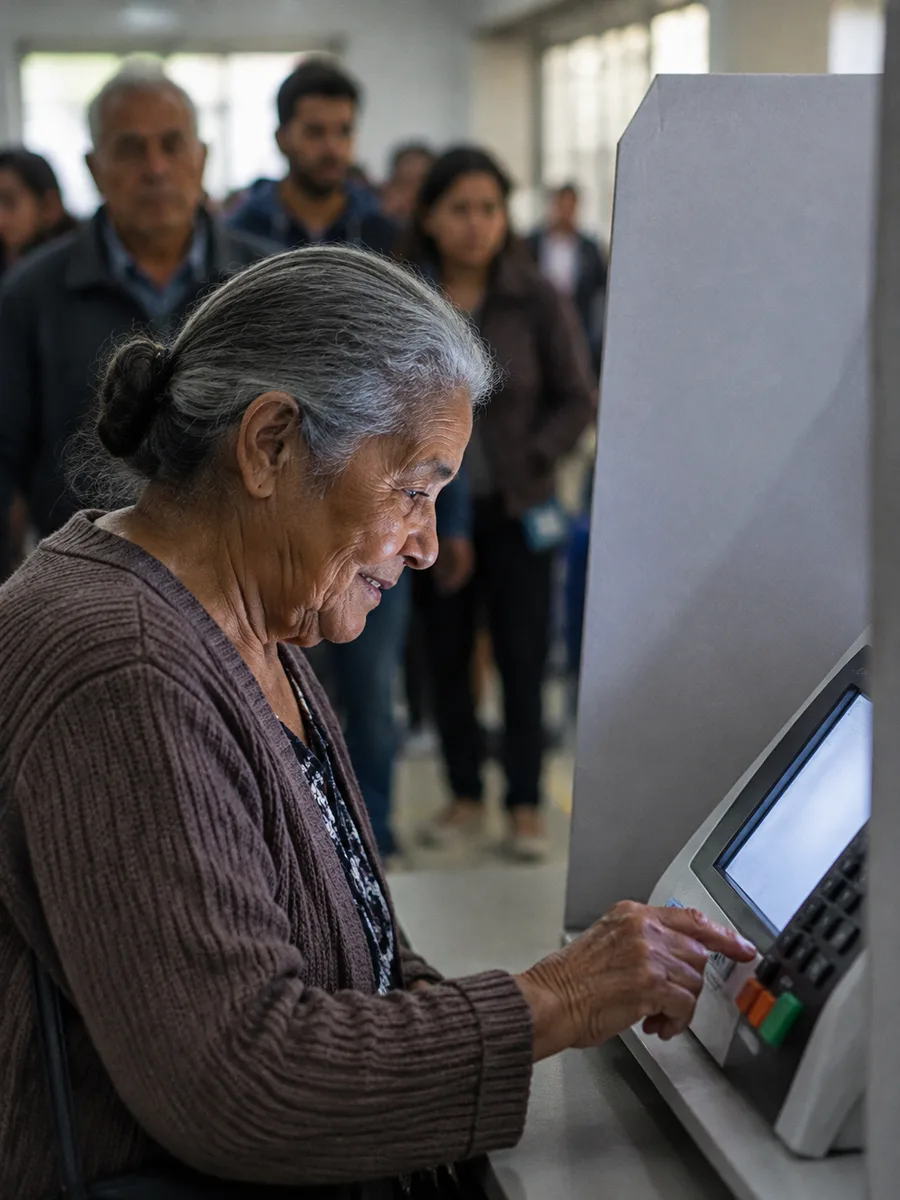










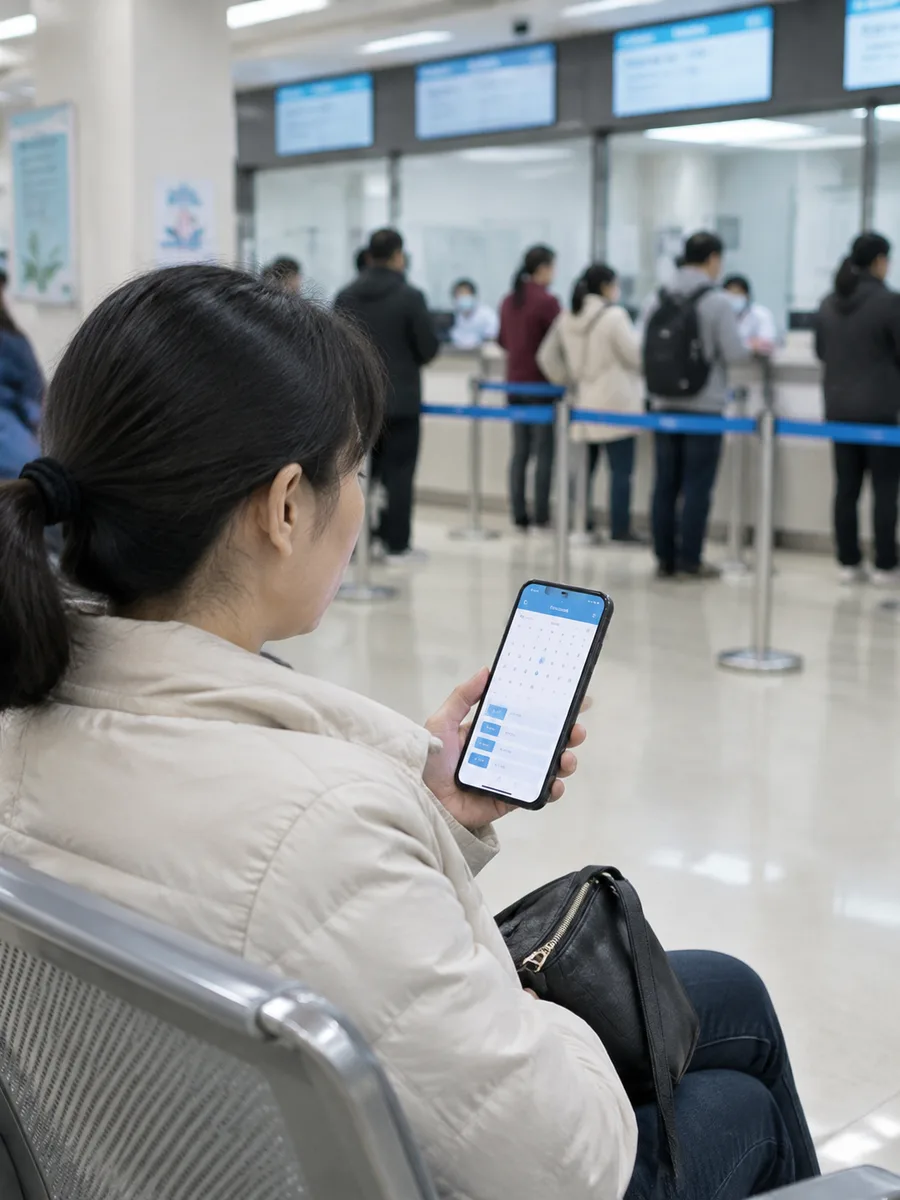



































































































































































































































































HSK 3 Chinese listening episodes

HSK 4 Chinese listening episodes
HSK 5+ Chinese listening episodes
How to actually learn HSK 5 vocabulary
Reading a word on a page and catching it at speed in a sentence are different skills. The HSK listening section tests the second.
Scroll
The method in practice
Hear HSK 5 vocabulary in real Mandarin
Each HSK 5 episode uses this word band, with the transcript, pinyin and line-by-line English. Five free episodes after a one-tap magic-link sign-in — no password, no payment.