

HSK 5 Vocabulary List: 3,599 Words (HSK 3.0)
HSK 5 has 3,599 words in HSK 3.0, 1,599 of them new at this level (the old HSK 2.0 list had 2,500). Fluentide has 292 free stories at the Advanced (HSK 5+) level that use them, with transcript and pinyin.
By Haoshan Hong · Native Mandarin speaker · Updated October 2026
Hear HSK 5 words in a real story

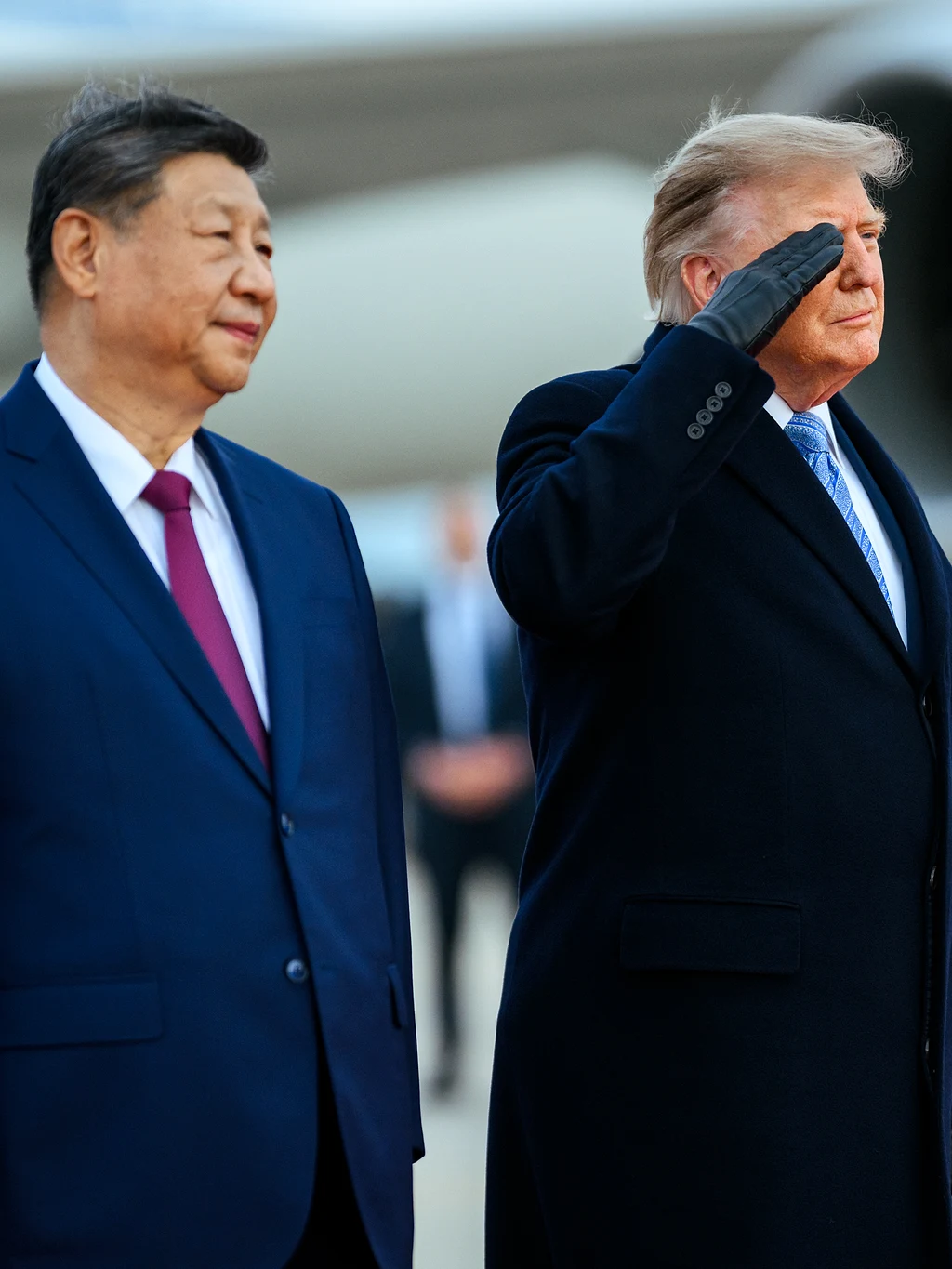
《经济学人》劝华盛顿:让中国抄美国AI
The Economist Urges Washington: Let China Copy American AI — Why Banning Distillation Would Backfire
2 min
What is on the HSK 5 word list?
The other 2,000 come from HSK 1–4. They cover news, business, academic and literary register: the vocabulary of newspapers, lectures, and film dialogue.
Scroll
HSK 5 word list
All 3,557 words from the official HSK 3.0 syllabus, the 1,579 new at HSK 5 first. The syllabus counts 3,599 because a few words are listed once per reading; here each appears once.
Pinyin from the syllabus, definitions from CC-CEDICT. Tap a word for its other senses.
Showing 2151–2200 of 3,557 · page 44 of 72
前后qiánhòuHSK 4around
- around
- from beginning to end
- all around
- front and rear
强qiángHSK 4strong
- strong
- powerful
- better
- slightly more than
- vigorous
- violent
- best in their category, e.g. see 百强
- stubborn
- unyielding
- to force
- to compel
- to strive
- to make an effort
- surname Qiang
- variant of 强
- variant of 强
- variant of 强
敲qiāoHSK 4to hit
- to hit
- to strike
- to tap
- to rap
- to knock
- to rip sb off
- to overcharge
桥qiáoHSK 4bridge
- bridge
- CL:座
巧qiǎoHSK 4opportunely
- opportunely
- coincidentally
- as it happens
- skillful
- timely
巧克力qiǎokèlìHSK 4(loanword) chocolate
- (loanword) chocolate
- CL:块
亲戚qīnqiHSK 4a relative (i.e. family relation)
- a relative (i.e. family relation)
- CL:门,个,位
琴qínHSK 4guqin 古琴 (a type of zither)
- guqin 古琴 (a type of zither)
- musical instrument in general
- variant of 琴, guqin or zither
青年qīngniánHSK 4youth
- youth
- youthful years
- young person
- the young
轻qīngHSK 4light
- light
- easy
- gentle
- soft
- reckless
- unimportant
- frivolous
- small in number
- unstressed
- neutral
- to disparage
轻松qīngsōngHSK 4light
- light
- gentle
- relaxed
- effortless
- uncomplicated
- to relax
- to take things less seriously
情况qíngkuàngHSK 4circumstances
- circumstances
- state of affairs
- situation
- CL:种
庆祝qìngzhùHSK 4to celebrate
- to celebrate
球队qiúduìHSK 4sports team (basketball, soccer, football etc)
- sports team (basketball, soccer, football etc)
球迷qiúmíHSK 4fan (ball sports)
- fan (ball sports)
- CL:个
区qūHSK 4area
- area
- region
- district
- small
- distinguish
- CL:个
- surname Ou
区别qūbiéHSK 4difference
- difference
- to distinguish
- to discriminate
- to make a distinction
- CL:个
取qǔHSK 4to take
- to take
- to get
- to choose
- to fetch
取得qǔdéHSK 4to acquire
- to acquire
- to get
- to obtain
取消qǔxiāoHSK 4to cancel
- to cancel
- to call off
- to revoke
- to rescind
全quánHSK 4all
- all
- whole
- entire
- every
- complete
- surname Quan
全部quánbùHSK 4whole
- whole
- all
全都quándōuHSK 4all
- all
- without exception
全球quánqiúHSK 4the whole world
- the whole world
- worldwide
- global
全身quánshēnHSK 4the whole body
- the whole body
- (typography) em
缺quēHSK 4deficiency
- deficiency
- lack
- scarce
- vacant post
- to run short of
缺点quēdiǎnHSK 4weak point
- weak point
- fault
- shortcoming
- disadvantage
- CL:个
缺少quēshǎoHSK 4lack
- lack
- shortage of
- shortfall
- to be short (of)
- to lack
却quèHSK 4but
- but
- yet
- however
- while
- to go back
- to decline
- to retreat
- nevertheless
- even though
- old variant of 却
确实quèshíHSK 4indeed
- indeed
- really
- reliable
- real
- true
然而rán’érHSK 4however
- however
- but
- yet
热闹rènaoHSK 4lively
- lively
- bustling
- full of activity
- to make things lively
- to have a good time
- a scene of bustling activity
- excitement
人生rénshēngHSK 4life (one's time on earth)
- life (one's time on earth)
人数rénshùHSK 4number of people
- number of people
人员rényuánHSK 4staff
- staff
- crew
- personnel
- CL:个
任何rènhéHSK 4any
- any
- whatever
- whichever
任务rènwuHSK 4mission
- mission
- assignment
- task
- duty
- role
- CL:项
扔rēngHSK 4to throw
- to throw
- to throw away
仍réngHSK 4still
- still
- yet
- to remain
- (literary) frequently
- often
仍然réngránHSK 4still
- still
- as before
- yet
日常rìchángHSK 4day-to-day
- day-to-day
- daily
- everyday
日记rìjìHSK 4diary
- diary
- CL:则,本,篇
日期rìqīHSK 4date
- date
日子rìziHSK 4day
- day
- a (calendar) date
- days of one's life
入rùHSK 4to enter
- to enter
- to go into
- to join
- to become a member of
- (bound form) to conform to (as in 入时)
- (on product packaging, after {number n} + {classifier}) containing (n pieces) (from Japanese 入 "iri")
- abbr. for 入声
入口rùkǒuHSK 4entrance
- entrance
- to import
入学rùxuéHSK 4to enter a school or college
- to enter a school or college
- to go to school for the first time as a child
入住rùzhùHSK 4to check in (at a hotel etc)
- to check in (at a hotel etc)
- to move into (a house)
散步sànbùHSK 4to take a walk
- to take a walk
- to go for a walk
扫码sǎomǎHSK 4to scan a QR code or barcode
- to scan a QR code or barcode
Stories that use these HSK 5 words
Each one is a Fluentide Advanced (HSK 5+) story, written inside that word band. Press play; the first few need no account.
HSK 2 Chinese listening episodes






















































































































































































































































































HSK 3 Chinese listening episodes

HSK 4 Chinese listening episodes
HSK 5+ Chinese listening episodes
How to actually learn HSK 5 vocabulary
Reading a word on a page and catching it at speed in a sentence are different skills. The HSK listening section tests the second.
Scroll
The method in practice
Hear HSK 5 vocabulary in real Mandarin
Each HSK 5 episode uses this word band, with the transcript, pinyin and line-by-line English. Five free episodes after a one-tap magic-link sign-in — no password, no payment.