

HSK 5 Vocabulary List: 3,599 Words (HSK 3.0)
HSK 5 has 3,599 words in HSK 3.0, 1,599 of them new at this level (the old HSK 2.0 list had 2,500). Fluentide has 292 free stories at the Advanced (HSK 5+) level that use them, with transcript and pinyin.
By Haoshan Hong · Native Mandarin speaker · Updated October 2026
Hear HSK 5 words in a real story

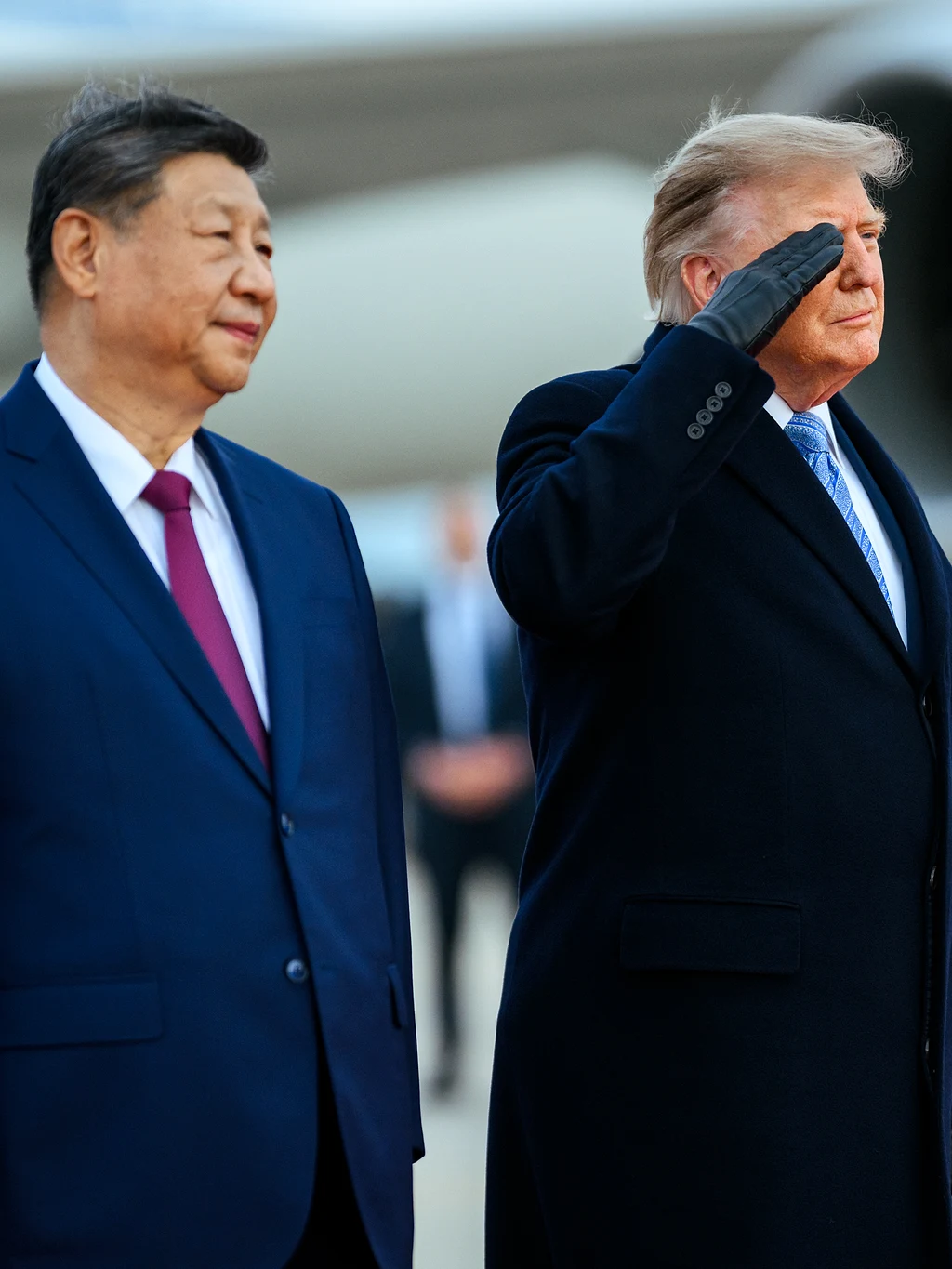
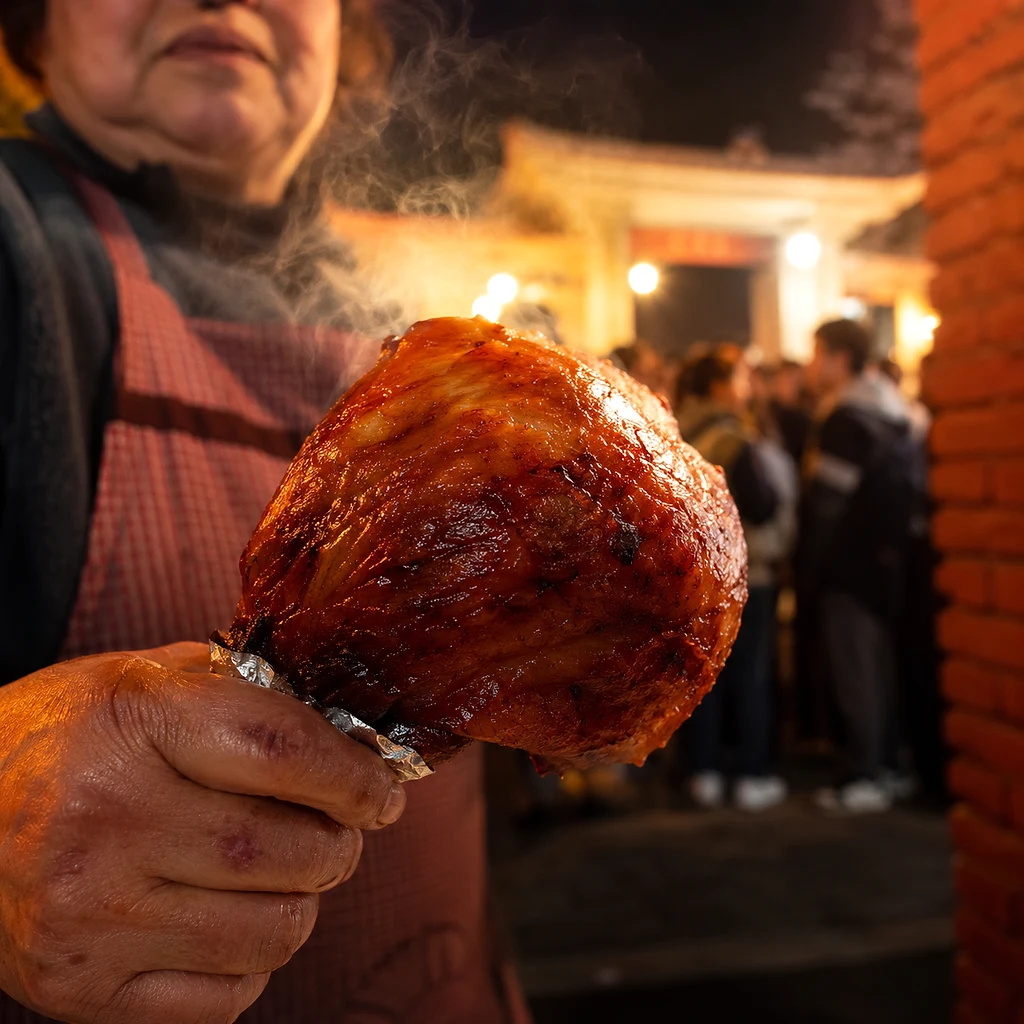
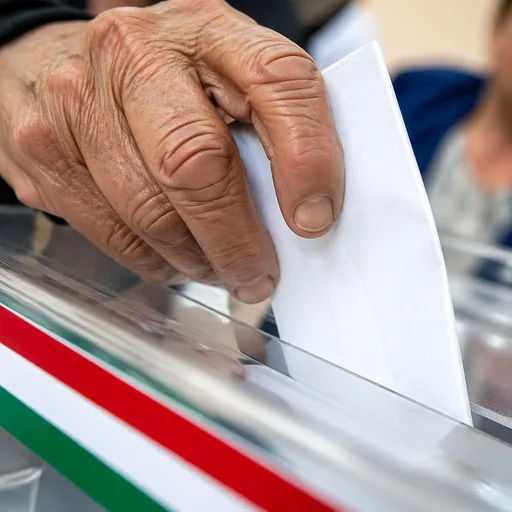
《经济学人》劝华盛顿:让中国抄美国AI
The Economist Urges Washington: Let China Copy American AI — Why Banning Distillation Would Backfire
2 min
What is on the HSK 5 word list?
The other 2,000 come from HSK 1–4. They cover news, business, academic and literary register: the vocabulary of newspapers, lectures, and film dialogue.
Scroll
HSK 5 word list
All 3,557 words from the official HSK 3.0 syllabus, the 1,579 new at HSK 5 first. The syllabus counts 3,599 because a few words are listed once per reading; here each appears once.
Pinyin from the syllabus, definitions from CC-CEDICT. Tap a word for its other senses.
Showing 2201–2250 of 3,557 · page 45 of 72
森林sēnlínHSK 4forest
- forest
- CL:片
伤心shāngxīnHSK 4to grieve
- to grieve
- to be broken-hearted
- to feel deeply hurt
商量shāngliangHSK 4to consult
- to consult
- to talk over
- to discuss
商品shāngpǐnHSK 4commodity
- commodity
- goods
- merchandise
- CL:件
上门shàngménHSK 4to drop in
- to drop in
- to visit
- to lock a door
- (of a shop) to close
- to go and live with one's wife's family, in effect becoming a member of her family
稍shāoHSK 4somewhat
- somewhat
- a little
- used in 稍息
稍微shāowēiHSK 4a little bit
- a little bit
少见shǎojiànHSK 4rare
- rare
- seldom seen
- (formal) it's a rare pleasure to see you
少量shǎoliàngHSK 4a smidgen
- a smidgen
- a little bit
- a few
少年shàoniánHSK 4early youth
- early youth
- youngster
- (literary) youth
- young man
少数shǎoshùHSK 4small number
- small number
- few
- minority
社会shèhuìHSK 4society
摄氏度shèshìdùHSK 4°C (degrees Celsius)
- °C (degrees Celsius)
申请shēnqǐngHSK 4to apply for sth
- to apply for sth
- application form (CL:份)
身shēnHSK 4body
- body
- life
- oneself
- personally
- one's morality and conduct
- the main part of a structure or body
- pregnant
- classifier for sets of clothes: suit, twinset
- Kangxi radical 158
身份证shēnfènzhèngHSK 4identity card
- identity card
- ID
深shēnHSK 4(lit. and fig.) deep
- (lit. and fig.) deep
- old variant of 深
甚至shènzhìHSK 4even
- even
- so much so that
生shēngHSK 4to grow
- to grow
- to give birth
- to produce
- to be born
- to arise
- to occur
- to light (a fire)
- to live
- to be alive
- life
- raw
- uncooked
- unprocessed
- unfamiliar
- strange
- (bound form) student
- person engaged in a field
- (bound form) male role in traditional opera
- (bound form) life
- lifetime
- (bound form) means of livelihood
- (bound form) very
- intensely (as in 生疼)
- (bound form) in a forced manner (as in 生拉硬拽)
生命shēngmìngHSK 4life (as the characteristic of living beings)
- life (as the characteristic of living beings)
- living being
- creature (CL:条)
生意shēngyiHSK 4business
- business
- CL:笔
省shěngHSK 4to save
- to save
- to economize
- to be frugal
- to omit
- to delete
- to leave out
- province
- provincial capital
- a ministry (of the Japanese government)
- (bound form) to scrutinize
- (bound form) to reflect (on one's conduct)
- (bound form) to come to realize
- (bound form) to pay a visit (to one's parents or elders)
剩shèngHSK 4to remain
- to remain
- to be left
- to have as remainder
- variant of 剩
失败shībàiHSK 4to be defeated
- to be defeated
- to lose
- to fail (e.g. experiments)
- failure
- defeat
- CL:次
失去shīqùHSK 4to lose
- to lose
失望shīwàngHSK 4disappointed
- disappointed
- to lose hope
- to despair
师傅shīfuHSK 4master
- master
- qualified worker
- respectful form of address for older men
- CL:个,位,名
师生shīshēngHSK 4teachers and students
- teachers and students
十分shífēnHSK 4very
- very
- completely
- utterly
- extremely
- absolutely
- hundred percent
- to divide into ten equal parts
十字路口shízì lùkǒuHSK 4crossroads
- crossroads
- intersection
时间表shíjiānbiǎoHSK 4schedule
- schedule
- timetable
实际shíjìHSK 4reality
- reality
- practice
- practical
- realistic
- real
- actual
实际上shíjìshàngHSK 4in fact
- in fact
- in reality
- as a matter of fact
- in practice
实在shízàiHSK 4really
- really
- actually
- indeed
- true
- real
- honest
- dependable
- (philosophy) reality
食品shípǐnHSK 4foodstuff
- foodstuff
- food
- provisions
食堂shítángHSK 4dining hall
- dining hall
- cafeteria
- CL:个,间
食物shíwùHSK 4food
- food
使shǐHSK 4to make
- to make
- to cause
- to enable
- to use
- to employ
- to send
- to instruct sb to do sth
- envoy
- messenger
使馆shǐguǎnHSK 4consulate
- consulate
- diplomatic mission
使用shǐyòngHSK 4to use
- to use
- to employ
- to apply
- to make use of
世纪shìjìHSK 4century
- century
市场shìchǎngHSK 4marketplace
- marketplace
- market
- bazaar
- (economics) market
市区shìqūHSK 4urban district
- urban district
- downtown
- city center
视频shìpínHSK 4video
- video
试题shìtíHSK 4exam question
- exam question
- test topic
是否shìfǒuHSK 4whether (or not)
- whether (or not)
- if
- is or isn't
适合shìhéHSK 4to fit
- to fit
- to suit
适应shìyìngHSK 4to adapt
- to adapt
- to fit
- to suit
收费shōufèiHSK 4to charge a fee
- to charge a fee
收入shōurùHSK 4to take in
- to take in
- income
- revenue
- CL:笔,个
Stories that use these HSK 5 words
Each one is a Fluentide Advanced (HSK 5+) story, written inside that word band. Press play; the first few need no account.
HSK 2 Chinese listening episodes







































































































































































































































































HSK 3 Chinese listening episodes

HSK 4 Chinese listening episodes
HSK 5+ Chinese listening episodes
How to actually learn HSK 5 vocabulary
Reading a word on a page and catching it at speed in a sentence are different skills. The HSK listening section tests the second.
Scroll
The method in practice
Hear HSK 5 vocabulary in real Mandarin
Each HSK 5 episode uses this word band, with the transcript, pinyin and line-by-line English. Five free episodes after a one-tap magic-link sign-in — no password, no payment.