

HSK 5 Vocabulary List: 3,599 Words (HSK 3.0)
HSK 5 has 3,599 words in HSK 3.0, 1,599 of them new at this level (the old HSK 2.0 list had 2,500). Fluentide has 292 free stories at the Advanced (HSK 5+) level that use them, with transcript and pinyin.
By Haoshan Hong · Native Mandarin speaker · Updated October 2026
Hear HSK 5 words in a real story

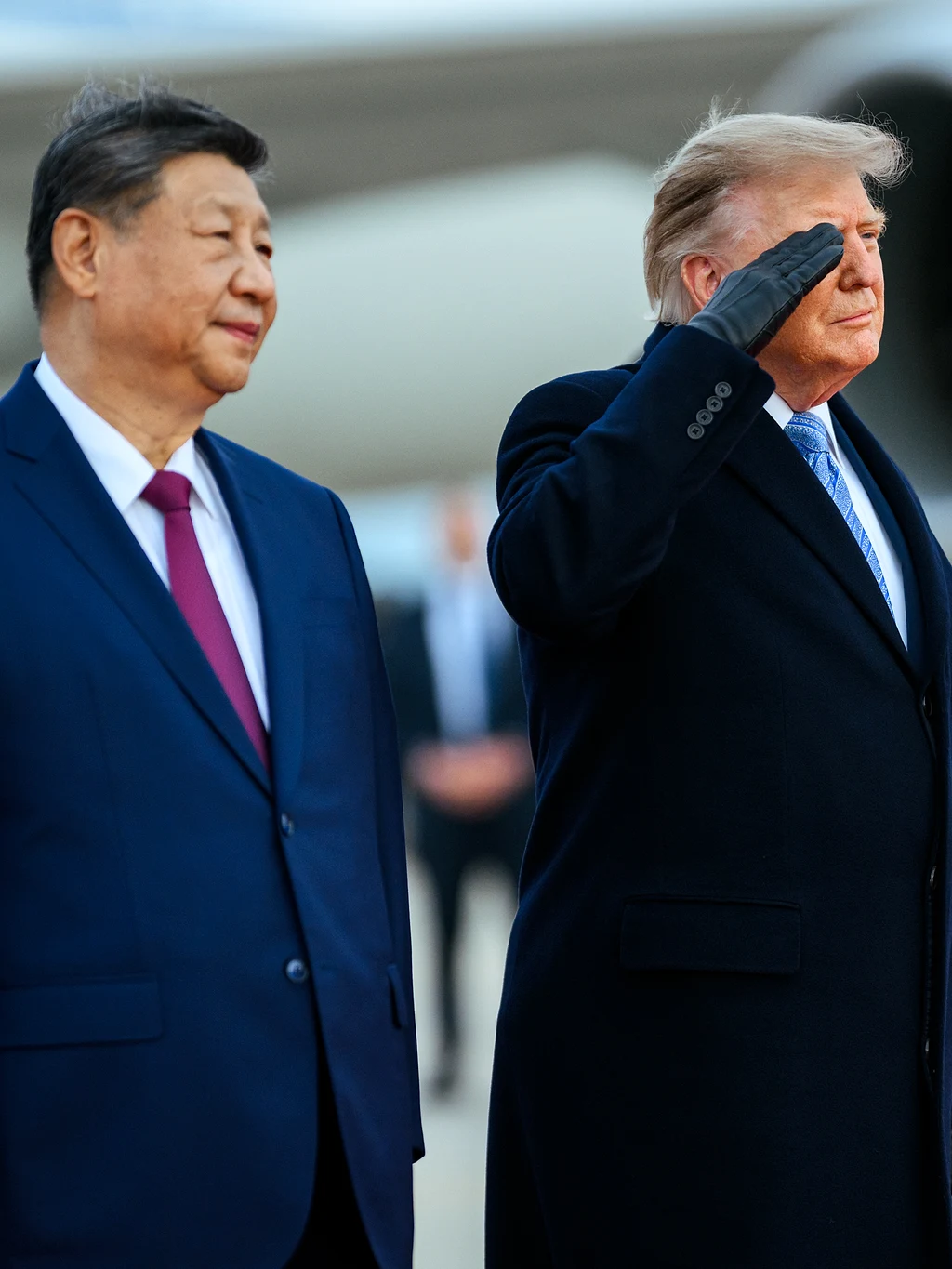
《经济学人》劝华盛顿:让中国抄美国AI
The Economist Urges Washington: Let China Copy American AI — Why Banning Distillation Would Backfire
2 min
What is on the HSK 5 word list?
The other 2,000 come from HSK 1–4. They cover news, business, academic and literary register: the vocabulary of newspapers, lectures, and film dialogue.
Scroll
HSK 5 word list
All 3,557 words from the official HSK 3.0 syllabus, the 1,579 new at HSK 5 first. The syllabus counts 3,599 because a few words are listed once per reading; here each appears once.
Pinyin from the syllabus, definitions from CC-CEDICT. Tap a word for its other senses.
Showing 2251–2300 of 3,557 · page 46 of 72
收拾shōushiHSK 4to put in order
- to put in order
- to tidy up
- to pack
- to repair
- (coll.) to sort sb out
- to fix sb
收听shōutīngHSK 4to listen to (a radio broadcast)
- to listen to (a radio broadcast)
首shǒuHSK 4classifier for songs and poems
- classifier for songs and poems
- head
- first
- head
- chief
- first (occasion, thing etc)
- classifier for poems, songs etc
首都shǒudūHSK 4capital (city)
- capital (city)
- CL:个
首先shǒuxiānHSK 4first of all
- first of all
- in the first place
受不了shòubuliǎoHSK 4unbearable
- unbearable
- unable to endure
- can't stand
受伤shòushāngHSK 4to sustain injuries
- to sustain injuries
- wounded (in an accident etc)
- harmed
售票员shòupiàoyuánHSK 4ticket seller
- ticket seller
输shūHSK 4to lose
- to lose
- to be beaten
- (bound form) to transport
- (coll.) to enter (a password)
- (literary) to donate
- to contribute
熟shú/shóuHSK 4ripe
- ripe
- mature
- thoroughly cooked
- done
- familiar
- acquainted
- experienced
- skilled
- (of sleep etc) deep
- profound
- also pr.
熟悉shúxiHSK 4to be familiar with
- to be familiar with
- to know well
暑假shǔjiàHSK 4summer vacation
- summer vacation
- CL:个
树林shùlínHSK 4woods
- woods
- grove
- forest
数shù / shǔHSK 4number
- number
- figure
- several
- a few
- to count
- to count as
- to regard as
- to enumerate
- to list
- (literary) frequently
- repeatedly
数量shùliàngHSK 4amount
- amount
- quantity
- quantitative
- (math.) scalar quantity
数字shùzìHSK 4numeral
- numeral
- digit
- number
- figure
- amount
- digital (electronics etc)
- CL:个
帅shuàiHSK 4(bound form) commander-in-chief
- (bound form) commander-in-chief
- (bound form) to lead
- to command
- handsome
- graceful
- dashing
- elegant
- (coll.) cool!
- sweet!
- (Chinese chess) general (on the red side, equivalent to a king in Western chess)
- surname Shuai
顺便shùnbiànHSK 4conveniently
- conveniently
- in passing
- without much extra effort
顺利shùnlìHSK 4smoothly
- smoothly
- without a hitch
顺序shùnxùHSK 4sequence
- sequence
- order
说法shuōfǎHSK 4way of speaking
- way of speaking
- wording
- formulation
- one's version (of events)
- statement
- theory
- hypothesis
- interpretation
说明shuōmíngHSK 4to explain
- to explain
- to illustrate
- to indicate
- to show
- to prove
- explanation
- directions
- caption
- CL:个
说明书shuōmíngshūHSK 4(technical) manual
- (technical) manual
- (book of) directions
- synopsis (of a play or film)
- specification (patent)
- CL:本
硕士shuòshìHSK 4master's degree
- master's degree
- person who has a master's degree
- learned person
死sǐHSK 4to die
- to die
- impassable
- uncrossable
- inflexible
- rigid
- extremely
- damned
速度sùdùHSK 4speed
- speed
- rate
- velocity
- (music) tempo
塑料sùliàoHSK 4plastic
- plastic
- plastics (general term for synthetic polymer materials)
酸suānHSK 4sour
- sour
- tart
- sick at heart
- grieved
- sore
- aching
- pedantic
- impractical
- to make sarcastic remarks about sb
- an acid
酸奶suānnǎiHSK 4yogurt
- yogurt
算suànHSK 4to calculate
- to calculate
- to figure out
- to include
- to count in
- to count
- to be valid
- to carry weight
- to regard as
- to consider (to be ...)
随便suíbiànHSK 4as one wishes
- as one wishes
- as one pleases
- at random
- negligent
- casual
- wanton
随着suízheHSK 4along with
- along with
- in the wake of
- following
孙女sūnnǚHSK 4son's daughter
- son's daughter
- granddaughter
孙子sūnziHSK 4grandson
- grandson
- son's son
所有suǒyǒuHSK 4all
- all
- to have
- to possess
- to own
台táiHSK 4platform
- platform
- stage
- classifier for machines
- (classical) you (in letters)
- desk
- table
- counter
- platform
- stage
- terrace
- stand
- support
- station
- broadcasting station
- classifier for vehicles or machines
- typhoon
- Taiwan (abbr.)
- surname Tai
- Taiwan (abbr.)
- used in place names
- variant of 台
抬táiHSK 4to lift
- to lift
- to raise
- (of two or more persons) to carry
- variant of 抬
抬头táitóuHSK 4to raise one's head
- to raise one's head
- to look up
- (fig.) to begin to emerge
- to show signs of growth
- (commerce) account name, or space for writing the name on checks, bills etc
态度tàidùHSK 4manner
- manner
- bearing
- attitude
- approach
- CL:个
谈tánHSK 4to speak
- to speak
- to talk
- to converse
- to chat
- to discuss
- surname Tan
汤tāngHSK 4soup
- soup
- hot or boiling water
- decoction of medicinal herbs
- water in which sth has been boiled
- rushing current
- surname Tang
躺tǎngHSK 4to recline
- to recline
- to lie down
趟tàngHSK 4classifier for times, round trips or rows
- classifier for times, round trips or rows
- a time
- a trip
- to wade
- to trample
- to turn the soil
- old variant of 趟
讨论tǎolùnHSK 4to discuss
- to discuss
- to talk over
讨厌tǎoyànHSK 4to dislike
- to dislike
- to loathe
- annoying
- troublesome
特点tèdiǎnHSK 4characteristic
- characteristic
- trait
- feature
提tíHSK 4to carry (hanging down from the hand)
- to carry (hanging down from the hand)
- to lift
- to put forward
- to mention
- to raise (an issue)
- upwards character stroke
- lifting brush stroke (in painting)
- scoop for measuring liquid
- used in 提防 and 提溜
提出tíchūHSK 4to raise (an issue)
- to raise (an issue)
- to propose
- to put forward
- to suggest
- to post (on a website)
- to withdraw (cash)
提到tídàoHSK 4to mention
- to mention
- to raise (a subject)
- to refer to
提供tígōngHSK 4to offer
- to offer
- to supply
- to provide
- to furnish
Stories that use these HSK 5 words
Each one is a Fluentide Advanced (HSK 5+) story, written inside that word band. Press play; the first few need no account.
HSK 2 Chinese listening episodes





































































































































































































































































HSK 3 Chinese listening episodes

HSK 4 Chinese listening episodes
HSK 5+ Chinese listening episodes
How to actually learn HSK 5 vocabulary
Reading a word on a page and catching it at speed in a sentence are different skills. The HSK listening section tests the second.
Scroll
The method in practice
Hear HSK 5 vocabulary in real Mandarin
Each HSK 5 episode uses this word band, with the transcript, pinyin and line-by-line English. Five free episodes after a one-tap magic-link sign-in — no password, no payment.