

HSK 5 Vocabulary List: 3,599 Words (HSK 3.0)
HSK 5 has 3,599 words in HSK 3.0, 1,599 of them new at this level (the old HSK 2.0 list had 2,500). Fluentide has 292 free stories at the Advanced (HSK 5+) level that use them, with transcript and pinyin.
By Haoshan Hong · Native Mandarin speaker · Updated October 2026
Hear HSK 5 words in a real story

《经济学人》劝华盛顿:让中国抄美国AI
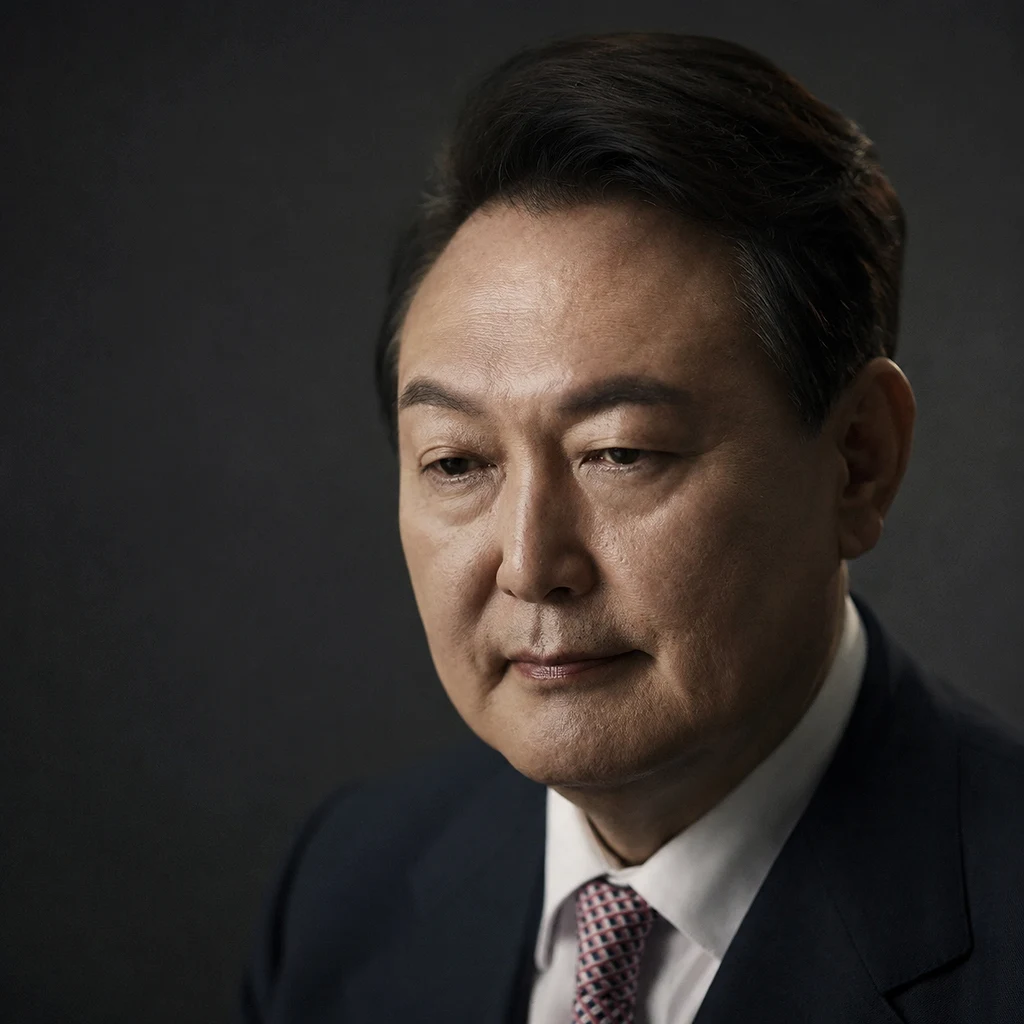
The Economist Urges Washington: Let China Copy American AI — Why Banning Distillation Would Backfire
2 min
What is on the HSK 5 word list?
The other 2,000 come from HSK 1–4. They cover news, business, academic and literary register: the vocabulary of newspapers, lectures, and film dialogue.
Scroll
HSK 5 word list
All 3,557 words from the official HSK 3.0 syllabus, the 1,579 new at HSK 5 first. The syllabus counts 3,599 because a few words are listed once per reading; here each appears once.
Pinyin from the syllabus, definitions from CC-CEDICT. Tap a word for its other senses.
Showing 1801–1850 of 3,557 · page 37 of 72
感gǎnHSK 4to feel
- to feel
- to move
- to touch
- to affect
- feeling
- emotion
- (suffix) sense of ~
感动gǎndòngHSK 4to move (sb)
- to move (sb)
- to touch (sb emotionally)
- moving
感觉gǎnjuéHSK 4feeling
- feeling
- impression
- sensation
- to feel
- to perceive
感情gǎnqíngHSK 4emotion
- emotion
- sentiment
- affection
- feelings between two persons
感人gǎnrénHSK 4touching
- touching
- moving
感受gǎnshòuHSK 4to sense
- to sense
- perception
- to feel (through the senses)
- to experience
- a feeling
- an impression
- an experience
感谢gǎnxièHSK 4to thank
- to thank
- to be grateful
干杯gānbēiHSK 4to drink a toast
- to drink a toast
- Cheers! (proposing a toast)
- Here's to you!
- Bottoms up!
- lit. dry cup
干活儿gànhuórHSK 4to work
- to work
- to be employed
钢琴gāngqínHSK 4piano
- piano
- CL:架,台
高价gāojiàHSK 4high price
- high price
高考gāokǎoHSK 4college entrance exam (especially as abbr. for 普通高等学校招生全国统一考试)
- college entrance exam (especially as abbr. for 普通高等学校招生全国统一考试)
- (Tw) entrance exam for senior government service posts (abbr. for 公务人员高等考试)
高速gāosùHSK 4high speed
- high speed
- expressway (abbr. for 高速公路)
高温gāowēnHSK 4high temperature
- high temperature
高于gāoyúHSK 4greater than
- greater than
- to exceed
胳膊gēboHSK 4arm
- arm
- CL:只,条,双
歌声gēshēngHSK 4singing voice
- singing voice
- fig. original voice of a poet
歌手gēshǒuHSK 4singer
- singer
各gèHSK 4each
各地gèdìHSK 4in all parts of (a country)
- in all parts of (a country)
- various regions
各个gègèHSK 4every
- every
- various
- separately, one by one
各位gèwèiHSK 4everybody
- everybody
- all (guests, colleagues etc)
- all of you
各种gèzhǒngHSK 4every kind of
- every kind of
- all kinds of
- various
更加gèngjiāHSK 4more (than sth else)
- more (than sth else)
- even more
工厂gōngchǎngHSK 4factory
- factory
- CL:家,座
工人gōngrénHSK 4worker
- worker
- CL:个,名
工资gōngzīHSK 4wages
- wages
- pay
- CL:份
公共gōnggòngHSK 4public
- public
- common
- communal
公里gōnglǐHSK 4kilometer
公路gōnglùHSK 4highway
- highway
- road
- CL:条
功夫gōngfuHSK 4skill
- skill
- art
- kung fu
- labor
- effort
功课gōngkèHSK 4homework
- homework
- assignment
- task
- classwork
- lesson
- study
- CL:门
共gòngHSK 4common
- common
- general
- to share
- together
- total
- altogether
- abbr. for 共产党, Communist party
共同gòngtóngHSK 4common
- common
- joint
- jointly
- together
- collaborative
购买gòumǎiHSK 4to purchase
- to purchase
- to buy
购物gòuwùHSK 4shopping
够gòuHSK 4enough (sufficient)
- enough (sufficient)
- enough (too much)
- (coll.) (before adj.) really
- (coll.) to reach by stretching out
估计gūjìHSK 4to estimate
- to estimate
- to assess
- to calculate
- (coll.) to reckon
- to think (that ...)
姑娘gūniangHSK 4girl
- girl
- young woman
- young lady
- daughter
- paternal aunt (old)
- CL:个
鼓励gǔlìHSK 4to encourage
- to encourage
故意gùyìHSK 4deliberately
- deliberately
- on purpose
顾客gùkèHSK 4customer
- customer
- client
- CL:位
挂guàHSK 4to hang
- to hang
- to suspend (from a hook etc)
- to hang up (the phone)
- (of a line) to be dead
- to be worried
- to be concerned
- to register (at a hospital)
- to make an appointment (with a doctor)
- (slang) to kill
- to die
- to be finished
- to fail (an exam)
- classifier for sets or clusters of objects
- (dialect) to make a phone call
关键guānjiànHSK 4crucial point
- crucial point
- crux
- CL:个
- key
- crucial
- pivotal
观看guānkànHSK 4to watch
- to watch
- to view
观众guānzhòngHSK 4spectators
- spectators
- audience
- visitors (to an exhibition etc)
管guǎnHSK 4to take care (of)
- to take care (of)
- to control
- to manage
- to be in charge of
- to look after
- to run
- to care about
- tube
- pipe
- woodwind
- classifier for tube-shaped objects
- particle similar to 把 in 管...叫 constructions
- writing brush
- (coll.) to
- towards
- surname Guan
- variant of 管
管理guǎnlǐHSK 4to supervise
- to supervise
- to manage
- to administer
- management
- administration
- CL:个
光guāngHSK 4light
- light
- ray (CL:道)
- bright
- shiny
- only
- merely
- used up
- finished
- to leave (a part of the body) uncovered
广播guǎngbōHSK 4broadcast
- broadcast
- CL:个
- broadcasting
- to broadcast
- (formal) to propagate
- to publicize
Stories that use these HSK 5 words
Each one is a Fluentide Advanced (HSK 5+) story, written inside that word band. Press play; the first few need no account.
HSK 2 Chinese listening episodes
















































































































































































































































































HSK 3 Chinese listening episodes

HSK 4 Chinese listening episodes
HSK 5+ Chinese listening episodes
How to actually learn HSK 5 vocabulary
Reading a word on a page and catching it at speed in a sentence are different skills. The HSK listening section tests the second.
Scroll
The method in practice
Hear HSK 5 vocabulary in real Mandarin
Each HSK 5 episode uses this word band, with the transcript, pinyin and line-by-line English. Five free episodes after a one-tap magic-link sign-in — no password, no payment.