

HSK 5 Vocabulary List: 3,599 Words (HSK 3.0)
HSK 5 has 3,599 words in HSK 3.0, 1,599 of them new at this level (the old HSK 2.0 list had 2,500). Fluentide has 292 free stories at the Advanced (HSK 5+) level that use them, with transcript and pinyin.
By Haoshan Hong · Native Mandarin speaker · Updated October 2026
Hear HSK 5 words in a real story

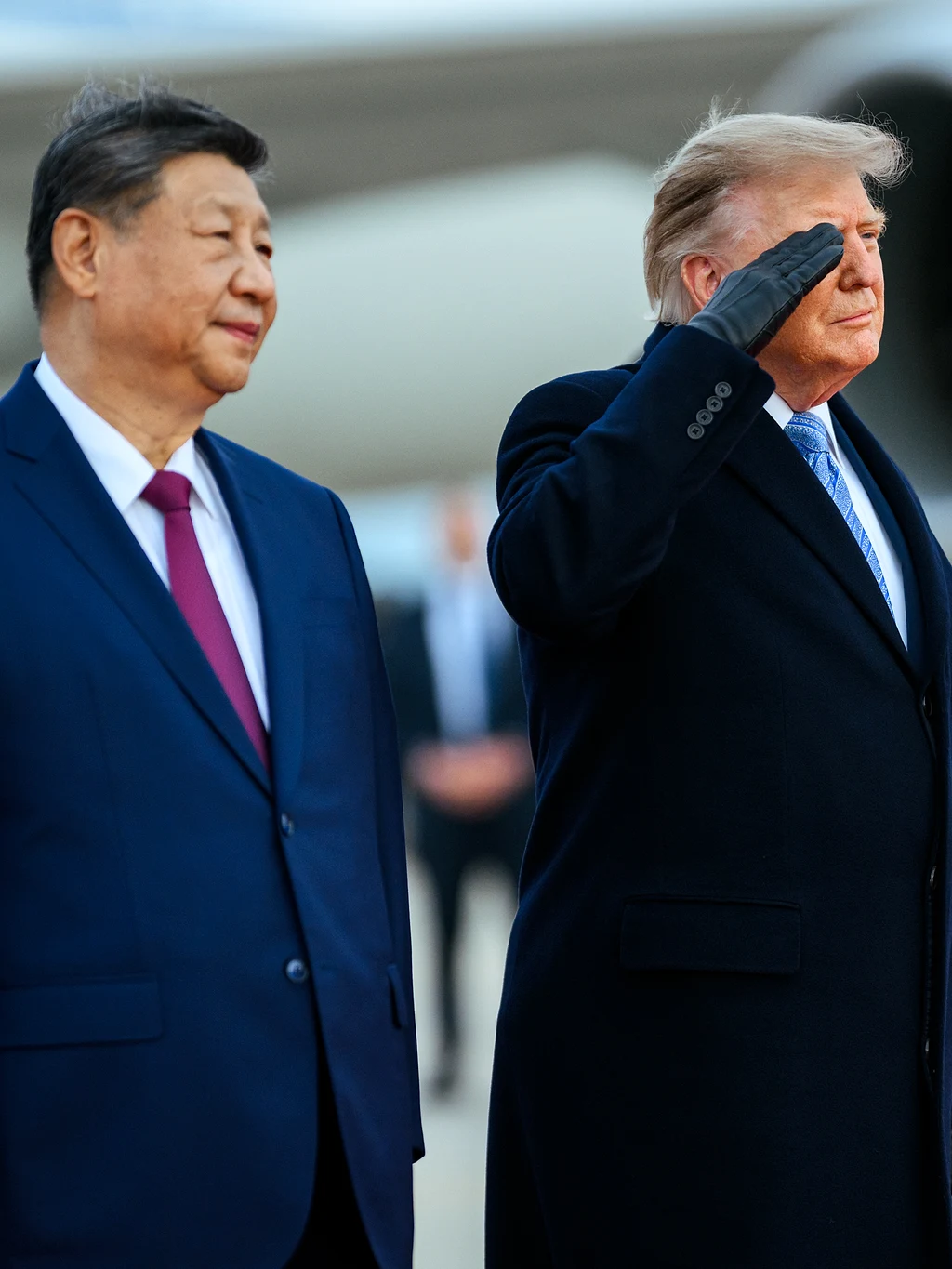
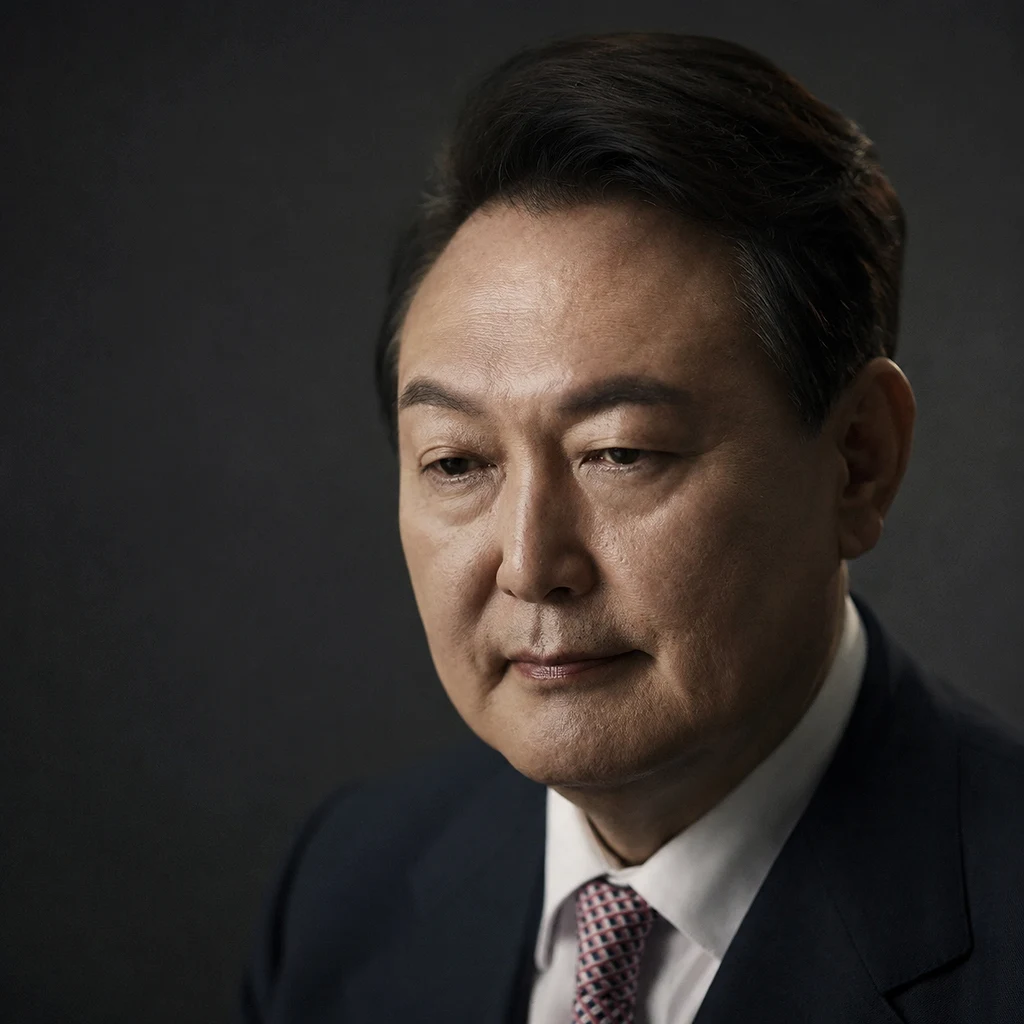
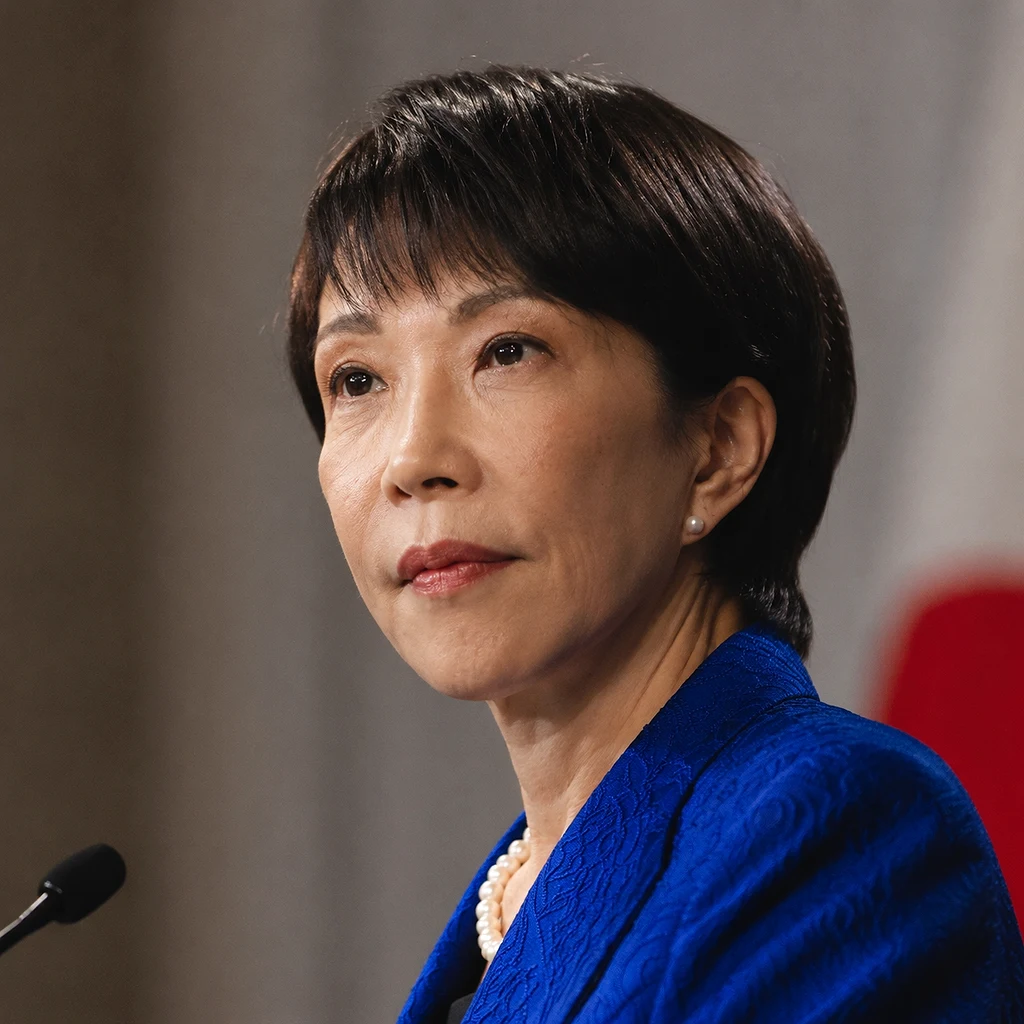
《经济学人》劝华盛顿:让中国抄美国AI
The Economist Urges Washington: Let China Copy American AI — Why Banning Distillation Would Backfire
2 min
What is on the HSK 5 word list?
The other 2,000 come from HSK 1–4. They cover news, business, academic and literary register: the vocabulary of newspapers, lectures, and film dialogue.
Scroll
HSK 5 word list
All 3,557 words from the official HSK 3.0 syllabus, the 1,579 new at HSK 5 first. The syllabus counts 3,599 because a few words are listed once per reading; here each appears once.
Pinyin from the syllabus, definitions from CC-CEDICT. Tap a word for its other senses.
Showing 1851–1900 of 3,557 · page 38 of 72
广告guǎnggàoHSK 4to advertise
- to advertise
- a commercial
- advertisement
- CL:项
逛guàngHSK 4to stroll
- to stroll
- to visit
规定guīdìngHSK 4to stipulate
- to stipulate
- to specify
- to prescribe
- to fix (a price)
- to set (a quota)
- regulations
- rules
- provisions
- stipulations
国籍guójíHSK 4nationality
- nationality
国际guójìHSK 4international
- international
果汁guǒzhīHSK 4fruit juice
- fruit juice
过程guòchéngHSK 4course of events
- course of events
- process
咳kéHSK 4sound of sighing
- sound of sighing
- (interjection expressing surprise, sorrow, regret, disappointment etc) oh
- damn
- wow
- cough
咳嗽késouHSK 4to cough
- to cough
- CL:阵
海洋hǎiyángHSK 4ocean
- ocean
害羞hàixiūHSK 4shy
- shy
- embarrassed
- bashful
寒假hánjiàHSK 4winter vacation
- winter vacation
寒冷hánlěngHSK 4cold (climate)
- cold (climate)
- frigid
- very cold
喊hǎnHSK 4to yell
- to yell
- to shout
- to call out for (a person)
汗hànHSK 4perspiration
- perspiration
- sweat
- CL:滴,头,身
- to be speechless (out of helplessness, embarrassment etc) (Internet slang used as an interjection)
- see 可汗, 汗国
航班hángbānHSK 4(scheduled) flight
- (scheduled) flight
- (scheduled) sailing
好处hǎochùHSK 4benefit
- benefit
- advantage
- merit
- gain
- profit
- also pr.
好好hǎohǎoHSK 4properly
- properly
- well
- in perfectly good condition
- perfectly all right
- well
- thoroughly
- carefully
- properly
好笑hǎoxiàoHSK 4laughable
- laughable
- funny
- ridiculous
合格hégéHSK 4to meet the standard required
- to meet the standard required
- qualified
- eligible (voter etc)
盒子héziHSK 4box
- box
- case
- hezi – a savory turnover-like pie in northern Chinese and Mongolian cuisines
红包hóngbāoHSK 4money wrapped in red as a gift
- money wrapped in red as a gift
- bonus payment
- kickback
- bribe
后悔hòuhuǐHSK 4to regret
- to regret
- to feel remorse
厚hòuHSK 4thick
- thick
- deep or profound
- kind
- generous
- rich or strong in flavor
- to favor
- to stress
忽然hūránHSK 4suddenly
- suddenly
- all of a sudden
互联网hùliánwǎngHSK 4Internet
- Internet
互相hùxiāngHSK 4each other
- each other
- mutually
- mutual
护士hùshiHSK 4nurse
- nurse
话剧huàjùHSK 4stage play
- stage play
- modern drama
- CL:台,部
怀疑huáiyíHSK 4to doubt (sth)
- to doubt (sth)
- to be skeptical of
- to have one's doubts
- to harbor suspicions
- to suspect that
坏处huàichùHSK 4harm
- harm
- troubles
- CL:个
环保huánbǎoHSK 4environmental protection
- environmental protection
- environmentally friendly
- abbr. for 环境保护
换乘huànchéngHSK 4to change train (plane, bus etc)
- to change train (plane, bus etc)
- transfer between modes of transport
回复huífùHSK 4to recover
- to recover
- to revert
- to return to (good health, normal condition etc)
- variant of 回覆
回信huíxìnHSK 4to reply
- to reply
- to write back
- letter written in reply
- CL:封
回忆huíyìHSK 4to recall
- to recall
- memories
- CL:个
会员huìyuánHSK 4member
- member
活huóHSK 4to live
- to live
- alive
- living
- work
- workmanship
活动huódòngHSK 4to exercise
- to exercise
- to move about
- to work out
- shaky
- unsteady
- loose (tooth etc)
- movable
- flexible
- liquid (capital etc)
- (volcanic, seismic, economic etc) activity
- (outdoor etc) activity
- event
- (political) campaign
- (military) maneuver (CL:项)
- to use personal influence, connections, bribes etc
活泼huópōHSK 4lively
- lively
- vivacious
- brisk
- active
- (chemistry) reactive
火huǒHSK 4fire
- fire
- urgent
- ammunition
- fiery or flaming
- internal heat (Chinese medicine)
- hot (popular)
- classifier for military units (old)
- Kangxi radical 86
- surname Huo
货huòHSK 4goods
- goods
- money
- commodity
- CL:个
获得huòdéHSK 4to obtain
- to obtain
- to receive
- to get
获奖huòjiǎngHSK 4to win an award
- to win an award
获取huòqǔHSK 4to gain
- to gain
- to get
- to acquire
积极jījíHSK 4active
- active
- energetic
- vigorous
- positive (outlook)
- proactive
积累jīlěiHSK 4to accumulate
- to accumulate
- accumulation
- cumulative
- cumulatively
基本jīběnHSK 4basic
- basic
- fundamental
- main
- elementary
基本上jīběnshàngHSK 4basically
- basically
- on the whole
基础jīchǔHSK 4base
- base
- foundation
- basis
- basic
- fundamental
Stories that use these HSK 5 words
Each one is a Fluentide Advanced (HSK 5+) story, written inside that word band. Press play; the first few need no account.
HSK 2 Chinese listening episodes















































































































































































































































































HSK 3 Chinese listening episodes

HSK 4 Chinese listening episodes
HSK 5+ Chinese listening episodes
How to actually learn HSK 5 vocabulary
Reading a word on a page and catching it at speed in a sentence are different skills. The HSK listening section tests the second.
Scroll
The method in practice
Hear HSK 5 vocabulary in real Mandarin
Each HSK 5 episode uses this word band, with the transcript, pinyin and line-by-line English. Five free episodes after a one-tap magic-link sign-in — no password, no payment.