

HSK 2 Vocabulary List: 300 Words
HSK 2 assumes 300 cumulative words — 150 of them new at this level. They cover travel, shopping, weather, health, and simple plans — the first vocabulary that lets you handle a short exchange without English.
By Haoshan HongNative Mandarin speakerUpdated July 2026
Hear HSK 2 words in a real story

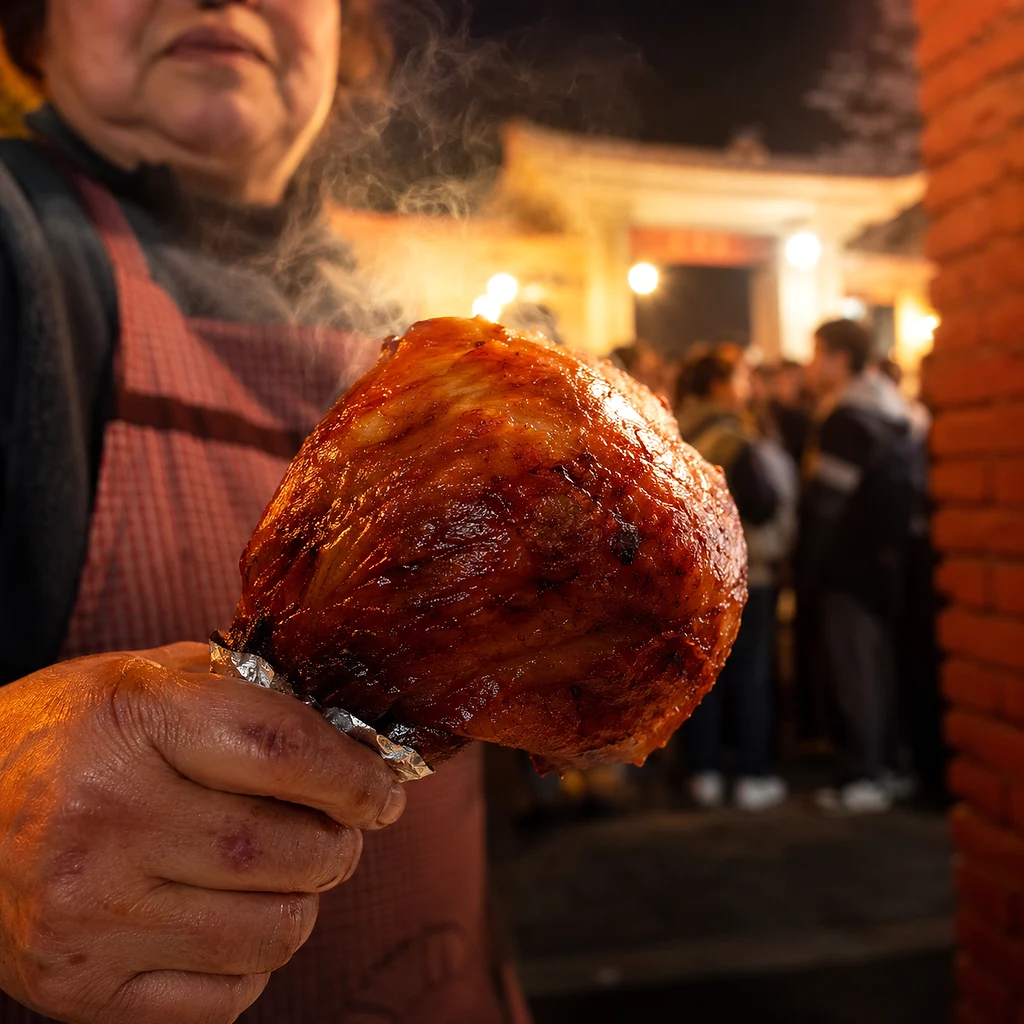
黄石公园热泉区清出280多顶帽子
Yellowstone Finds 280 Hats in Hot-Spring Areas
3 min
What is on the HSK 2 word list?
The HSK word lists are published and cumulative, which is what makes the exam a finite target. HSK 2 assumes 300 words in total — 150 of them introduced at this level.
They cover travel, shopping, weather, health, and simple plans — the first vocabulary that lets you handle a short exchange without English.
HSK 2 word list
All 297 entries below, straight from the official Hanban HSK 2.0 list. The 147 words new at HSK 2 come first, then earlier levels.
Pinyin and definitions come from CC-CEDICT. Tap any word to see its other senses without leaving the list. Words with a full Fluentide entry — character breakdown, usage notes, example sentences — link out from there.
Showing 101–150 of 297 · page 3 of 6
玩wánHSK 2to play
- to play
- to have fun
- to trifle with
- toy
- sth used for amusement
- curio or antique (Taiwan pr. )
- to keep sth for entertainment
- Taiwan pr.
- variant of 玩
晚上wǎnshangHSK 2evening
- evening
- night
- CL:个
- in the evening
为wèiHSK 2because of
- because of
- for
- to
- as (in the capacity of)
- to take sth as
- to act as
- to serve as
- to behave as
- to become
- to be
- to do
- by (in the passive voice)
- variant of 为
- variant of 为
问wènHSK 2to ask
- to ask
- to inquire
问题wèntíHSK 2question
- question
- problem
- issue
- topic
- CL:个
西瓜xīguāHSK 2watermelon
- watermelon
- CL:颗
希望xīwàngHSK 2to hope
- to hope
- a hope
- a wish
洗xǐHSK 2to wash
- to wash
- to bathe
- to develop (photographs)
- to shuffle (cards etc)
- to erase (a recording)
- used in 洗马
向xiàngHSK 2towards
- towards
- to face
- to turn towards
- direction
- to support
- to side with
- shortly before
- formerly
- always
- all along
- (suffix) suitable for ...
- oriented to ...
- to tend toward
- to guide
- surname Xiang
- direction
- orientation
- to face
- to turn toward
- to
- towards
- shortly before
- formerly
- variant of 向
- variant of 向
小时xiǎoshíHSK 2hour
笑xiàoHSK 2to laugh
- to laugh
- to smile
- to laugh at
- old variant of 笑
新xīnHSK 2new
- new
- newly
- meso- (chemistry)
- surname Xin
- abbr. for Xinjiang 新疆
- abbr. for Singapore 新加坡
姓xìngHSK 2family name
- family name
- surname
- to be surnamed ...
休息xiūxiHSK 2rest
雪xuěHSK 2snow
- snow
- CL:场
- (literary) to wipe away (a humiliation etc)
- surname Xue
颜色yánsèHSK 2color
- color
- countenance
- appearance
- facial expression
- pigment
- dyestuff
眼睛yǎnjingHSK 2eye
羊肉yángròuHSK 2mutton
- mutton
- goat meat
药yàoHSK 2leaf of the iris
- leaf of the iris
- medicine
- drug
- substance used for a specific purpose (e.g. poisoning, explosion, fermenting)
- CL:种,服,味
- to poison
- variant of 药
要yàoHSK 2to want
- to want
- to need
- to ask for
- will
- shall
- about to
- need to
- should
- if (same as 要是)
- (bound form) important
- (bound form) to demand
- to coerce
也yěHSK 2also
- also
- too
- as well
- (not ...) either
- (used after a verbal or nominal expression X to indicate that X is an extreme or unexpected case) even (X)
- (literary) particle having functions similar to 啊
- surname Ye
一起yīqǐHSK 2(in) the same place
- (in) the same place
- together
- in company (with)
- altogether
- in total
- an instance of
- a case of (murder, accident, dispute etc)
已经yǐjīngHSK 2already
意思yìsiHSK 2idea
- idea
- opinion
- meaning
- wish
- desire
- interest
- fun
- token of appreciation, affection etc
- CL:个
- to give as a small token
- to do sth as a gesture of goodwill etc
因为yīnwèiHSK 2because
- because
- owing to
- on account of
阴yīnHSK 2overcast (weather)
- overcast (weather)
- cloudy
- shady
- Yin (the negative principle of Yin and Yang)
- negative (electric.)
- feminine
- moon
- implicit
- hidden
- genitalia
- surname Yin
- variant of 阴
游泳yóuyǒngHSK 2swimming
- swimming
- to swim
右边yòubianHSK 2right side
- right side
- right, to the right
鱼yúHSK 2fish (CL:条,尾)
- fish (CL:条,尾)
- used in the names of various aquatic animals that are not fish (including abalone 鲍鱼, alligators and crocodiles 鳄鱼 and octopi 章鱼)
- surname Yu
元yuánHSK 2currency unit (esp. Chinese yuan)
- currency unit (esp. Chinese yuan)
- (bound form) first
- original
- primary
- (bound form) basic
- fundamental
- (bound form) constituent
- part
- (prefix) meta-
- (math.) argument
- variable
- era (of a reign)
- (Tw) (geology) eon
- surname Yuan
- Yuan dynasty (1279–1368)
远yuǎnHSK 2far
- far
- distant
- remote
- (intensifier in a comparison) by far
- much (lower etc)
- to distance oneself from (classical)
运动yùndòngHSK 2to move
- to move
- to exercise
- sports
- exercise
- motion
- movement
- campaign
- CL:场
再zàiHSK 2again
- again
- once more
- re-
- further
- beyond this point of time
- (before an adjective) more
- then (after sth, and not until then)
- no matter how ... (followed by an adjective or verb, and then (usually) 也 or 都 for emphasis)
- (used to introduce additional information, as in 再则, 再就是 etc)
- (literary) to reappear
- to reoccur
早上zǎoshangHSK 2early morning
- early morning
- CL:个
张zhāngHSK 2to open up
- to open up
- to spread
- sheet of paper
- classifier for flat objects, sheet
- classifier for votes
- surname Zhang
长chángHSK 2long
- long
- (bound form) length
- (bound form) strong point
- forte
- (bound form) to be good at
- (literary) surplus
- spare (Taiwan pr. )
- chief
- head
- elder
- to grow
- to develop
- to increase
- to enhance
丈夫zhàngfuHSK 2husband
找zhǎoHSK 2to try to find
- to try to find
- to look for
- to call on sb
- to find
- to seek
- to return
- to give change
着zheHSK 2aspect particle indicating action in progress or ongoing state
- aspect particle indicating action in progress or ongoing state
- a move in chess (Taiwan pr. )
- trick
- tactic
- (dialect) okay
- all right
- (dialect) to put in
- to add
- to touch
- to come in contact with
- to feel
- to be affected by
- to catch fire
- to burn
- (coll.) to fall asleep
- (after a verb) hitting the mark
- succeeding in
- to wear (clothes)
- to contact
- to use
- to apply
- variant of 着
- variant of 着
- variant of 着
- variant of 着
真zhēnHSK 2really
- really
- truly
- indeed
- real
- true
- genuine
正在zhèngzàiHSK 2to be in the process of (doing sth)
- to be in the process of (doing sth)
- to be currently ...-ing
知道zhīdàoHSK 2to know
- to know
- to become aware of
- also pr.
准备zhǔnbèiHSK 2preparation
- preparation
- to prepare
- to intend
- to be about to
- reserve (fund)
自行车zìxíngchēHSK 2bicycle
- bicycle
- bike
- CL:辆
走zǒuHSK 2to walk
- to walk
- to go
- to run
- to move (of vehicle)
- to visit
- to leave
- to go away
- to die (euph.)
- from
- through
- away (in compound verbs, such as 撤走)
- to change (shape, form, meaning)
最zuìHSK 2(before an adjective or verb) to the highest degree
- (before an adjective or verb) to the highest degree
- (the) most ...
- -est
- (after 之) best or most extreme example (e.g. 世界之最 "the greatest in the world")
- variant of 最
- old variant of 最
左边zuǒbianHSK 2left
- left
- the left side
- to the left of
爱àiHSK 1to love
- to love
- to be fond of
- to like
- affection
- to be inclined (to do sth)
- to tend to (happen)
八bāHSK 1eight
爸爸bàbaHSK 1(coll.) father
- (coll.) father
- dad
- CL:位
How to actually learn HSK 2 vocabulary
A word list is a checklist, not a method. Recognising a word on a page is a different skill from catching it at speed in a sentence — and the HSK listening section only tests the second one.
Read the list once, do not memorise it
You are looking for which words feel unfamiliar, not trying to learn them here.
Listen at your level daily
Fluentide's HSK 2 episodes are written inside this vocabulary band, so the words arrive in sentences instead of flashcards.
Look a word up only after you have heard it
A word you have already met in audio sticks in one reading. A word you meet cold takes many.
Come back to this list monthly
Use it as a progress check, not a study plan. The gaps you find are what to listen for next.
HSK 2 episodes to hear these words in
Every episode below is written inside the HSK 2 word band and read at HSK 2 speed. Press play — no account needed for the first few.















































































































































































































HSK 2 Chinese listening episodes

Showing 12 of 232
The method in practice
Hear HSK 2 vocabulary in real Mandarin
Every HSK 2 episode is written inside this word band and read at HSK 2 speed, so words stick because you have heard them in a sentence. Full transcript, pinyin toggle, and line-by-line English on every episode. Five free episodes after a one-tap magic-link sign-in — no password, no payment.